Nothing Phone (4a) Pro: Designing the Sped of the Flagship Mid-Range

March 23, 2026
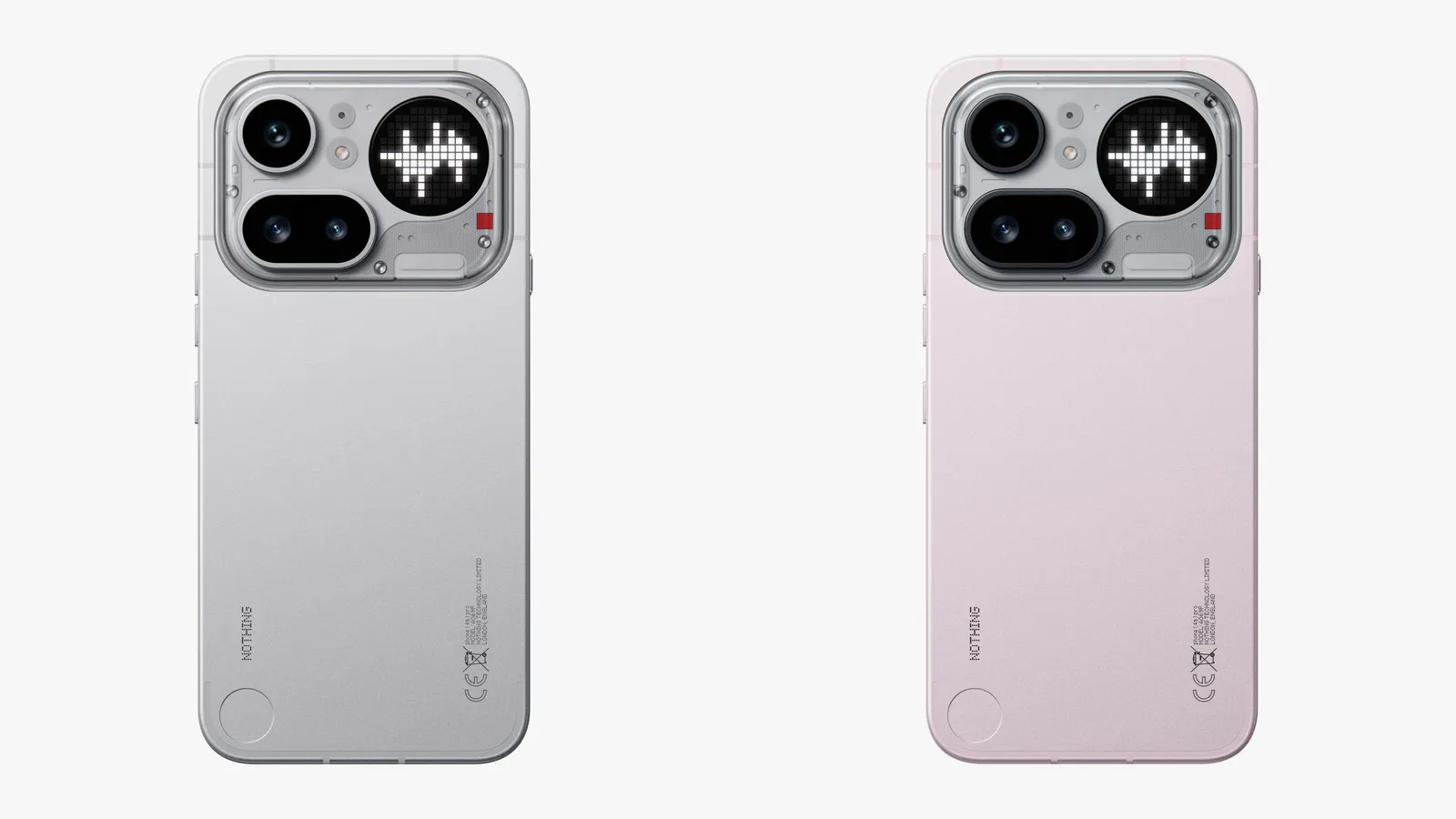
There is a familiar narrative in consumer technology: innovation lives at the top, while the mid-range inherits yesterday’s ideas at a discount. For years, the hierarchy has been predictable—flagships experiment, mid-tier refines, budget follows. But every so often, a company disrupts that rhythm not by adding more, but by rethinking the premise altogether. With the Nothing Phone (4a) Pro, Nothing does exactly that—repositioning the mid-range not as a compromise, but as a statement.
View this post on Instagram
stir
Nothing has never been subtle. From its first release, the brand established a visual identity rooted in transparency—literally and philosophically. Where most devices strive for seamless invisibility, Nothing leans into exposure: screws, coils, circuits, light.
With the Phone (4a) Pro, that ethos evolves rather than repeats.
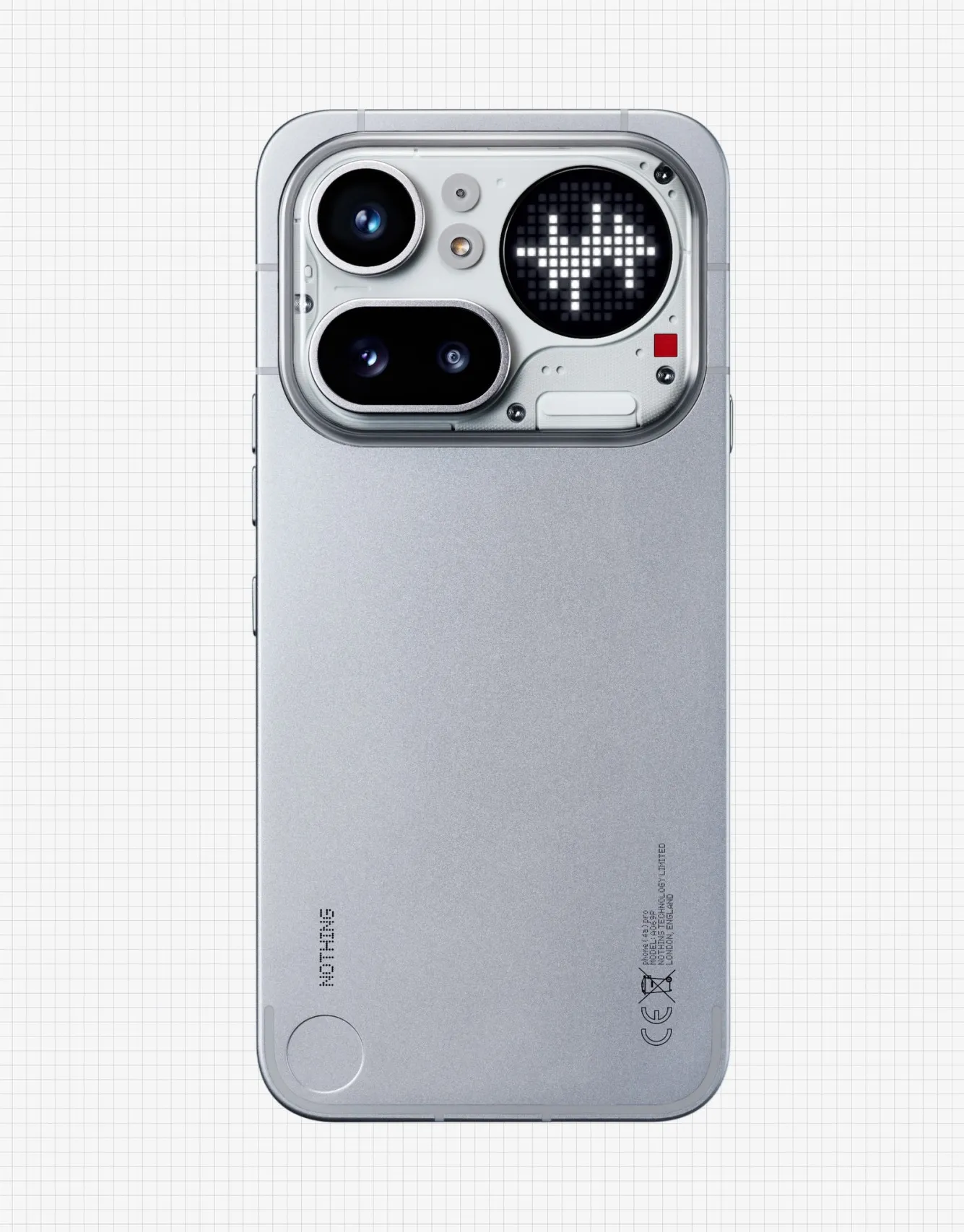
The signature Glyph Interface—those LED patterns embedded beneath the transparent back—returns, but now feels less like a novelty and more like a system. Instead of fixed patterns, the lighting becomes modular, reactive, and increasingly personal. Notifications are no longer just alerts; they are coded signals, customizable rhythms that transform the phone into an ambient communication device.
The back panel itself has been refined. Where earlier iterations leaned heavily into industrial transparency, the (4a) Pro introduces layered opacity—frosted sections, subtle textures, and micro-etched pathways that guide both light and perception. It feels less like a prototype and more like a mature object.
Crucially, this evolution signals a shift: Nothing is no longer trying to prove that it can be different. It is refining what that difference means.
view
The Glyph Interface is the most recognizable element of a Nothing phone—but in the (4a) Pro, it becomes something far more ambitious.
Instead of acting purely as a notification system, Glyph evolves into a programmable layer of interaction. Users can assign specific light signatures to contacts, apps, or even workflows. A message from a collaborator might pulse in a slow, deliberate pattern; a ride-share arrival might trigger a directional sweep; music playback could translate into subtle visual rhythms.
This is where Nothing’s philosophy begins to crystallize. The company is not just designing hardware—it is designing behavior.
In a world saturated with screens demanding attention, Glyph offers an alternative: peripheral awareness. You don’t need to turn the phone over, unlock it, and dive in. The device communicates with you passively, visually, almost intuitively.
It’s a small shift, but a meaningful one. And it hints at a broader ambition: reducing friction not by removing features, but by redistributing attention.
idea
Under the hood, the Phone (4a) Pro delivers what Nothing calls “flagship-adjacent performance.” That phrase could easily read as marketing spin, but here it lands with a degree of honesty.
The device is powered by a next-generation mid-tier chipset—efficient, capable, and tuned for real-world usage rather than benchmark dominance. Apps launch quickly. Multitasking feels fluid. Gaming performance is stable, if not bleeding-edge. In short, it does everything most users need, without the thermal compromises or battery drain that often accompany top-tier silicon.
This is where the “Pro” designation becomes interesting.
Instead of chasing the absolute peak of performance, Nothing prioritizes consistency. Sustained performance matters more than peak output. Thermal management is refined. Battery optimization is intelligent. The result is a device that feels reliable—not just fast in short bursts, but dependable over time.
In a market obsessed with numbers—cores, gigahertz, refresh rates—this approach feels almost radical. It suggests that performance is not just about how fast a device can go, but how well it maintains that speed in everyday life.
flow
Cameras have become the primary battleground for smartphone differentiation, especially in the mid-range. But where competitors often chase megapixels and aggressive computational photography, Nothing takes a more restrained approach.
The Phone (4a) Pro introduces a refined dual-camera system anchored by a high-quality main sensor and an improved ultra-wide lens. On paper, the specs are competitive. In practice, the experience is what sets it apart.
Nothing’s imaging philosophy leans toward authenticity. Colors are balanced rather than exaggerated. Contrast is controlled. Skin tones remain natural. There is a deliberate resistance to over-processing—a choice that aligns with the brand’s broader design ethos.
Night photography sees meaningful improvements, not through artificial brightness, but through better dynamic range and noise control. Silhouettes retain detail. Highlights avoid clipping. The result is images that feel closer to what the eye actually sees.
Video performance follows a similar philosophy: stable, clean, and understated. No gimmicks, no unnecessary filters—just a consistent, reliable capture tool.
In an era where smartphone photography often prioritizes spectacle, Nothing’s approach feels almost editorial. It doesn’t try to impress at first glance; it builds trust over time.
Phone (4a) Pro.
Nothing is designed for a generation bored with conformity. pic.twitter.com/uaRBIhUrFh
— Nothing (@nothing) March 5, 2026
fx
If the hardware is the body, Nothing OS is the personality.
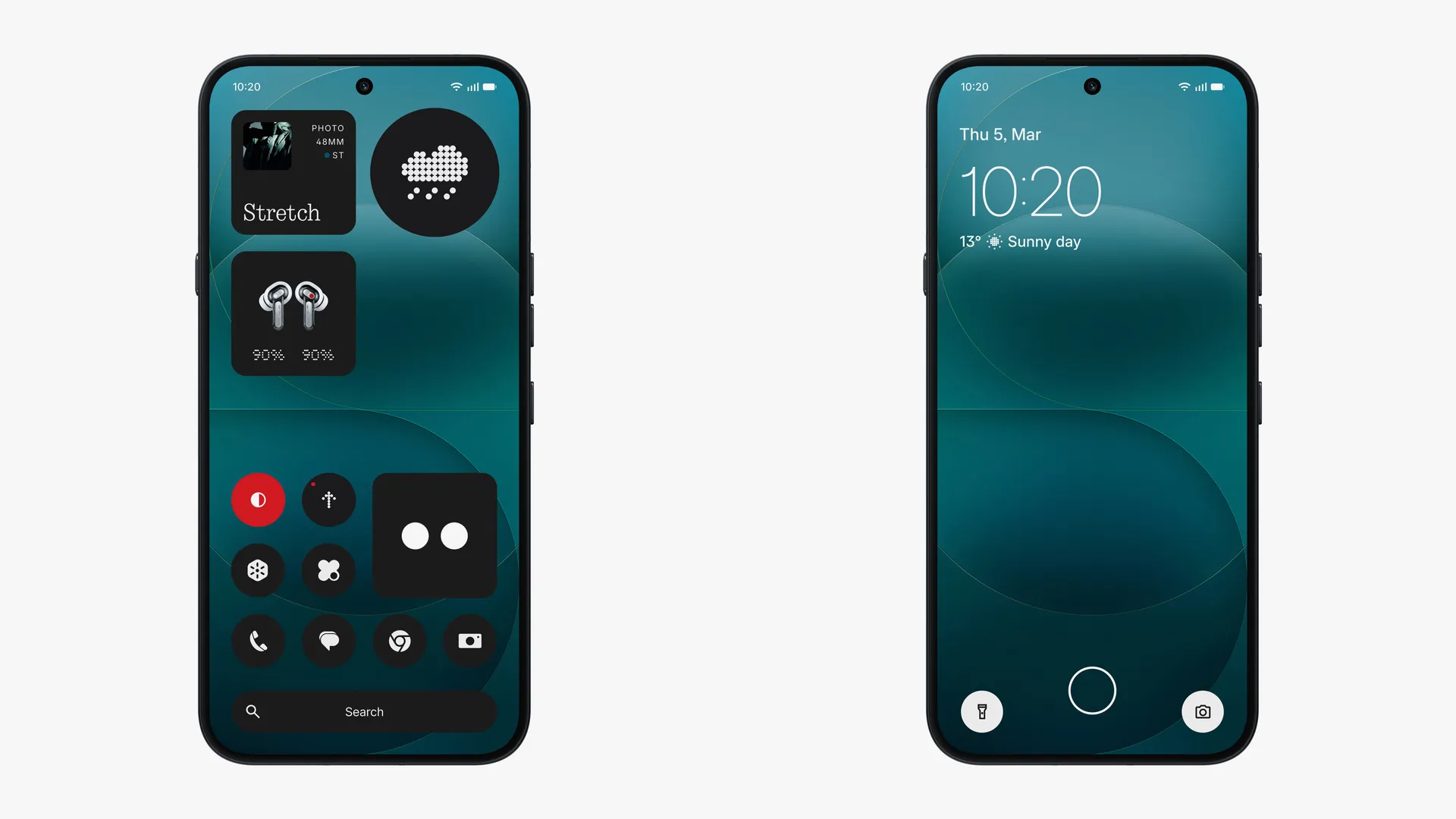
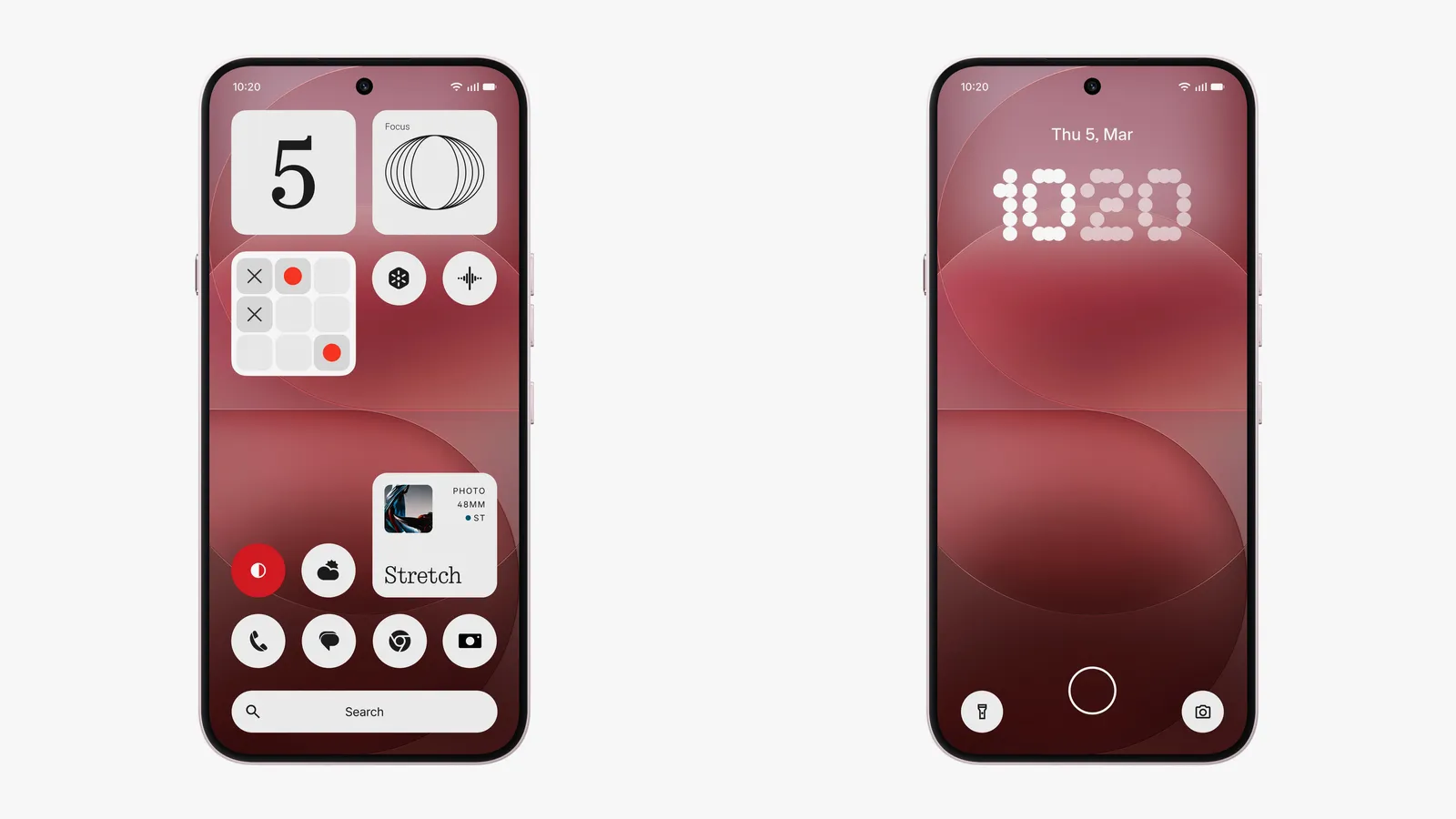
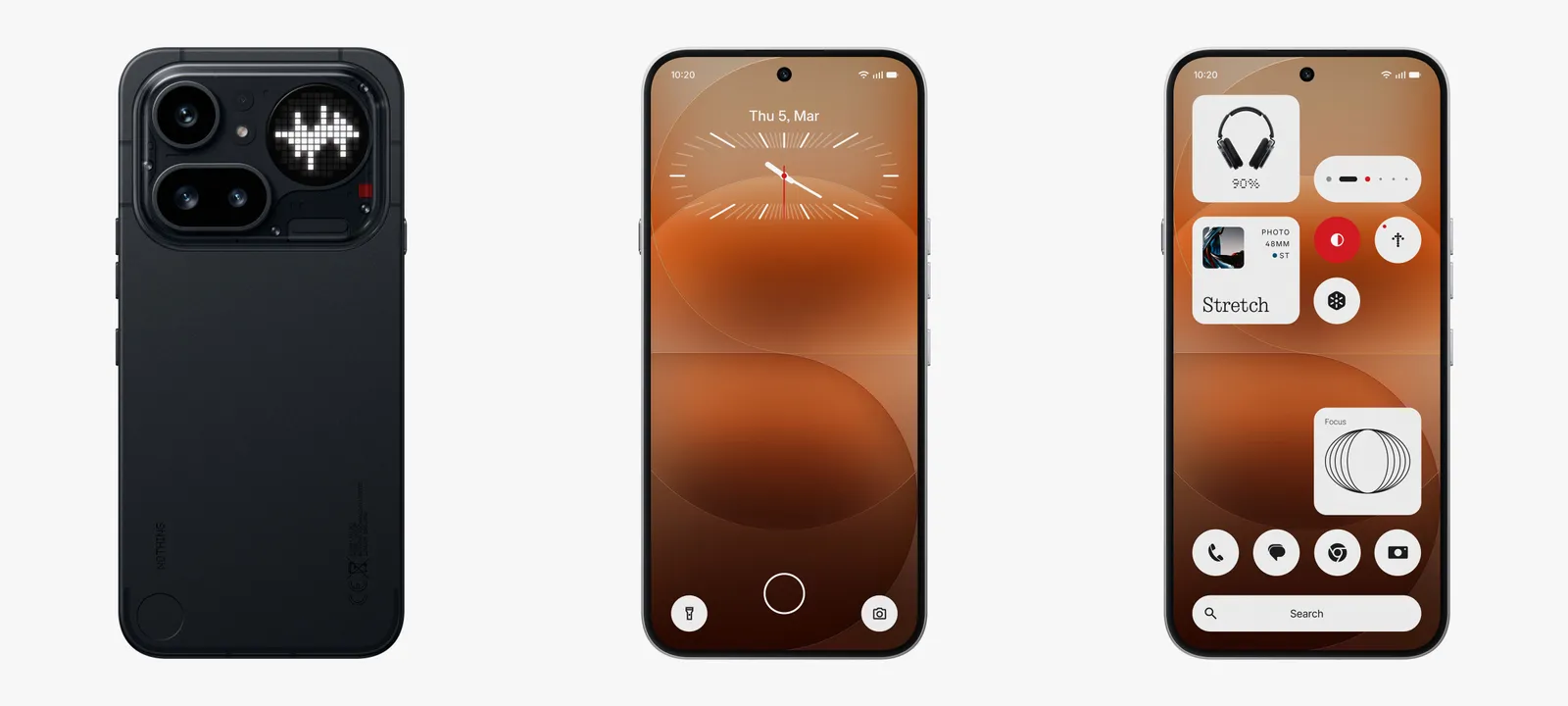
The (4a) Pro ships with an evolved version of Nothing OS, continuing the brand’s commitment to a clean, monochromatic interface punctuated by dot-matrix typography and minimalist widgets. But beyond aesthetics, the real focus is customization.
Users are given granular control over how their device looks and behaves. Widgets can be resized, layered, and styled. App icons can adopt the signature Nothing aesthetic or remain native. System animations can be adjusted to match personal preference.
This level of customization is not entirely new in Android—but Nothing reframes it as a cohesive experience rather than a collection of options.
Everything feels intentional. The interface is not cluttered with unnecessary features. Instead, it offers a curated toolkit for self-expression.
This is where the Phone (4a) Pro begins to feel less like a mass-market product and more like a personal object—something shaped by its user rather than imposed upon them.
opt
Nothing’s early success was driven by its ability to stand out. Transparent design, bold marketing, a distinct voice—it was a brand that knew how to capture attention.
But attention is not the same as longevity.
With the Phone (4a) Pro, Nothing demonstrates a deeper level of maturity. The design is more refined. The features are more purposeful. The messaging is more focused.
There is less emphasis on being different for the sake of it, and more emphasis on being meaningful.
This evolution is critical. It suggests that Nothing is not just a disruptive newcomer, but a brand capable of sustained relevance.
culture
It’s easy to think of smartphones as purely functional objects. But they are also cultural artifacts—extensions of identity, markers of taste, tools of expression.
Nothing understands this, perhaps better than most.
The Phone (4a) Pro is not just a device; it is a statement. It aligns with a broader cultural movement that values transparency, authenticity, and individuality.
In many ways, it mirrors trends in fashion and design—where minimalism meets personalization, where objects are both functional and expressive.
This is where Nothing’s approach resonates most strongly. It doesn’t just build products; it builds narratives.
sum
The Nothing Phone (4a) Pro does not revolutionize the smartphone in the traditional sense. It doesn’t introduce a single, groundbreaking feature that changes everything overnight.
Instead, it rethinks the balance.
It redefines what a mid-range device can be—not a compromise, but a choice. Not a fallback, but a preference.