
Review: The Butter Book by Anna Stockwell

March 28, 2026
2 hours ago
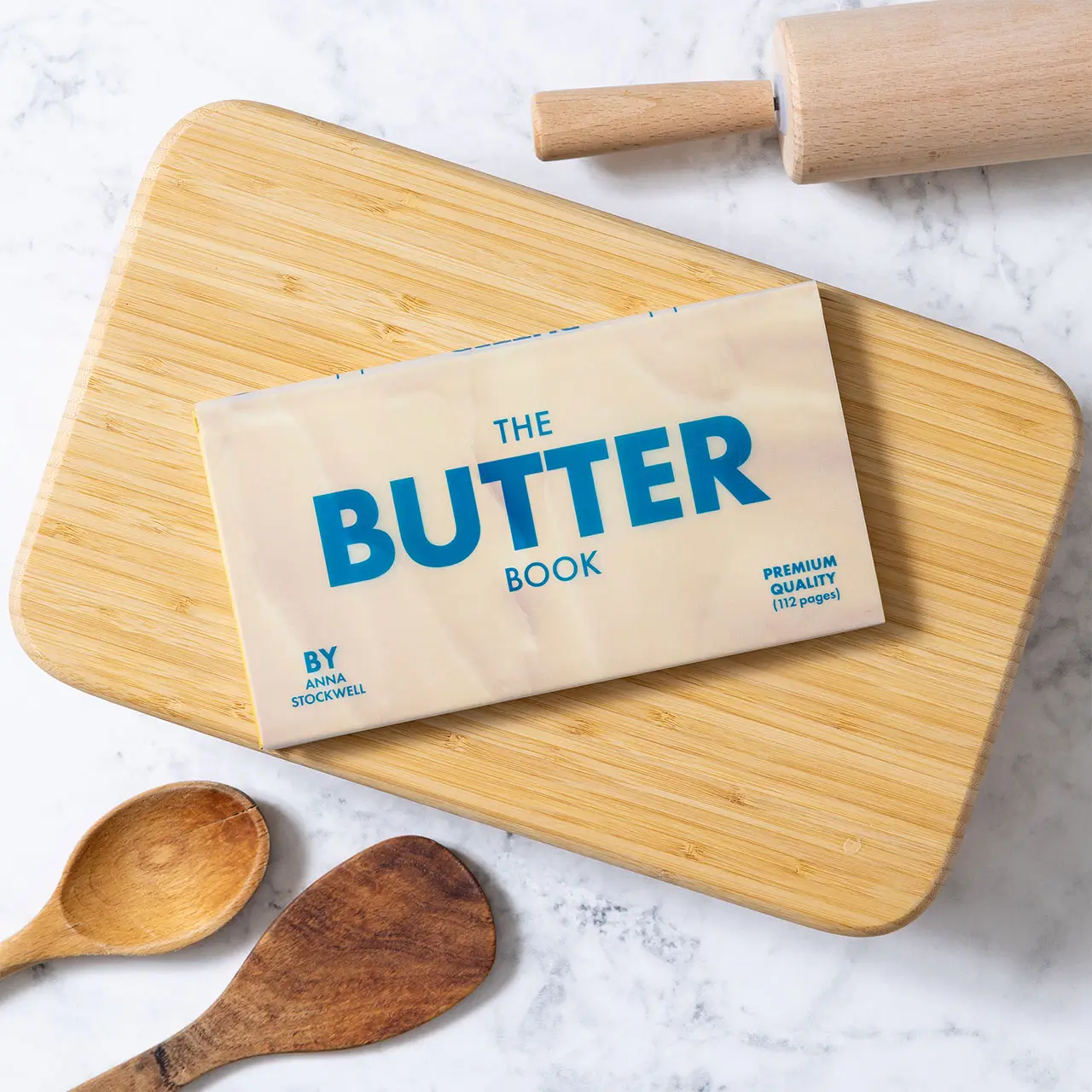
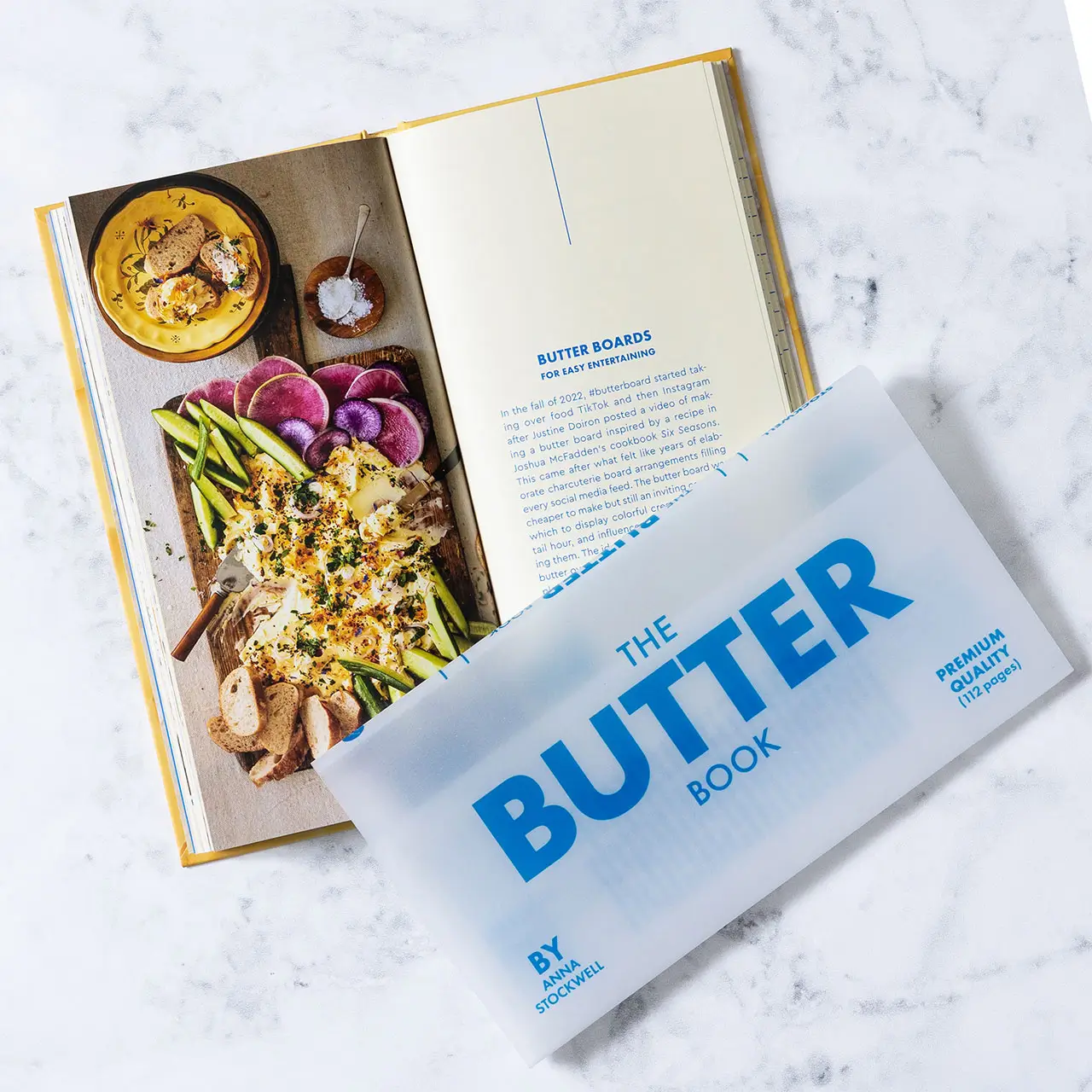
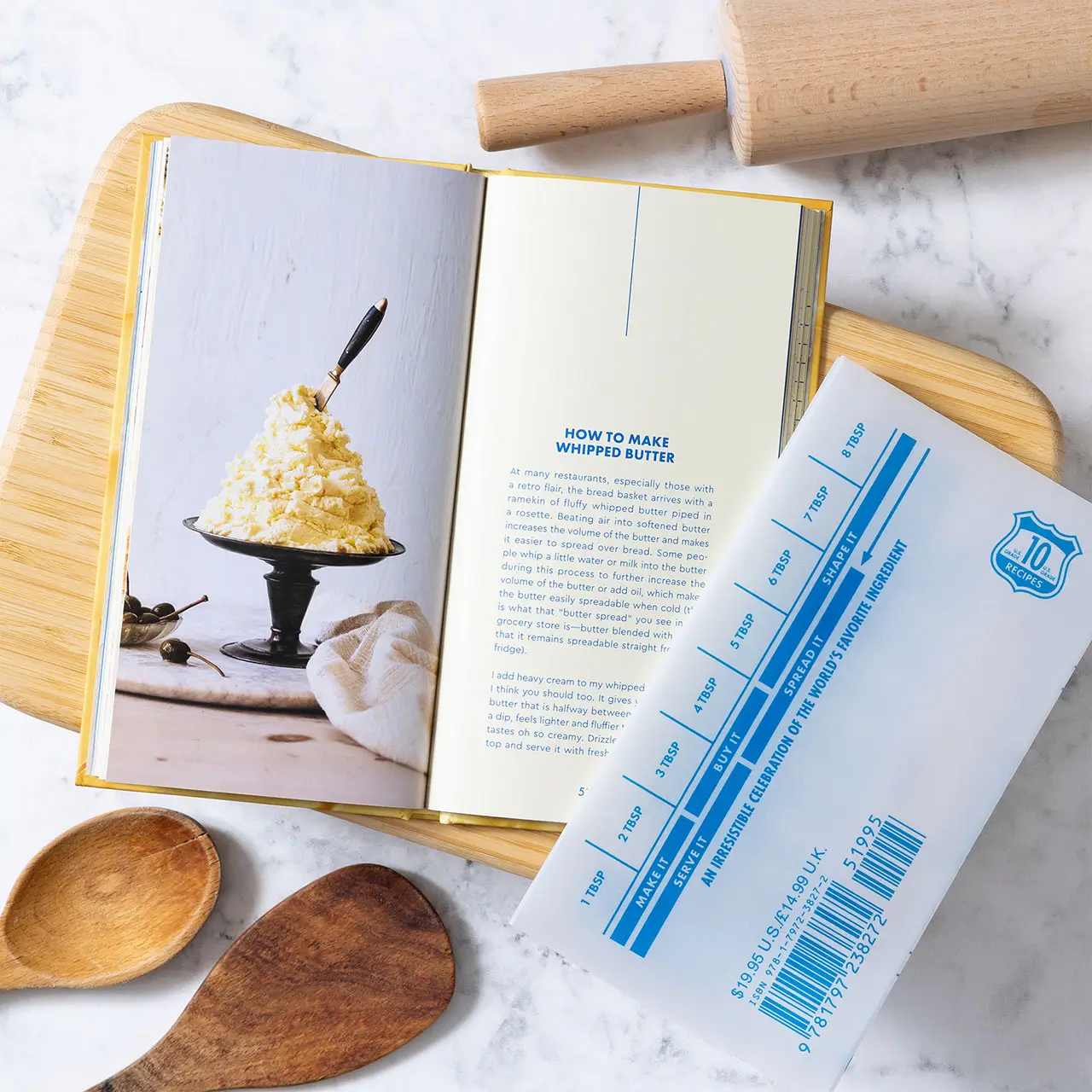
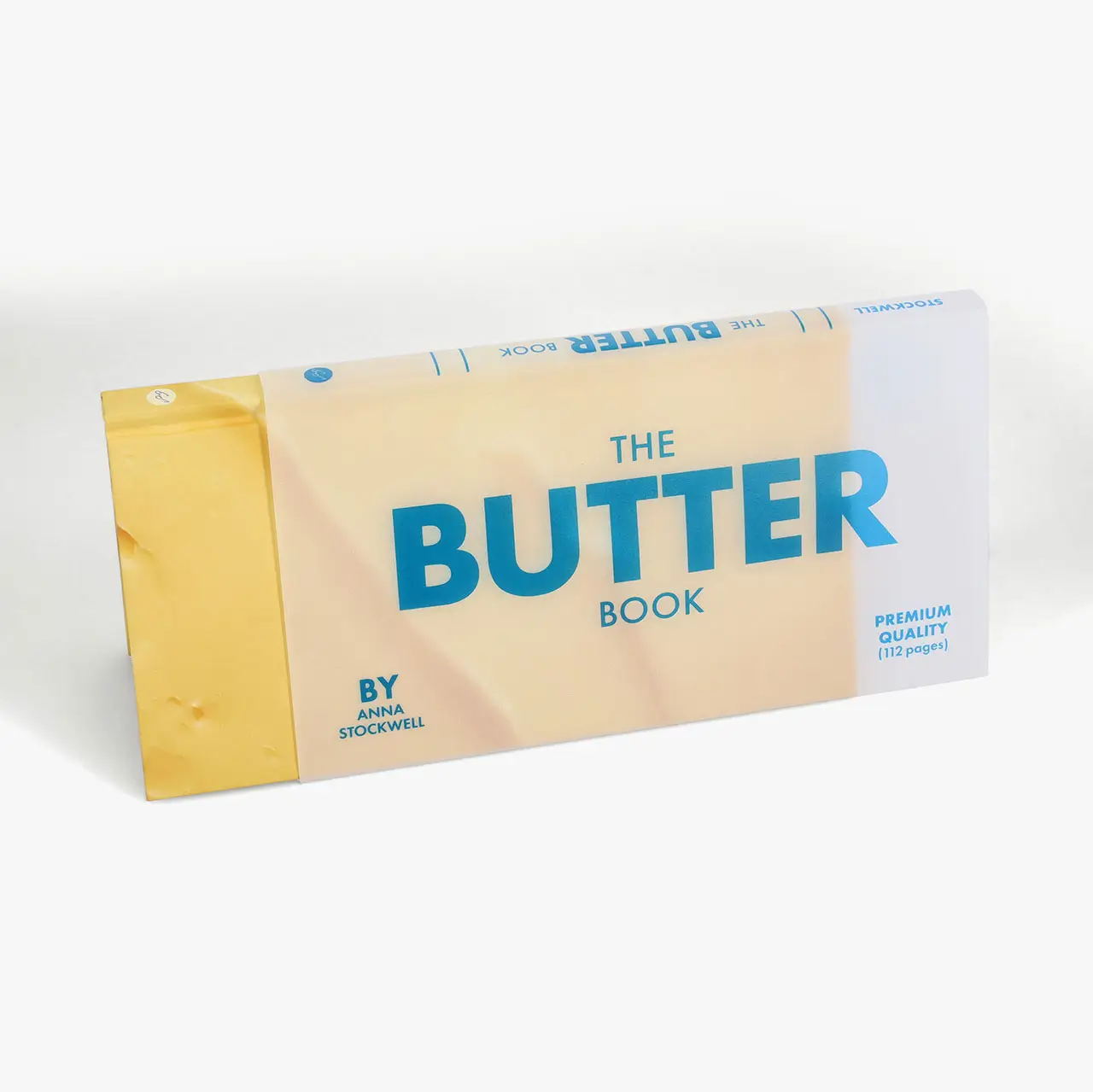
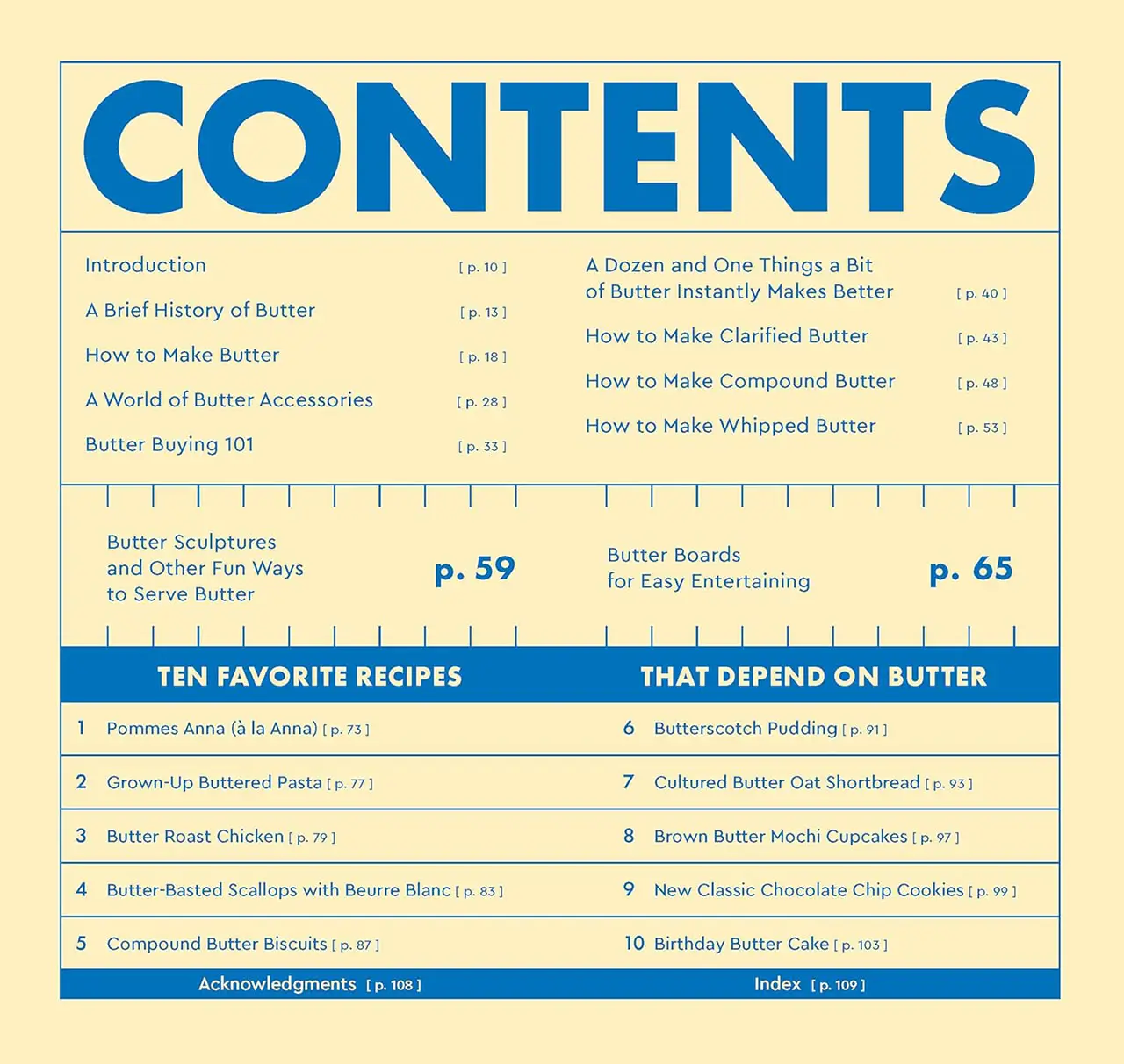
There is a tendency, especially in contemporary food culture, to overcomplicate the path to good cooking. New techniques, rare ingredients, and algorithm-driven trends often crowd out something more foundational: understanding how a single ingredient behaves. In The Butter Book, Anna Stockwell proposes a recalibration. Her premise is disarmingly simple—if you understand butter, you understand more than you think.
This is not a nostalgic return to richness or excess. It is, instead, a methodical re-centering of butter as a functional, almost architectural element in the kitchen. Across the book, butter becomes less of a garnish and more of a framework—a way to structure heat, carry flavor, and create cohesion across a dish. The result is a cookbook that feels less like a collection of recipes and more like a quiet system of thinking.
infra
Butter, in Stockwell’s hands, is treated as infrastructure. This is perhaps the book’s most compelling shift. Rather than positioning butter as a finishing touch—a pat melted over vegetables, a gloss on a sauce—it becomes the base layer from which dishes emerge.
This approach has historical precedent. In classical French cooking, butter is foundational: beurre monté, beurre blanc, beurre noisette. Yet Stockwell resists the rigidity of classical frameworks. She translates these ideas into a contemporary, home-focused language. Techniques are simplified without being diluted, allowing them to be absorbed rather than memorized.
The emphasis on infrastructure changes how recipes are read. A chicken dish is not just about seasoning and roasting; it is about how butter interacts with heat over time—how it bastes, how it browns, how it builds a continuous layer of flavor. A vegetable preparation becomes an exercise in timing: when butter should be added, when it should be held back, when it should be transformed.
This shift encourages a different kind of attention. Cooking becomes less about following steps and more about observing transitions—solid to liquid, pale to golden, quiet to aromatic.
lang
One of the book’s strengths lies in its articulation of butter’s states. Stockwell organizes her thinking around transformation: melting, browning, clarifying, emulsifying. Each state carries its own set of possibilities, and the book moves fluidly between them.
Browning butter—arguably the most iconic transformation—becomes more than a flavor enhancer. It is framed as a threshold moment, where butter shifts from neutral to expressive. The nutty aroma, the deepening color, the slight bitterness: these are not incidental qualities but tools that can be deployed with precision.
Clarified butter, by contrast, is about control. Removing milk solids extends butter’s tolerance to heat, making it a more stable medium for cooking. In Stockwell’s language, this is not just a technical adjustment but a strategic one. It allows the cook to push boundaries—higher temperatures, longer cooking times—without sacrificing flavor.
Emulsification introduces another layer. Here, butter acts as a binder, bringing disparate elements into coherence. A sauce becomes more than liquid; it becomes structure. The book’s treatment of emulsification is particularly effective, breaking down what is often perceived as a complex process into something intuitive and repeatable.
Across these transformations, a pattern emerges. Butter is not static. It is dynamic, responsive, capable of shifting roles depending on context. Understanding these shifts is, in many ways, the book’s central lesson.
stir
While The Butter Book is, on the surface, a collection of recipes, it resists the conventional format of instruction. Recipes are presented as systems—frameworks that can be adapted rather than scripts that must be followed exactly.
This is where Stockwell’s background in test kitchens becomes evident. Each recipe is constructed with an underlying logic, a set of principles that extend beyond the dish itself. A butter-basted steak, for example, is not just about achieving a specific result; it is about understanding how fat interacts with protein, how heat distributes, how timing shapes texture.
Vegetable dishes, too, are treated with the same level of attention. Butter becomes a way to amplify natural flavors rather than obscure them. Carrots are not simply glazed; they are coaxed into sweetness through controlled caramelization. Greens are not just sautéed; they are layered with fat to create depth without heaviness.
This systemic approach has a subtle but significant effect. It shifts the reader’s relationship to the kitchen. Instead of relying on recipes as external authority, the cook begins to internalize patterns. Over time, this leads to a kind of fluency—a sense that cooking is not a series of isolated tasks but a continuous process of adjustment and response.
show
Visually and stylistically, The Butter Book leans toward restraint. There is no overt attempt to dramatize butter as indulgence. Instead, the imagery—whether in photography or prose—emphasizes clarity. Surfaces are clean, compositions are balanced, and the focus remains on the ingredient itself.
This restraint extends to the writing. Stockwell avoids the kind of romantic language that often accompanies discussions of butter. There are no exaggerated metaphors, no attempts to elevate the ingredient beyond its function. This choice feels intentional. By keeping the tone grounded, she allows the material to speak for itself.
In a broader cultural context, this approach feels almost countercultural. At a time when food media often leans into spectacle—oversized portions, hyper-saturated visuals, exaggerated claims—The Butter Book opts for subtlety. It suggests that mastery does not require excess, that depth can be achieved through focus rather than expansion.
a mundane
One of the more interesting aspects of the book is how it situates butter within contemporary cooking. Butter, for all its historical significance, has become a somewhat contested ingredient in modern discourse. Questions of health, sustainability, and dietary preference often complicate its role.
Stockwell does not ignore these tensions, but she does not center them either. Instead, she reframes butter as a tool—one that can be used thoughtfully and intentionally. The emphasis is not on quantity but on quality, not on indulgence but on understanding.
This perspective aligns with a broader shift in how people approach cooking. There is a growing interest in fundamentals, in learning techniques that can be applied across contexts. In this sense, The Butter Book feels timely. It responds to a desire for clarity in a landscape that often feels fragmented.
flow
At its core, the book is pedagogical. It teaches, but it does so quietly. There are no overt lessons, no didactic passages. Instead, learning is embedded in the structure of the recipes, in the way techniques are introduced and revisited.
This approach mirrors the experience of cooking itself. Knowledge accumulates gradually, through repetition and observation. A cook begins to recognize patterns, to anticipate outcomes, to adjust without conscious effort. The Butter Book facilitates this process, offering a framework that supports rather than dictates.
It is worth noting that this kind of pedagogy requires trust. The reader must be willing to engage, to experiment, to move beyond the comfort of strict instructions. In return, the book offers something more durable than a set of recipes: a way of thinking.
imply
While butter is the book’s focal point, its implications extend further. By concentrating on a single ingredient, Stockwell opens up a broader conversation about how cooking is learned and practiced. She suggests that depth, rather than breadth, is the key to mastery.
This idea has resonance beyond the kitchen. In many fields, there is a tendency to accumulate knowledge without fully understanding it. The Butter Book proposes an alternative: to focus, to refine, to explore the possibilities within a single domain.
In this sense, the book becomes more than a culinary guide. It becomes a meditation on process, on the value of attention, on the ways in which small shifts in perspective can lead to meaningful change.
bal
Butter’s role in global cooking is both specific and expansive. It carries different meanings in different contexts—haute in some traditions, everyday staple in others. Stockwell’s approach does not attempt to universalize butter’s significance. Instead, it acknowledges its particularity while exploring its versatility.
This balance is important. It prevents the book from slipping into generalization, from presenting butter as a universal solution. Instead, it remains grounded, attentive to context while still offering broadly applicable insights.
At the same time, the book contributes to an ongoing conversation about how traditional ingredients are reinterpreted in contemporary kitchens. It demonstrates that innovation does not always require new ingredients or techniques. Sometimes, it emerges from a deeper understanding of what is already available.
fin
The Butter Book ultimately resists easy categorization. It is not purely instructional, nor is it purely narrative. It occupies a space between the two, offering both guidance and reflection.
What distinguishes it is its commitment to precision. Every technique, every recipe, every observation is anchored in a clear understanding of how butter behaves. There is no excess, no unnecessary elaboration. This clarity is what gives the book its strength.
In an era where cooking is often framed as performance—something to be documented, shared, and consumed visually—Stockwell’s work offers a different perspective. It returns to the act itself, to the quiet, repetitive, often unseen processes that define the kitchen.
And in doing so, it reminds us that mastery is not about complexity. It is about attention. It is about understanding how something as simple as butter can shape the way we cook, and, perhaps, the way we think.