Hayato Sumino and the Quiet Radicalism of Dressing Between Cities

March 29, 2026
1 hour ago
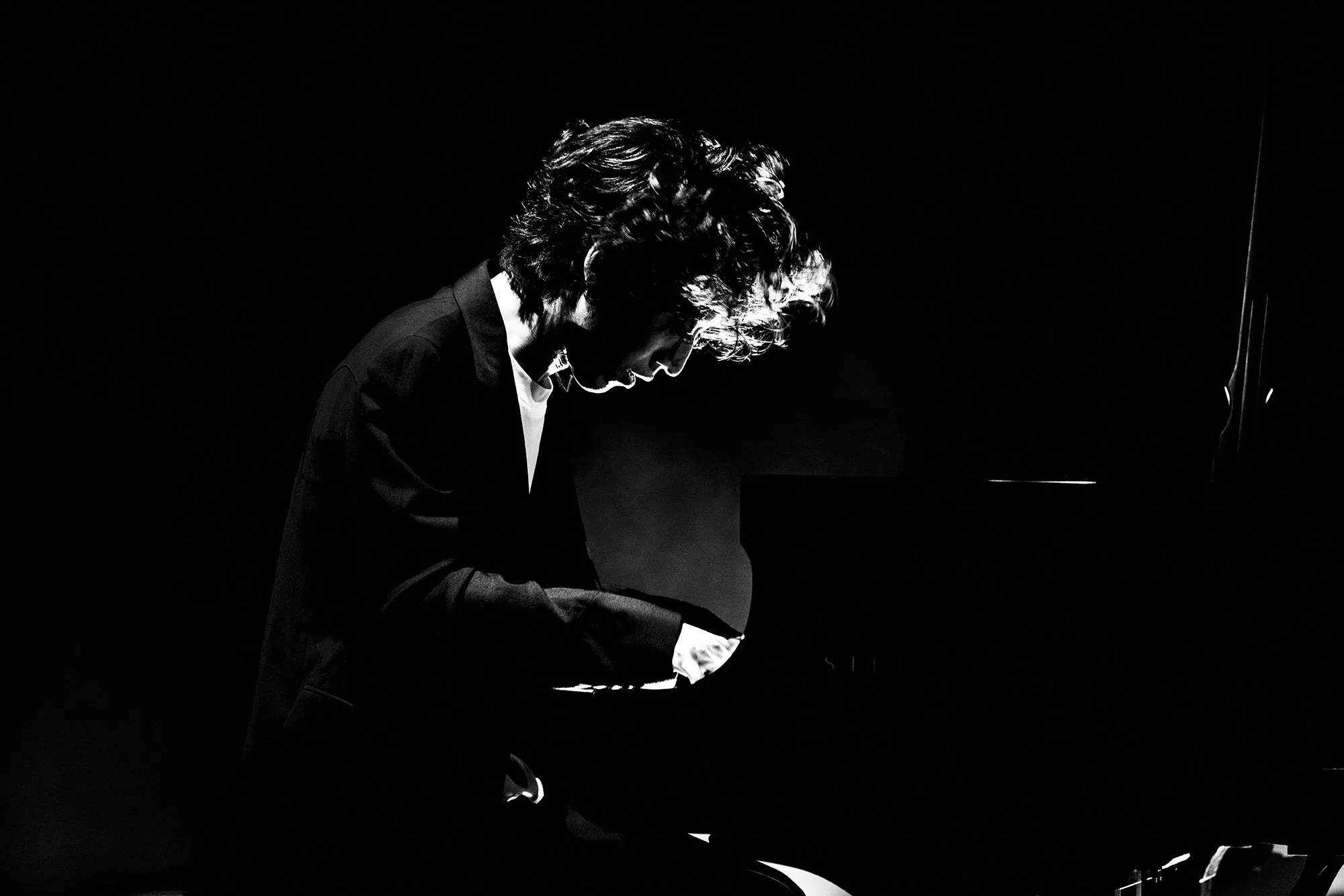
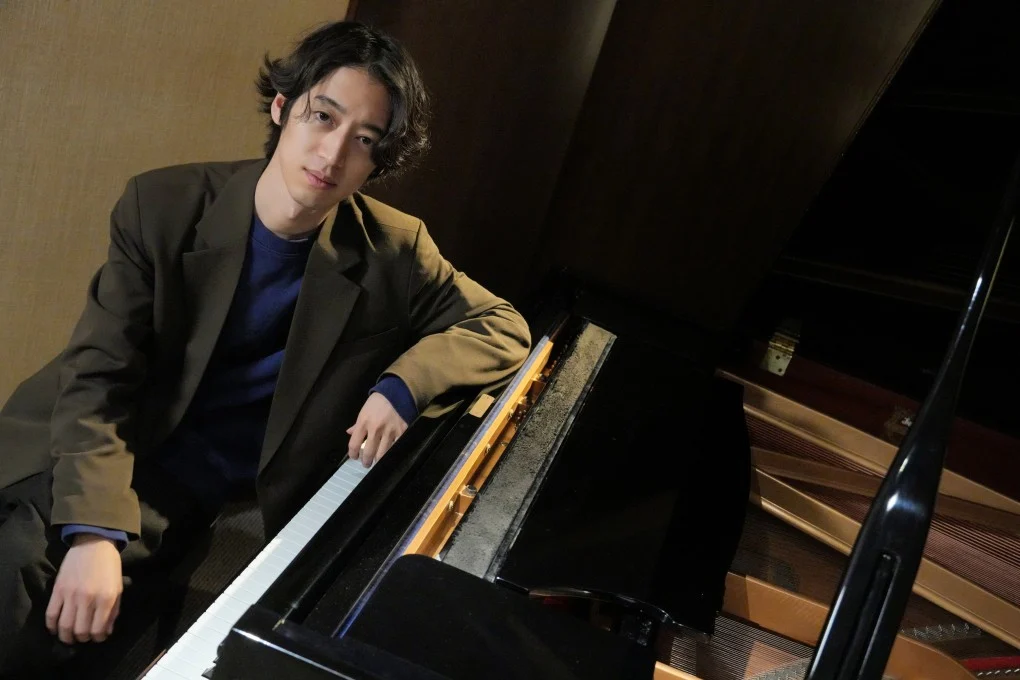
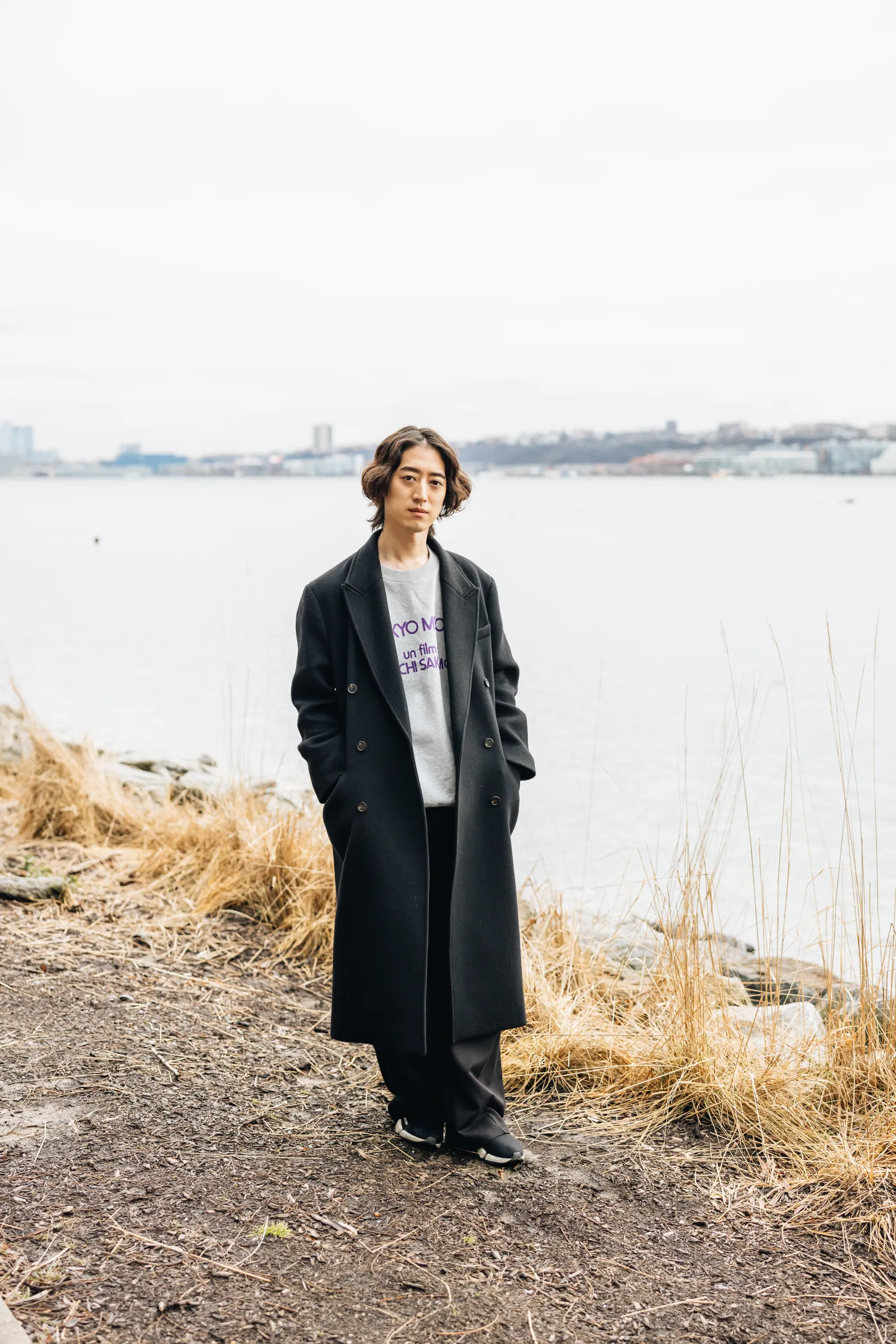
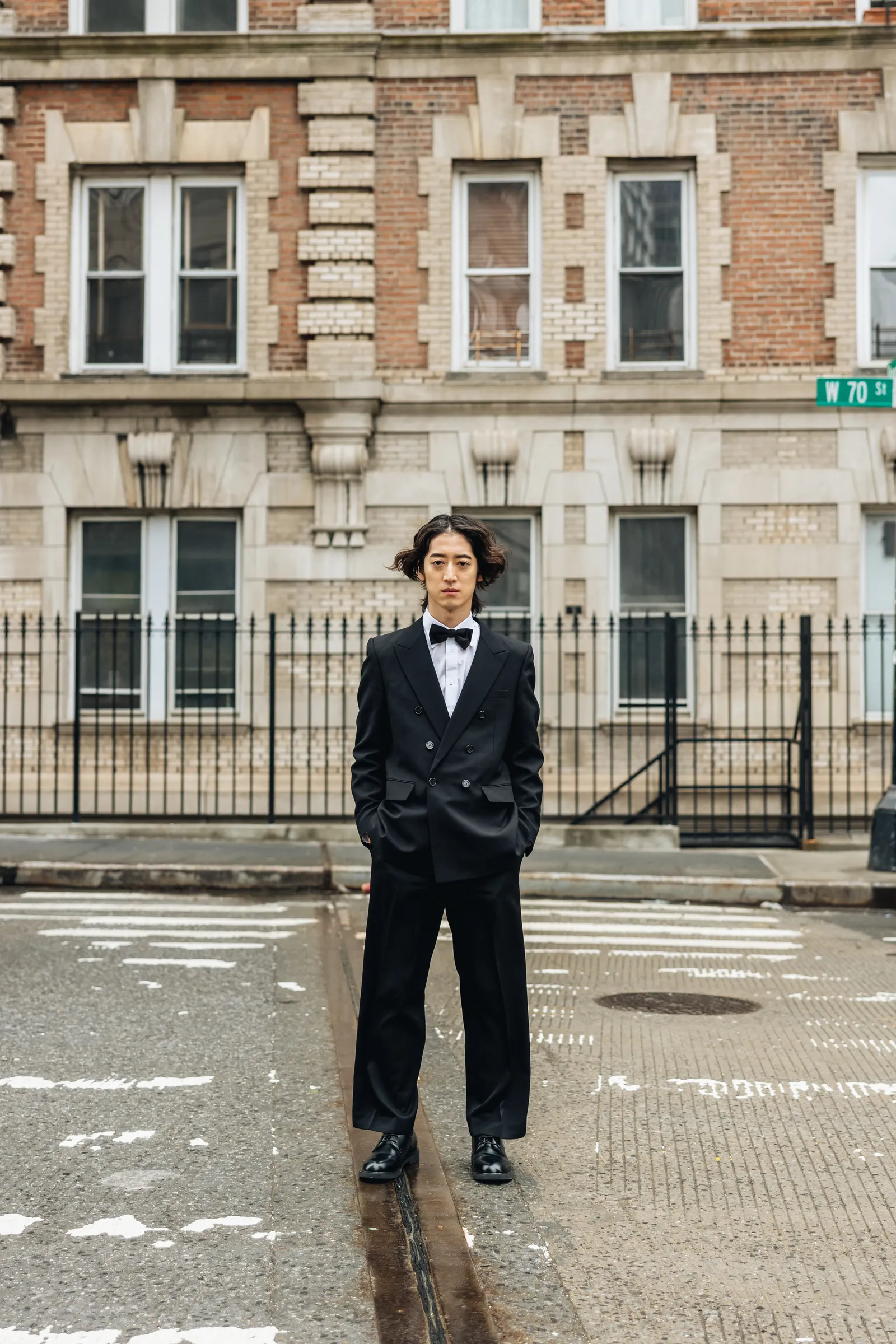
There is a distinct kind of artist who doesn’t separate disciplines cleanly. Sound bleeds into image. Movement informs composition. Identity shifts depending on where it’s placed. Hayato Sumino—known widely online as Cateen—belongs to that category, where virtuosity in one field becomes a lens for interpreting another.
To circumference about Sumino today is not just to look at his trajectory as a pianist—classically trained, algorithmically fluent, moving between concert halls and digital platforms—but to consider how he reads culture itself. In recent conversations, he’s pointed toward something quietly provocative: that fashion in New York City feels more radical than in Tokyo.
It’s a statement that doesn’t rely on spectacle. It’s observational. But it opens up a broader question—what does “radical” actually mean in contemporary fashion, especially across two cities long mythologized for their style?
stir
Sumino’s practice already resists fixed categories. His work spans classical repertoire, improvisation, algorithmic composition, and digital performance—often collapsing boundaries between them. The same can be said of his public presence. He moves fluidly between formal concert attire and more relaxed, expressive clothing choices that feel aligned with the spaces he inhabits.
What’s notable is not that he “cares about fashion,” but that he approaches it with the same curiosity he applies to music. There’s an attentiveness to structure, variation, and context.
Clothing, for Sumino, becomes another system to interpret.
And systems, in his world, are meant to be reconfigured.
space
When Sumino describes New York as more radical, he’s not referring to avant-garde runways or headline-making designers. He’s talking about the street—about what people actually wear, and how they wear it.
Radical here isn’t about extremity. It’s about permission.
In New York, that permission manifests as a kind of visual unpredictability. Styles collide without needing to resolve. Formal and casual coexist in the same outfit. References are layered without explanation. There’s a sense that dressing is less about coherence and more about expression.
You see it in small decisions. A tailored coat over athletic shorts. Vintage pieces styled with technical gear. Color combinations that don’t follow seasonal logic.
It’s not always polished. But it’s rarely passive.
familiar
By contrast, Tokyo’s fashion ecosystem operates with a different rhythm. It is no less creative—arguably more so in terms of technical execution and subcultural depth—but it tends to organize itself within clearer frameworks.
Styles in Tokyo often emerge from distinct communities, each with its own codes: streetwear, avant-garde, heritage, minimalist. Even when those boundaries blur, there is still a sense of internal logic.
Outfits feel composed.
This isn’t limitation. It’s discipline.
Tokyo fashion excels in refinement—precision in layering, attention to proportion, an almost architectural approach to clothing. It rewards knowledge, both of history and of current micro-trends.
But that same refinement can sometimes make radical deviation less visible.
myth
There is a long-standing narrative that positions Tokyo as the more experimental city and New York as more pragmatic. Sumino’s observation complicates that binary.
Tokyo’s experimentation often exists within subcultural spaces that are highly developed but also somewhat insular. To participate fully requires a level of immersion—an understanding of references, of lineage.
New York, on the other hand, distributes its experimentation more broadly. It appears in everyday contexts, not just within defined scenes.
The result is a different kind of radicalism.
Not curated. Not codified. But ambient.
style
For someone like Sumino, whose musical practice includes improvisation, this distinction matters.
Improvisation isn’t about abandoning structure—it’s about responding to it in real time. It’s about making decisions in motion, without the safety of pre-composition.
New York fashion, in this sense, behaves like improvisation.
People dress in response to their day, their environment, their mood. There is less concern with whether the result aligns with an established aesthetic. What matters is that it feels right in the moment.
Tokyo, by contrast, often feels composed—more like a written score. Every element considered, every reference intentional.
Both approaches have value. But they produce different energies.
view
Another factor shaping Sumino’s perspective is visibility.
In New York, difference is expected. The city’s density and diversity create a baseline where standing out is normalized. You are seen, but you are also one among many.
This creates a kind of freedom.
In Tokyo, visibility operates differently. Social harmony plays a more pronounced role in public behavior, including dress. While fashion communities thrive, stepping outside certain norms in everyday contexts can feel more pronounced.
Radical expression exists—but it is often more situational.
extent
What’s particularly interesting about Sumino’s observation is that it comes from outside the fashion industry proper.
He is not a designer, not a stylist, not a critic. He is an artist whose primary medium is sound. That distance allows him to read fashion differently—not through trend cycles or brand narratives, but through lived experience.
He notices how people move, how they occupy space, how clothing interacts with environment.
It’s a perspective that feels increasingly relevant in a moment where fashion is often over-mediated—filtered through campaigns, runways, and digital platforms.
Sumino looks at the street.
And the street, he suggests, is where radicalism actually resides.
theme
Of course, neither New York nor Tokyo exists in isolation. Both are deeply entangled with digital culture, where style circulates globally and rapidly.
Sumino himself is part of this ecosystem. His performances reach audiences far beyond physical venues. His image—like that of any contemporary artist—is mediated through screens.
This raises another question: how does digital visibility affect what we perceive as radical?
Online, extremes are amplified. Algorithms reward the unusual, the eye-catching, the immediately legible. But in physical space, radicalism often appears more subtle—embedded in everyday choices.
Sumino’s focus on in-person observation suggests a shift away from algorithmic definitions of style toward something more grounded.
show
At the pithy of this conversation is the relationship between comfort and risk.
Radical fashion, in its simplest form, involves a willingness to step outside comfort zones—visually, socially, culturally. But that risk is always contextual.
In New York, the threshold for that risk is lower. The environment absorbs it.
In Tokyo, the same gesture might carry more weight, depending on the context.
Sumino’s insight doesn’t diminish Tokyo’s creativity. Instead, it highlights how radicalism is not an absolute quality, but a relational one—defined by environment as much as by intention.
a new
As global culture becomes increasingly interconnected, the distinctions between cities begin to blur. Designers reference multiple geographies simultaneously. Consumers mix influences without regard for origin.
Yet local differences persist—and they matter.
Sumino’s observation points toward a more nuanced understanding of these differences. Not as hierarchies, but as variations in how creativity is expressed and perceived.
New York offers immediacy, improvisation, and visible experimentation.
Tokyo offers precision, depth, and highly developed subcultures.
Neither is inherently more radical. But they frame radicalism differently.
pov
What makes Sumino’s perspective compelling is its subtlety. He isn’t making a declarative statement about fashion’s future. He’s noticing a shift in how it feels.
That feeling—of openness, of unpredictability, of everyday experimentation—is what he identifies as radical.
And it aligns with his broader practice.
In music, he moves between composed and improvised forms. In digital space, he navigates between structure and spontaneity. In fashion, he observes a similar tension playing out across cities.
The throughline is curiosity.
fwd
The value of Sumino’s observation lies not in choosing one city over another, but in reframing the conversation.
Rather than asking which place is more innovative, we might ask how different environments shape the expression of innovation.
What does it mean to dress freely?
What conditions make that freedom visible?
How do we recognize radicalism when it doesn’t announce itself?
These questions extend beyond New York and Tokyo. They apply to any context where individuals negotiate identity through clothing.
subtle
There is a tendency to associate radical fashion with extremes—with silhouettes that disrupt, with concepts that challenge. But Sumino points toward something quieter.
Radicalism, in his reading, is not about being the most different. It’s about being unbound.
In New York, that unboundedness appears in the everyday. In Tokyo, it appears in deeply cultivated subcultures.
Both are valid. Both are necessary.
But noticing the difference—feeling it, rather than categorizing it—is where insight begins.
fin
Hayato Sumino does not position himself as a fashion authority. And that is precisely why his perspective resonates.
He approaches clothing the way he approaches music: as a system to explore, a space to interpret, a language that reveals itself through attention.
In doing so, he offers a reframing of what it means for fashion to be radical—not louder, not more extreme, but more open.
More responsive.
More human.
And perhaps, more in tune with the rhythms of the cities we move through.