LIZE and the Emergence of Neuro-Responsive Wearables for Overstimulated Minds

March 29, 2026
2 hours ago
There is a point, usually late in the day, when everything begins to feel equally urgent. The brightness of a screen, the movement of people, the density of information—none of it distinguishes itself anymore. It flattens into a single, continuous demand for attention. What’s often described as overstimulation isn’t simply excess. It’s the loss of hierarchy.
LIZE enters this condition without announcing itself as a solution. It doesn’t promise clarity, productivity, or even focus. Instead, it proposes something quieter: that perception itself might be adjusted, gently, in response to the mind experiencing it.
Conceived as a neuro-responsive wearable, LIZE integrates electroencephalography—EEG—into a form that circumvents the subjective viewable language of measurement. There are no signals on display, no feedback loops in the conventional sense. The device reads, but it does not report. It listens, and then it adjusts.
min
Most devices are designed to assert their presence. Even those that claim minimalism tend to rely on a kind of visual insistence—clean lines, bright displays, surfaces that catch light in deliberate ways. LIZE is built differently. Its intention is not to be seen first, but to be felt over time.
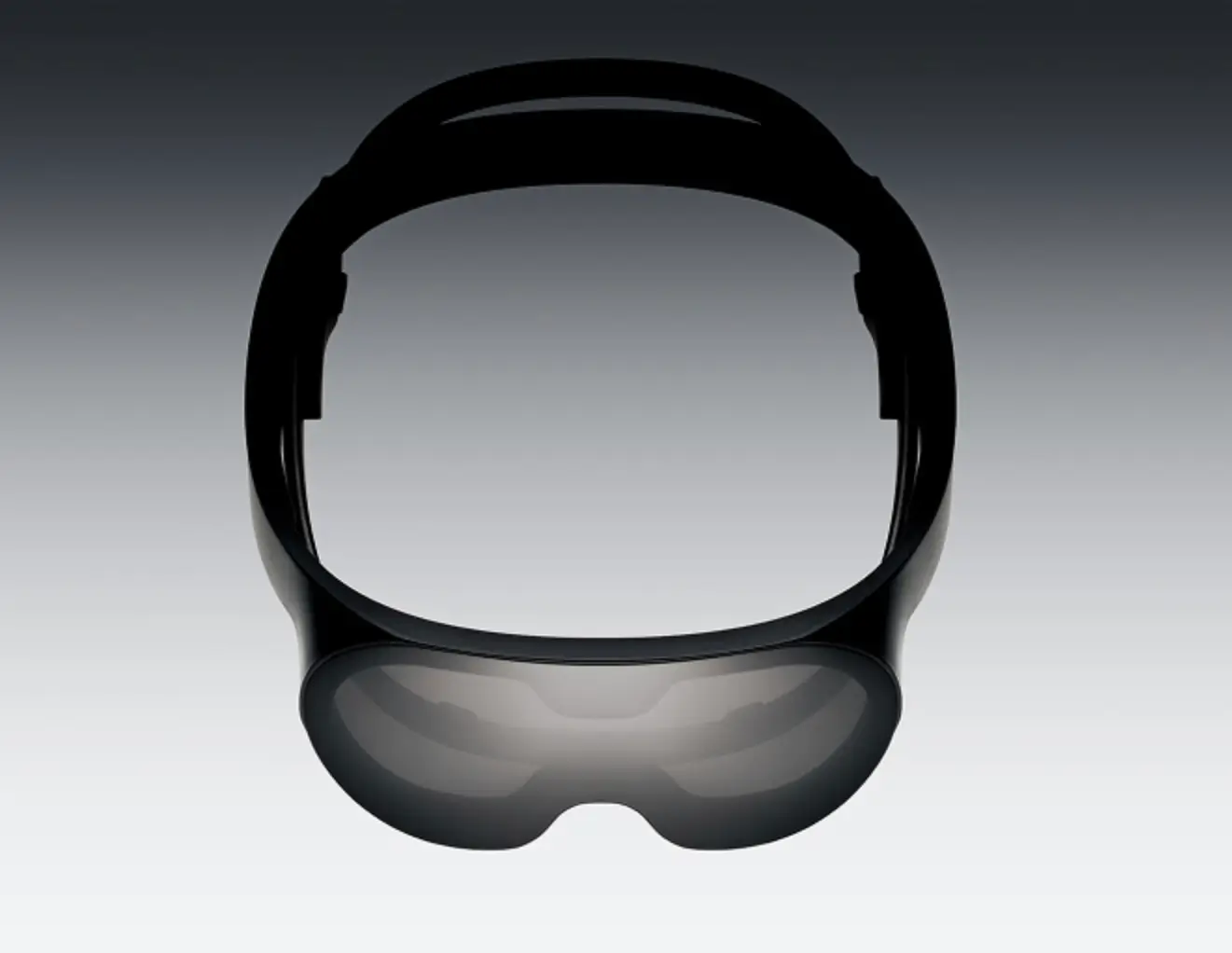
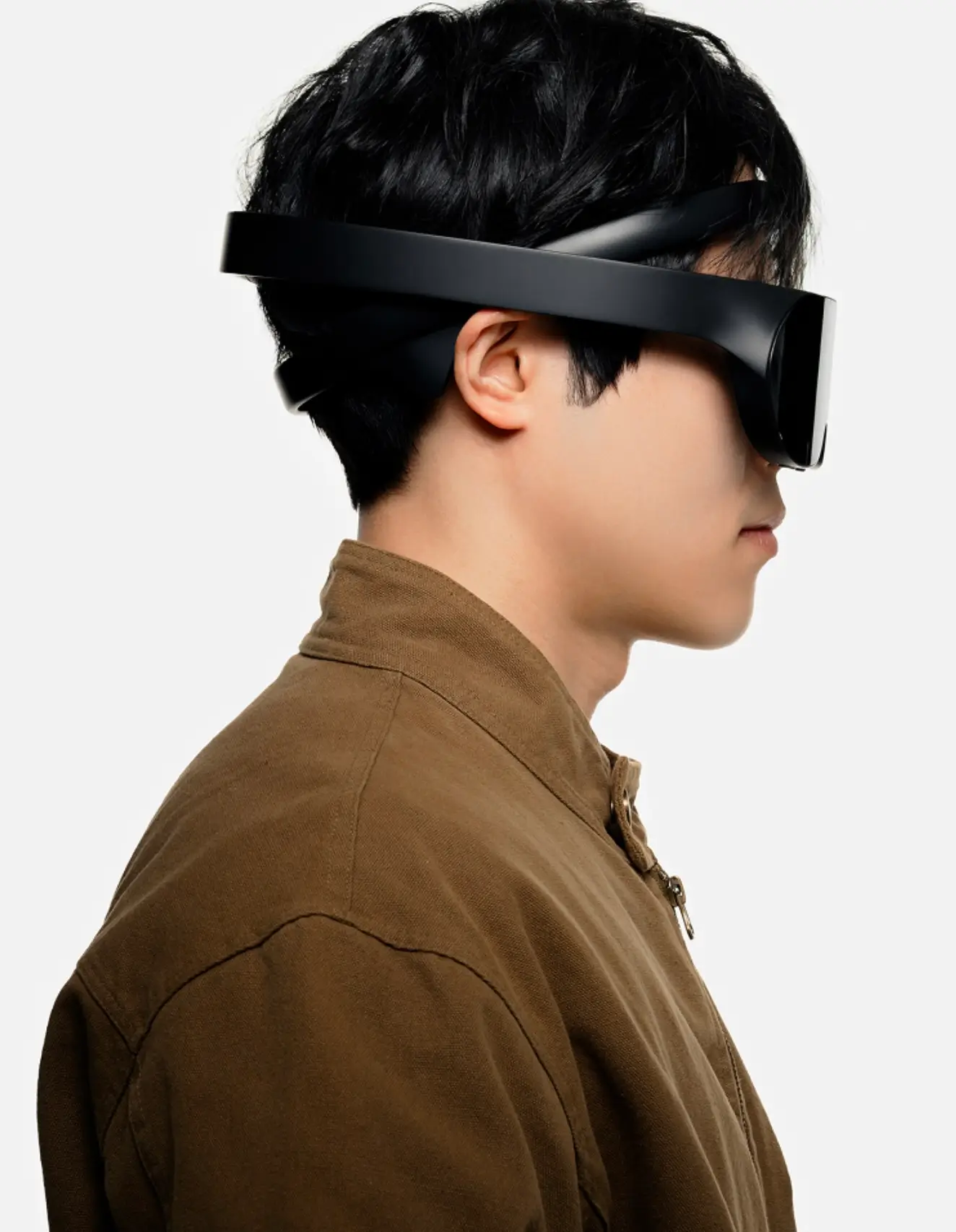
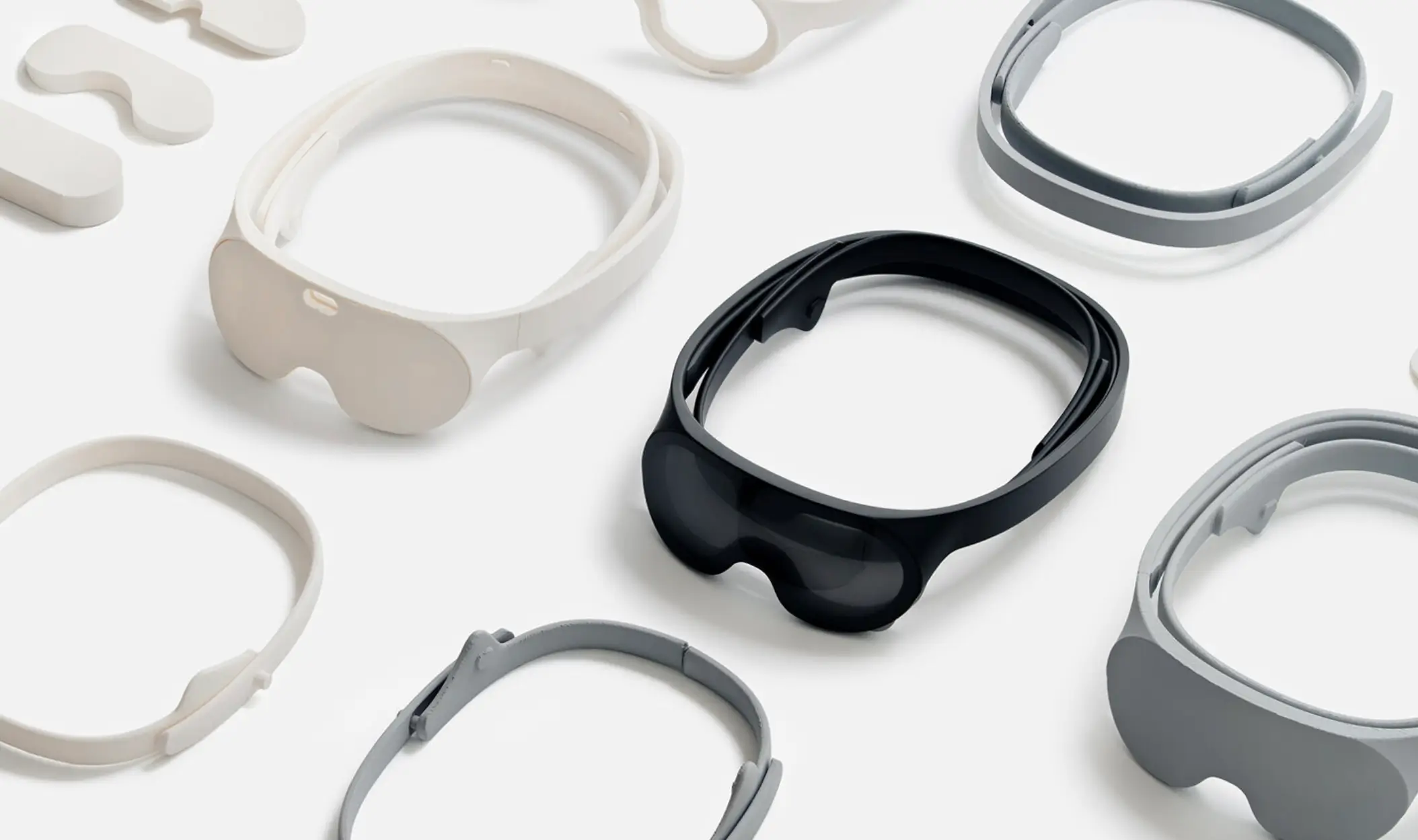
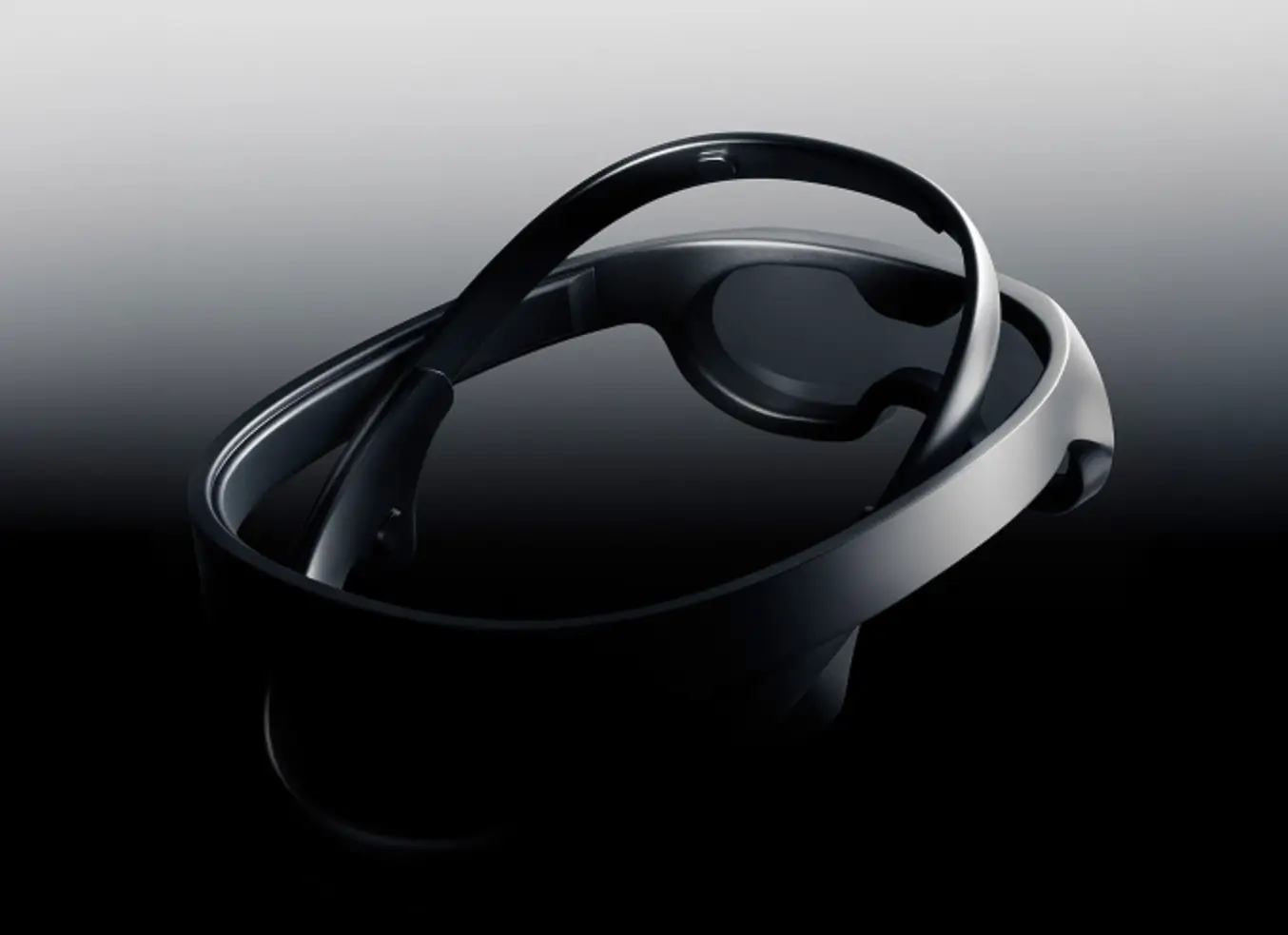
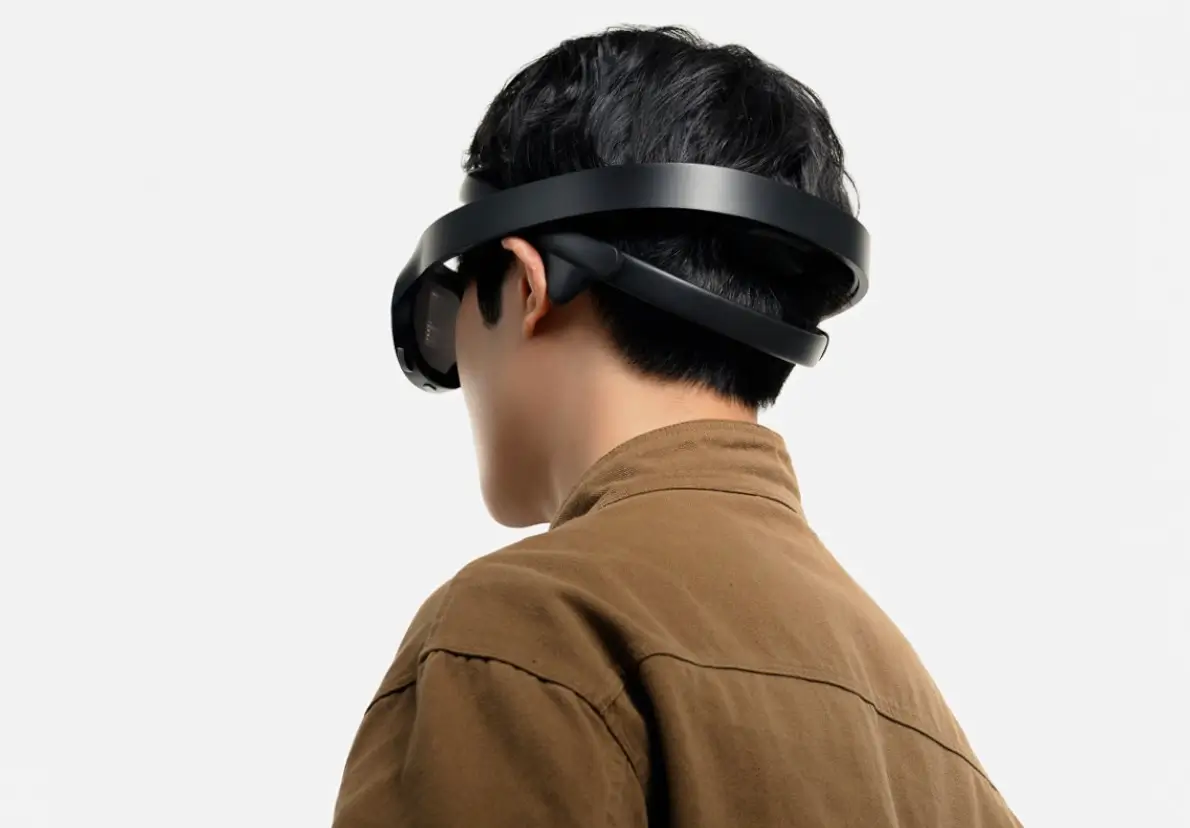
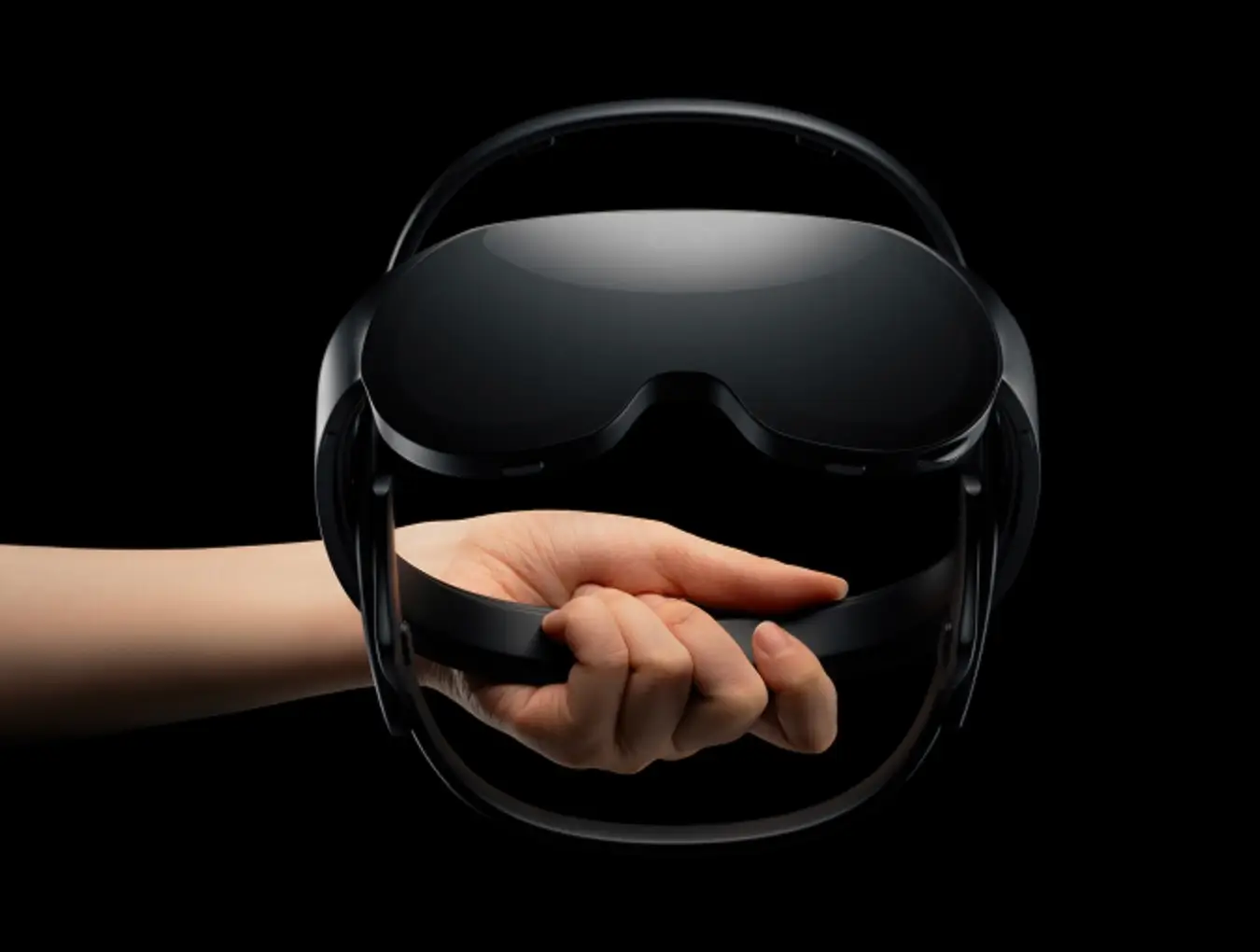
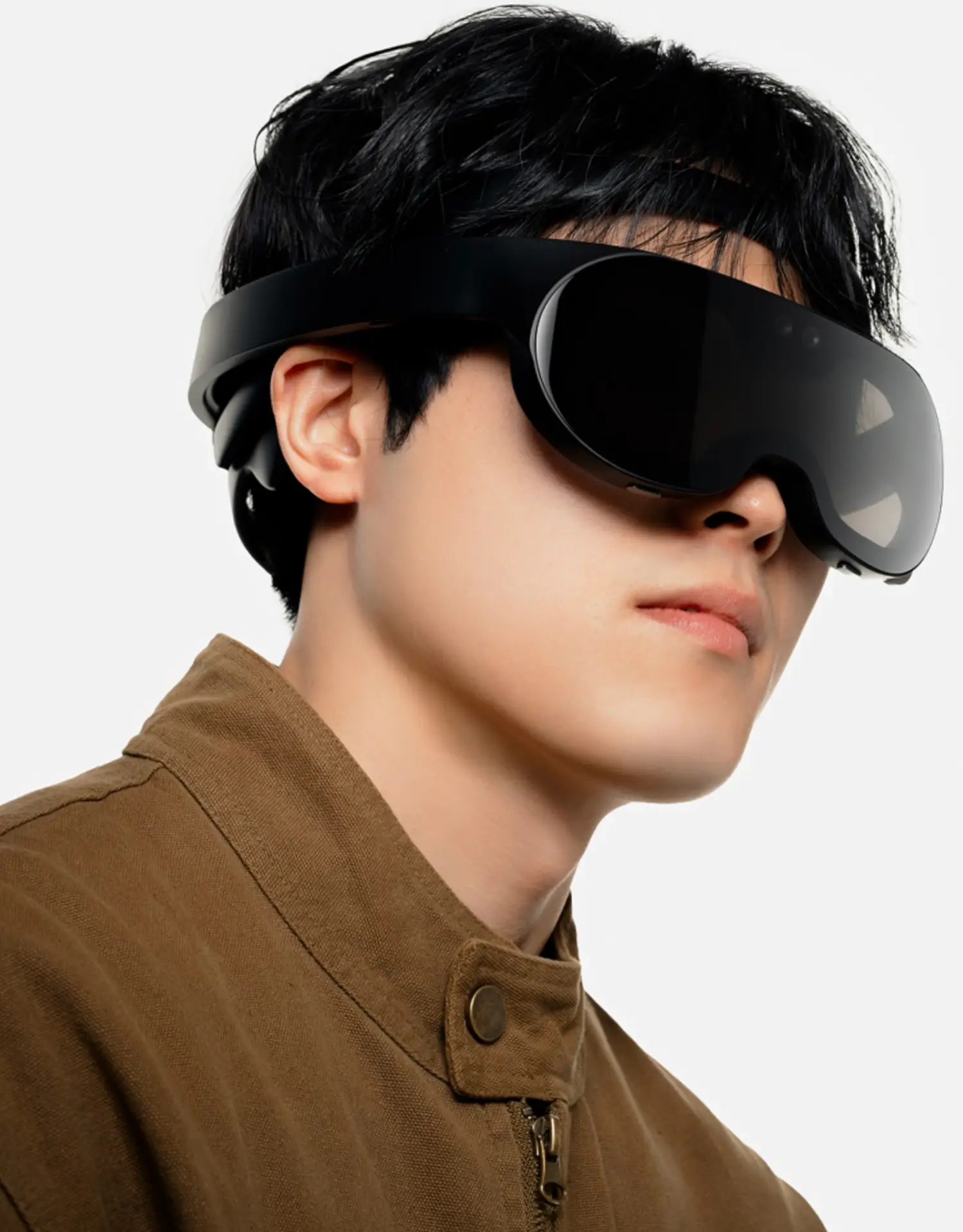
The structure is defined by two continuous loops. The outer loop traces a clear, uninterrupted line around the head, establishing a silhouette that is neither entirely utilitarian nor overtly decorative. The inner loop, less visible, carries the functional burden. It houses the EEG electrodes, positioned across the forehead and behind the ears with a precision that feels resolved rather than engineered.
This duality avails the object to exist in two registers simultaneously. Outwardly, it reads as an accessory—something considered, restrained. Internally, it performs the quiet work of sensing, maintaining a consistent dialogue with the user’s neural activity.
There is no attempt to dramatize this relationship. The electrodes are not emphasized. They are absorbed into the structure, as though the technology has been folded into the object rather than applied to it.
facilitate
EEG has long been associated with view—graphs, spikes, interpretations rendered in clinical language. LIZE removes that layer entirely. The data it collects remains largely unseen, translated instead into shifts within the user’s visual field.
This translation is where the device locates its purpose. When patterns associated with cognitive strain or overstimulation emerge, the augmented layer begins to adjust. Not abruptly, and not in a way that demands attention. It works more like a gradual recalibration.
Edges soften. High-contrast elements lose some of their intensity. Movement within the periphery becomes less insistent. Color temperature drifts toward a quieter spectrum. None of these changes are dramatic on their own. Together, they create a perceptual environment that feels less demanding.
As the user’s state shifts, so does the visual field. Clarity returns, but not all at once. It arrives in increments, following the same logic as the system that softened it.
less
Augmented reality, as it has been popularly imagined, tends toward accumulation. More layers, more data, more ways of interacting with what is already there. LIZE resists this entirely.
Its use of AR is subtractive. It edits rather than enhances. It introduces less, not more. In doing so, it reframes what augmentation might mean. Not an expansion of experience, but a refinement of it.
This is a subtle shift, but it carries weight. It suggests that the role of technology in daily life may not always be to increase capability or information density. Sometimes, its role might be to create distance—to make space where there was none.
a deter
There is a tendency in contemporary design to equate responsiveness with speed. Faster reactions, immediate feedback, systems that anticipate before the user acts. LIZE operates on a different tempo.
Its responsiveness is continuous but unhurried. It does not react to discrete inputs but to ongoing states. The brain is not issuing commands in this context; it is expressing conditions. LIZE reads those conditions and responds in kind, without urgency.
This creates a feedback loop that is less about control and more about alignment. The device is not something the user operates. It is something that accompanies, adjusting itself as the user moves through different cognitive states.
The absence of a traditional interface reinforces this. There are no controls to manipulate in the moment, no settings to tweak while wearing it. The interaction is ambient, embedded in the experience rather than layered on top of it.
aware
What LIZE ultimately engages with is not focus, but its limits. The moments when attention begins to fragment, when the environment feels too dense to process comfortably.
By addressing these edges rather than the center, the device takes on a different role. It is not there to sharpen performance or extend productivity. It is there to prevent the kind of cognitive flattening that makes everything feel equally loud.
In practical terms, this could mean a subtle dimming of visual complexity in a crowded urban setting. Or a reduction in competing visual signals within a digital workspace. The specifics are less important than the principle: that perception can be modulated in response to the mind, not just the environment.
idea
There is an inherent tension in any wearable device between presence and disappearance. It must exist physically, yet it should not dominate the user’s awareness. LIZE leans toward disappearance.
Its material language supports this. Surfaces are matte, absorbing rather than reflecting. Edges are softened. The object does not seek attention through contrast or detail. Instead, it maintains a kind of saw quietness.
Over time, this admits the device to recede from conscious awareness. It becomes part of the user’s baseline experience, something that is noticed only in its absence.
a consider
The introduction of brain sensing into everyday objects inevitably raises questions—about privacy, about interpretation, about the boundaries between user and system. LIZE’s conceptual stance is one of restraint.
The data it collects is used locally, in real time, to inform immediate adjustments. It is not positioned as something to be stored, analyzed, or shared beyond the moment. This limitation is not a constraint but a decision. It keeps the system focused on its primary function: supporting the user’s present experience.
In this sense, LIZE is less about innovation in the conventional, forward-driving sense, and more about recalibration. It asks what happens when technology is designed not to push further, but to step back.
sum
LIZE does not attempt to redefine the relationship between humans and technology in sweeping terms. Its gesture is smaller, more precise. It suggests that within the density of contemporary life, there is value in devices that do less, but do it with greater sensitivity.
It proposes that interfaces can recede, that responsiveness can be quiet, that perception itself can be shaped in ways that support rather than strain.
For overstimulated minds, this is not an opulent as the consensus may argue. It is a form of relief that does not need to announce itself.
And perhaps that is where LIZE finds its relevance—not in what it adds, but in what it allows to fall away.