FBI Recovers Stolen Andy Warhol Print Worth $175,000 from Private Collection

October 10, 2024
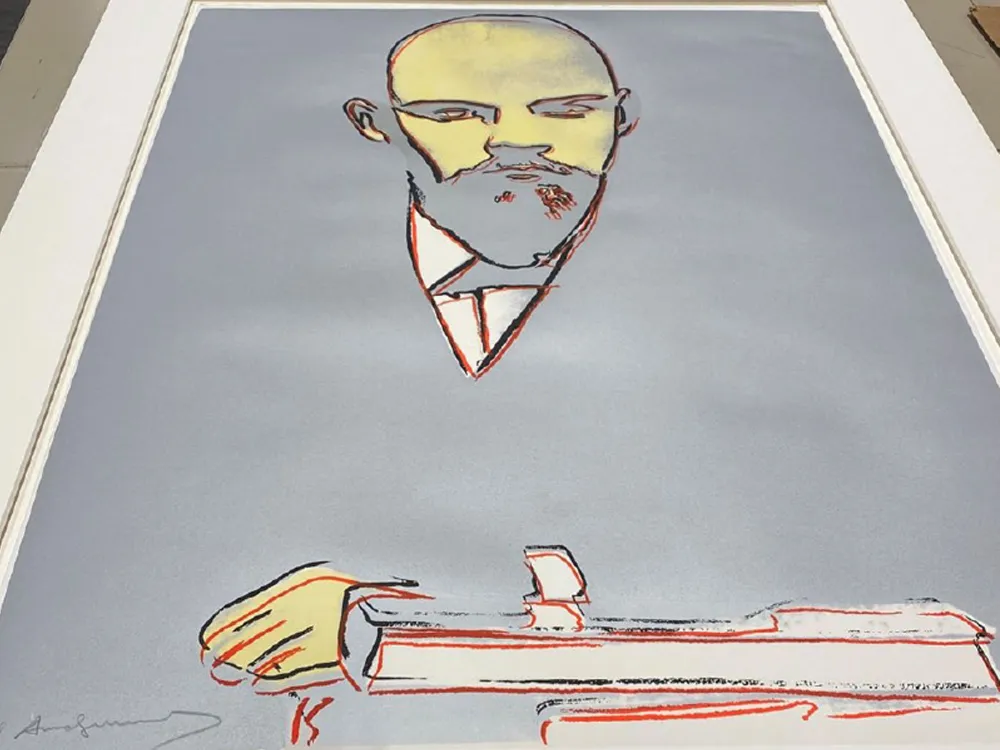
The FBI has successfully recovered an Andy Warhol print valued at $175,000 that went missing from a private California home in 2021. The disappearance of the artwork, which caused a stir in the art world, culminated in its unexpected reappearance at a Dallas auction house shortly after it vanished. Authorities have since tracked down the print, and a man is expected to plead guilty for trafficking the stolen artwork.
A High-Profile Heist and a Swift Recovery
The recovery of the Warhol print, which took place earlier this year, is the result of a multi-agency investigation led by the FBI’s Art Crime Team. The piece, which is part of Warhol’s celebrated series of pop art prints, was reported missing from a private residence in California in 2021. The theft left the art community on high alert, as stolen artworks, particularly those by artists of Warhol’s stature, often enter the murky underworld of black-market sales, making their recovery a daunting task.
However, in a surprising turn of events, the print surfaced at a Dallas auction house soon after it disappeared. Authorities were alerted when the auction house attempted to verify the provenance of the piece, a standard procedure for high-value artworks. Suspicious of its sudden appearance and inconsistent ownership history, the auction house cooperated with the FBI, leading to a breakthrough in the case.
The Print and Its Significance
The recovered artwork is believed to be part of Warhol’s iconic portfolio of prints that explored themes of celebrity, consumer culture, and mass production. Known for his distinctive style and use of vibrant colors, Warhol’s works are highly sought-after in the art market, often fetching millions at auction. This particular piece, valued at $175,000, was considered a prized possession by its original owner, who had acquired it years before it was stolen.
The print’s value is not only monetary but also cultural, as Warhol’s influence on contemporary art remains profound. His works have become emblematic of the 20th-century art movement, making any piece associated with his name a valuable addition to both private collections and public exhibitions.
A Man to Plead Guilty for Trafficking
The investigation into the stolen print has culminated in an arrest, with a man expected to plead guilty to charges of art trafficking. According to court documents, the suspect was involved in the sale and transportation of the stolen print, knowingly attempting to pass it off as a legitimate work with clear provenance. The plea deal indicates that the suspect will cooperate with authorities, potentially shedding light on how the print was stolen and brought to market so quickly after its disappearance.
The suspect’s plea is expected to result in a lighter sentence in exchange for information that could help law enforcement prevent future art thefts and recover other stolen works. The FBI has not disclosed whether the suspect acted alone or as part of a larger network, but the case highlights the ongoing challenges of tracking stolen art and bringing perpetrators to justice.
The Art Theft Crisis: A Global Issue
Art theft is a global issue that affects collectors, institutions, and museums alike. The illicit art trade is estimated to be worth billions of dollars annually, with stolen works often disappearing for decades before resurfacing—if they are ever found at all. Art theft cases like the Warhol print often involve complex webs of dealers, traffickers, and buyers, making it difficult to trace stolen items back to their original owners.
The recovery of the Warhol print is a rare victory in the fight against art crime. The FBI’s Art Crime Team, established in 2004, has recovered more than 15,000 items worth hundreds of millions of dollars. This success underscores the importance of collaboration between law enforcement, the art community, and the public in safeguarding cultural heritage.
Impression
For private collectors and museums, the theft of high-profile artworks like the Warhol print serves as a sobering reminder of the need for robust security measures. While insurance and provenance documentation are standard, they are not always enough to deter theft. Collectors are encouraged to invest in state-of-the-art security systems and to work closely with law enforcement to protect their collections.
Additionally, auction houses and art dealers play a crucial role in preventing the sale of stolen art. By conducting thorough provenance checks and cooperating with authorities, they can help ensure that stolen items are flagged and recovered before they disappear into the underground art market.
The recovery of the Andy Warhol print marks a significant victory for both the FBI and the broader art community. It is a testament to the diligence and expertise of law enforcement agencies, as well as the importance of vigilance and cooperation within the art world. As the suspect prepares to plead guilty, this case serves as a reminder that even the most valuable and seemingly untouchable works of art can be vulnerable to theft.

No comments yet.