Postocean: Exploring The Multidimensional Works Of Grażyna Smalej

November 8, 2024
Grażyna Smalej is a contemporary artist whose work defies conventional boundaries, blending elements of surrealism, nature, and emotional depth to create a unique visual and conceptual language. Her artistic philosophy, often encapsulated in the term “Postocean,” explores themes of interconnectedness, the subconscious, and the power of water as both a literal and metaphorical element. This exploration offers an in-depth look into her most notable themes, techniques, and the profound impact of her work on the contemporary art scene.
Defining Postocean: The term “Postocean” coined by Grażyna Smalej, suggests an exploration beyond the tangible aspects of the sea. While “ocean” might evoke thoughts of vast bodies of water teeming with life and mystery, “Postocean” shifts this idea to a more abstract plane, encompassing psychological, emotional, and existential dimensions. Smalej’s work in this context becomes a meditation on how humans relate to the primal and transformative power of water, not only as a natural force but as a symbol of the subconscious mind.
The Sea as Metaphor: Water is a recurring motif in art and literature, symbolizing life, change, and the unknown. For Smalej, the ocean embodies the depths of human experience and the realms of the subconscious, where thoughts and memories flow freely, untethered by conscious constraints. Postocean, therefore, suggests an exploration that moves past the superficial waves and delves deep into the currents that shape human existence.
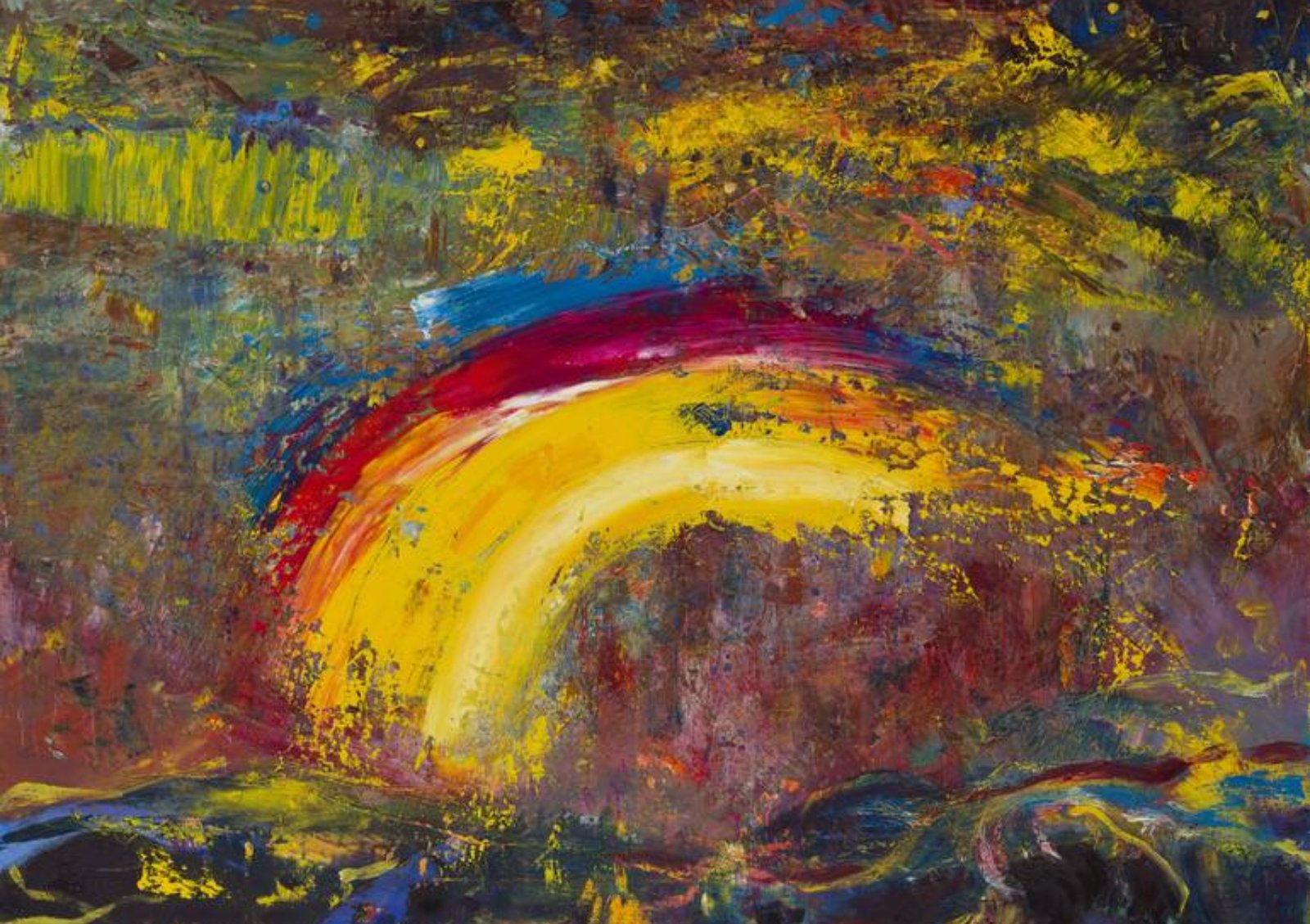
Visual Elements: Smalej’s visual palette often includes swirling blues, greens, and silvers, reminiscent of oceanic hues. She incorporates mixed media, combining traditional painting with textured elements such as sand, shells, and resin to give her pieces a tactile, three-dimensional quality. The effect is immersive; viewers feel as if they are looking through a window into an otherworldly sea that shifts and changes with every glance.
Symbolism and Imagery: Smalej’s art is known for its rich symbolism. Common motifs include water droplets that transform into tears, waves morphing into hair or fabric, and human figures that appear partially submerged or adrift. These images suggest themes of resilience, the ebb and flow of emotions, and the blending of human identity with nature.
Influences: Grażyna Smalej’s inspirations span a wide range of cultural and historical contexts. Her use of symbolism is reminiscent of the surrealists, particularly artists like Salvador Dalí and René Magritte, who manipulated reality to convey deeper truths. Additionally, elements of traditional Eastern European folklore, which often highlight the mysterious and the mystical, are evident in her thematic choices.
Human and Nature Symbiosis: One of Smalej’s most compelling themes is the relationship between humans and the natural world. In the Postocean concept, the boundaries between people and water dissolve, emphasizing humanity’s intrinsic connection to nature. This is not just a physical connection but a spiritual one, rooted in the idea that humans and water share an eternal, symbiotic bond.
Exploring Emotional Depths: Many of Smalej’s works are reflective of human emotions, particularly those that lie beneath the surface. Water serves as a metaphor for emotions that are deep, tumultuous, and sometimes hidden. Her paintings may depict a solitary figure gazing into an unfathomable abyss or surrounded by stormy waters, representing states of introspection, longing, or uncertainty.
Environmental Awareness: Although her work is deeply personal and psychological, there is an underlying current of environmental commentary in Smalej’s art. The Postocean concept subtly references the shifting relationship between humans and the environment, particularly how humanity’s disconnection from natural elements like the ocean can mirror broader ecological neglect. The use of organic materials in her art speaks to sustainability and the importance of preserving natural resources.
“Depths of Memory” Series: One of Smalej’s most acclaimed projects, this series features portraits of individuals whose faces appear submerged beneath shimmering layers of water. The effect is both haunting and beautiful, suggesting that memories are fluid and can change form over time. This series invites viewers to ponder how their past experiences have been shaped by emotional undercurrents and how those moments continue to influence the present.
“Tides of Thought”: This series leans into more abstract expressions, where waves and human forms merge seamlessly. The play of light and dark tones reflects shifting moods and thoughts, akin to the changing tides. Here, Smalej utilizes resin to create a glossy, water-like surface on her canvases, giving the pieces a sense of motion and depth.
International Exhibitions: Smalej’s work has been showcased in various galleries around the world, from Poland’s contemporary art hubs to renowned European art shows in cities like Berlin and Paris. These exhibitions have attracted attention for their ability to pull audiences into a reflective space, making them not just observers but participants in an emotional and sensory experience.
Jungian Influence: The psychological elements in Smalej’s Postocean concept are strongly influenced by Carl Jung’s theories on the collective unconscious. Jung believed that water often symbolizes the unconscious mind, holding not only individual memories and emotions but also the collective experiences shared by humanity. Smalej’s art resonates with this interpretation, inviting viewers to dive into the deeper waters of their psyches and explore their shared human essence.
Dreamscapes and Reality: Smalej’s work often straddles the line between dream and reality. Figures are depicted in states that seem neither fully awake nor asleep, evoking the liminal space where imagination and consciousness meet. This dreamlike quality encourages viewers to question what is real and what lies within the realms of their mind’s oceanic depths.
Impression
Emotional Resonance: Art critics and fans alike often note the powerful emotional resonance of Smalej’s work. Her ability to capture the subtle, often overlooked aspects of human emotion allows her audience to feel understood, as if their deepest thoughts and feelings have been translated into a visual language. This emotional honesty sets her apart from many of her contemporaries who may choose to pursue art that is more focused on intellectual abstraction or shock value.
Encouraging Reflection: The immersive quality of Smalej’s pieces encourages viewers to spend more time with each work, reflecting not only on what they see but on their own thoughts and experiences. In an age of fast-paced consumption, her art demands a pause—a moment of introspection that many find both challenging and rewarding.
Grażyna Smalej’s Postocean is more than just an artistic concept; it is a lens through which we can view the depths of human existence, emotional complexity, and the connections that bind us to the natural world. Through her innovative use of media, profound symbolism, and captivating imagery, she has carved out a space in the contemporary art world that challenges viewers to look beyond the surface and explore their own inner seas. The enduring appeal of Smalej’s work lies in its ability to evoke universal themes while remaining deeply personal and introspective, making her a true visionary in the ever-evolving landscape of modern art.