A 1920s Beach Buggy Is Among Our Favourite Finds at TEFAF Maastricht 2026

March 15, 2026
a fair
Each March, the quiet Dutch city of Maastricht becomes one of the most important cultural meeting points in the global art world. The arrival of TEFAF Maastricht transforms the Maastricht Exhibition & Conference Centre into a labyrinth of masterpieces, collectible design, antiquities, jewelry, and rare curiosities. For collectors, curators, designers, and editors, the fair offers something rare: a moment when centuries of creativity exist in dialogue under one roof.
The 2026 edition continues the tradition that has made TEFAF legendary. Known for its rigorous vetting standards and museum-level quality, the fair brings together dealers from across Europe, the United States, and Asia. Visitors wander between Old Master paintings, Renaissance sculptures, rare books, and contemporary design pieces that feel as futuristic as they do collectible.
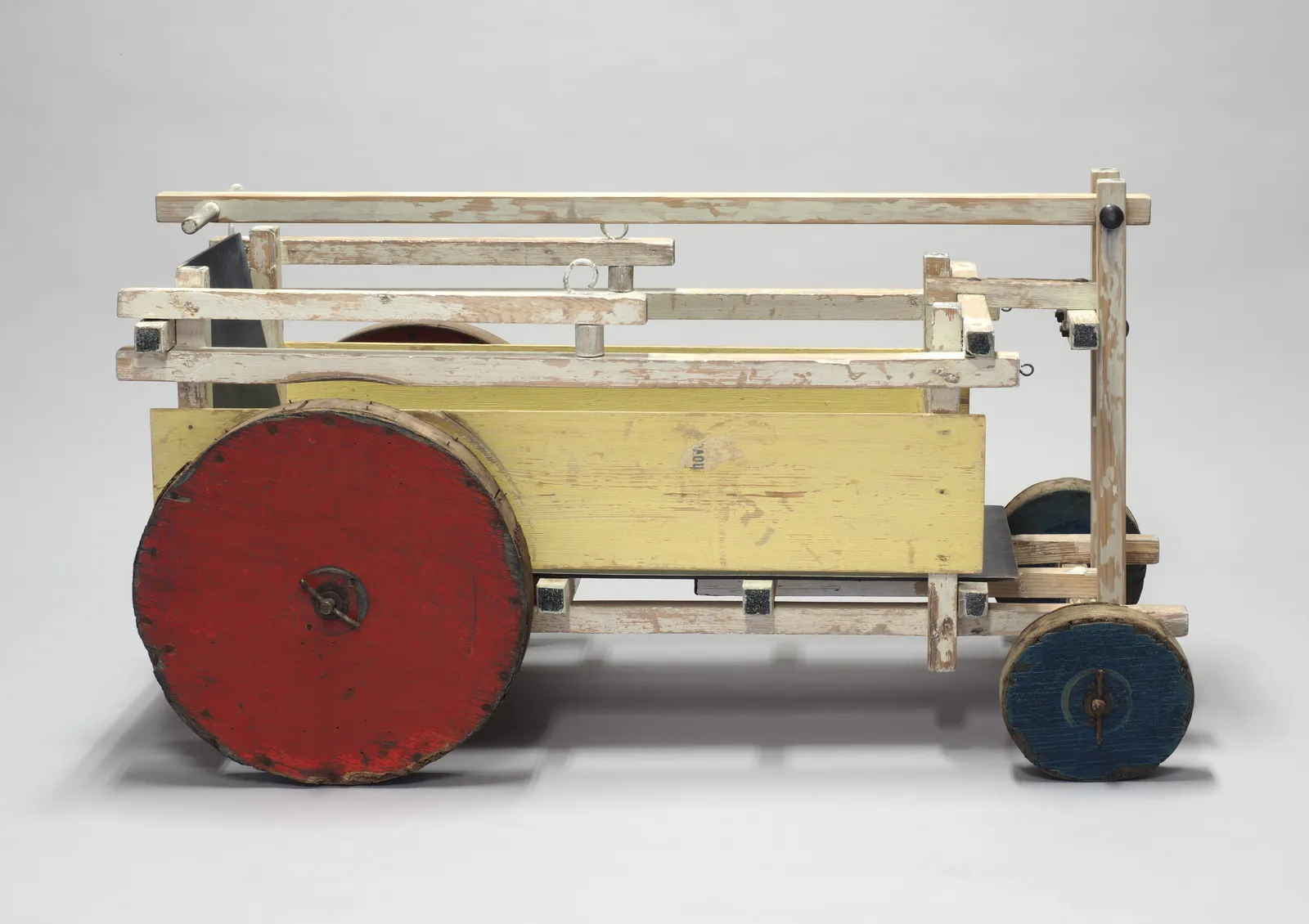
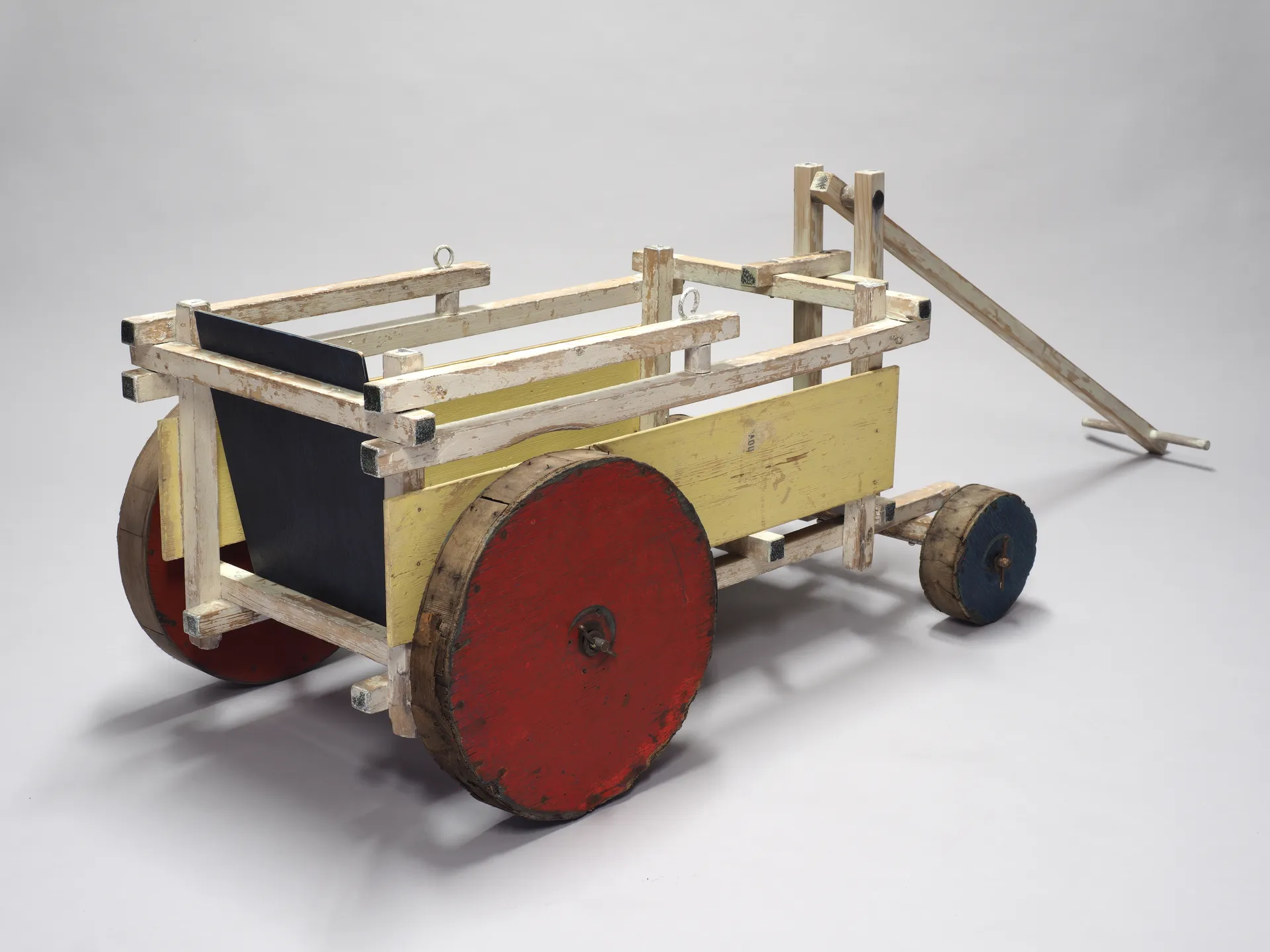
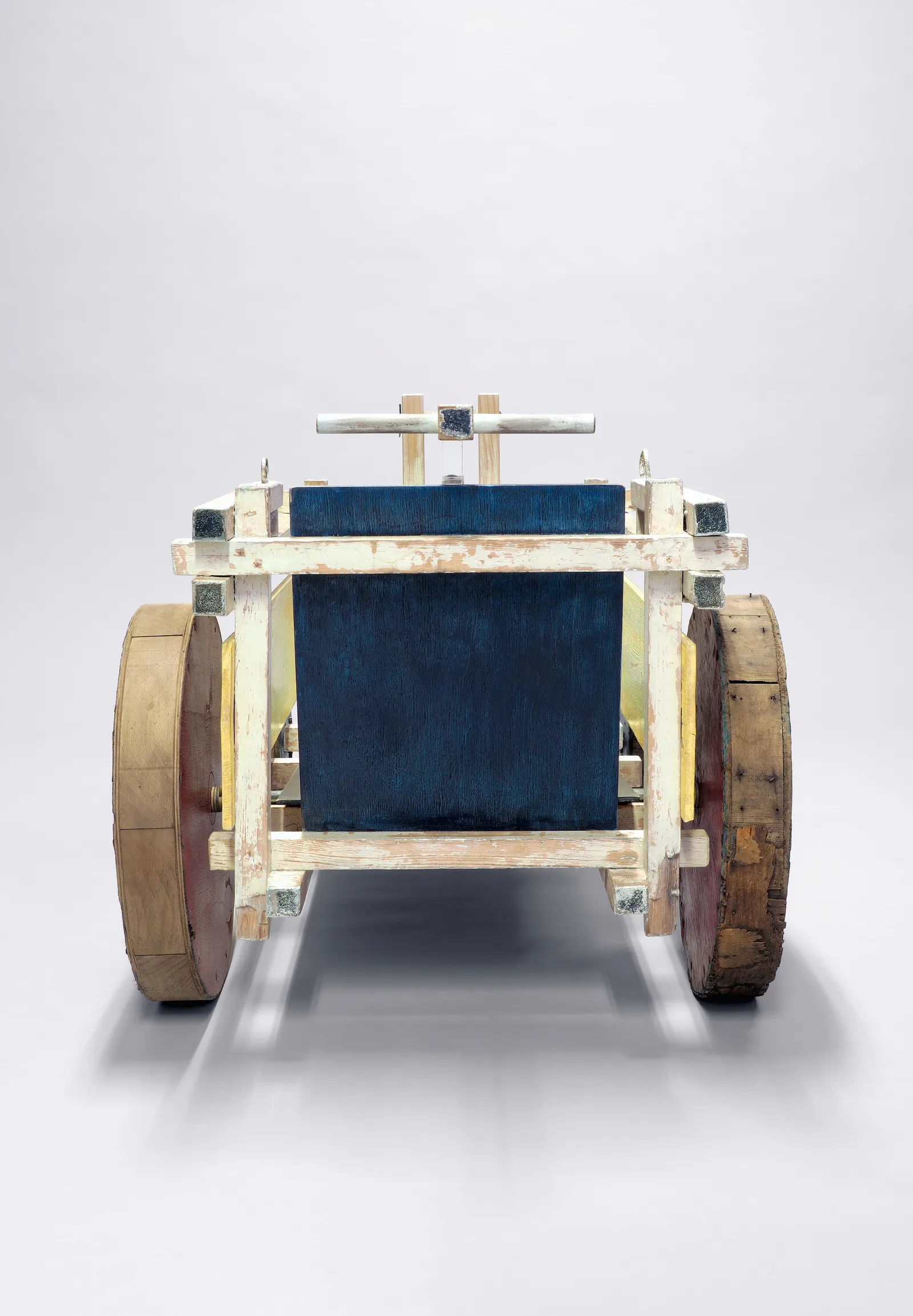
But among the paintings and furniture icons, one object has sparked particular fascination this year: a whimsical, almost cinematic vehicle from the early twentieth century — a 1920s beach buggy that feels like a playful artifact from another era.
Its presence highlights TEFAF’s broader philosophy. At this fair, history is not static. It is alive, surprising, and occasionally delightfully eccentric.
stir
Among the most memorable discoveries this year is a charming beach buggy dating from the 1920s, a vehicle that perfectly captures the optimism and leisure culture of the interwar period. Unlike the rugged dune buggies popularized decades later, early beach buggies were elegant curiosities — lightweight automobiles designed for seaside resorts and leisurely drives along coastal promenades.
This particular example resembles a piece of mobile furniture as much as a car. Its delicate bodywork, sometimes crafted from woven wicker or light metal framing, evokes the aesthetics of Riviera leisure culture. During the 1920s, such vehicles were used in glamorous coastal destinations across France and Italy, transporting guests between hotels, beaches, and seaside cafés.
Seen today, the buggy feels almost surreal. Its proportions are small and coltish, with an open structure that leaves passengers exposed to sun and sea air. Compared with contemporary automobiles, it reads more like a sculptural object — an artifact of lifestyle rather than transportation.
Collectors have grown increasingly interested in vehicles that sit between design, architecture, and industrial art. The beach buggy embodies exactly that hybrid appeal. It is a machine, certainly, but also a cultural object that reflects a particular moment when modern tourism, engineering, and design imagination converged.
At TEFAF, it functions almost like a time capsule. Visitors who pass by often pause, smile, and imagine what a day at the seaside might have looked like a century ago.
View this post on Instagram
flow
Beyond whimsical historical finds, TEFAF Maastricht is also a major destination for collectors of twentieth-century and contemporary design. The 2026 edition features museum-quality works by figures whose ideas reshaped architecture and furniture alike.
One of the most influential names on display is Gerrit Rietveld. The Dutch designer, closely associated with the De Stijl movement, revolutionized modern furniture in the early twentieth century. His iconic Red Blue Chair — composed of intersecting planes and primary colors — remains one of the most recognizable objects in modern design history.
At TEFAF, Rietveld’s works remind visitors how radical the early modernists truly were. His furniture rejected traditional ornamentation and instead explored geometry, abstraction, and the relationship between color and structure. Even today, the designs feel astonishingly contemporary.
Equally compelling are works by Italian architect and designer Osvaldo Borsani. As the founder of Tecno, Borsani played a central role in shaping post-war Italian design. His furniture merges engineering precision with sculptural elegance, creating pieces that appear both functional and expressive.
Collectors at the fair have been particularly drawn to Borsani’s experimental tables and seating, many of which incorporate mechanical innovations and unusual materials. These works capture a moment when Italian design was redefining the relationship between craftsmanship and industrial production.
The fair also highlights futuristic works inspired by the late architect Zaha Hadid. Known globally for her groundbreaking architectural projects, Hadid’s design objects translate the fluid geometry of her buildings into furniture. The pieces resemble liquid sculptures — sweeping curves rendered in polished metals, resins, or advanced composites.
Placed within the context of TEFAF, Hadid’s designs demonstrate how collectible furniture continues to evolve. What once seemed futuristic has become a defining aesthetic of contemporary design culture.
collect
The presence of these designers at TEFAF reflects a broader shift in the art market. Over the past two decades, collectible design has emerged as one of the fastest-growing categories in global auctions and galleries.
Unlike mass-produced furniture, collectible design occupies a space closer to sculpture or fine art. Pieces are often produced in small editions or as unique works, blurring the boundaries between functionality and artistic expression.
This evolution has transformed the way collectors approach furniture. A chair is no longer simply something to sit on; it can also be a cultural statement, an investment object, and a symbol of design history.
TEFAF plays a significant role in this transformation. Because of the fair’s strict vetting process — often compared to museum standards — collectors feel confident acquiring objects that might later appear in institutional exhibitions.
In recent years, museums themselves have begun collecting design more aggressively. Major institutions across Europe and North America now display furniture alongside contemporary art, recognizing its cultural significance.
The mix of objects at TEFAF — from a playful 1920s beach buggy to avant-garde furniture — reflects this expanded definition of art.
why
What makes TEFAF Maastricht unique is not simply the quality of objects on display but the conversations they create.
At most art fairs, works are grouped by category or period. TEFAF takes a different approach. Antiquities may appear near modern design; Renaissance paintings may sit a few aisles away from contemporary sculpture.
This curatorial diversity encourages visitors to look at history differently. A 1920s beach buggy suddenly becomes part of the same cultural conversation as Rietveld’s geometric furniture or Hadid’s futuristic forms.
The result is a fair that feels less like a marketplace and more like a living museum. Dealers, curators, architects, and collectors wander through the aisles discussing provenance, craftsmanship, and design philosophy.
For design enthusiasts in particular, TEFAF offers something rare: the chance to see objects that rarely appear outside private collections.
fin
Perhaps the most memorable aspect of TEFAF is its ability to surprise.
Visitors may arrive expecting to see masterpieces by famous painters or rare historical artifacts. Instead, they often leave talking about unexpected discoveries — a strange object, an unusual design, or a story embedded within an everyday artifact.
This year, the humble 1920s beach buggy has become one of those conversation pieces. In a fair filled with million-dollar artworks, the buggy’s charm lies not in its rarity alone but in its personality.
It reminds visitors that design history is filled with playful experiments, moments when creativity spilled beyond traditional categories.
And in that sense, the vehicle perfectly captures the spirit of TEFAF itself — a place where the past, present, and future of design meet in surprising ways.

No comments yet.