A Dark Fantasy Returns: Coraline’s Impression and Legacy 15 Years On

October 5, 2024
1 year ago
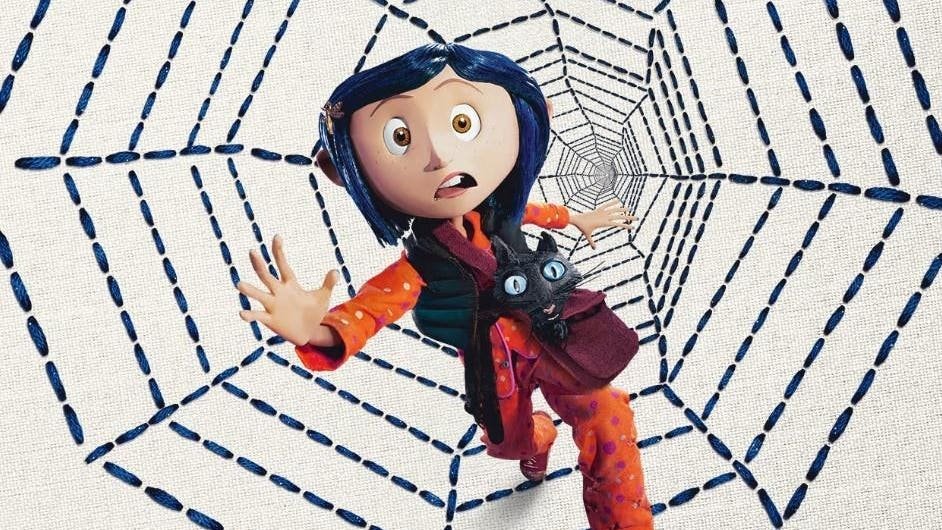
In a cinematic landscape often dominated by sequels, reboots, and reimaginings, it’s rare for a film to be re-released in theaters and generate a wave of excitement akin to its original debut. Yet, when Coraline, the visually arresting stop-motion feature by Laika Studios, returned to theaters for its 15th anniversary run, audiences once again flocked to see the dark fantasy that has captivated viewers for over a decade. Based on Neil Gaiman’s novella of the same name, Coraline has carved a unique niche in the pantheon of animated films, becoming a beloved modern classic celebrated for its haunting visuals, complex themes, and daring approach to storytelling.
As the film makes its triumphant return to the big screen, it’s worth taking a critical look at what makes Coraline such a powerful and enduring work of art. What is it about this eerie tale of a young girl discovering an alternate, sinister world that resonates so deeply with audiences? How does the film manage to maintain its relevance in a genre that’s seen significant technological advancements and shifts in narrative focus? And, more importantly, what does Coraline’s re-release say about the state of animation and fantasy filmmaking today?
A Visual Feast: Laika’s Mastery of Stop-Motion Animation
From the opening frame, Coraline distinguishes itself as a work of meticulous craftsmanship. Laika Studios, known for its commitment to stop-motion animation, created a film that is as much a triumph of visual artistry as it is a compelling narrative experience. The painstakingly detailed sets, characters, and props were all handcrafted, and the result is a world that feels both tangible and dreamlike—a visual paradox that enhances the film’s exploration of reality and fantasy.
The animation’s tactile quality is one of Coraline’s defining features. There’s a certain magic to watching physical objects move and emote on screen in a way that CGI, for all its brilliance, cannot replicate. Each movement of Coraline, the titular character, is imbued with a sense of weight and presence, making her journey through the unsettling “Other World” feel eerily real. This tangible aesthetic is heightened by Laika’s use of lighting, shadows, and color contrasts to distinguish between the drabness of Coraline’s reality and the vibrant, almost too-perfect allure of the “Other” house. The film’s palette shifts from muted tones to eye-popping hues, signaling the protagonist’s transition between worlds and subtly foreshadowing the darkness lurking beneath the surface.
As Coraline returns to theaters, audiences are reminded of the unique power of stop-motion animation to create worlds that are simultaneously familiar and alien, inviting viewers to step into a narrative space that feels alive and unpredictable. This return also highlights the challenges facing the medium: despite the film’s success and Laika’s continued output, stop-motion remains a niche within the broader animation industry, overshadowed by the dominance of CGI and digital techniques. Coraline’s theatrical re-release serves as both a celebration of the medium and a rallying cry for the continued appreciation of handcrafted animation.
Thematic Depth: Fear, Agency, and the Complexity of Childhood
Beyond its visual splendor, Coraline stands out for its thematic complexity. While many animated films cater primarily to children, often simplifying their narratives and themes, Coraline refuses to shy away from darker subject matter. It tackles fear, loneliness, and the desire for autonomy with a maturity that respects the intelligence of its audience, regardless of age. The film’s central narrative—a young girl discovering a parallel world that at first seems idyllic but gradually reveals itself to be nightmarish—is a powerful metaphor for the struggles of growing up.
At the heart of Coraline is the tension between desire and reality. Coraline Jones, feeling neglected by her overworked parents, yearns for attention and excitement. The “Other World,” with its attentive “Other Mother” and fantastical versions of her mundane life, offers her everything she thinks she wants. But as the facade crumbles and the true nature of the “Other Mother” is revealed—an entity that seeks to entrap Coraline by sewing buttons over her eyes—the film delves into deeper psychological territory. This transformation of the “Other Mother” from a comforting figure to a monstrous captor echoes the real-world anxiety of realizing that what we desire might not always be what’s best for us.
Coraline’s journey, then, is not just a physical adventure but an emotional and psychological one. She learns to assert her independence, confront her fears, and accept her reality, even if it’s imperfect. This nuanced portrayal of childhood as a time of both wonder and fear, of longing and resistance, resonates with audiences because it reflects the complexities of our own inner worlds. As Coraline returns to theaters, it reasserts its place as one of the few animated films that dares to treat children’s emotions with the same gravity and respect as those of adults.
The Importance of Sound and Music: Creating an Atmosphere of Unease
One of the most underappreciated aspects of Coraline is its sound design and musical score, both of which play crucial roles in building the film’s unsettling atmosphere. Composer Bruno Coulais created a soundtrack that, like the visuals, oscillates between the whimsical and the eerie. The use of unconventional instruments, dissonant melodies, and ethereal choral arrangements adds a layer of auditory unease that complements the film’s visual disquiet.
The sound design, too, is masterful in its subtlety. The creaking of the “Other” house, the skittering of the ghost children trapped within its walls, and the almost imperceptible whispers of the “Other Mother” as she manipulates Coraline—all of these elements work together to create a soundscape that heightens the tension and reinforces the film’s themes of entrapment and deception. As the film shifts between worlds, the soundscapes change as well: Coraline’s real world is marked by everyday noises—keyboards clacking, doors opening and closing—while the “Other World” is filled with distorted, almost musical sounds that evoke a dreamlike quality.
The return of Coraline to theaters presents an opportunity for audiences to experience these auditory details in a way that home viewings simply cannot replicate. In the immersive environment of a theater, the sound design envelops the viewer, making the film’s creeping dread and escalating tension all the more palpable.
The Legacy of Coraline: A Blueprint for Animated Horror
Fifteen years after its initial release, “Coraline” continues to influence both the animation and horror genres. It set a precedent for what animated films could achieve by embracing horror elements not typically associated with “family-friendly” content. Films like “ParaNorman”, “The Boxtrolls”, and more recently, “Wendell & Wild”, owe a debt to “Coraline” for paving the way for darker narratives within the medium of animation. By proving that animated films could tackle mature themes without alienating younger audiences, “Coraline” expanded the possibilities for what stories could be told through animation.
The film’s success also sparked a resurgence of interest in Neil Gaiman’s work and in adaptations of his stories. Gaiman’s ability to blend the whimsical with the macabre, the ordinary with the extraordinary, has made his work a natural fit for film and television, as seen in subsequent adaptations like “The Sandman” and “Good Omens”. Coraline’s return to theaters serves as a reminder of the power of Gaiman’s storytelling and its ability to transcend mediums.
Impression
In a world that feels increasingly complex and, at times, terrifying, Coraline’s themes of facing one’s fears and accepting the imperfections of reality are perhaps more relevant than ever. The film’s depiction of a young girl navigating a world that often seems indifferent or hostile mirrors the experiences of many today, who grapple with uncertainty and anxiety in their own lives. The “Other World” that promises to fulfill Coraline’s desires, only to turn on her, can be seen as a metaphor for the false promises of escapism in our digital age—social media, virtual realities, and curated online personas that offer a temporary reprieve but ultimately leave us feeling hollow.
As Coraline returns to theaters, it invites audiences to confront these modern dilemmas through the lens of fantasy. It’s a film that challenges us to question what we truly want and what we’re willing to sacrifice to get it. It’s a story that, like all great fairy tales, offers wisdom wrapped in wonder and fear.