A Monogram Reconsidered: about:blank’s Brown/Ecru Cap

April 2, 2026
39 minutes ago
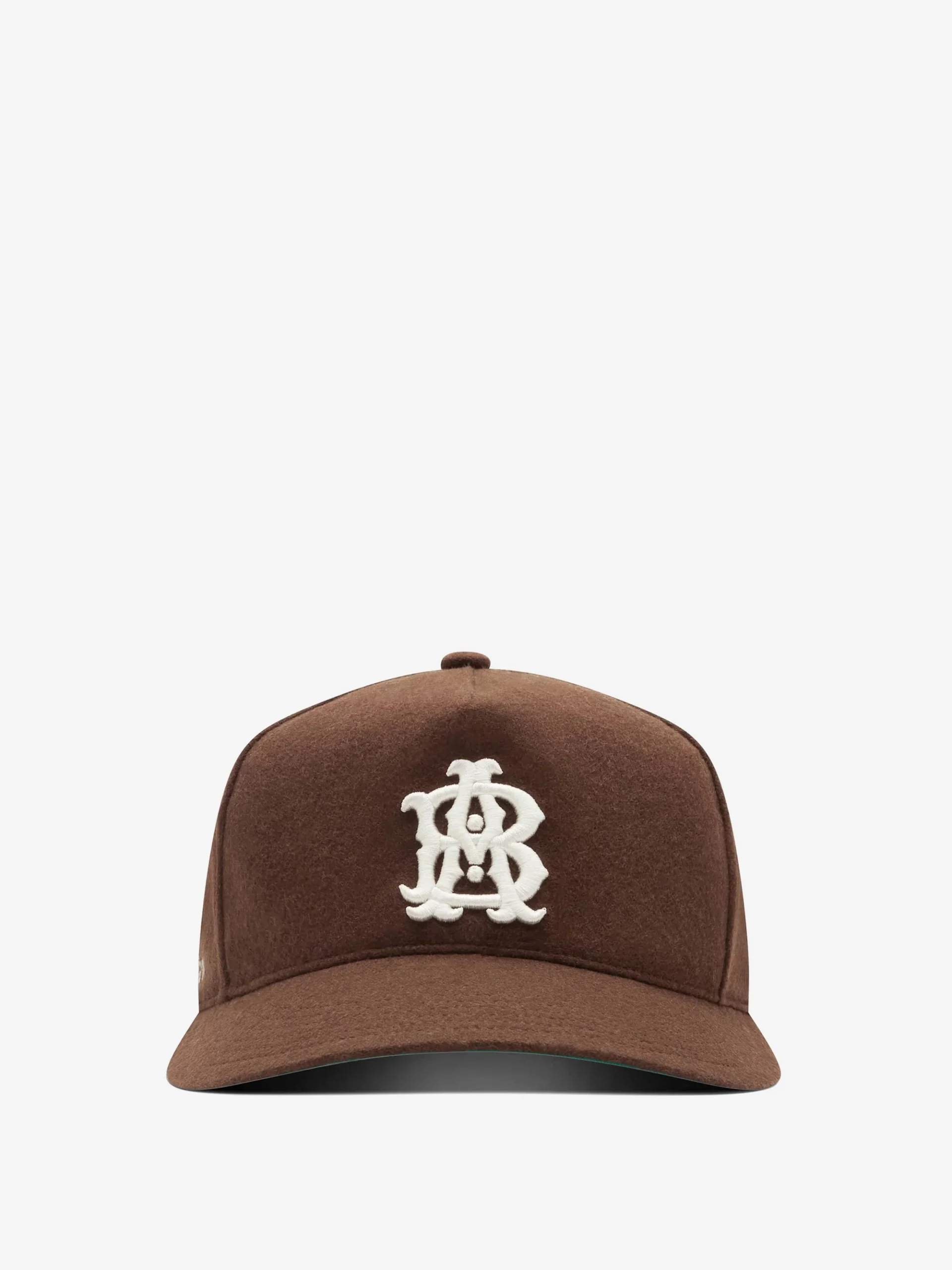
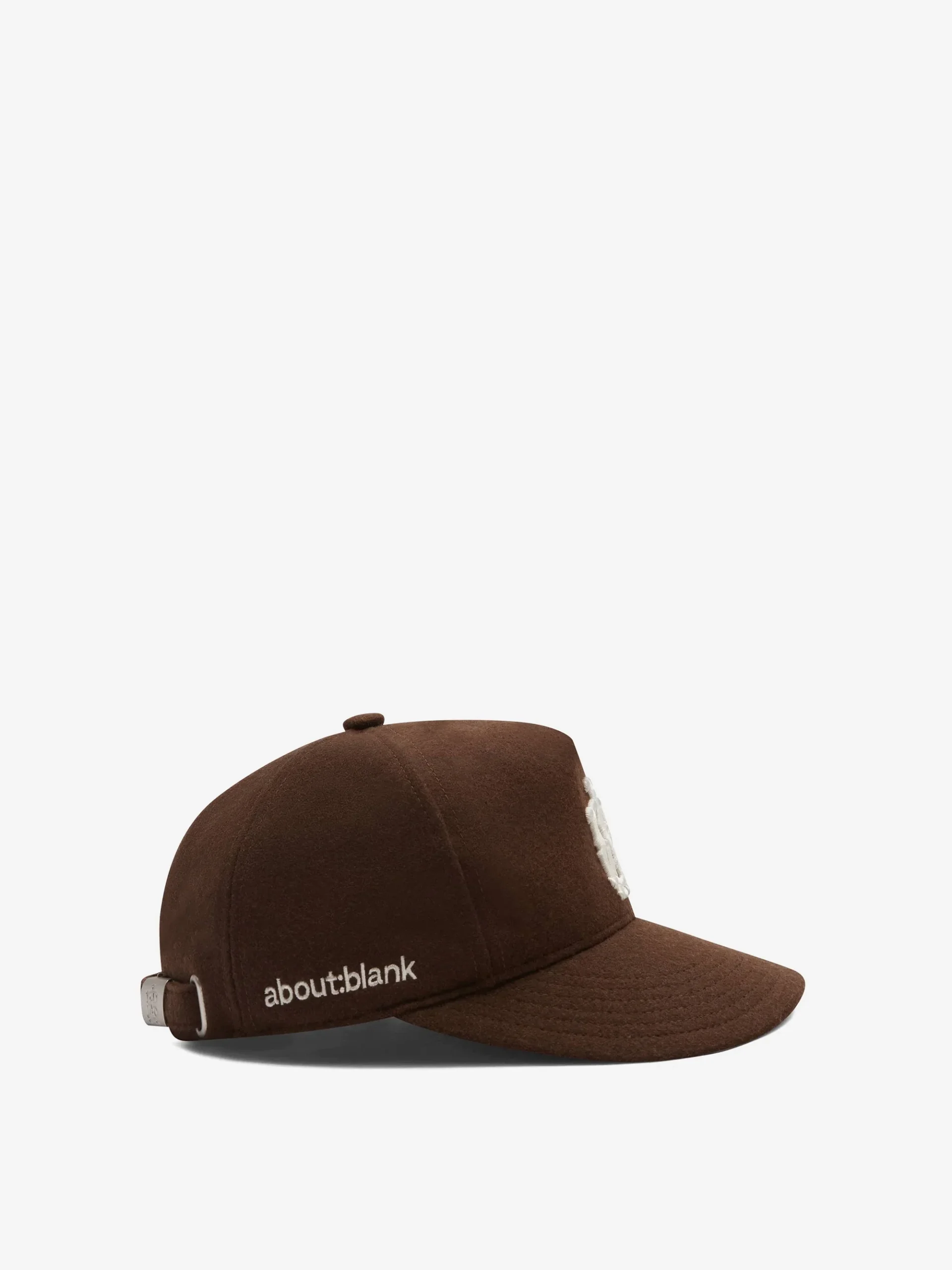
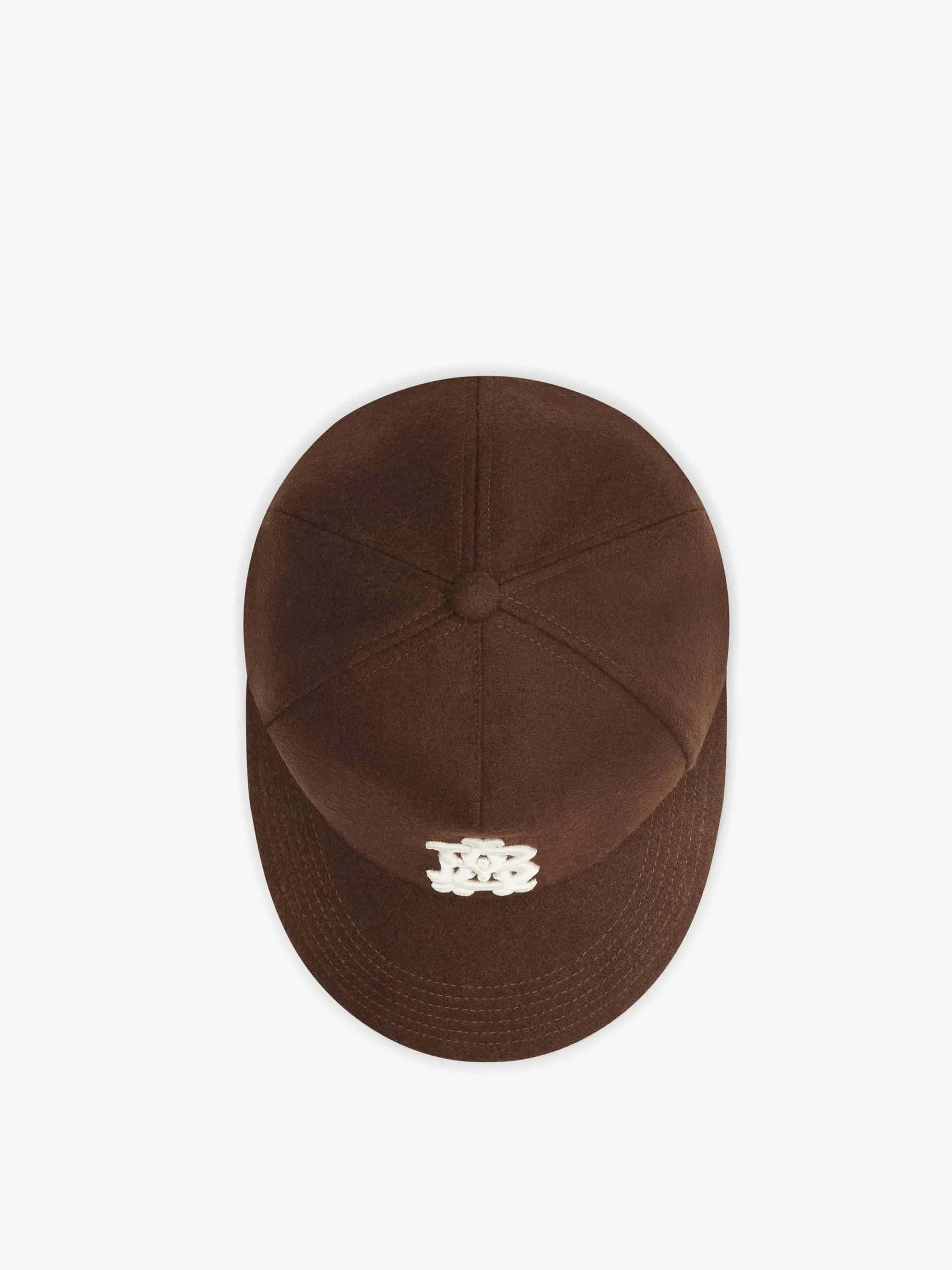
The baseball cap is one of the most elected objects in modern dress—born in sport, absorbed into streetwear, and ultimately refined by haute. What about:blank achieves with its Monogram Cap in Brown/Ecru is not reinvention, but recalibration. It sits at the intersection of heritage and restraint, where a familiar silhouette is quietly elevated through fabrication, proportion, and cultural timing.
To register its relevance now is to trace the cap’s evolution—not as an accessory, but as a signal.
View this post on Instagram
flow
The baseball cap began, quite literally, as equipment. By the mid-20th century, it was standardized: six panels, curved brim, adjustable back. Its function was clarity—shielding vision, unifying teams. But as sport bled into everyday life, the cap detached from its original purpose.
By the 1990s and early 2000s, caps became identifiers—logos front and center, affiliations declared. Think of New Era fitteds in hip-hop, or sports franchises embedded into personal identity. Visibility was the point.
What followed in the 2010s was a shift. As minimalism and luxury streetwear gained ground, branding softened. Labels like about:blank emerged in a landscape shaped by post-logo fatigue—where the absence of overt messaging became its own form of distinction.
The Monogram Cap exists within that lineage. Its embroidery is present, but not performative. Its identity is embedded, not announced.
why
Most caps remain rooted in cotton twill—a fabric synonymous with durability and casual ease. about:blank’s decision to use a wool-rich polyester blend alters the conversation entirely.
This is not just a seasonal pivot; it reflects a broader movement in contemporary fashion toward textural layering. As wardrobes have become more modular—built around coats, overshirts, and knitwear—the cap has followed suit. It is no longer a summer afterthought but a year-round component.
The wool blend introduces:
- Thermal relevance for colder months
- Structural integrity, maintaining its form over time
The result is a cap that aligns with autumn/winter dressing without feeling forced. It belongs alongside brushed wool coats, heavy jerseys, and tailored outerwear—not as contrast, but as extension.
grad
Color, here, is not incidental. The deep brown base speaks to a wider shift in palette across fashion—away from stark monochromes and toward earth-derived tones. Browns, taupes, and muted neutrals have quietly replaced black as the foundation of contemporary styling.
Ecru, meanwhile, functions as a soft counterpoint. It is not white, not cream, but something in between—less sterile, more organic. The embroidered monogram in ecru creates a tonal dialogue rather than a graphic interruption.
This pairing reflects a larger trend: contrast without aggression. Where previous eras relied on bold color blocking or high-contrast logos, current design language favors subtle differentiation.
The cap becomes legible only upon closer inspection.
form
One of the defining characteristics of the about:blank cap is its structured silhouette.
Unlike unstructured “dad hats,” which collapse and crease, this cap maintains a composed shape. The crown holds its form, the brim remains controlled, and the overall profile feels deliberate.
This matters because structure signals intention.
- A soft, unstructured cap reads as casual, almost incidental
- A structured cap reads as considered, part of a larger composition
about:blank leans into the latter. The cap is not an afterthought—it is an anchor point.
The inclusion of details like a metal back fastener and visor-wide brim further reinforces this sense of design precision.
style
Monograms have historically been associated with luxury—think heritage houses where repeating logos became status symbols. But in the current climate, monograms have been reinterpreted.
They are no longer about saturation. They are about placement, scale, and restraint.
The about:blank monogram is rendered in 3D embroidery, giving it physical presence without visual dominance.
It exists as a tactile detail—something you notice up close, not from across the room.
This aligns with a broader cultural shift:
- From recognition at distance → to discovery at proximity
- From brand-first dressing → to material-first dressing
The cap participates in branding, but on quieter terms.
climate
The Monogram Cap lands at a moment where several macro trends converge:
Elevated Basics
Wardrobes are increasingly built around refined essentials rather than statement pieces. The cap fits this model—familiar, but upgraded.
Seasonal Fluidity
Accessories are no longer siloed by season. A wool-blend cap extends the lifecycle of a traditionally summer item into colder months.
Texture Over Print
Rather than relying on graphics, designers are leaning into fabric and finish. The cap’s tactile surface reflects this shift.
Quiet Haute Adjacency
While not explicitly positioned as luxury, the cap borrows from that ethos—subtle branding, premium materials, controlled palette.
appeal
The strength of the about:blank cap lies in its ability to integrate seamlessly into a look.
It pairs naturally with:
- Long wool coats in camel, charcoal, or olive
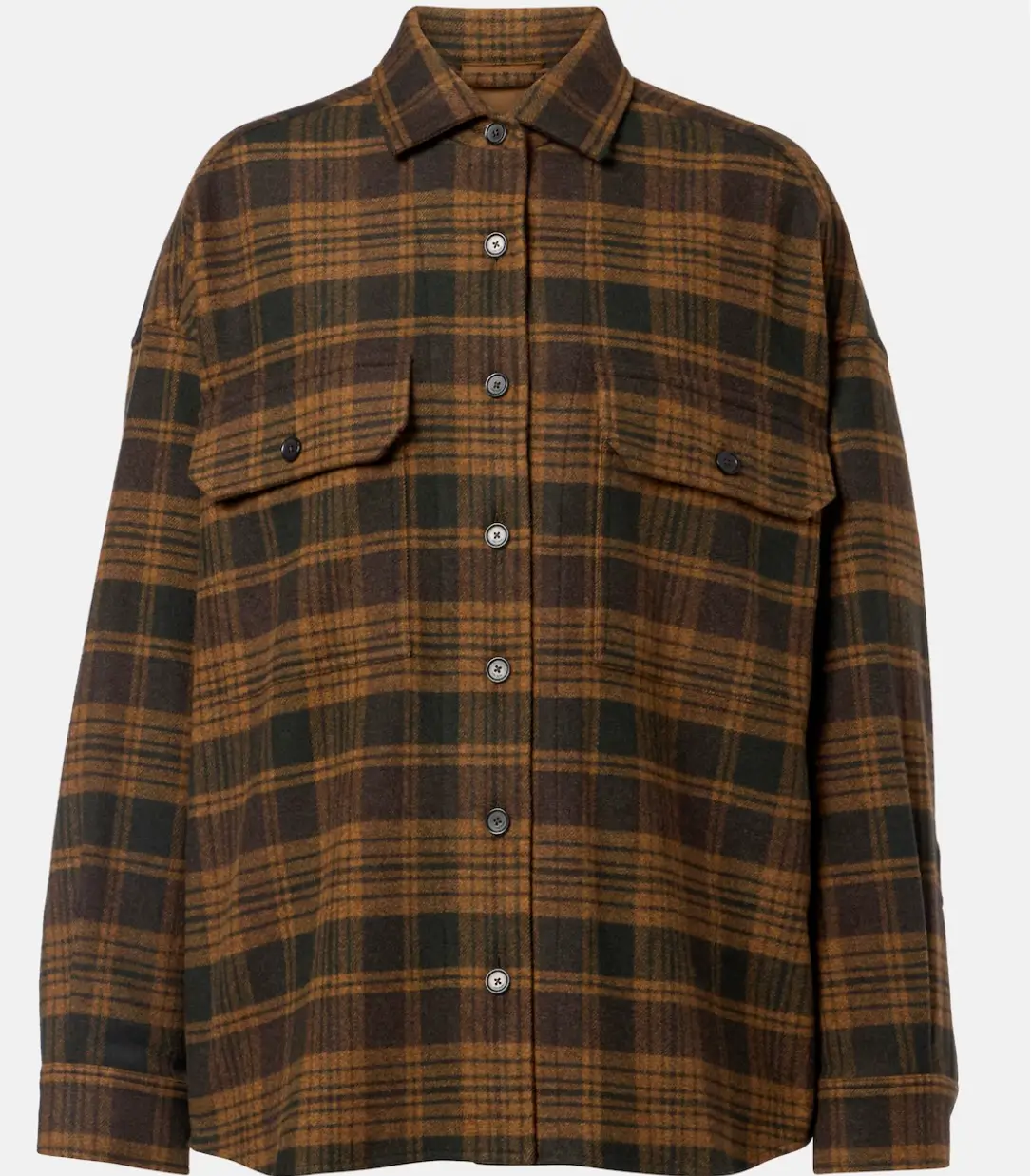
- Flannel overshirts and heavy knits
- Minimal sneakers or leather boots
- Tailored trousers or relaxed denim
What distinguishes it is its refusal to dominate. It does not compete with other elements—it stabilizes them.
In this sense, it functions less like an accessory and more like a final layer of coherence.
sum
The about:blank Monogram Cap in Brown/Ecru ultimately succeeds because it understands its role. It does not attempt to redefine the cap. It refines it.
It acknowledges history—the silhouette remains intact.
It responds to trend—material, color, and branding evolve.
It anticipates usage—structured, durable, seasonally relevant.
In a market saturated with louder statements, this cap operates differently. It suggests that style, at its most current, is not about amplification but calibration.
Not more—but better.