mita Elevates the adidas Climacool Boat in Leather

April 2, 2026
2 hours ago
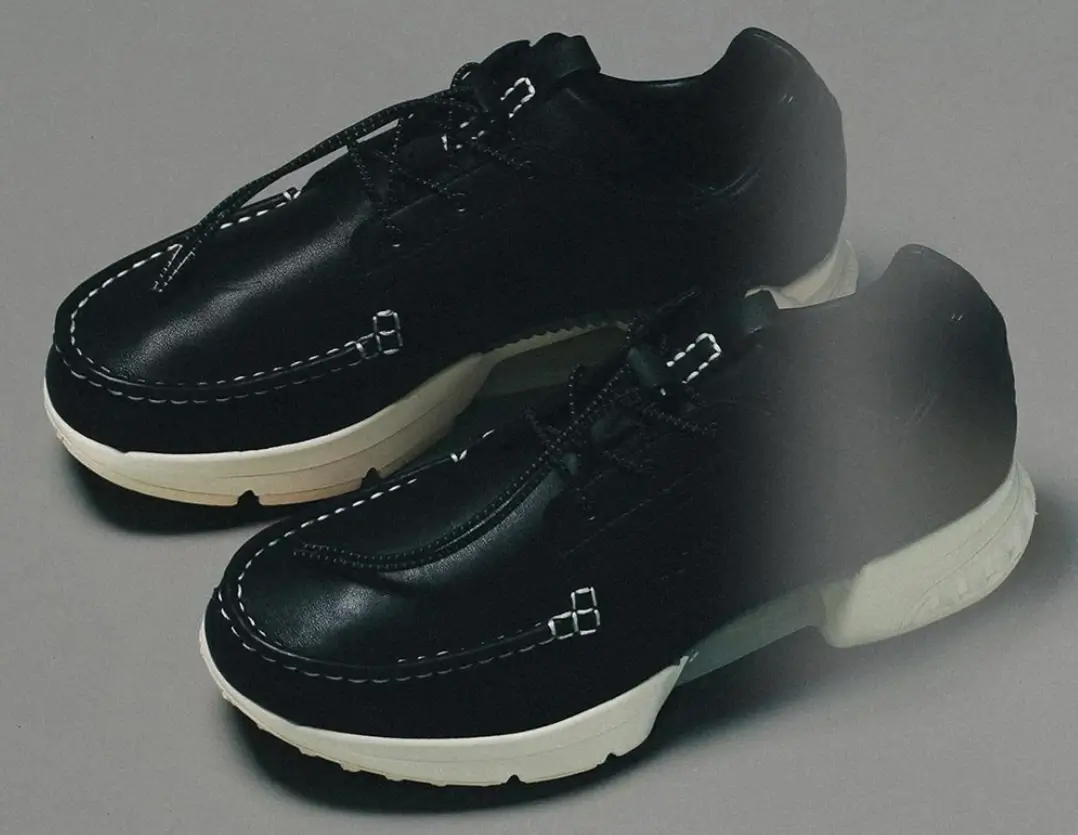
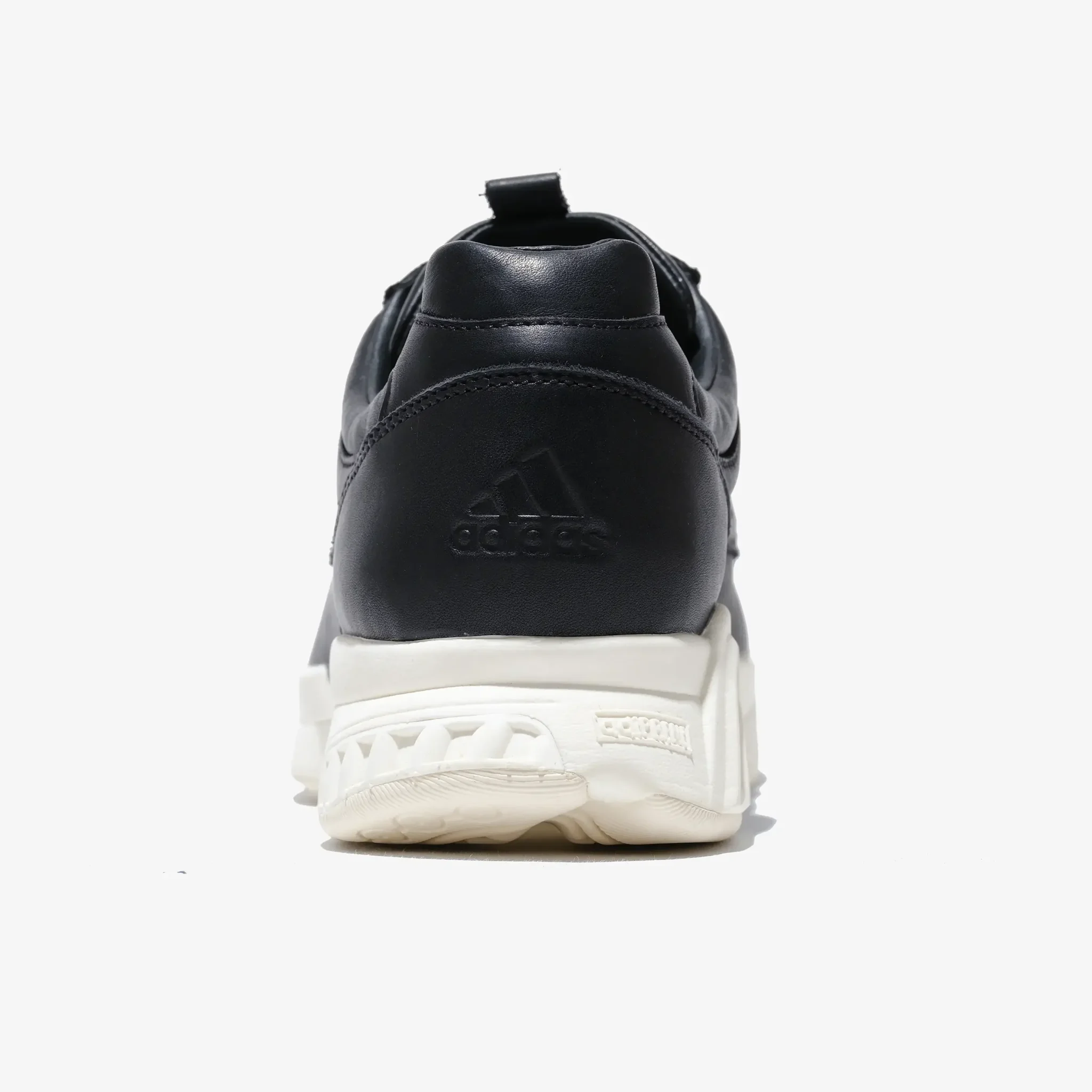
In a moment where archival revivals risk feeling predictable, the adidas Climacool Boat “Core Black” arrives with a deliberate sense of recalibration. This is not simply a retro exercise—it is a material and cultural repositioning. Dropping exclusively through mita sneakers on April 4, 2026, the silhouette reintroduces a quietly radical idea: that performance heritage can be sharpened, distilled, and recontextualized for a more considered streetwear audience.
Originally introduced in 2002, the Climacool Boat was an anomaly even within adidas Originals’ expansive archive. It fused amphibious utility with lifestyle intent—engineered for breathability, yet styled with a moccasin-like upper that leaned into leisure. Two decades later, that hybridity feels less experimental and more prophetic.
mat
What defines this mita sneakers collaboration is its material transformation. The original Climacool Boat was synonymous with airflow—360-degree ventilation achieved through mesh uppers and perforated tooling. Here, that language is deliberately interrupted.
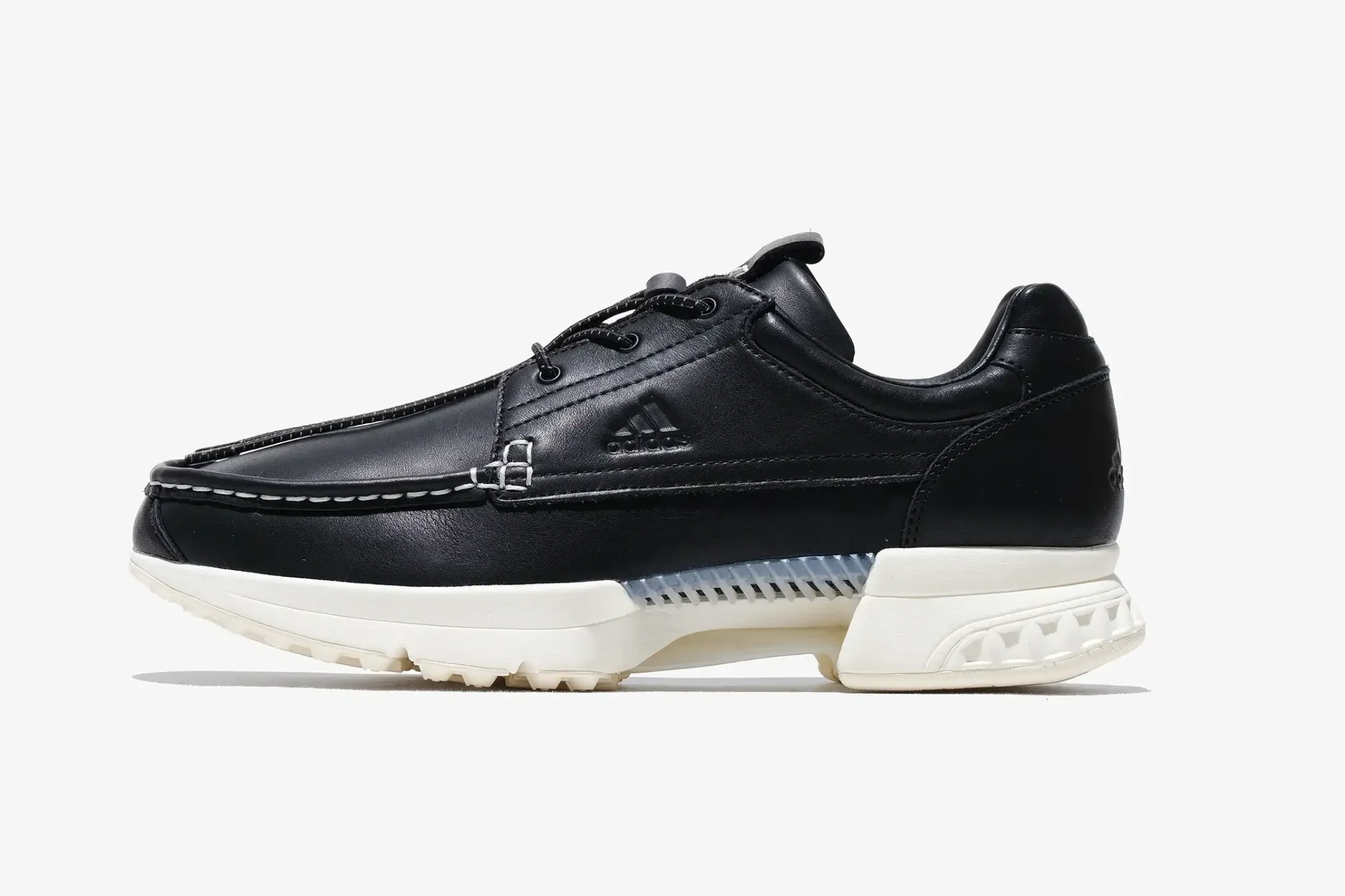
Smooth Core Black leather replaces mesh entirely.
The effect is immediate. Where the original silhouette felt light, almost transient, this iteration grounds itself in permanence. The leather introduces weight, both physically and visually, reframing the shoe from a functional summer companion into a year-round urban object. The texture absorbs light rather than reflecting it, creating a matte, almost architectural presence on foot.
This shift is not merely aesthetic. It signals a broader movement within sneaker culture—away from overt performance signaling and toward material tactility. Leather, in this context, becomes a language of elevation, aligning the Climacool Boat with contemporary luxury-adjacent streetwear rather than its sport-derived origins.
View this post on Instagram
region
Situated in Tokyo’s Ueno district, mita has long functioned as both curator and disruptor. Its collaborations rarely rely on spectacle; instead, they prioritize subtle interventions—material upgrades, tonal restraint, and narrative precision.
Tokyo itself informs the design language. The city’s approach to style—layered, detail-oriented, and quietly subversive—resonates in the Climacool Boat “Core Black.” The absence of overt branding, the reliance on monochrome, and the emphasis on craft all echo a distinctly Japanese sensibility.
This is not a loud collaboration. It is one that rewards proximity.
sil
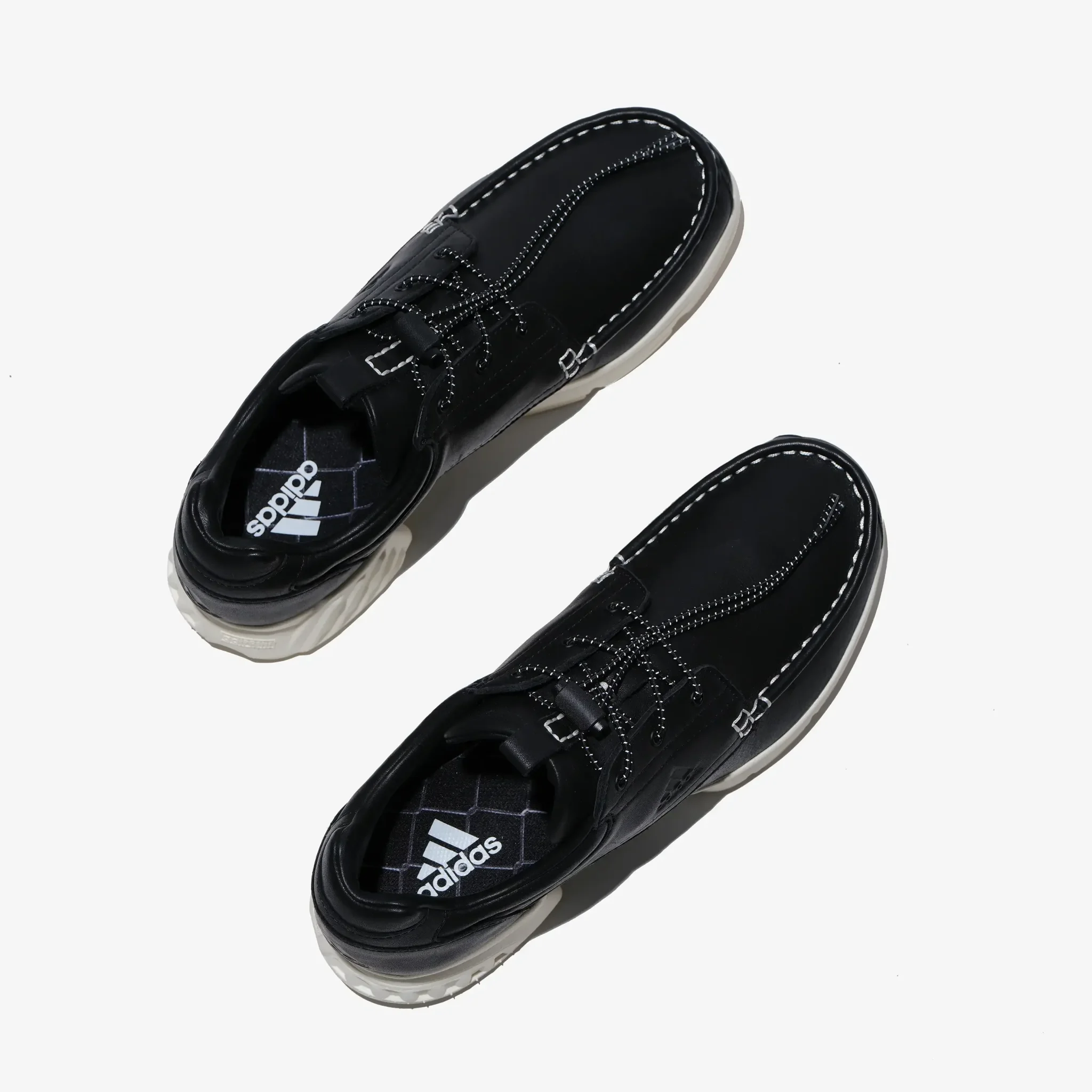
Structurally, the Climacool Boat remains faithful to its origins. The low-cut profile retains its slip-on ease, while the segmented sole unit continues to channel the original’s ventilation system. Drainage ports and perforations remain embedded within the tooling, a subtle nod to the model’s aquatic lineage.
Yet, in leather, these elements take on new meaning. The ventilation is no longer the headline—it becomes a hidden architecture, a relic of performance embedded within a lifestyle framework.
The moccasin-inspired construction is perhaps the most compelling aspect. In an era dominated by aggressive, tech-heavy silhouettes, the Climacool Boat’s softness feels almost radical. The stitching, the curvature of the upper, and the absence of rigid overlays create a fluidity that contrasts sharply with contemporary sneaker design trends.
show
“Core Black” is, at first glance, a safe choice. But within the context of this release, it becomes a strategic one. The monochrome palette allows the material to take precedence. Without color blocking or contrast elements, the eye is drawn to form, texture, and proportion.
This restraint aligns with broader shifts in fashion, where maximalism is giving way to a more disciplined minimalism. Black, in this sense, is not neutral—it is intentional. It transforms the Climacool Boat into a versatile object, equally suited to tailored trousers as it is to technical streetwear.
culture
The release lands at a moment when sneaker culture is reassessing its relationship with heritage. After years of rapid-fire retros and collaboration saturation, there is a growing appetite for reinterpretations that feel purposeful rather than nostalgic.
The Climacool Boat “Core Black” answers that call.
By selecting a less obvious archival model and elevating it through material and context, adidas Originals and mita sneakers avoid the pitfalls of repetition. Instead, they offer a study in restraint—proof that innovation can emerge from subtlety rather than spectacle.
fwd
Worn, the shoe occupies a unique space. It does not command attention in the way that oversized or highly engineered sneakers do. Instead, it integrates—becoming part of the wearer’s broader silhouette.
The leather softens over time, developing creases that personalize each pair. The slip-on construction encourages ease, while the underlying ventilation ensures comfort remains intact. It is, in many ways, a contradiction: a shoe that feels both relaxed and considered, casual yet refined.
sig
While branding remains minimal, mita sneakers’ influence is unmistakable. Known for its chain-link motif and meticulous approach to collaboration, the boutique often embeds its identity in ways that reveal themselves gradually.
In this release, that ethos is preserved. The details are there—but they are not immediate. They require engagement, a closer look, an understanding of mita’s design language.
This approach stands in contrast to the logo-driven collaborations that dominate much of the market. It suggests a different kind of value—one rooted in knowledge and appreciation rather than visibility.
rel
Model: adidas Climacool Boat “Core Black”
Collide: adidas Originals × mita shoe
Colorway: Core Black
Material: Premium smooth leather upper
Release Date: April 4, 2026
Availability: Exclusive to mita shoe (Tokyo and select online release)
sum
What makes the adidas Climacool Boat “Core Black” compelling is not what it adds, but what it removes. It strips back the overt performance cues, replaces them with material depth, and situates the silhouette within a new cultural framework.
In doing so, it challenges assumptions about what a sneaker revival can be.
This is not about returning to the past. It is about refining it—distilling a design down to its essential elements and allowing those elements to speak in a contemporary context.
For those attuned to nuance, the message is clear: evolution does not always announce itself. Sometimes, it arrives in black leather, quietly reshaping what came before.