Adidas Originals x Willy Chavarria SS25: Fashion with a Barrio Pulse

May 2, 2025
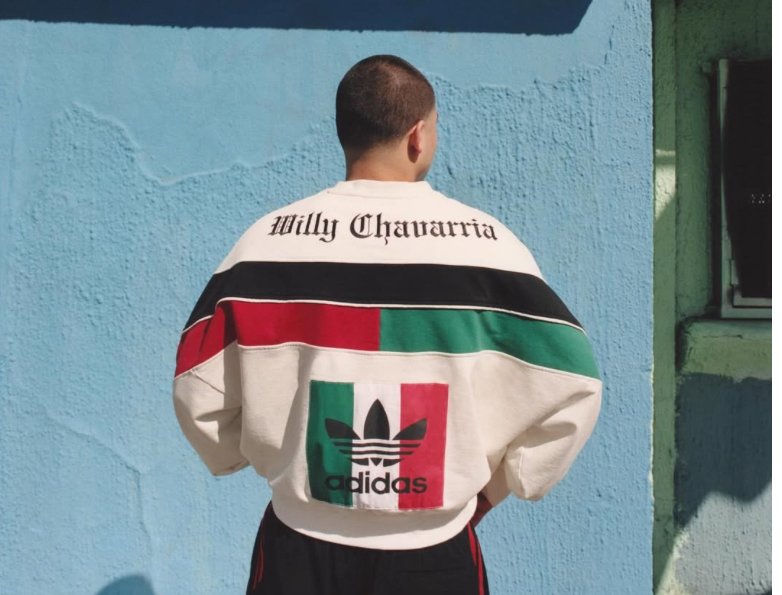
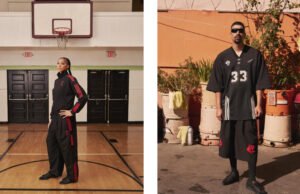
In a cultural landscape where authenticity is currency and history speaks louder than hype, the Spring/Summer 2025 collection from Willy Chavarria x adidas Originals arrives like a raised fist—elegant, unapologetic, and rooted in something far deeper than fashion. This isn’t just a collaboration. It’s a tribute. A reclamation. A conversation between past and present, stitched into garments that wear identity like armor.
Born in the Barrio, Built for the World
For decades, mainstream fashion has taken inspiration from streetwear and subcultures without always paying due respect to their origins. But Willy Chavarria—whose work has long been grounded in a deep personal connection to his Chicano heritage—brings the story full circle. With adidas, a brand with an overlooked yet meaningful history in American Latinx communities, he’s created a collection that feels less like product and more like memory in motion.
The result is a bold, evocative SS25 lineup that fuses Chavarria’s hallmark silhouettes—oversized, dramatic, and emotionally charged—with iconography and symbolism central to the Mexican-American experience. It’s not just about aesthetics. It’s about presence. It’s about visibility.
Photographed by Carlos Jaramillo on the sun-drenched streets of Los Angeles, the campaign centers real figures of influence and impact—Candace Parker, Skyy Clark, Alejandro Speitzer—each embodying the multitudes of identity and resistance. It’s not just a casting decision. It’s a deliberate framing of the narrative.
Adidas, Reconsidered
Most collaborations with sportswear giants play it safe: slight tweaks, special colorways, heritage nods, rinse, repeat. But this isn’t a remix—it’s a redefinition. What makes this partnership unique isn’t just the visuals, the clothes, or even the cultural references—it’s the dialogue between brand and designer. Chavarria doesn’t just slap his name onto archival pieces. He interrogates them.
Take the Chavarria Jabbar Low, for instance. Based on the 1978 adidas Jabbar basketball shoe, it honors the original’s integrity—clean lines, athletic build—but reworks it with a sharper emotional tone. The contrast red stripes and cream sole nod to vintage Adidas DNA, while the fold-over tongue stamped with Chavarria’s label turns the sneaker into a symbol of dual identity. It’s athletic wear with soul, a tribute to movement in every sense of the word.
The Jabbar Dress goes further, transforming the performance silhouette into something far more refined. With a pointed toe, gold detailing, and luxe leather laces, it’s a visual metaphor for the evolution of street style into high fashion—without forgetting where it came from. It’s about dressing up the defiant.
The Clothing: Symbolism Woven Into Silhouettes
The collection’s ready-to-wear line centers on structure and softness in equal measure. Black dominates the color palette—an homage, perhaps, to mourning, rebellion, or both—punctuated by Adidas’s iconic three-stripes rendered in deep red, Chavarria’s signature tone. It’s an elegant aggression.
Roses, embroidered onto select pieces, appear as quiet, tender interruptions—evocative of lowrider culture, Chicano murals, and old-school romance. In Chavarria’s hands, they don’t soften the look. They sharpen it. These are clothes that wear history on their sleeves, literally.
The use of oversized proportions is more than a design choice. It’s a statement of volume in a world that often asks marginalized communities to shrink themselves. Chavarria’s tailoring refuses to comply. Every exaggerated shoulder, every dropped sleeve, every baggy pant leg is a pushback against invisibility.
A History Too Often Ignored
While much of the fashion press will rush to describe this collection as “fresh” or “unexpected,” those familiar with the roots of Chicano culture know better. Adidas has been part of the community’s wardrobe for decades—showing up in car clubs, on playgrounds, and in backyard quinceañeras. The brand’s presence is as woven into the culture as oldies music and Sunday carne asadas.
And yet, mainstream narratives rarely acknowledge this. That’s what makes this collection vital. It’s not inventing a connection—it’s spotlighting one that’s long been overlooked. In that sense, this isn’t just Chavarria giving back. It’s Adidas catching up.
Chicano Style, Global Stage
There’s a quiet strength in Chicano aesthetics—an ability to blend hardness and softness, pride and pain. From the bandana folds to the religious iconography, the pressed khakis to the classic sneakers, it’s a look born from necessity but curated with love. And now, with Chavarria at the helm, it’s being reframed for a global audience.
But this isn’t about export. It’s about elevation. Chavarria doesn’t sanitize or water down the references to make them palatable. He brings them to the runway exactly as they are—real, raw, beautiful—and in doing so, creates a space where Chicano culture isn’t just included, but celebrated on its own terms.
Not Just Fashion—A Movement
The SS25 collection lands at a moment where identity politics intersect with style in increasingly visible ways. But unlike other attempts that flirt with cultural symbolism for a season or two, Chavarria’s work is sustained, lived-in, and consistently grounded in advocacy.
His design language is political not because it waves slogans, but because it centers people who are often left out of fashion’s gaze. The clothes speak to dignity, to struggle, to pride, and to an unshakable sense of belonging.
Willy Chavarria: The Man Behind the Message
Born to a Mexican-American father and raised in the Central Valley of California, Chavarria’s career has taken him from corporate design rooms to the forefront of fashion activism. His work often blends the formality of classic menswear with the swagger of streetwear, but it’s his ability to inject emotional resonance that sets him apart.
With each collection, Chavarria pushes toward a fashion that’s not just about surface but substance. Whether he’s referencing queer culture, immigrant experiences, or working-class iconography, his clothes tell stories. They build bridges.
Adidas: Legacy in the Making
While adidas has been a staple in sneaker culture and sportswear since its inception, it’s had a quieter but persistent presence in Chicano communities. The brand’s subtle embrace of this collaboration is a kind of acknowledgment—a delayed recognition of the people who made their stripes matter.
With this SS25 partnership, adidas steps into the narrative not as a guest, but as a participant. It’s a chance to rewrite legacy with truth and purpose.
The Future of Fashion Is Local
As luxury brands scramble to appear more inclusive, the Chavarria x adidas Originals SS25 collection offers a blueprint. Instead of borrowing culture, it builds with it. Instead of speaking for, it speaks alongside. Instead of selling an image, it tells a story.
This is what it looks like when design is rooted in community, when fashion becomes a form of tribute, and when style is inseparable from soul.
Impression
The first drop, set for May 8th, will no doubt be met with hype. The clothes will sell out. The sneakers will resurface on resale sites. The campaign will rack up engagement. But beyond the metrics and marketing, something more important is happening here.
This is legacy dressing. Cultural memory sewn into fabric. A reminder that clothes can carry history, resistance, and pride—not just trends.
In an industry constantly chasing the next big thing, Willy Chavarria x adidas Originals SS25 dares to stand still, look back, and honor what’s already here.
And that, in this moment, is the most radical move of all.