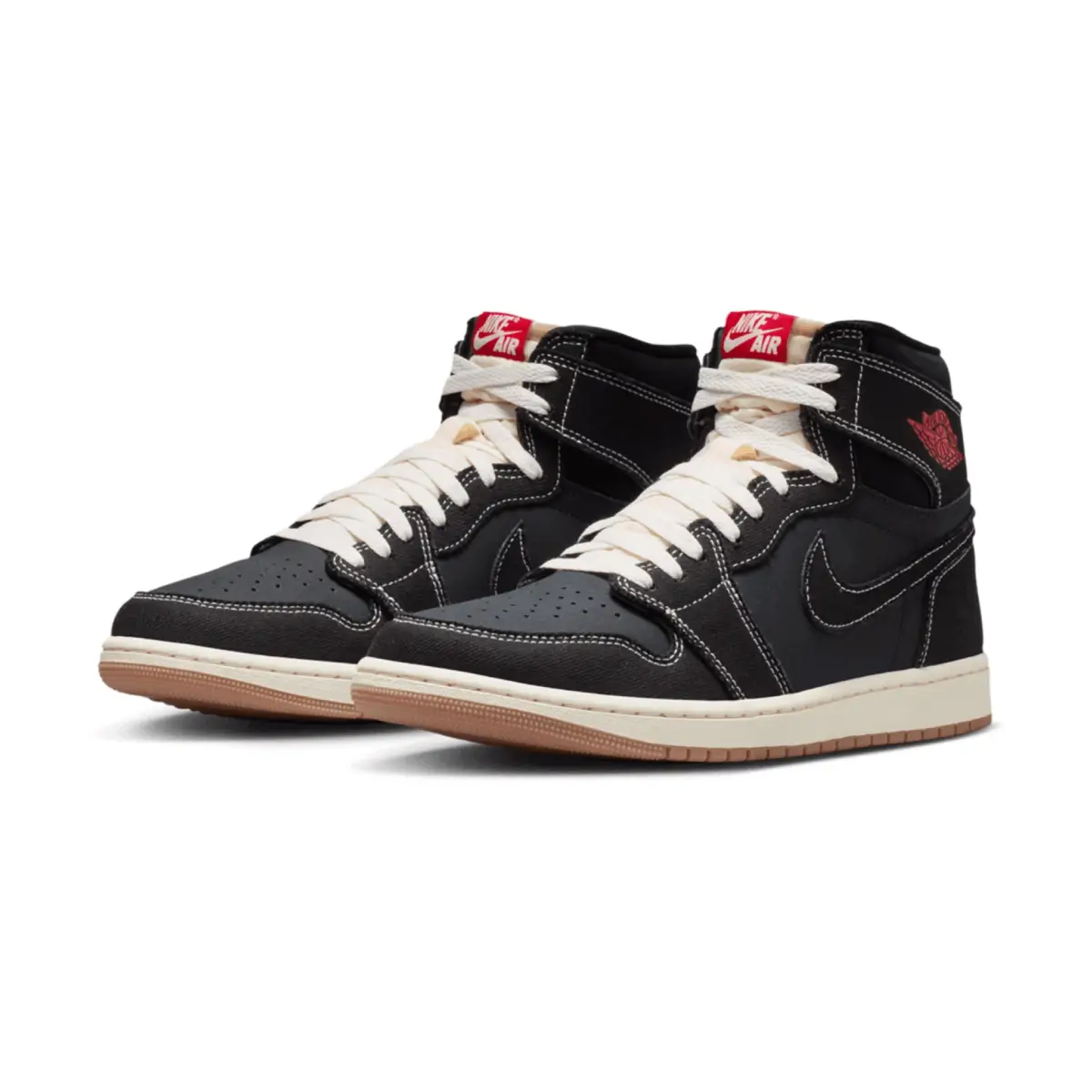
The Air Jordan 1 High OG “Flight Club” doesn’t arrive as a reinvention. It arrives as a retrieval—of memory, of access, of a time when belonging to Jordan culture required intention rather than immediacy. In 2026, Jordan Brand leans deeper into its archive not through spectacle, but through reconstruction. This pair is less about novelty and more about restoring a condition: what it once meant to want, to wait, to be part of something not everyone could reach.
flex
Before apps, raffles, and algorithmic drops, there was the original Flight Club—a mail-in membership program in the late ’80s and early ’90s that offered newsletters, insider access, and a sense of inclusion within a still-forming footwear culture. Michael Jordan wasn’t just an athlete then; he was a signal, a broadcast of possibility. And to be in proximity to that signal required participation.
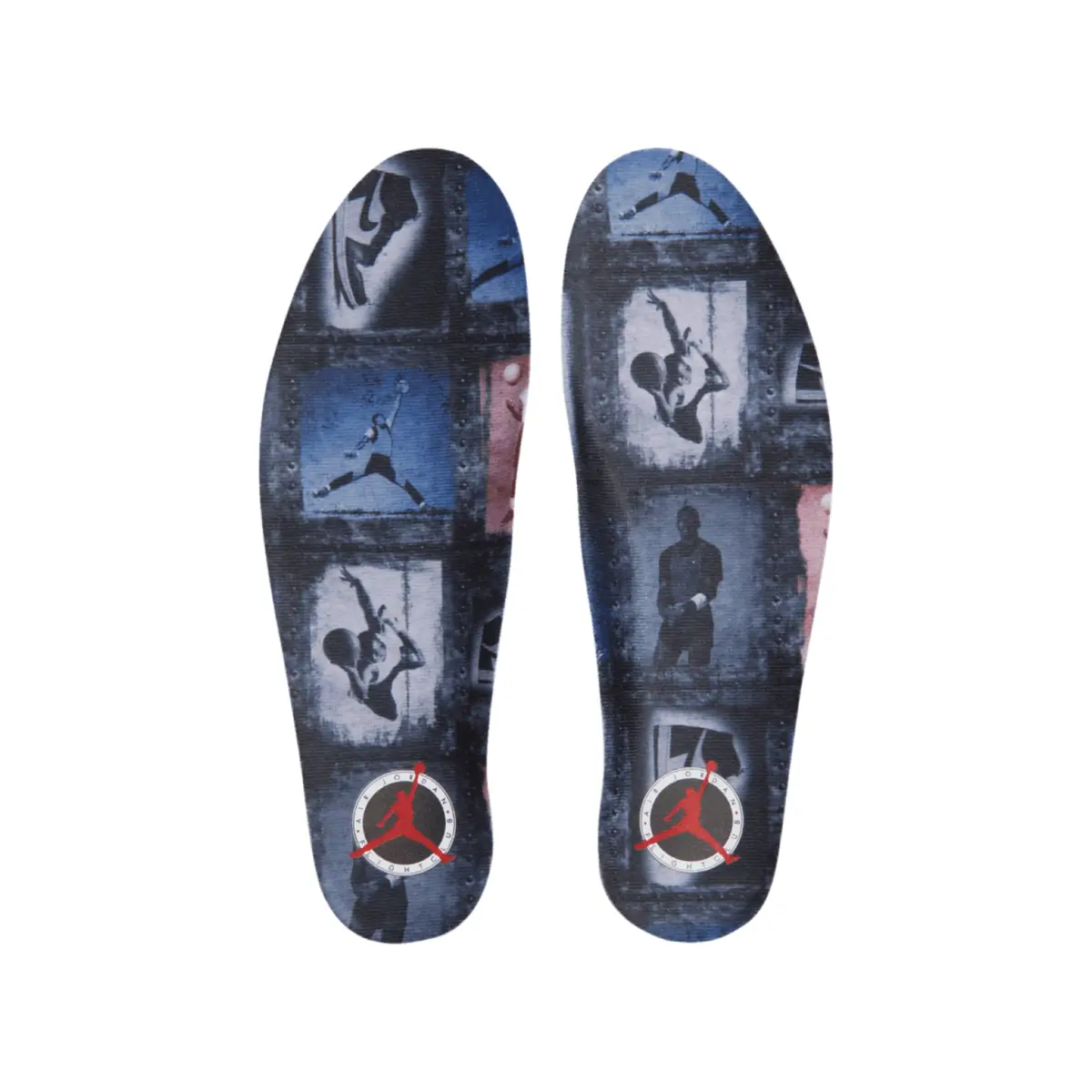
The 2026 “Flight Club” AJ1 translates that ethos into material form. It doesn’t explicitly narrate the past—it embeds it. The idea of exclusivity isn’t recreated through scarcity alone, but through texture, tone, and coded detail. It assumes you understand, or at least feel, what’s being referenced.
idea
The construction is where the story settles.
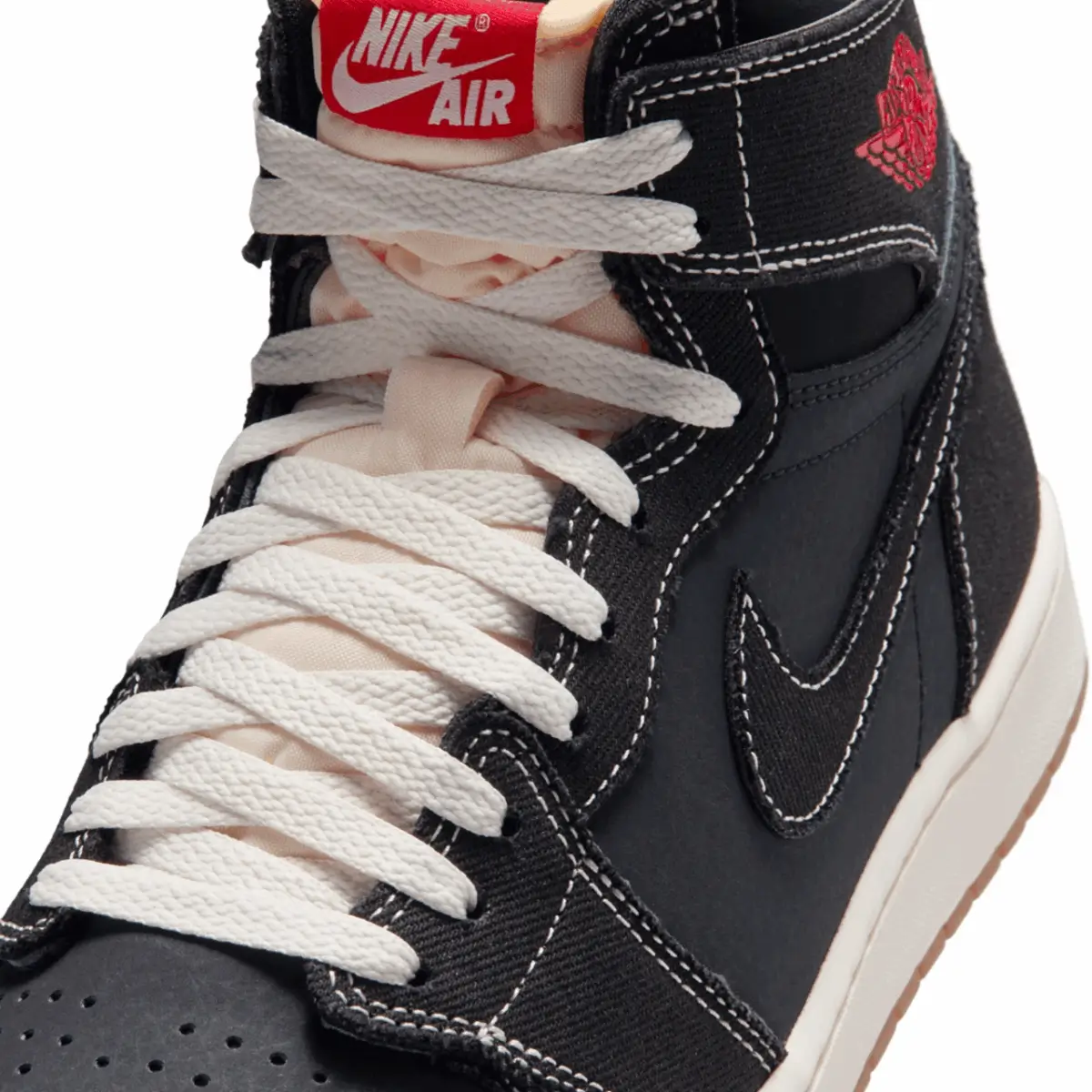
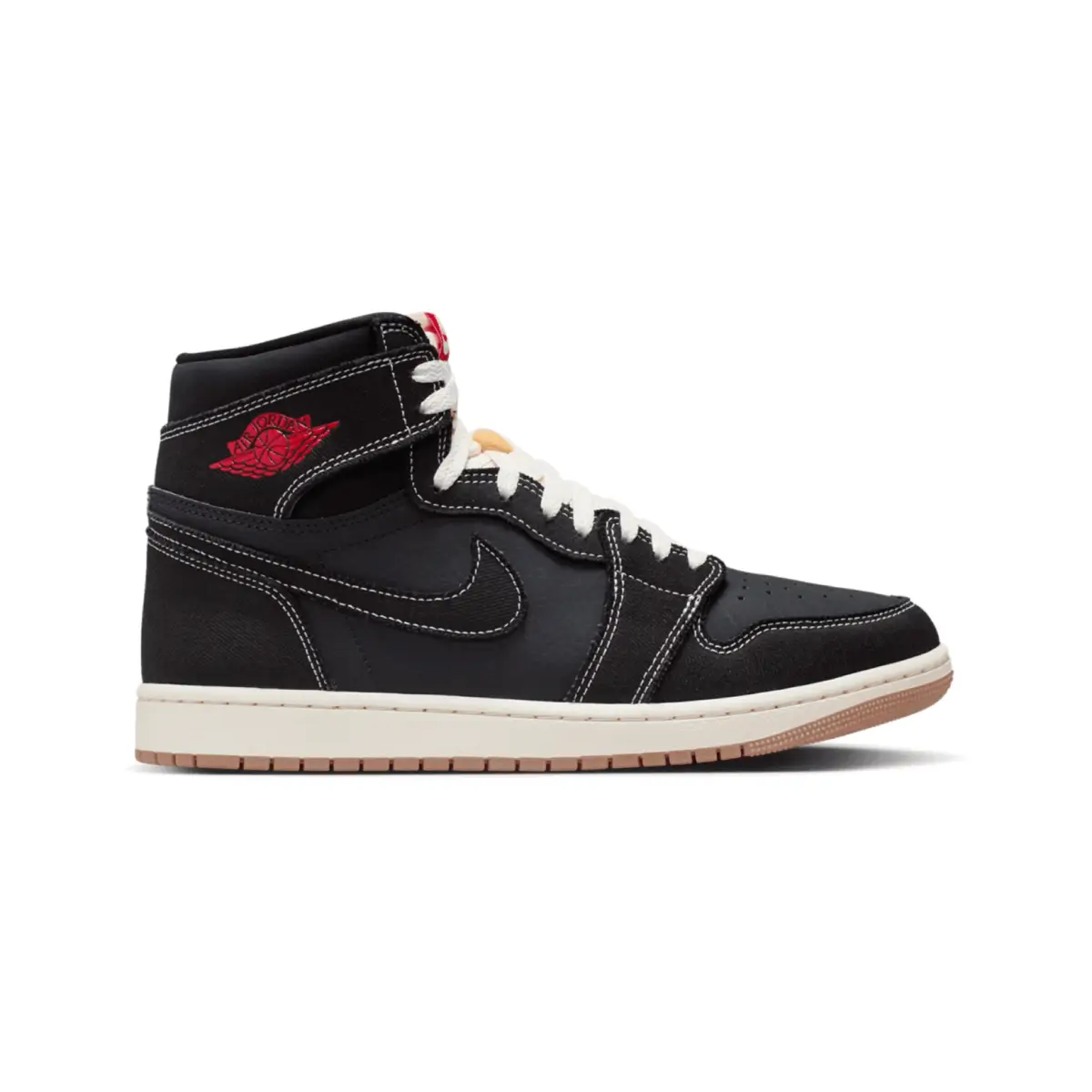
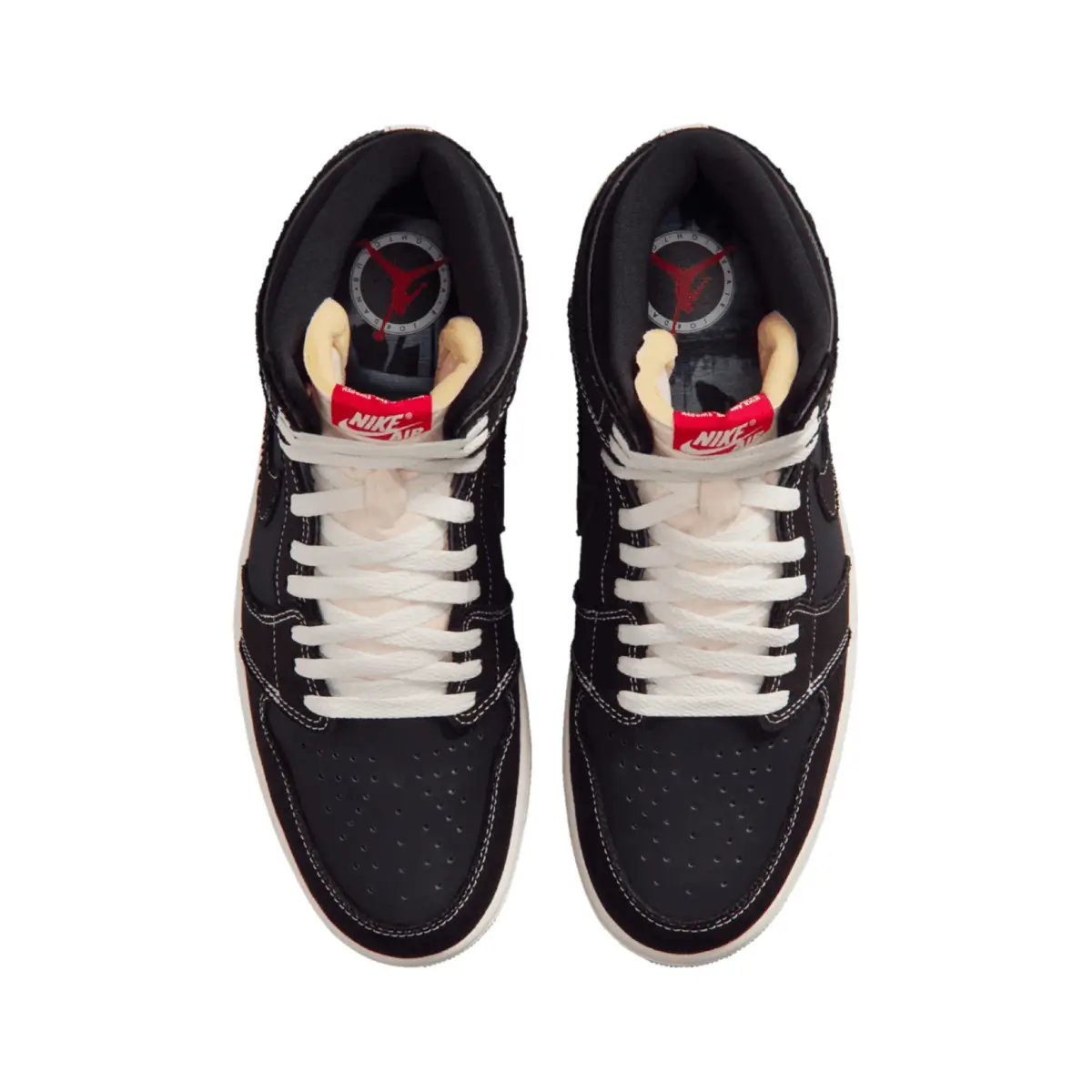
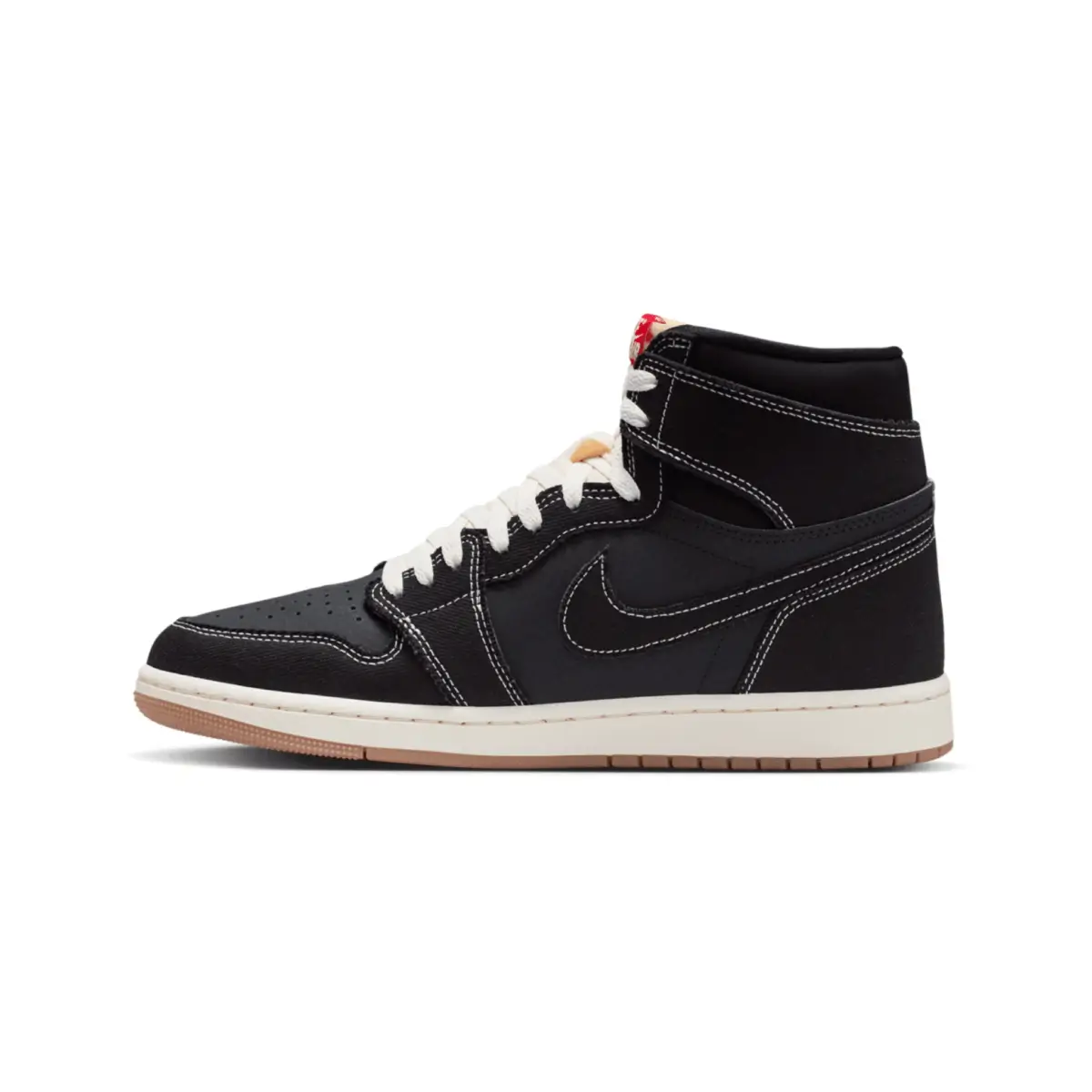
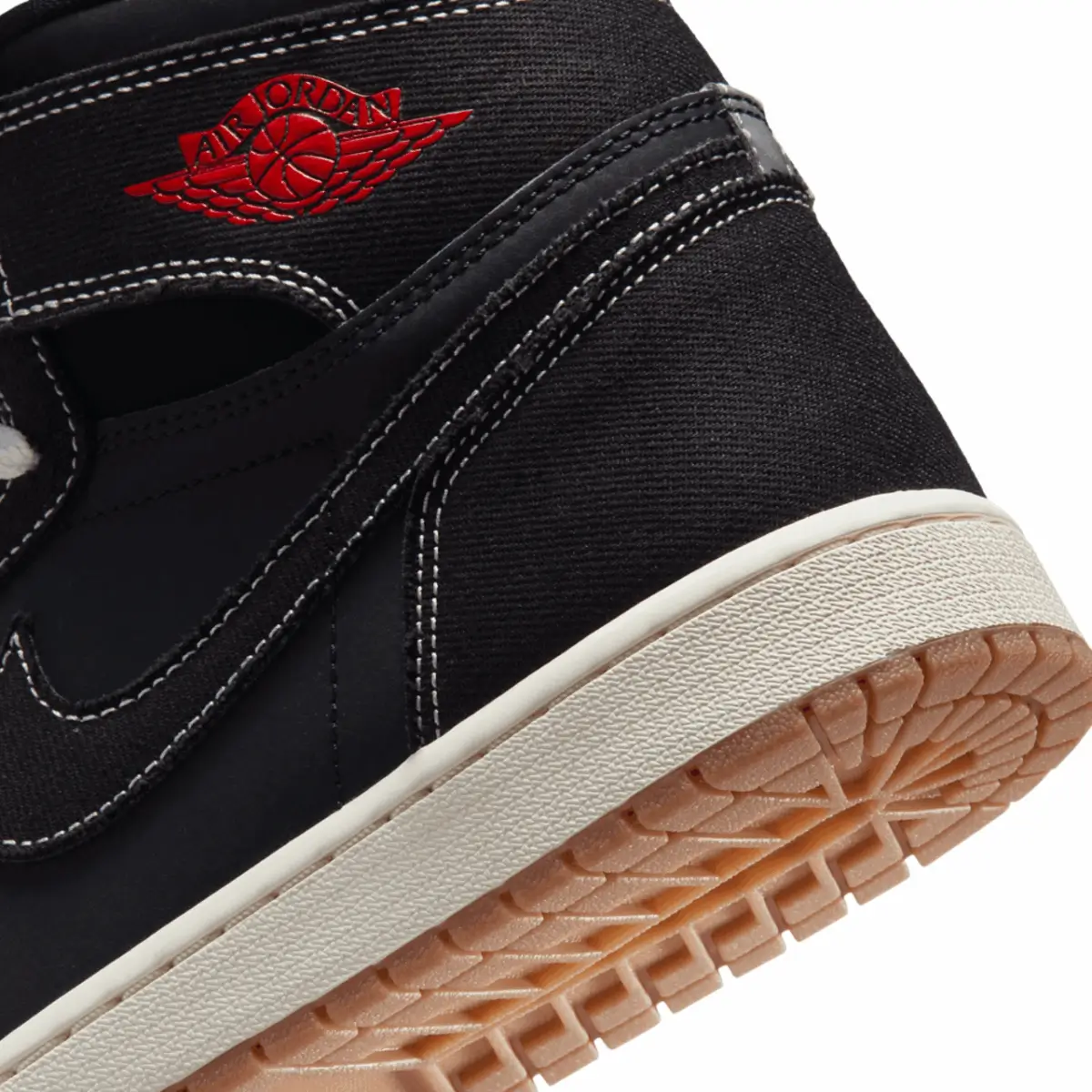
A black woven textile base replaces traditional smooth leather, immediately shifting the tactile language of the silhouette. It feels less polished, more grounded—closer to something worn, handled, lived in. Around it, overlays of nubuck and denim-like textures introduce subtle irregularity, a break from the uniformity often associated with modern retros.
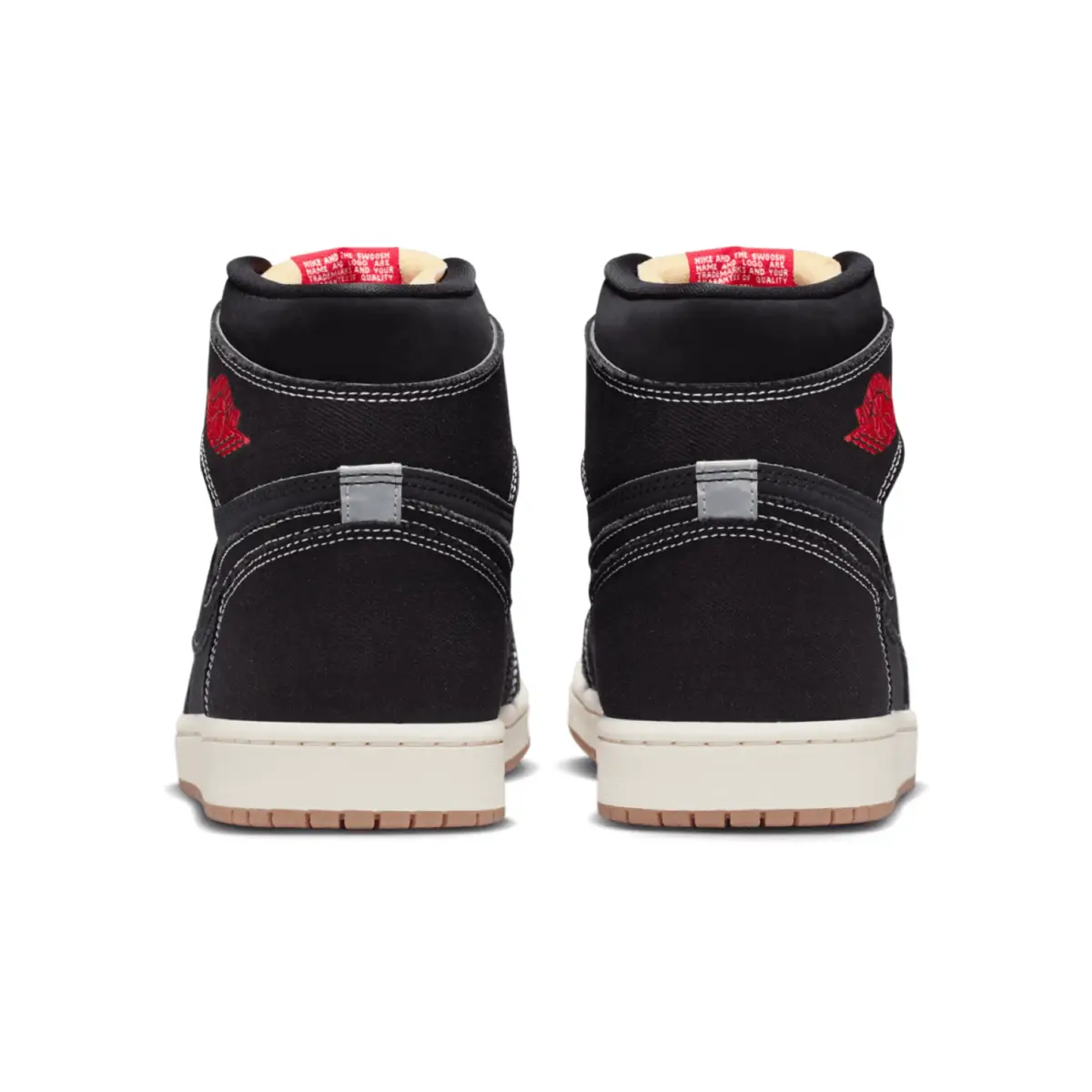
University Red appears sparingly—on branding, on accents—never overwhelming the composition, but punctuating it with just enough energy to recall the urgency of early Jordan releases. This is not Chicago red dominance; it’s controlled insertion.
The Sail midsole carries the now-familiar pre-aged effect, but here it reads less as trend and more as restoration. Not faux vintage, but implied time. Underneath, the gum outsole anchors the shoe in something tactile and grounded, resisting the overly clean finishes that dominate contemporary drops.
This is a shoe built not to look new, but to feel continuous.
flow
The palette—Black, Sail, University Red, and Gum Medium Brown—is deliberate in its restraint. Where many 2020s releases chase contrast for visibility, the “Flight Club” compresses its visual language. Black dominates, but not flatly; it shifts depending on material. Textile absorbs light. Nubuck softens it. Leather reflects it.
Red becomes directional rather than expressive. It guides the eye toward key identifiers: the Wings logo, the tongue branding, the subtle points of recognition that define the AJ1 lineage.
Sail, meanwhile, performs the role of time. It suggests age without decay, history without damage. It is less about nostalgia and more about calibration—placing the shoe somewhere between past and present without collapsing into either.
show
Despite its conceptual layering, the silhouette itself remains faithful. High-top structure, classic paneling, Nike Air cushioning—the foundational elements of the Air Jordan 1 are preserved without alteration.
This is critical. The Air Jordan 1 does not require redesign to remain relevant. Its endurance lies in its ability to carry different narratives without structural change. The “Flight Club” iteration understands this restraint. It builds around the form, not against it.
Comfort remains consistent with modern retros—wearable, everyday, no longer performance-driven but culturally anchored. The shoe has long transitioned from court to lifestyle, and this release fully embraces that shift.
rel
The sneaker released on April 11, 2026, via the Nike SNKRS platform and select retailers, priced at $185 for adult sizing. Full family sizing extends the drop’s reach—kids, preschool, toddler—suggesting that while the concept references exclusivity, the distribution reflects expansion.
This tension is intentional.
Jordan Brand continues to operate within a dual structure: broad availability paired with perceived scarcity. The ritual of acquisition—waiting for 10 a.m. drops, entering raffles, refreshing feeds—becomes the modern equivalent of mailing in for membership. The mechanism has changed, but the psychology remains intact.
stage
In a year already dense with high-profile Air Jordan releases—collab, reimagined classics, archival revivals—the “Flight Club” sits in a quieter position. It does not rely on external names, nor does it attempt to dominate headlines through aggressive redesign.
Instead, it operates through subtlety.
Where other releases amplify—through deconstruction, exaggerated materials, or celebrity alignment—this one reduces. It narrows its focus to heritage, to internal language, to those who recognize the reference without needing explanation.
That positioning may limit its immediate hype, but it strengthens its long-term resonance.
why
The Air Jordan 1 High OG “Flight Club” is significant not because it introduces something new, but because it refines how Jordan Brand engages with its own history.
It suggests a shift:
From spectacle → to structure
From collide → to internal mythology
From trend → to continuity
It recognizes that the brand’s archive is not just a resource, but a language—one that can be rearticulated without distortion.
fin
Ultimately, the “Flight Club” AJ1 does not attempt to resolve anything. It doesn’t claim to be definitive, nor does it position itself as essential. Instead, it exists in a state of continuation—a fragment of a larger narrative that began decades ago and continues to evolve.
It asks a quiet question: what does it mean to belong now?
Not through membership cards or newsletters, but through recognition. Through the ability to read the signals embedded in material, color, and form. Through an understanding that some stories don’t need to be told directly to be understood.
The Air Jordan 1 has always functioned as more than a shoe. In 2026, with the “Flight Club,” it functions as memory—reconstructed, reframed, and worn forward.