Nike Air Max 95: The Skew of Run Designs Colliding Skate Orthodoxy

March 29, 2026
2 hours ago
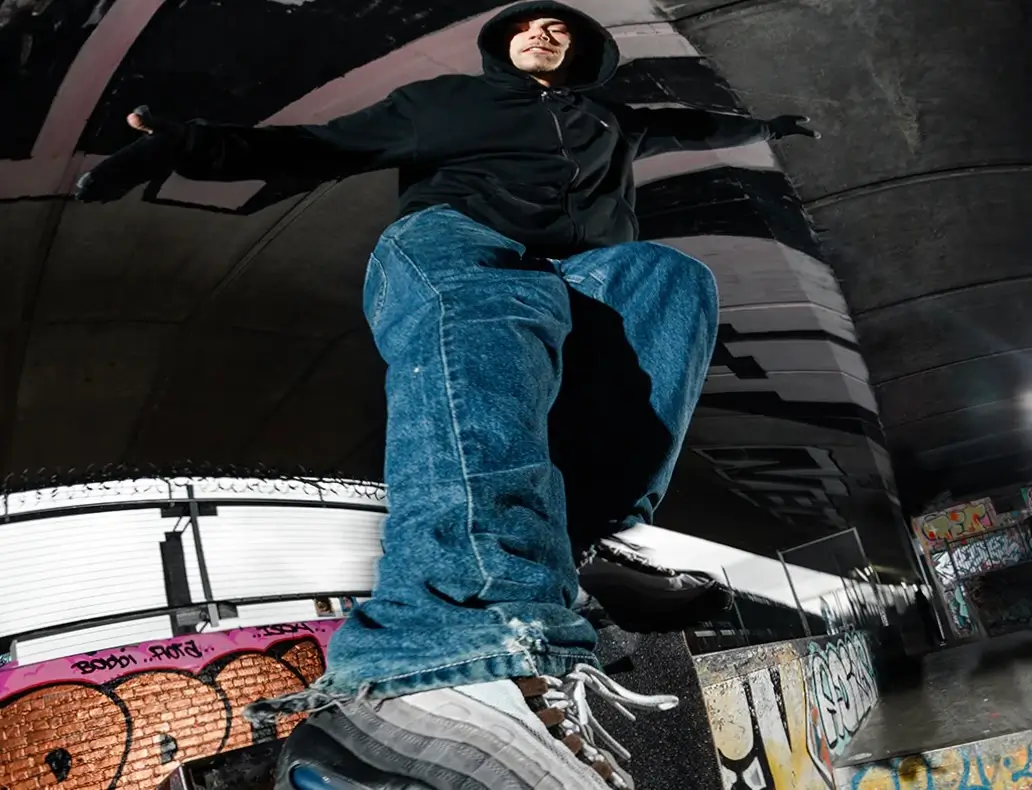
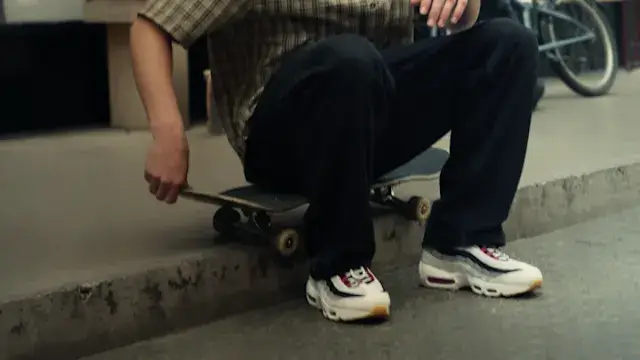
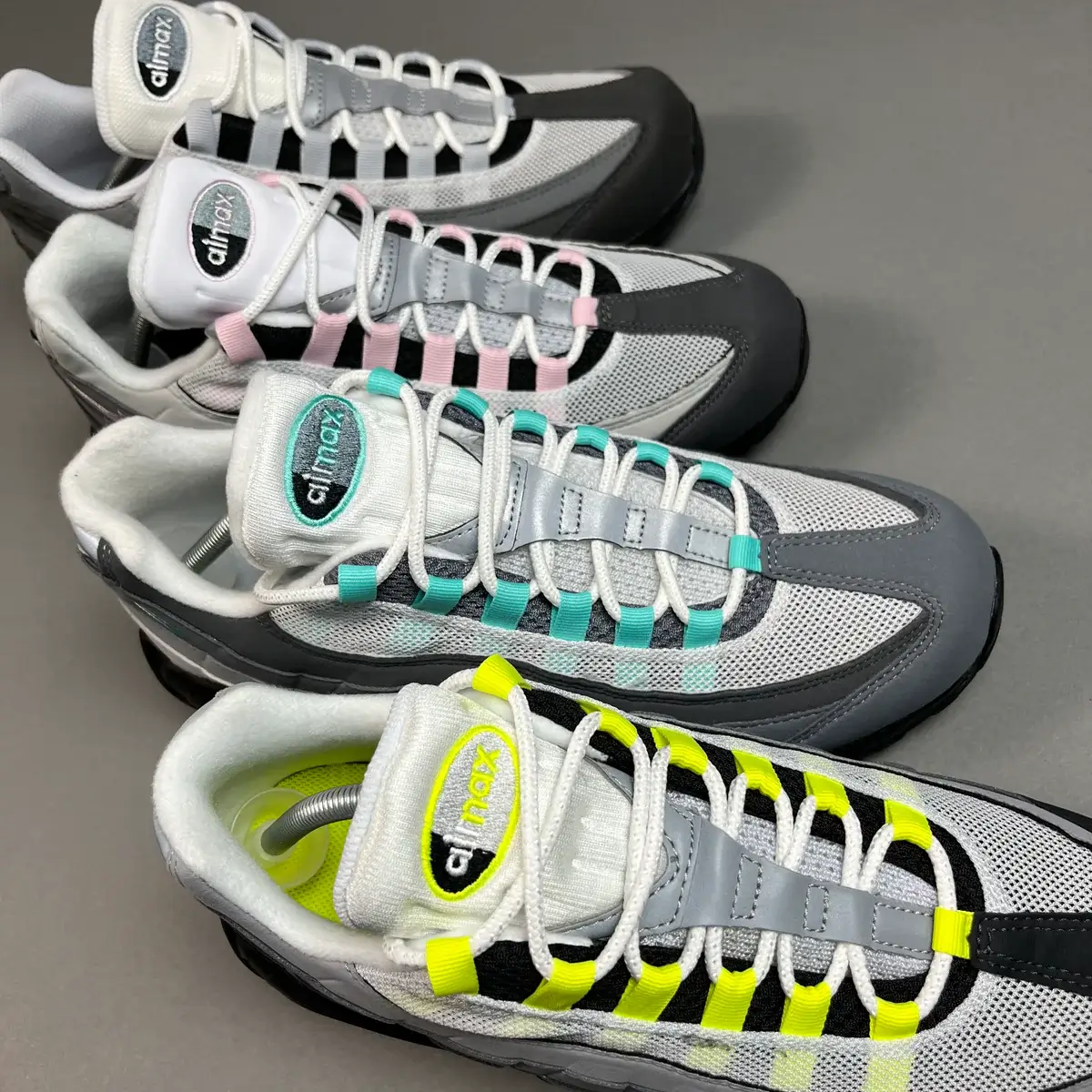
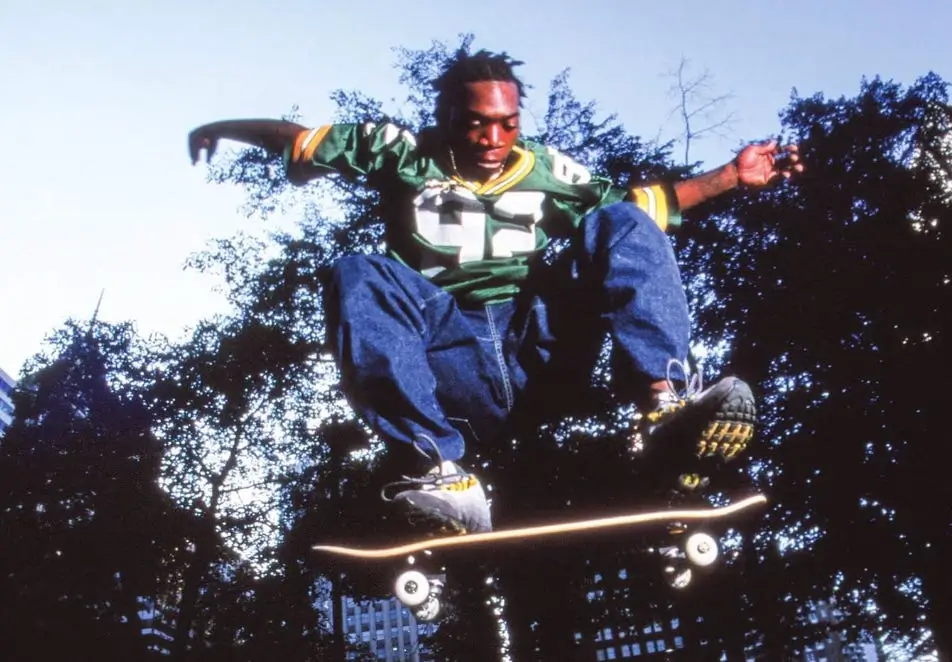
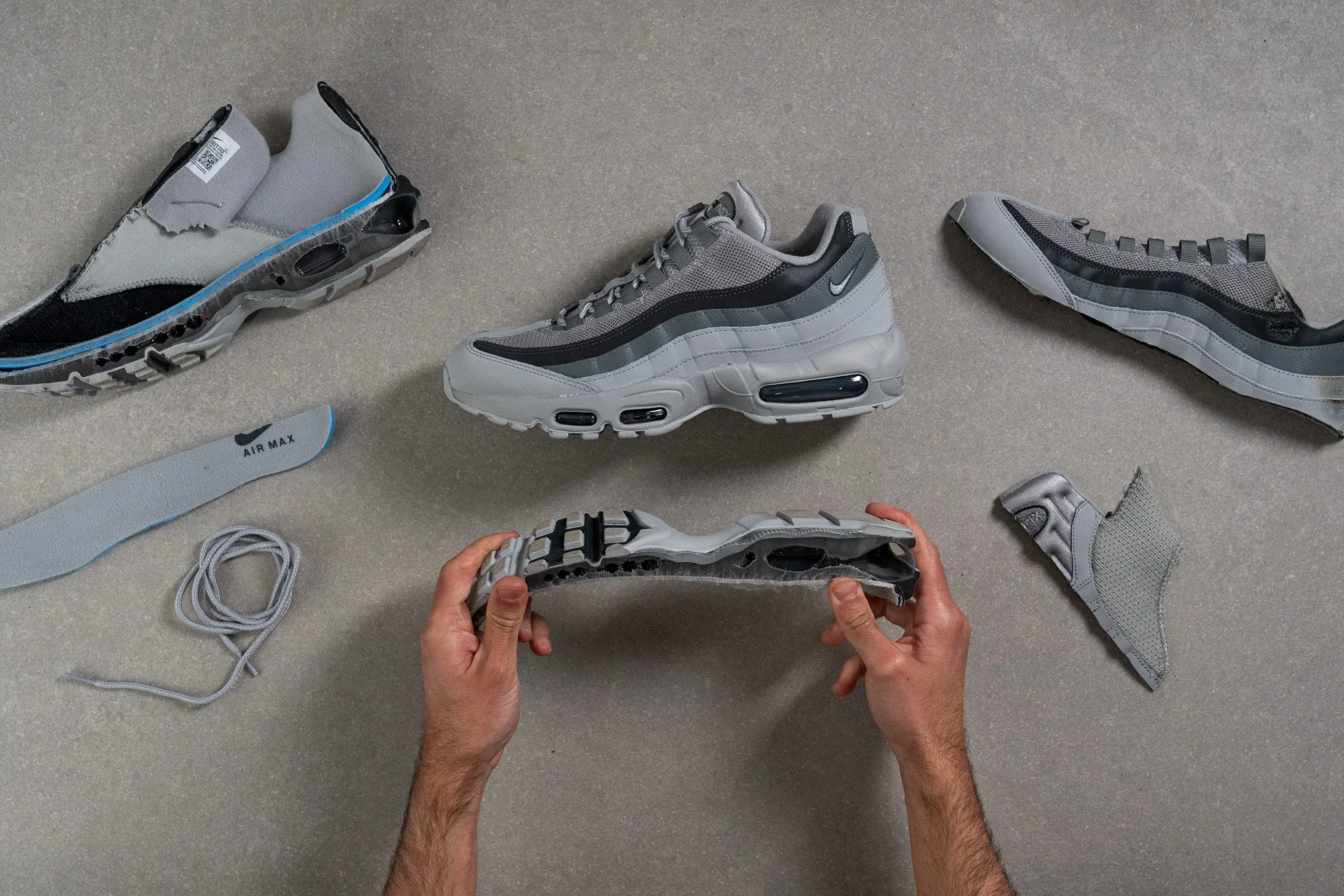
The mid-1990s were not designed for ambiguity in footwear. Categories were fixed, almost doctrinal. Basketball shoes belonged to hardwood courts. Running shoes existed in the disciplined rhythm of athletics. Skate shoes, meanwhile, were still carving out their identity—flat-soled, abrasion-resistant, and built with the brutal honesty of repeated impression.
Into this taxonomy stepped the Nike Air Max 95—a shoe that had no intention of respecting those boundaries.
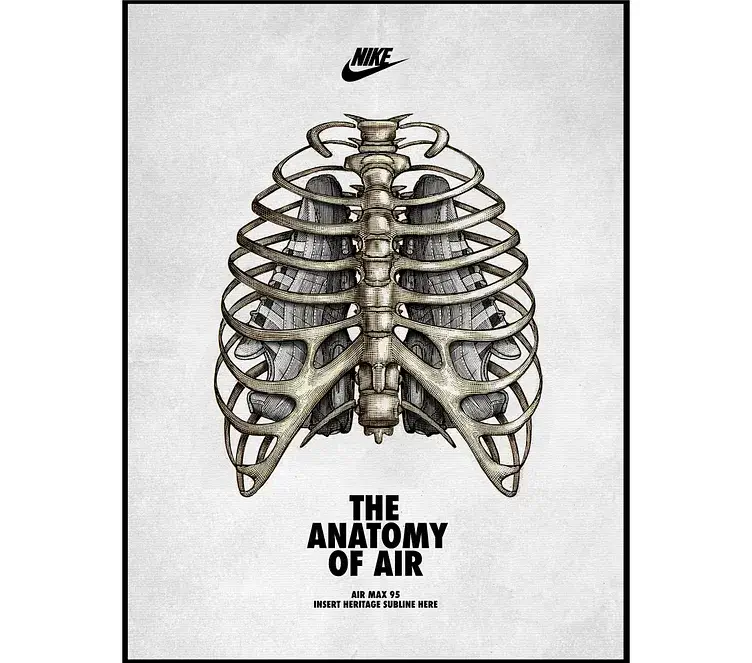
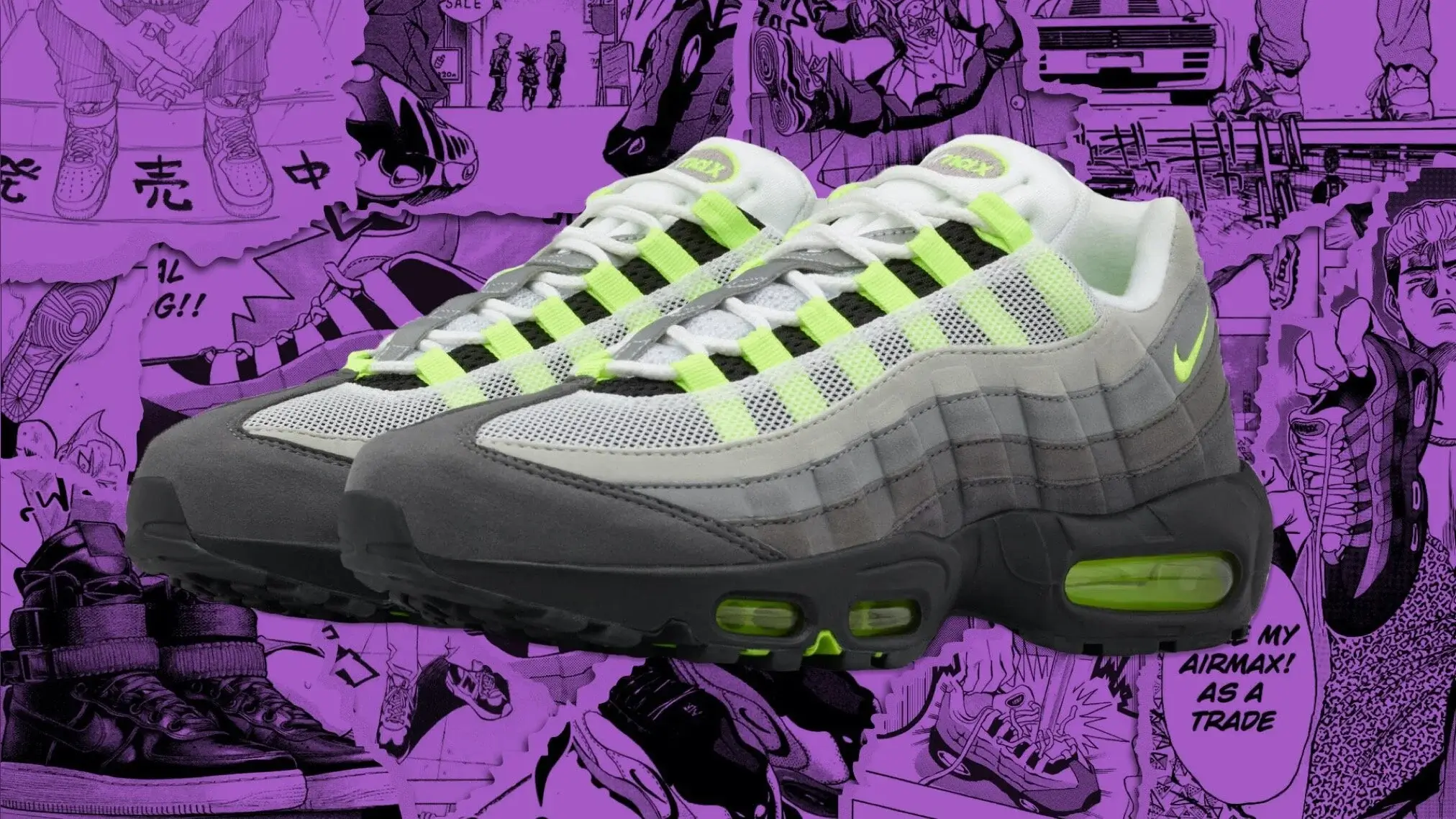
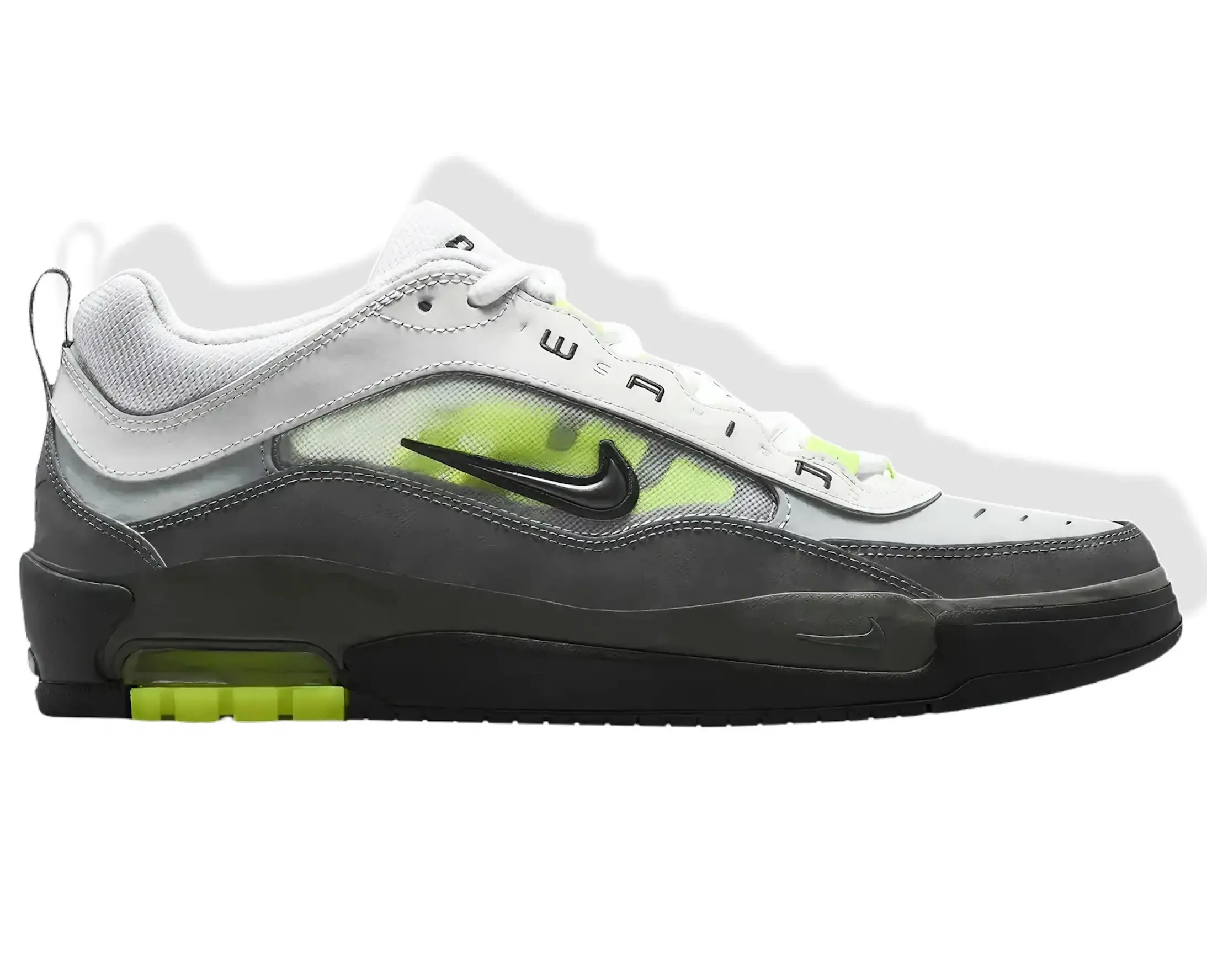
Originally conceived by Sergio Lozano as a performance running silhouette inspired by human anatomy, the Air Max 95 carried a layered upper mimicking muscle fibers, a spine-like midsole, and visible Air units that felt almost architectural. It was futuristic, aggressive, and entirely unsuited—on paper—for skateboarding.
Yet that is precisely why it mattered.
View this post on Instagram
retro
Before the Air Max 95 entered the periphery of skate culture, the dominant visual language of skate shoes was grounded in utility. Brands like Vans, Etnies, and DC Shoes prioritized:
- Flat vulcanized soles for board feel
- Reinforced ollie zones for durability
- Suede uppers for grip and abrasion resistance
- Minimal cushioning to maintain control
The aesthetic followed function. Shoes were often bulky but intentionally simple, built for punishment rather than spectacle. Even as skateboarding edged into mainstream visibility, its footwear remained insular—designed by skaters, for skaters.
The Air Max 95 disrupted this ecosystem not by trying to compete—but by existing outside of it entirely.
pervade-raid
Where traditional skate shoes flattened experience, the Air Max 95 elevated it—literally and metaphorically.
Its most radical feature was the visible forefoot Air cushioning. While previous Air Max models had introduced visible units, the 95 redistributed them, placing emphasis on the forefoot in a way that altered gait and perception. The shoe’s stance was lifted, almost defiant.
For skateboarding, this was heresy.
Board feel—the sacred connection between foot and deck—was compromised by thick cushioning. The layered upper, while visually compelling, lacked the straightforward durability of suede panels designed specifically for grip tape abuse.
And yet, skaters wore them.
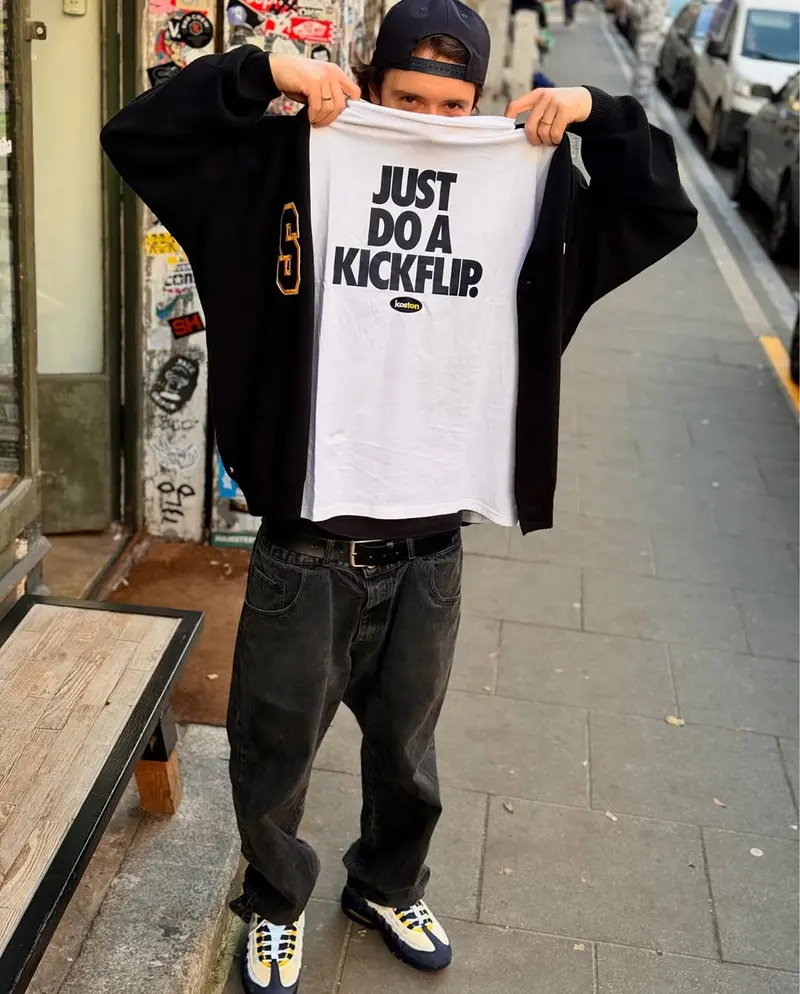
Not in competition. Not in sanctioned environments. But in the streets, in the margins, in the off-board spaces where style began to matter as much as function.
show
What the Air Max 95 introduced into skate culture was not technical superiority, but symbolic power.
By the late 1990s and early 2000s, skateboarding had begun to intersect more visibly with music, fashion, and youth identity. The rise of streetwear blurred categorical boundaries. Sneakers were no longer just tools—they were statements.
The Air Max 95, with its gradient uppers and neon accents, became a visual anchor in this shift.
It didn’t replace skate shoes. It reframed them.
Suddenly, what you wore to the spot—and not just what you skated in—became part of the narrative. The Air Max 95 existed in that liminal space: too technical to be purely lifestyle, too stylized to be purely functional.
It suggested that skate culture could absorb influence without losing authenticity.
influ
Unlike later eras where collaborations between skate brands and major sportswear companies became standard, the Air Max 95 infiltrated skate culture organically.
There was no co-sign. No campaign.
Its adoption mirrored similar patterns in hip-hop communities, particularly in cities like London and New York, where the silhouette became synonymous with urban identity. Skaters, often operating at the intersection of multiple subcultures, absorbed the shoe through proximity rather than endorsement.
This mattered.
Because it meant the Air Max 95 didn’t dilute skate culture—it expanded its vocabulary.
lang
The visual language of skate shoes began to shift in subtle ways following the Air Max 95’s rise.
While core performance models remained grounded in function, off-board footwear—and eventually even some on-board designs—started to incorporate:
- More aggressive paneling
- Layered materials beyond simple suede
- Color gradients and bold accents
- Increased cushioning experimentation
Brands that had once resisted overt stylization began to explore it, albeit cautiously. The influence was not direct imitation, but atmospheric pressure—a gradual recalibration of what a skate shoe could look like.
Even the emergence of chunkier silhouettes in the late 1990s and early 2000s can be read, in part, as a response to the visual dominance of models like the Air Max 95.
nike
It would take years before Nike SB formally entered the skateboarding space. When it did, it faced resistance. Skateboarding, protective of its autonomy, viewed corporate intrusion with skepticism.
But the groundwork had already been laid.
The presence of models like the Air Max 95 in skate-adjacent spaces had familiarized a generation of skaters with Nike’s design language. By the time Nike SB launched in the early 2000s, the idea of a non-core brand participating in skate culture was no longer entirely foreign.
In a sense, the Air Max 95 functioned as a Trojan horse—not through strategy, but through cultural osmosis.
blur
The Air Max 95 never became a true skate shoe. It was not optimized for flick, grip, or board control. Its cushioning, while comfortable for walking, introduced instability for technical tricks.
But this mismatch created a productive tension.
It forced a distinction between skating and skate culture—between the act and the identity.
You could skate in Vans and wear Air Max 95s to the after. You could embody skate culture without being bound to its functional uniform. This separation opened the door for greater stylistic experimentation within the community.
It also mirrored broader shifts in fashion, where authenticity began to be expressed through curation rather than adherence.
leg
Today’s skate footwear exists in a landscape that would have been unrecognizable in the early 1990s.
Models like the Nike SB Dunk, Adidas Tyshawn, and others reflect a synthesis of performance and style that owes something—however indirectly—to the disruption initiated by the Air Max 95.
Cushioning technologies have advanced. Aesthetic considerations are no longer secondary. Collaborations between skate brands and high-fashion labels are not anomalies but expectations.
The boundaries have dissolved.
how
Nearly three decades after its release, the Air Max 95 remains a fixture—not just in sneaker culture, but in the broader conversation around design and identity.
Its endurance is not solely due to nostalgia. It is rooted in the way it redefined possibility.
By existing outside of skateboarding yet influencing it profoundly, the Air Max 95 demonstrated that cultural impact does not require direct participation. Sometimes, the most significant shifts come from adjacent spaces.
It flipped the script not by becoming a skate shoe, but by making skate shoes reconsider themselves.
sum
The story of the Air Max 95 within skate culture is not one of conquest, but of quiet disruption.
It did not arrive with the intention to belong. It did not conform to the expectations of the community it would influence. Instead, it offered an alternative—a different way of thinking about footwear, identity, and expression.
In doing so, it expanded the frame.
Skateboarding, long defined by its resistance to external influence, absorbed the Air Max 95 not as a compromise, but as an evolution. The shoe’s presence suggested that authenticity was not fragile—that it could withstand, and even benefit from, outside ideas.
And in that subtle shift, the script was flipped.