Alto Art 01 and Bernar Venet: The Architecture-Inspired Watch Refine

April 7, 2026
1 hour ago
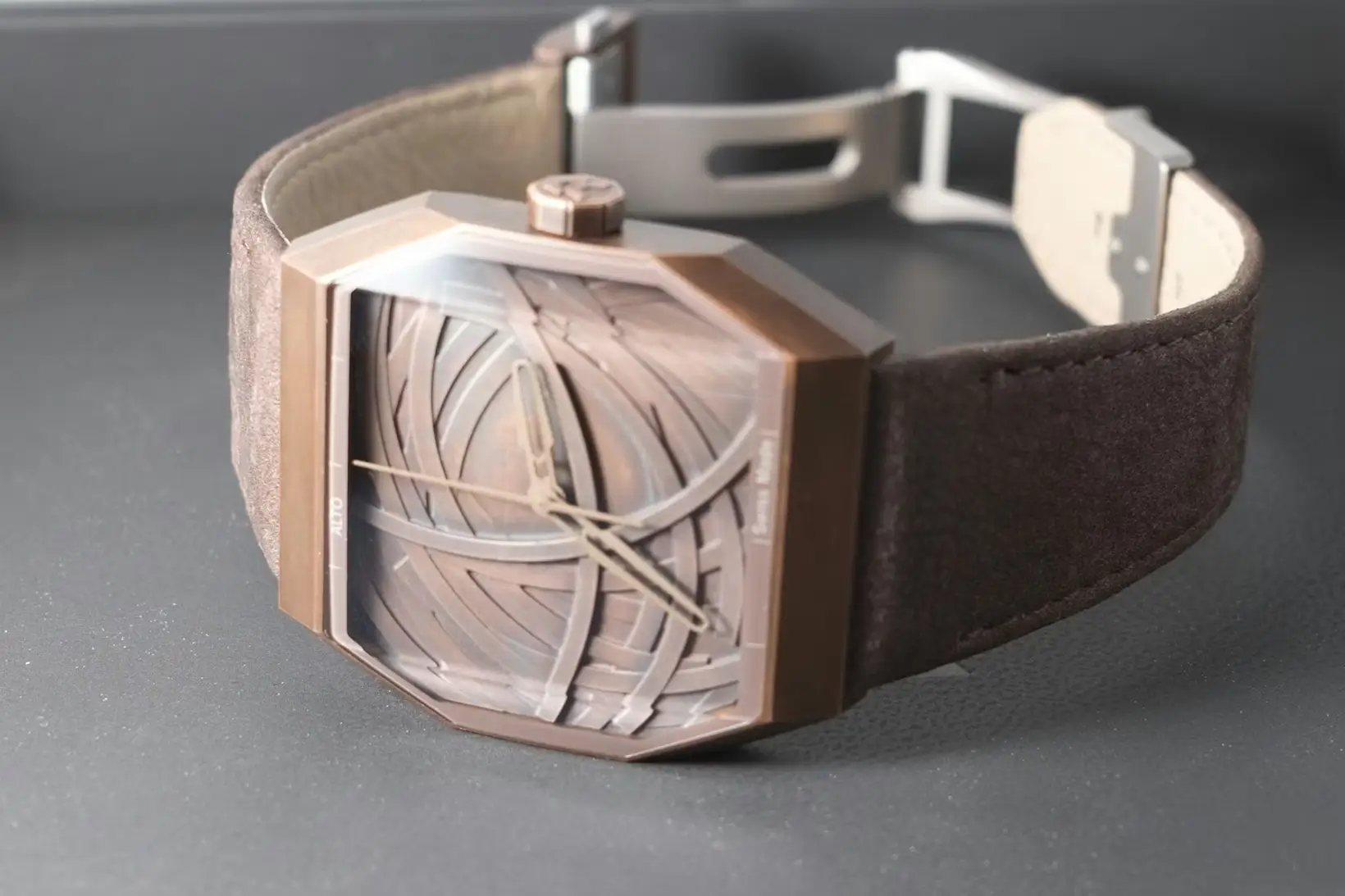
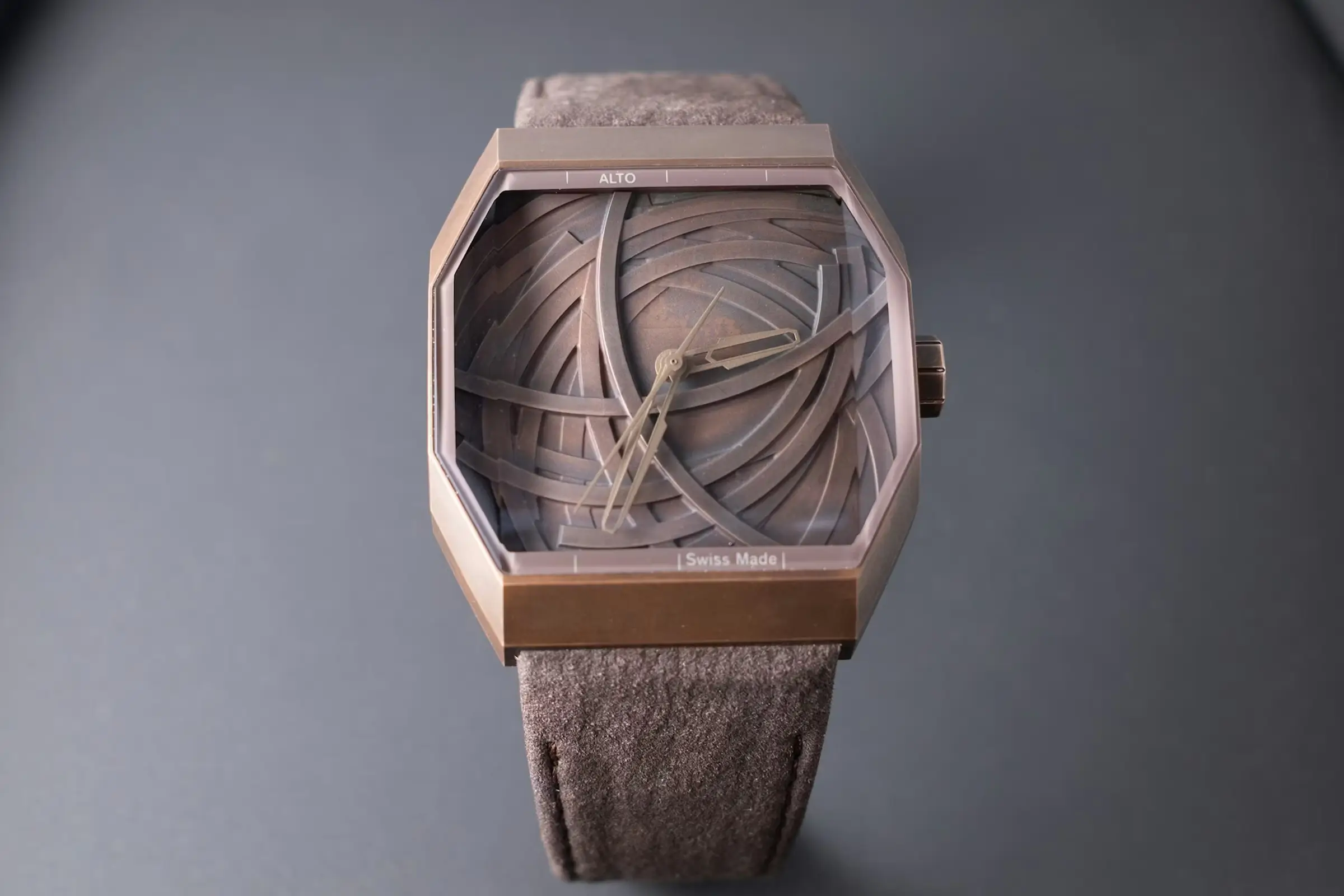
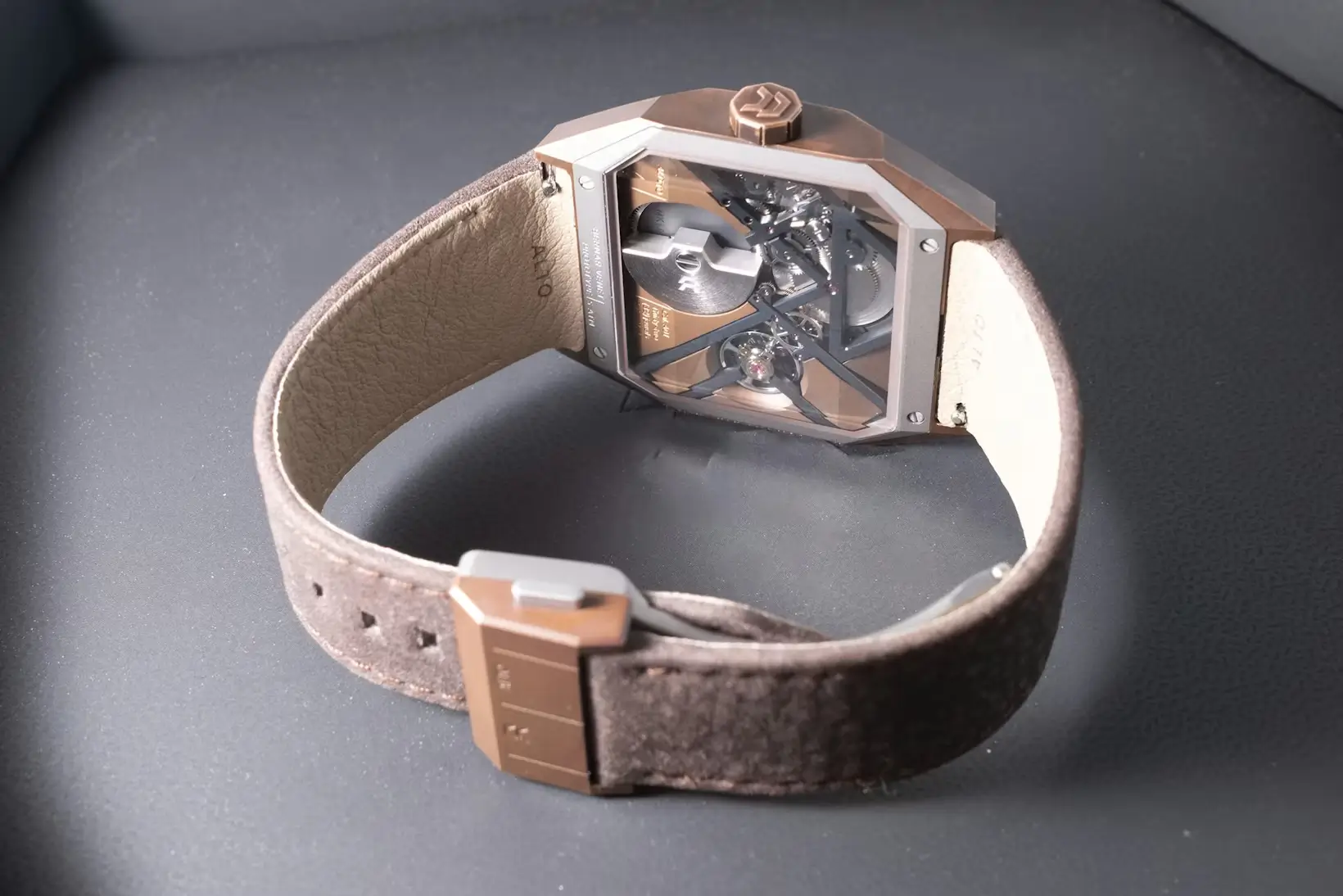
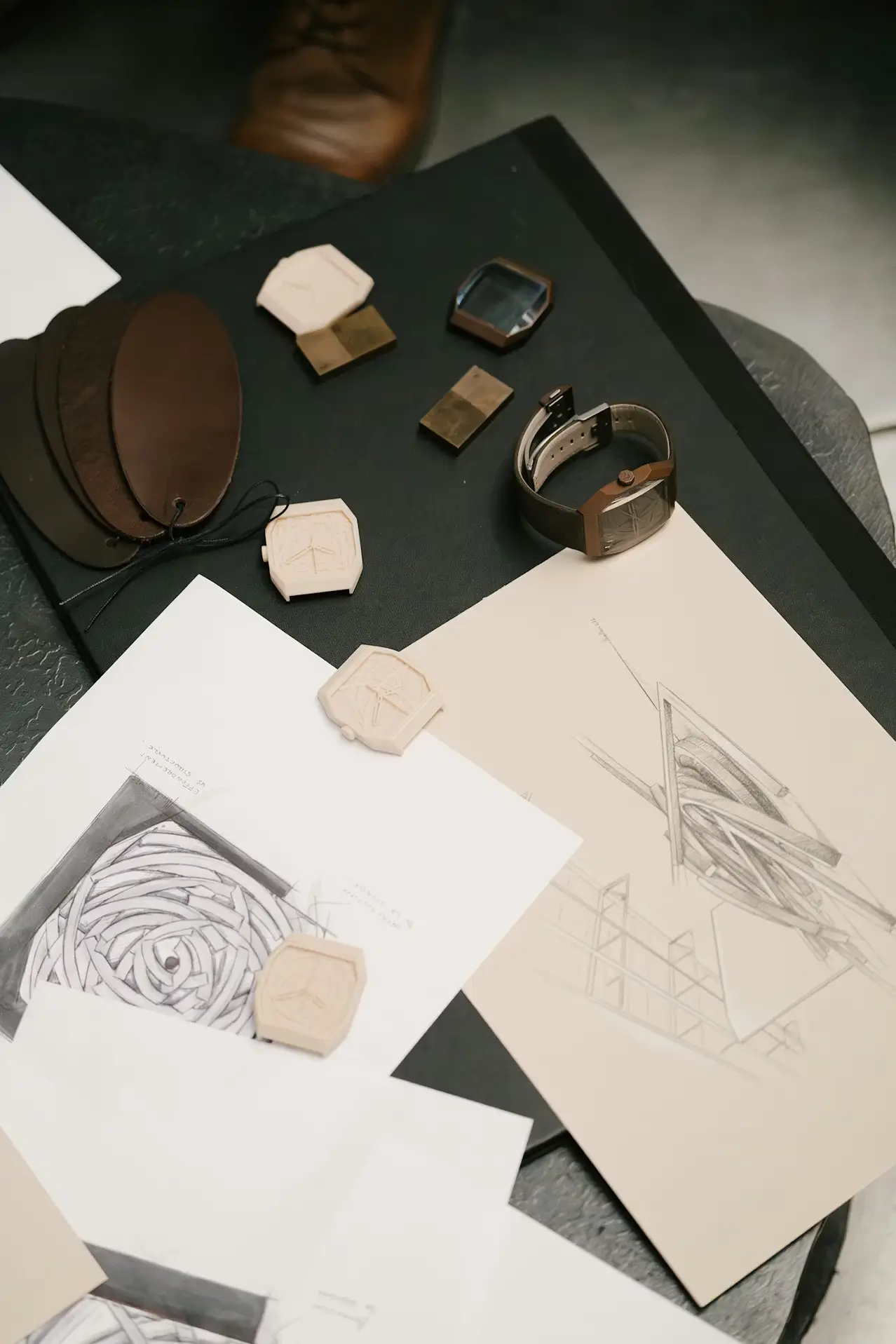
There’s an certain discipline in starting from nothing—no references, no nostalgia, no inherited codes to soften the landing. Alto begins there. The Art 01 doesn’t arrive as a reinterpretation or a tribute. It arrives as a clean break.
It doesn’t ask to be understood through history. It asks to be seen.
View this post on Instagram
idea
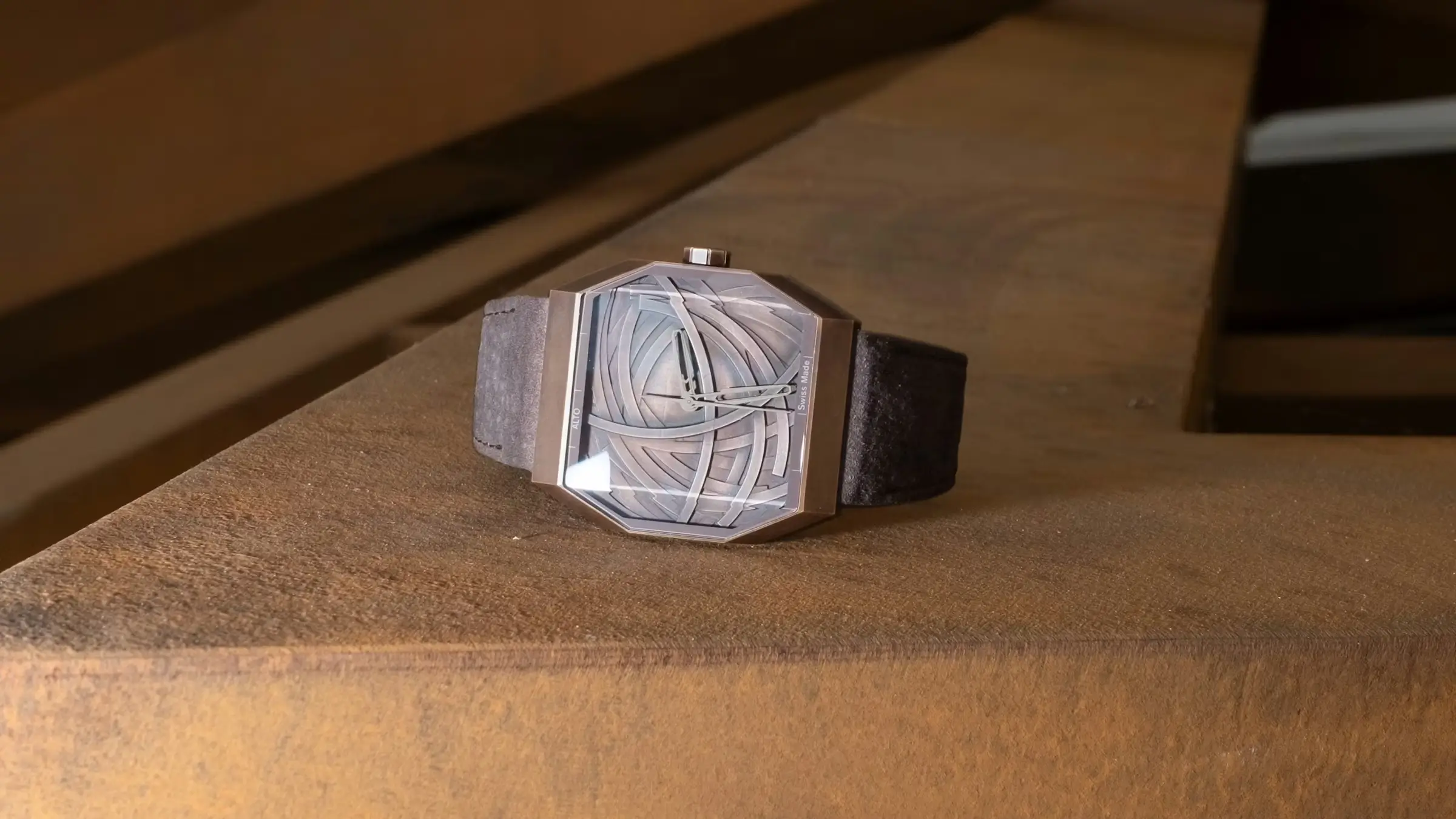
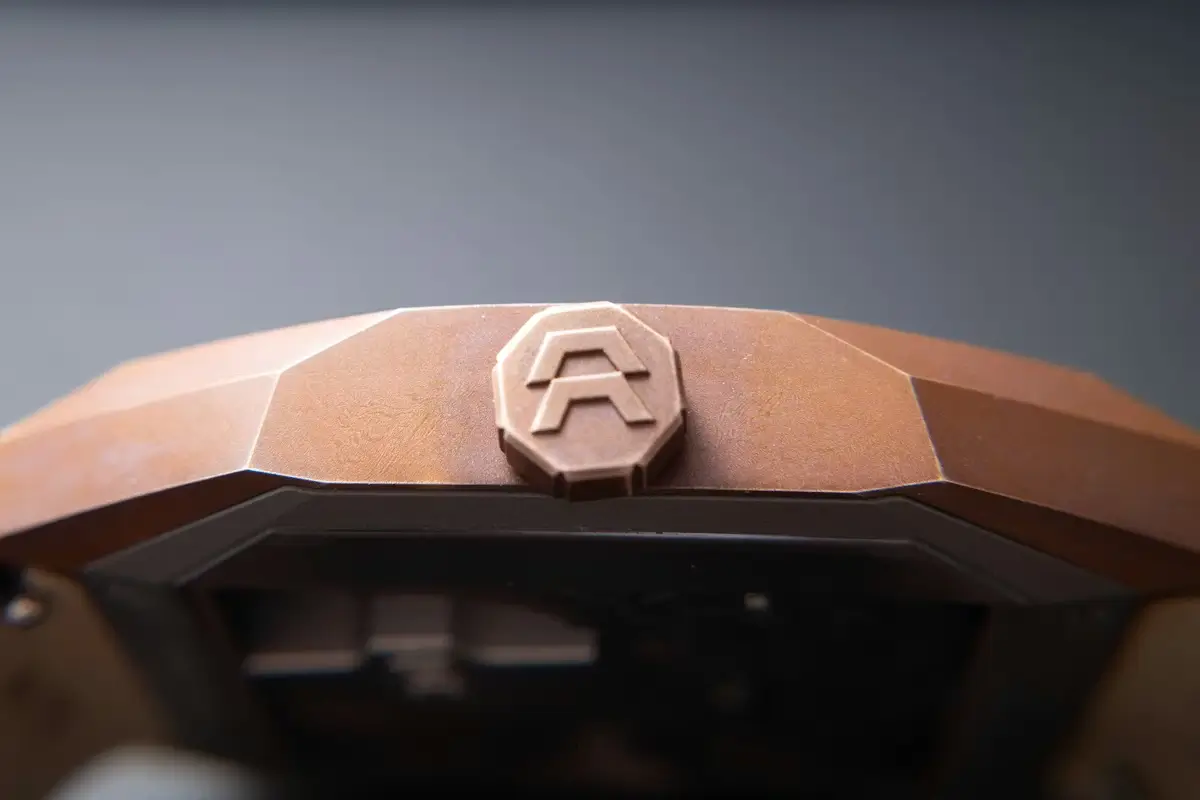
The Art 01 doesn’t introduce itself through complications or heritage cues. It leads with form. The first impression is not about timekeeping—it’s about structure. The case defines everything: sharp, deliberate, almost architectural in its presence.
There’s no attempt to smooth the experience. Edges remain edges. Surfaces meet abruptly. The geometry feels resolved to the point of finality, as if any adjustment would disrupt the balance.
It doesn’t feel designed to please. It feels designed to hold.
View this post on Instagram
people
Thibaud Guittard and Raphaël Abeillon bring backgrounds shaped by institutions like Audemars Piguet and Cartier, but Alto doesn’t carry those signatures forward.
If anything, their influence is visible in what’s been removed. The Art 01 doesn’t layer meaning—it distills it. It avoids the ornamental instincts that often define haute and instead leans into precision, proportion, and restraint.
What remains is not minimalism in the soft sense. It’s reduction with intent.
flow
The watch reads like a piece of architecture reduced to wrist scale.
There’s a density to it—not in weight, but in how the surfaces interact. Light doesn’t glide across it; it breaks. Planes catch facade in sharp transitions, creating contrast without relying on decoration.
The brutalist reference is present, but not literal. It’s an attitude more than a style. A commitment to structure over surface. A sense that the object exists because it needs to, not because it wants to impress.
It occupies space rather than filling it.
stir
Beneath that architectural stillness, there’s a different energy—something closer to movement.
The Art 01 carries echoes of 1970s automotive design, particularly the wedge-shaped concept cars that treated geometry as propulsion. Even at rest, those forms suggested speed. The same logic applies here.
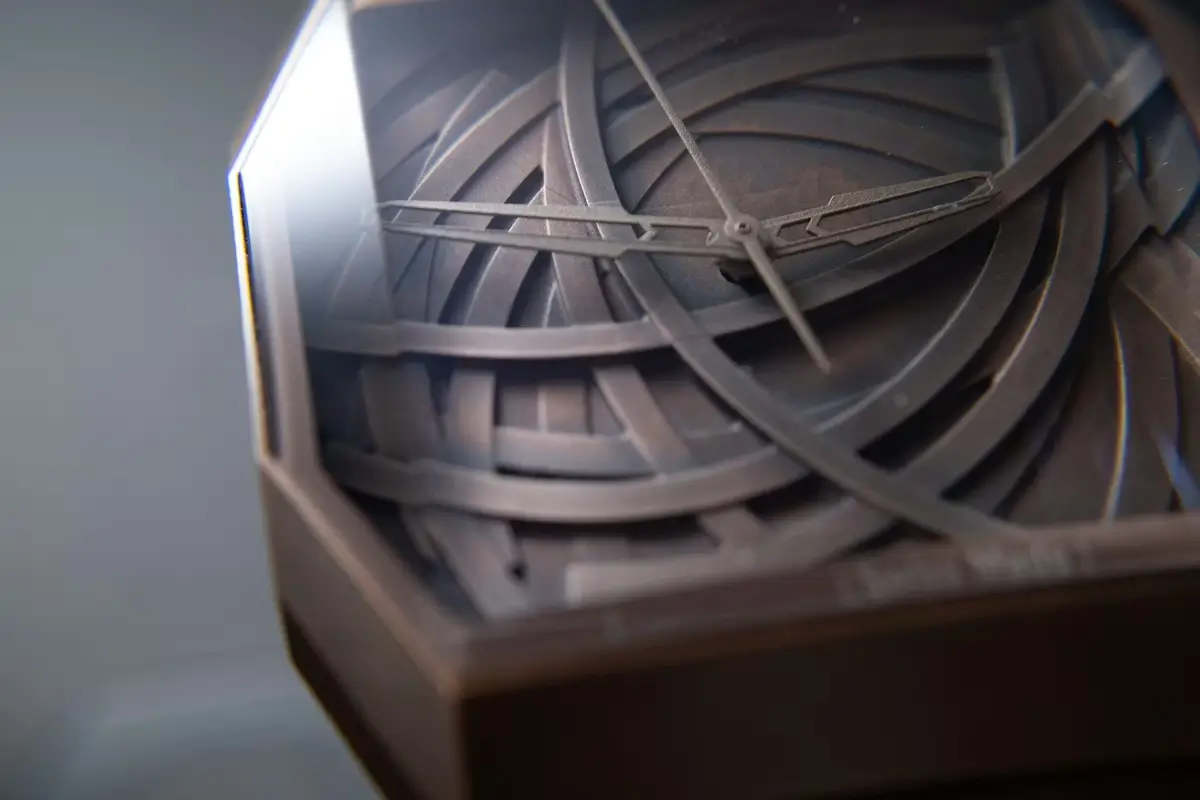
Viewed from different angles, the watch shifts. Depth appears where there seemed to be flatness. Lines extend, converge, redirect. It feels directional without moving.
Not dynamic, exactly—but charged.
pos
Time is present, but it’s not the point.
The display doesn’t dominate the object. It sits within it—integrated, controlled, secondary. Reading the time becomes an intentional act rather than a reflex.
This changes the relationship entirely. The watch no longer exists to serve time alone. It becomes something you engage with, not just consult.
Function recedes. Presence takes over.
struct
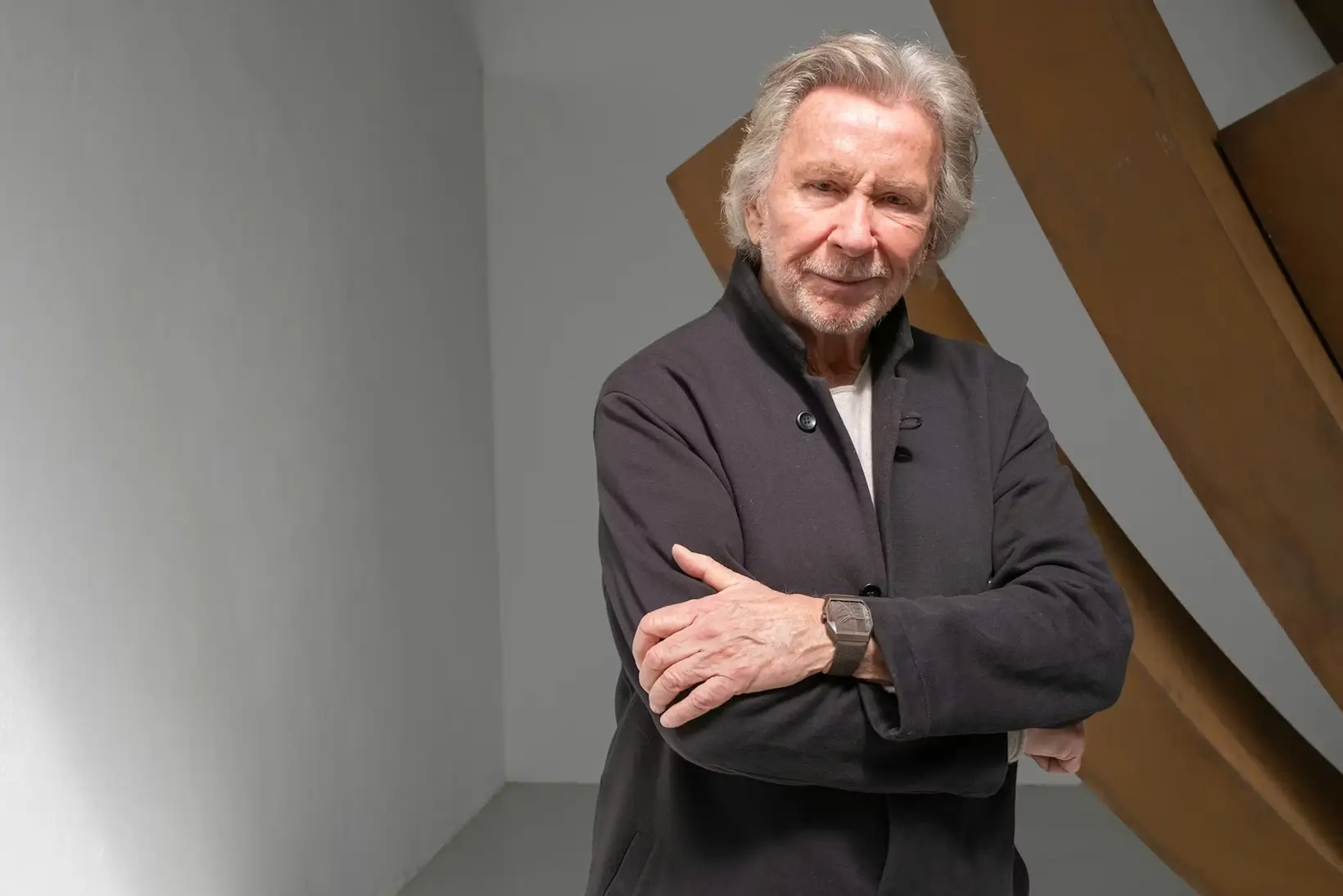
The collaboration with Bernar Venet doesn’t announce itself. It operates quietly, almost invisibly.
Venet’s work revolves around line—not as decoration, but as structure. His arcs and angles exist in tension, balanced but never static. That same thinking filters into the Art 01.
The lines of the watch don’t outline the object. They define it. They hold its form in place, creating a sense of controlled tension across the case.
There’s no translation of his work onto the surface. No literal reference. Just a shared logic.
show
What’s absent is as important as what’s present.
There’s no attempt to layer artistic identity onto the watch. No graphic intervention, no visible signature. The collision avoids becoming an overlay.
Instead, it integrates at the level of design thinking. The watch doesn’t carry the collaboration—it absorbs it.
The result is singular. Not a meeting of two ideas, but a continuation of one.
archetype
The Art 01 is Swiss-made, technically resolved, and precisely executed. But it doesn’t emphasize that.
The mechanics are there, functioning as they should, but they don’t lead the narrative. There’s no insistence on complication as value, no need to foreground what’s inside.
The emphasis stays on what’s visible. On how the object exists in space.
It’s a different kind of confidence—one that doesn’t rely on explanation.
View this post on Instagram
wear
The Art 01 doesn’t adapt itself to the wearer. It maintains its identity regardless of context.
On the wrist, it behaves like a fixed form placed in motion. Light hits it sharply. Edges remain pronounced. It doesn’t disappear under clothing or soften with use.
This makes it less universal, but more precise. It’s not designed for every situation. It’s designed to remain consistent.
indie
Alto occupies a space adjacent to traditional watchmaking rather than within it.
It doesn’t compete on heritage or mechanical innovation. It operates through design—drawing from architecture, industrial objects, and contemporary art to build a different kind of language.
This positions the watch as something beyond category. Not strictly horological. Not purely artistic.
Something in between, but stable.
clue
In the end, the Art 01 is defined by its refusal to soften.
Every line is deliberate. Every surface contributes. There is no excess, but also no concession. The object exists exactly as it intends to.
Under the direction of Thibaud Guittard and Raphaël Abeillon, and in quiet dialogue with Bernar Venet, Alto has created something that resists interpretation as much as it invites it.
Not a watch defined by time.
An object defined by form.