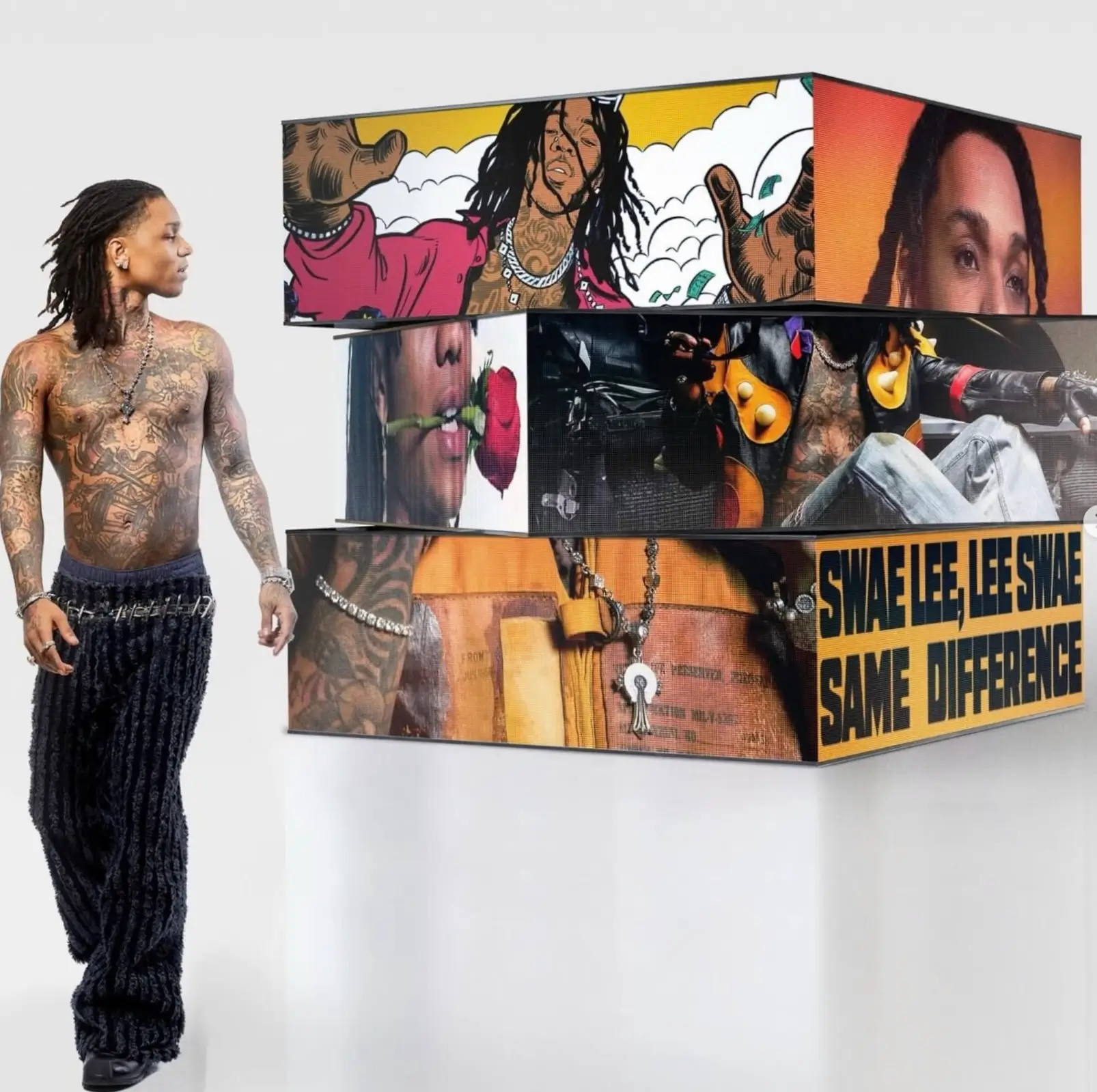
Aminé’s “Vitamin D” Rap: A Bright Force in Hip-Hop’s Evolving Landscape

April 14, 2025
12 months ago
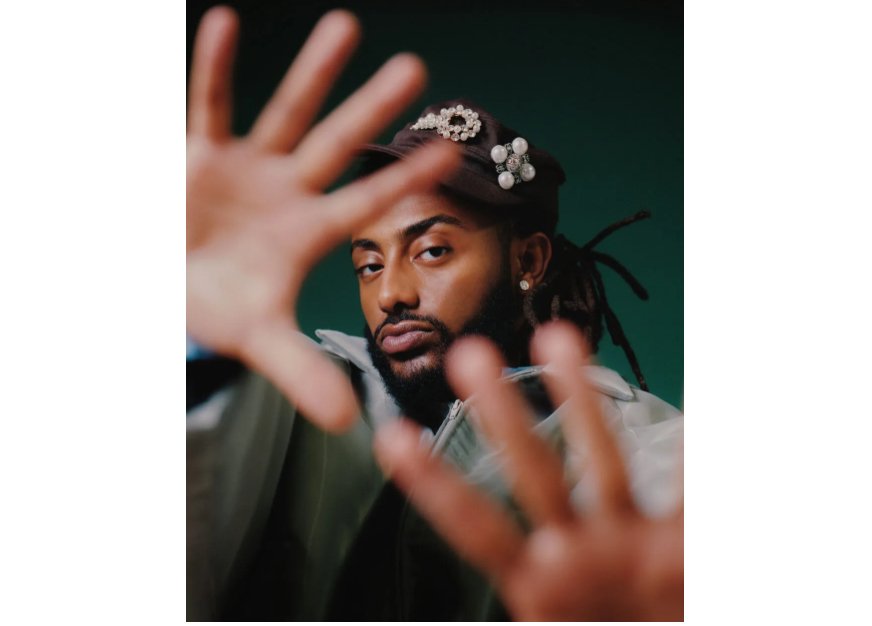
In a genre often associated with darkness, Aminé brings the light.
His self-coined style—“Vitamin D” rap—glows with good energy, musical risk-taking, and cultural authenticity. Since dropping out of college to chase a dream, he’s built a career marked by vibrant soundscapes, clever lyricism, and a refusal to conform. Across three studio albums, four mixtapes, and billions of streams, Aminé has managed to stay weird, stay real, and stay ahead.
Aminé’s uplifting hip-hop style doesn’t just sound good—it represents a subtle rebellion. In a musical landscape that often rewards nihilism, he dares to be joyful, layered, and imaginative. His music is both lighthearted and substantial, colorful but rooted. It’s this delicate balance that gives Vitamin D rap its potency and cements Aminé as one of the genre’s most refreshing voices.
Early Life and Musical Genesis
Adam Aminé Daniel was born and raised in Portland, Oregon—a city not exactly known for producing rap stars. His parents, Ethiopian and Eritrean immigrants, instilled in him a strong sense of culture, identity, and independence. Growing up bilingual and bicultural in a predominantly white city shaped Aminé’s worldview. It gave him the perspective of an outsider, which he turned into a creative strength.
Before music, Aminé dabbled in journalism and film. His artistic inclinations were clear early on, but it wasn’t until he began making diss tracks against rival high schools that his rap skills started to shine. What began as friendly competition quickly evolved into something more serious. Music became his way of speaking truth, challenging expectations, and sharing joy.
The world got its first real taste of Aminé in 2016, with the explosive success of “Caroline.” The song—a self-produced, melodic banger—went triple platinum and topped charts, but it was more than a catchy hit. It introduced listeners to a rapper who didn’t sound like anyone else: playful, melodic, self-aware. With just one track, Aminé cracked the mainstream without sacrificing a shred of his originality.
The Emergence of “Vitamin D” Rap
The term Vitamin D rap didn’t come from a record label or a marketing exec—it came from Aminé himself. It’s a way of describing music that feels like sunlight: warm, energizing, and necessary. His sound, while rooted in hip-hop, pulls from funk, pop, R&B, electronic, and even indie rock influences. But it’s more than just genre fusion—it’s a mood, a worldview.
In Good for You (2017), Aminé’s debut studio album, the blueprint is clear. From the tropical bounce of “Spice Girl” to the vulnerable introspection of “Turf,” the album feels like a bright summer afternoon that still allows for shade. It’s not happiness for the sake of being happy—it’s about choosing optimism without ignoring reality. That’s what makes his positive rap genre hit harder: it’s earned, not forced.
This feel-good music has an intentionality that’s rare in the streaming age. Aminé isn’t chasing trends—he’s building a vibe. He’s created a space in hip-hop where joy, wit, and emotional honesty coexist. It’s music for people who want to dance and think, nod their heads and feel seen.
Artistic Evolution and Collaborations
Artists get stuck when they chase their first hit forever. Aminé didn’t. Instead of trying to make “Caroline 2.0,” he kept evolving.
Limbo (2020) was a turning point. More grounded, more introspective, the album explored themes of purpose, mortality, and creative growth. It wasn’t afraid to slow down. Tracks like “Compensating” featuring Young Thug balanced sharp verses with melodic hooks, while “Becky” tackled interracial dating with vulnerability and nuance. This was no longer the quirky newcomer. This was an artist with something to say.
TWOPOINTFIVE (2021) leaned into the experimental—short, punchy tracks layered over glitched-out beats, AutoTune flourishes, and unfiltered thoughts. It felt like a musical sketchbook: chaotic, fun, but full of intent. Aminé made it clear he wasn’t afraid to get weird—and that weirdness was exactly the point.
Then came KAYTRAMINÉ in 2023, a full-length collaboration with celebrated producer Kaytranada. The duo’s album was a masterclass in vibe: danceable, moody, lush, and hypnotic. It marked Aminé’s leap into electronic-infused hip-hop, and it worked. Critics praised the project for its cohesiveness, sonic experimentation, and grown-up grooves. It expanded his audience and showed his range.
Collaborating with everyone from Kehlani and Injury Reserve to JID and Freddie Gibbs, Aminé has proven he can hold his own with lyrical heavyweights and creative producers alike. He’s not just a rapper—he’s a full-spectrum artist.
Visual Aesthetics and Fashion Influence
Aminé isn’t just an earworm artist—he’s an image-maker. His visual universe is as distinctive as his sound. From album covers to music videos to Instagram posts, he curates his aesthetic with purpose and personality.
His visuals pop: bright yellows, clashing patterns, nostalgic fonts, surreal backdrops. Think Wes Anderson meets hip-hop. Whether he’s wearing a fur hat and Crocs or a vintage Nike tracksuit, Aminé’s eclectic fashion sense rejects the tired formulas of rap styling. He doesn’t need to project toughness to feel powerful—he leads with color, with confidence.
Collaborating with stylists like Tinbete Daniel and creatives like Erik Carter, Aminé has made fashion a key part of his brand. He’s been featured in GQ, profiled by Highsnobiety, and celebrated by the fashion world for his fearless style. In a genre often obsessed with monochrome and machismo, Aminé is a walking mood board of brightness and contradiction.
This visual boldness isn’t surface-level—it’s part of the Vitamin D philosophy. Look good, feel good, rap good.
Cultural Impression and Representation
In a hip-hop industry still lacking diversity in cultural representation, Aminé’s presence matters. As one of the few high-profile Ethiopian-American artists in the mainstream, he brings much-needed visibility to East African narratives. But he doesn’t just rep his culture for clout—it’s woven into his music and identity.
Whether he’s dropping lines in Amharic or referencing traditional foods in interviews, Aminé blends cultural pride with creative flair. Songs like “Ethiopia” from TWOPOINTFIVE nod to his roots without turning them into gimmicks.
He also uses his platform to address race, identity, and social issues with humor and heart. From his BET Cypher performance in 2017, where he called out then-President Trump, to the inclusive casting in his music videos, Aminé consistently speaks to the times without preaching. He offers a version of hip-hop that’s socially conscious without being self-serious.
For many fans—especially first- and second-generation immigrants—he’s more than a rapper. He’s proof that you can be different and still make it.
Aminé in the Streaming Era
Navigating music in the digital age is a hustle. Algorithms reward predictability. Labels push artists to ride TikTok waves. But Aminé has resisted becoming a content machine. He plays the game enough to stay relevant—but never enough to lose himself.
He’s kept control over his sound and output. His social media presence is curated, often funny, and always on-brand. He doesn’t overshare, but he knows how to stay in the conversation. And when he drops, fans show up—because they trust that whatever comes next won’t be half-baked.
That kind of trust is rare. And it’s a direct result of Aminé’s commitment to authenticity.
Looking Ahead: The Future of Aminé
With rumors of a new album brewing and tour dates already in motion, Aminé’s next chapter is full of potential. If the KAYTRAMINÉ project was a signpost, the future could see him embracing more genre-crossing sounds, bigger visuals, and deeper themes. But if history is any guide, he’ll do it his way.
What’s exciting about Aminé is that he never settles. Each project feels like a new skin—familiar voice, different clothes. He doesn’t cling to past versions of himself. That’s rare in an era where nostalgia often overshadows growth.
As he gears up for his next creative leap, Aminé isn’t just riding a wave—he’s building a body of work that will stand up over time. The sun doesn’t ask for attention—it just shines. And that’s exactly what Aminé’s Vitamin D rap continues to do in an industry that too often forgets how powerful a little brightness can be.
Final Word: Why Aminé Matters
Aminé matters because he reminds us what hip-hop can be. It can be bold without being aggressive. It can be funny and vulnerable. It can reflect cultural depth without turning into identity politics. It can evolve.
He’s not here to be the biggest rapper in the world. He’s here to be himself—and that’s exactly why he’s important. Because in a world full of clones, Aminé is original. And in a genre that thrives on authenticity, he’s a shining example of how to stay true while still leveling up.
Aminé’s sunny hip-hop sound isn’t just about being positive. It’s about creating space for joy, culture, emotion, and color in a landscape that too often flattens those things out. That’s what makes him a bright force—not just in hip-hop, but in music at large.