Anthony Mapstone: Still Rolling—A Lifelong Devotion to Skateboarding

May 7, 2025

photography by Tony Woodward
Across the cracked sidewalks and rusted railings of Melbourne’s urban sprawl, few names echo louder in the Australian skateboarding scene than Anthony Mapstone. A figure whose presence is woven into the very grain of the country’s street culture, Mapstone has endured and evolved with the sport he loves for over three decades. With a story rooted in humble beginnings and sharpened by decades of dedication, his journey is one of community, craft, and the kind of raw, unfiltered grit that defines skateboarding at its purest.
This is not a comeback narrative—Mapstone never left. Nor is it a nostalgic recap of faded glories. Rather, it’s an honest reflection of a man who simply kept skating. At 52, Mapstone remains an active force, not just pushing himself but also pulling others up, serving as a mentor and an emblem of what longevity in skateboarding can look like when fueled by authenticity and passion.
The Melbourne Blueprint
Long before the recognition, before collaborations and film parts, Anthony Mapstone was just another kid on a board, carving his path through Melbourne’s laneways. There was no blueprint for success in Australian skateboarding in the early ‘90s—just a tightly-knit community of skaters, photographers, and misfits documenting each other in grainy VHS and zine pages. For Mapstone, those early days weren’t about building a career—they were about finding identity and belonging.
Melbourne’s geography and infrastructure have long been a canvas for Australian skaters. The city’s arcades, curbs, and brutalist ledges offered an unpolished but endlessly inspiring playground. Mapstone absorbed it all. He watched as older skaters turned improvised tricks into poetry and began shaping his own style—loose, deliberate, and aggressive. He wasn’t chasing anything. He was just present.
This presence—both physical and cultural—would prove vital in what came next.
On the Shoulders of Community
What separates Mapstone from many of his contemporaries is not just skill but solidarity. As the Australian skateboarding scene began to solidify through the late ‘90s and early 2000s, Mapstone was both participant and pillar. While others pursued overseas sponsorships or dipped into more lucrative commercial paths, Mapstone remained committed to nurturing the scene at home.
He became a familiar face at comps, shop events, and local premieres—not as a figurehead, but as a contributor. He wasn’t simply there to take; he gave. He linked up younger skaters with sponsors, collaborated with filmmakers, supported fledgling brands, and kept an open door to anyone genuinely committed to the craft.
This is where his legacy deepens. Beyond footage and magazine spreads, Mapstone helped shape the cultural backbone of Australian skateboarding. He understood that a scene survives on more than talent—it needs cohesion, care, and continuity.
Skating Beyond Time
Skateboarding is notoriously youth-driven. The media tends to cycle through faces with little regard for longevity. But Mapstone never bowed to the pressure to perform on anyone else’s schedule. He skated through injuries, life transitions, and an evolving industry that often sidelines aging skaters.
So when he recently dropped a new part with Passport—the celebrated Australian brand known for its aesthetic rigor and cultural ties—it wasn’t a return, it was a reminder. The footage wasn’t forced. It was natural, drawn from day-to-day sessions with friends like Zoolz and Geoff Campbell. There was no marketing push or major media campaign behind it. Just skating.
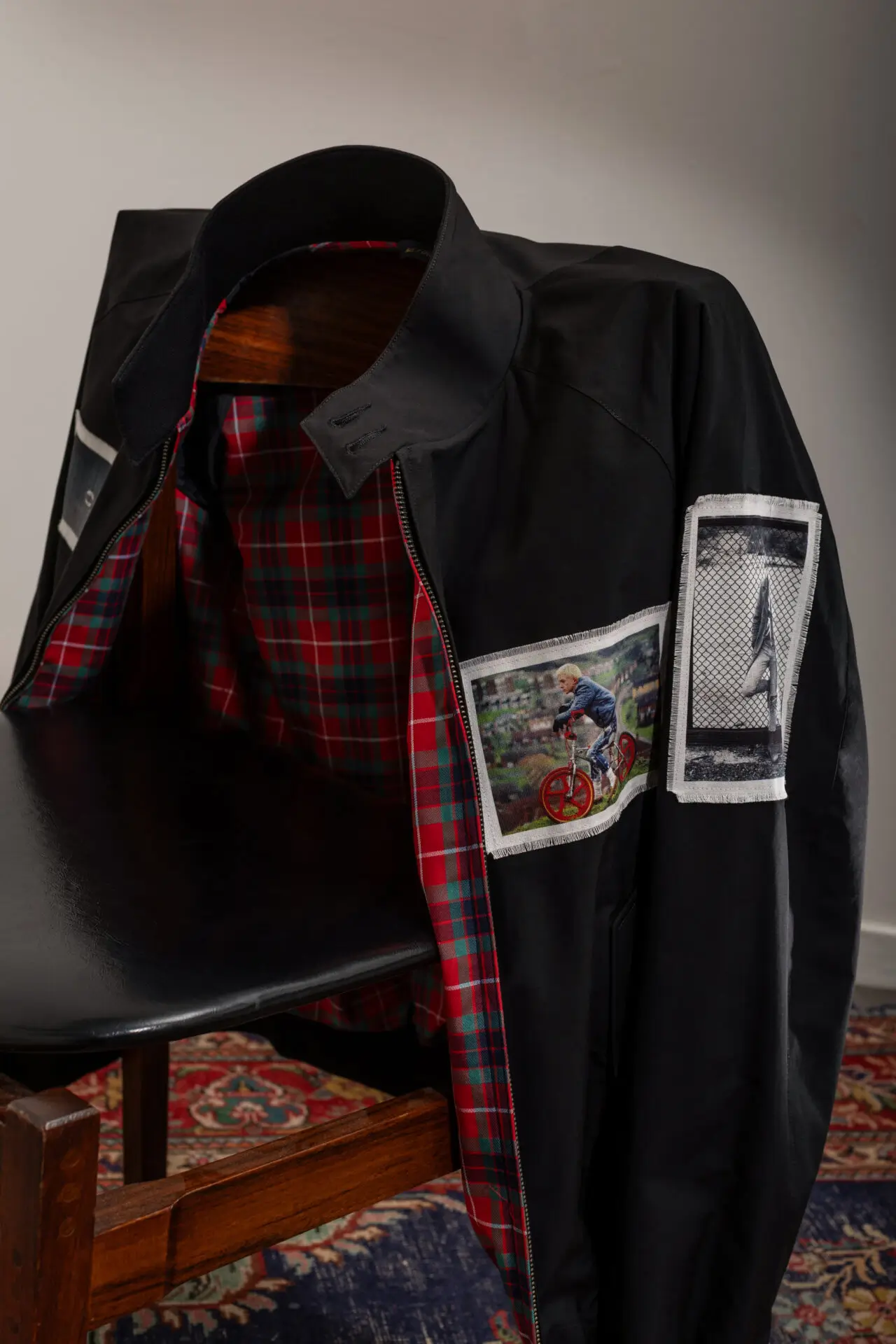
The part came alongside a special capsule collection and a guest board, both reflective of Mapstone’s legacy and current mindset. It wasn’t about nostalgia. It was about continuity—how one keeps rolling even when the terrain changes.
The Passport Connection
The Passport collaboration emerged organically. While in Sydney for an event in early 2024, Mapstone was invited to breakfast by Trent Evans and Jack “Sparkes” Kirk, two of the brand’s key figures. There, over coffee and casual conversation, they pitched the idea of doing something together: a capsule, a guest board, a part.
What could have felt like a career epilogue instead became a celebration of process and endurance. The footage, culled from informal sessions and quiet clips, is everything skateboarding should be: intimate, imperfect, and alive. It reminded viewers that style isn’t something taught—it’s something lived.
A Style That Stays
Mapstone’s approach to skateboarding has always reflected his philosophy: stay grounded, skate hard, and give back. His lines are fast but deliberate, his trick selection classic yet always sharp. There’s a certain restraint in his skating that feels almost meditative, especially in a time where viral clips often favor chaos and spectacle.
Style, in Mapstone’s case, is the result of decades of refinement. It’s not performative—it’s reflexive. Watching him move through a city block is like watching a craftsman at work. There are no wasted movements, no filler. Every push, every pivot, every grind is purposeful.
That same philosophy extends to his view of skateboarding as a whole. For Mapstone, the core is not commercial success, nor is it aesthetic trend-chasing. It’s connection—between skaters, between cities, between generations.
Mentorship Without Ego
Perhaps the most valuable role Mapstone plays today is that of mentor—not in the Instagram influencer sense, but as a steady, visible presence who quietly sets the standard. He doesn’t preach, he participates. Young skaters watch how he moves, how he communicates, how he treats the people around him. It’s this humility that keeps him relevant, not just respected.
In an era where influence is often confused with volume, Mapstone’s quiet consistency stands apart. He continues to show up—to spots, to premieres, to shop events—not as an icon, but as a peer. That, in turn, earns him more reverence than any curated legacy ever could.
Endurance in an Industry That Moves On
The industry surrounding skateboarding has changed drastically since Mapstone’s early days. There was a time when local shops were the beating heart of a scene, where videos circulated hand to hand, and when styles evolved city by city. Today, influence is more globalized, more digital, and—at times—more disposable.
Yet Mapstone has adapted without surrendering his ethos. He’s embraced collaboration while staying rooted. He understands the importance of visibility while refusing to commodify his narrative. He remains current by staying consistent.
Even more importantly, he’s shown what aging in skateboarding can look like when approached with intention. There’s grace in the way he navigates transitions—whether physical, cultural, or creative. For younger skaters unsure of what their thirties or forties might hold, Mapstone is a living case study in how to keep pushing without losing your center.
Skateboarding as a Lifelong Act
At its heart, Mapstone’s story is not just about skateboarding—it’s about devotion. To a craft. To a community. To an idea of movement that goes beyond sport. His narrative rejects the binaries of past vs. present, relevant vs. forgotten. It shows that with care, commitment, and love, skateboarding can be a lifelong act.
That doesn’t mean it’s easy. Staying in the game requires more than physical ability. It takes adaptation, humility, and an unwavering sense of self. But it’s possible—and Mapstone proves that with every clip, every session, and every piece of advice he shares with the next generation.
There’s no retirement party planned, no final part in the works. Because Mapstone isn’t chasing closure. He’s still skating. Still filming. Still mentoring. Still learning. And most importantly—still loving it.
Postscript
In a world increasingly obsessed with immediacy, Anthony Mapstone offers a lesson in endurance. He’s not skating to stay relevant; he’s relevant because he never stopped skating. His is a story not of stardom but of sustenance—of how the soul of skateboarding lives in the street-level devotion of people like him. For the true heads, that’s more inspiring than any trophy.