The Antwerp Six at MoMu: Revisiting a Bequest That Still Shapes Fashion

March 28, 2026
2 hours ago
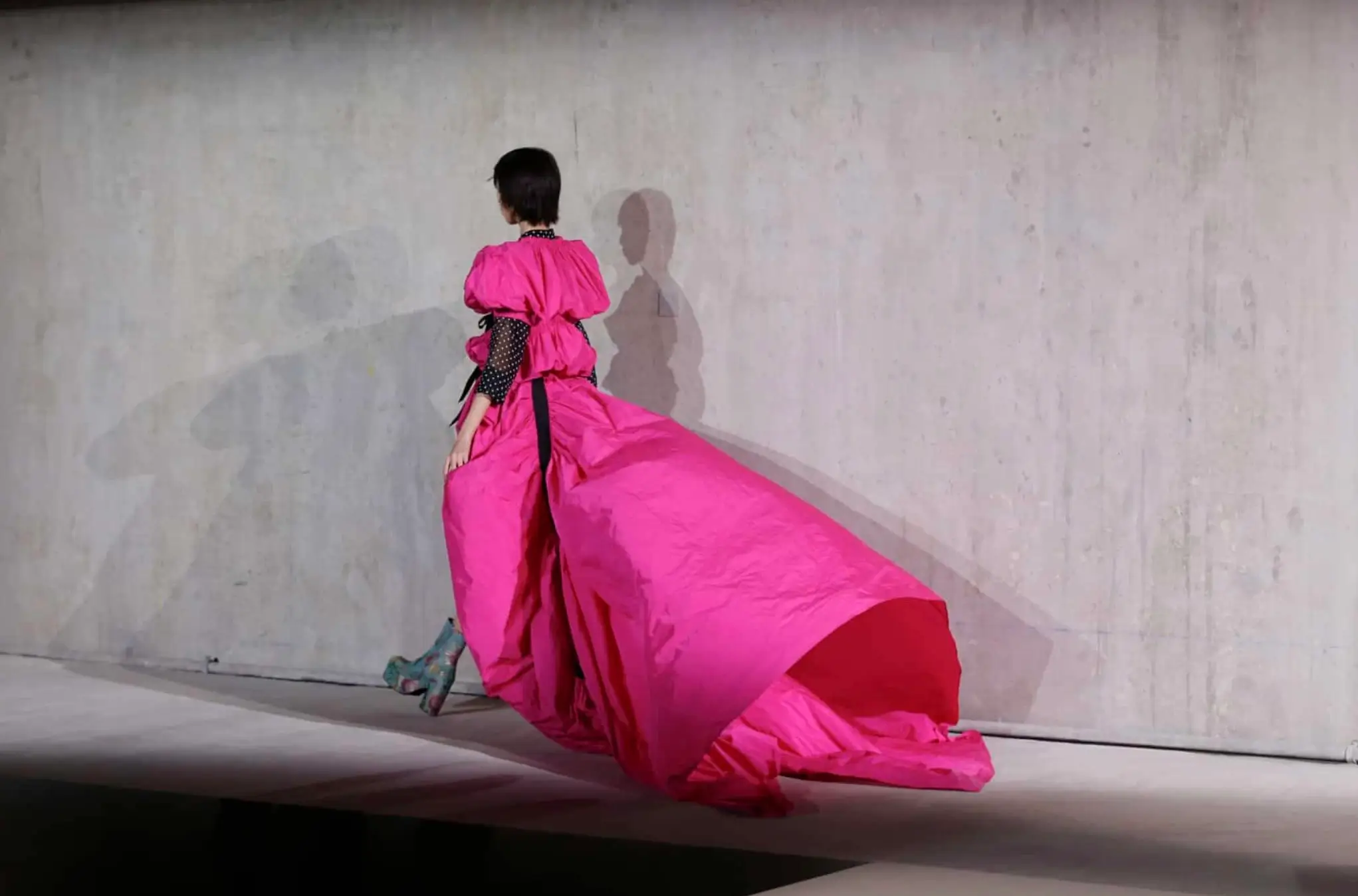
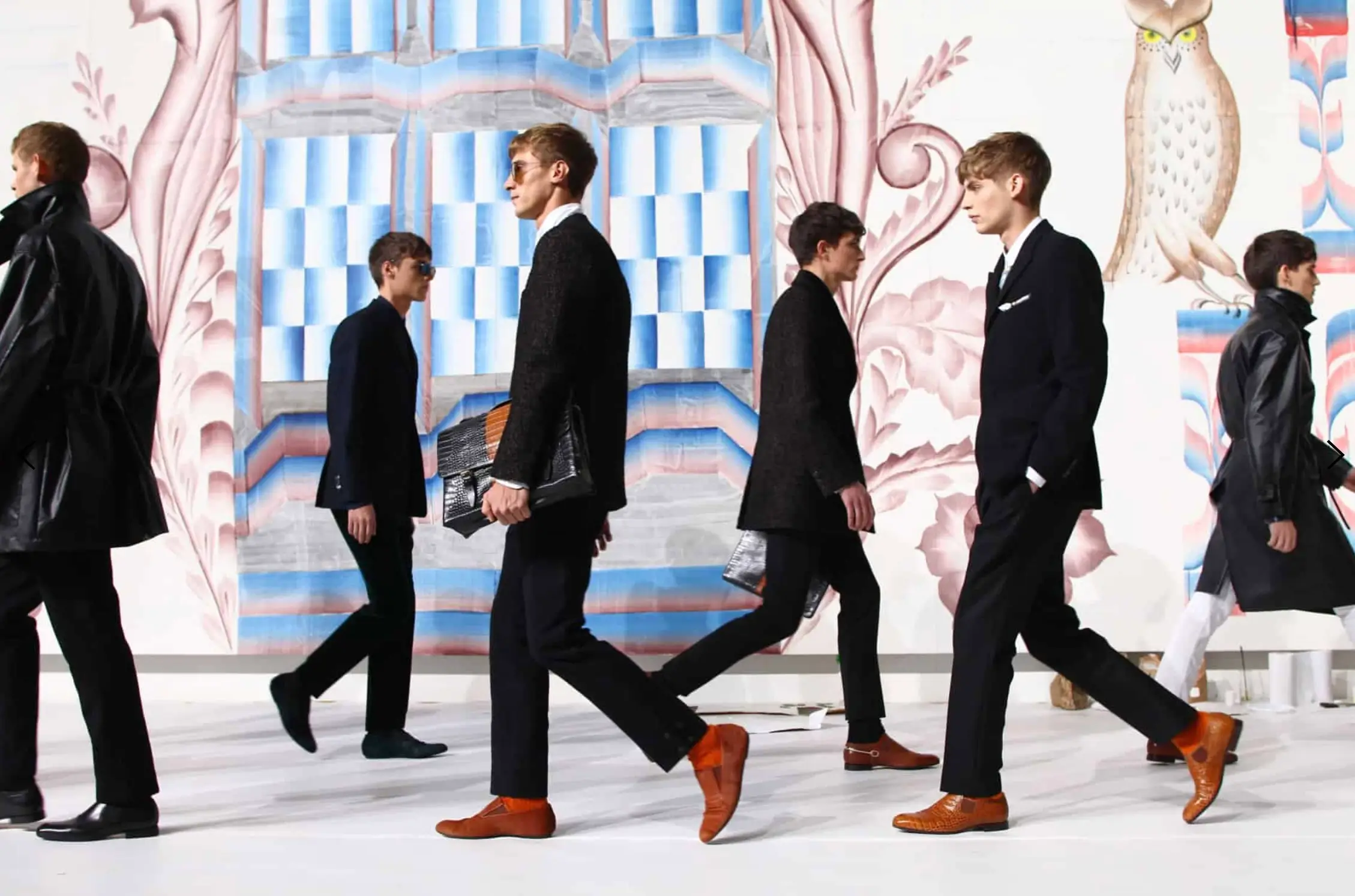
There are cities that dominate fashion through scale, and then there are cities that reshape it through thought. Antwerp belongs to the latter. Its influence was never built on spectacle or volume, but on a quieter, more rigorous proposition: that fashion could function as a language rather than a system. The exhibition at MoMu – Fashion Museum Antwerp revisits that proposition through the lens of six designers whose names have long since detached from their origin story. Yet the origin still matters—not as nostalgia, but as structure.
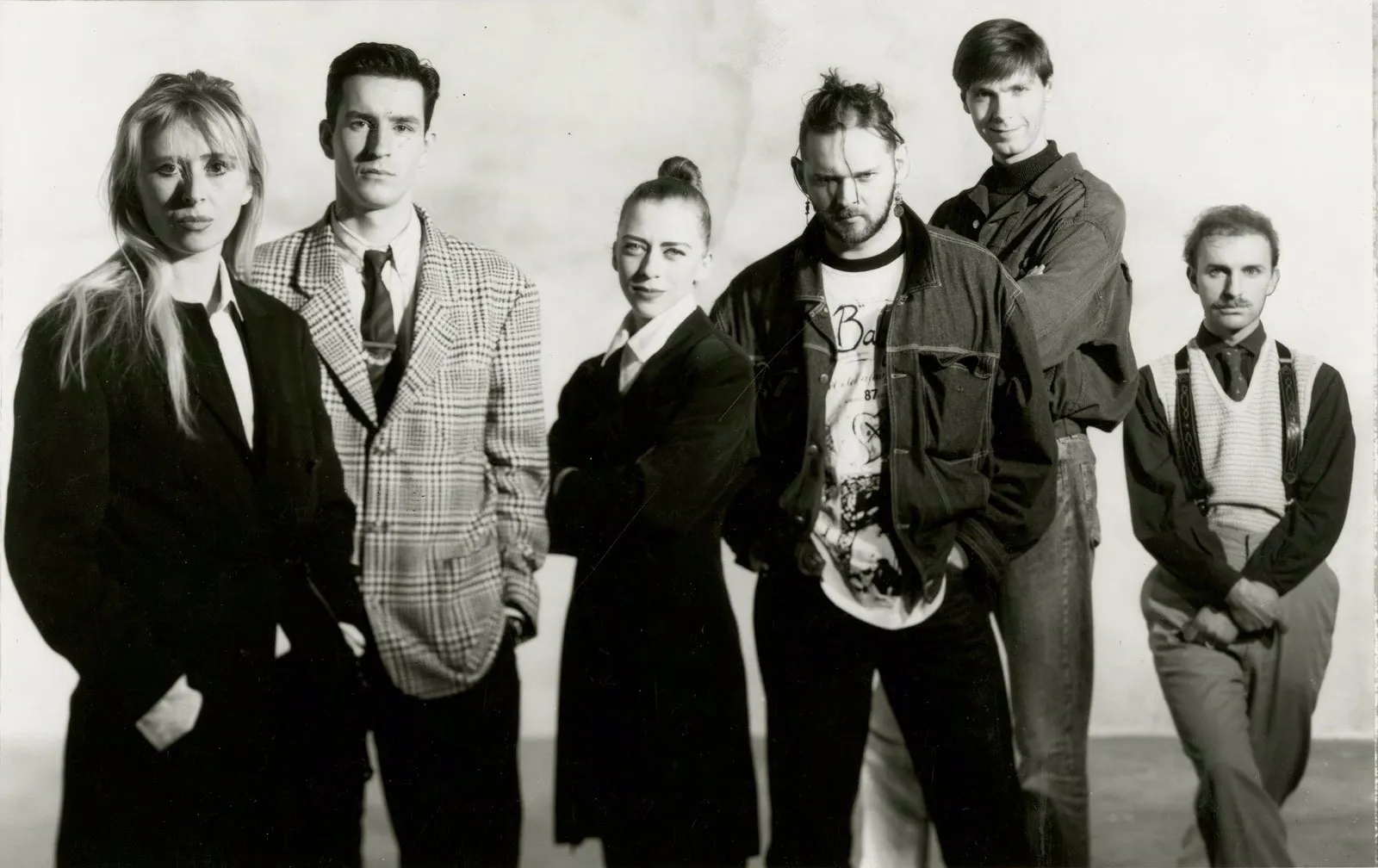
In 1986, when a group of graduates from the Royal Academy of Fine Arts Antwerp crossed into London, they were not exporting a finished identity. They were testing one. Their work resisted the established grammar of Parisian couture and Milanese polish. It favored irregularity, layering, asymmetry—gestures that read less like trends and more like arguments. The fact that buyers from Barneys New York responded immediately was not just luck; it signaled a readiness within the industry to recognize a different kind of authorship.
The exhibition does not dramatize this moment. It disperses it. Instead of anchoring the narrative in a single breakthrough, it allows fragments—garments, sketches, textures—to accumulate meaning over time. What emerges is not a story of sudden success, but of sustained divergence.
View this post on Instagram
stir
The term “Antwerp Six” suggests cohesion, but cohesion was never the point. What connected Ann Demeulemeester, Dries Van Noten, Walter Van Beirendonck, Dirk Bikkembergs, Dirk Van Saene, and Marina Yee was proximity—shared classrooms, shared critiques, shared uncertainty. Their outputs, however, moved in distinct directions.
Demeulemeester approached clothing as a form of writing. Her silhouettes elongated the body not to exaggerate it, but to slow it down. Black became not an absence of color but a field of nuance. Each garment read like a sentence—measured, deliberate, unresolved.
Van Noten worked differently. His collections layered references without collapsing into chaos. A single look might carry echoes of South Asian textiles, military tailoring, and 1970s interiors, yet remain cohesive. His refusal of external investment allowed this complexity to develop without compromise, building a model of independence that still feels anomalous.
Van Beirendonck introduced a sharper edge—graphic, immediate, at times confrontational. His work drew from pop culture, fetish, and politics, collapsing hierarchies between high and low. As an educator, his influence extended beyond his own collections, shaping generations who would carry Antwerp’s methodology outward.
Bikkembergs grounded his practice in movement. His garments responded to the body in motion, drawing from sport without becoming costume. The now-familiar dialogue between fashion and athletics finds an early articulation in his work.
Van Saene resisted categorization altogether. His collections often read as painterly studies—color, proportion, and surface treated as variables rather than constants. Commercial clarity was secondary to artistic continuity.
And Yee, perhaps the most prescient, treated existing garments as raw material. Long before sustainability entered the industry’s vocabulary, she was dismantling and reconstructing, proposing a circular logic that now feels urgent rather than experimental.
The exhibition does not attempt to reconcile these differences. It stages them. By placing their works in proximity, it reveals not similarity, but tension—a productive tension that continues to define Antwerp’s legacy.
flow
Museums often risk turning fashion into artifact, freezing garments into static objects. At MoMu – Fashion Museum Antwerp, the curatorial strategy resists this tendency. The exhibition treats the archive as active—something that can be rearranged, reinterpreted, and reactivated.
Garments are not arranged chronologically but relationally. A coat from the late 1980s might sit beside a piece from the 2000s, not to trace evolution but to highlight continuity. The effect is subtle but significant. It shifts the focus from progression to persistence, from what changed to what endured.
This approach mirrors the designers’ own practices. None of the six pursued linear development. Their work looped, revisited, refined. By adopting a similar structure, MoMu aligns its curatorial language with the designers’ methodologies.
discip
Antwerp’s position outside the traditional fashion capitals was not a disadvantage; it was a condition. Without the pressure to conform to established systems, the designers developed their own. This absence of belonging became a form of discipline—a way of working that prioritized inquiry over acceptance.
The exhibition captures this indirectly. There is little emphasis on external validation—no oversized references to runway reviews or sales figures. Instead, the focus remains on the garments themselves. Fabric, cut, construction: these become the primary carriers of meaning.
This insistence on internal logic is perhaps the most enduring aspect of the Antwerp Six’s legacy. In an industry increasingly driven by visibility, their work suggests another metric—coherence over exposure.
indie
If there is a shared principle among the six, it is independence—not as branding, but as structure. To operate independently is to control pace, to define scope, to accept limitation as part of the process.
Van Noten’s decades-long refusal to sell his company established a model that many admire but few replicate. Demeulemeester’s withdrawal from her label and its subsequent continuation under new direction demonstrates another form of independence—the ability of a language to persist beyond its originator.
Van Beirendonck’s dual role as designer and educator reinforces independence as continuity. By shaping the next generation, he extends the methodology rather than simply preserving it.
Even those whose names circulate less frequently—Van Saene, Yee—embody this principle through their practices. Their relative distance from mainstream visibility allows for a different kind of engagement, one less tied to seasonal cycles.
The exhibition does not frame independence as heroism. It presents it as labor—ongoing, often invisible, but essential.
prior
Contemporary fashion often speaks of sustainability as innovation, yet within this exhibition, it appears as precedent. Yee’s reconstructed garments, assembled from existing materials, challenge the assumption that sustainability is a recent discovery. They position it instead as an overlooked lineage.
Demeulemeester’s emphasis on longevity, Van Saene’s resistance to overproduction, Van Noten’s commitment to quality—these practices collectively suggest a slower model of fashion. One that values duration over immediacy.
MoMu does not isolate these elements into a didactic section. They are embedded throughout the exhibition, allowing visitors to encounter them organically. This subtlety reflects the designers’ own approaches—never declarative, always implicit.
edu
The influence of the Antwerp Six extends beyond their own work through the continued relevance of the Royal Academy of Fine Arts Antwerp. The Academy functions not as a factory for designers, but as a site of transmission—a place where methods are passed, adapted, and reinterpreted.
This lineage is visible in the broader landscape of contemporary fashion. Designers who trained in Antwerp carry forward its emphasis on concept, research, and criticality. The exhibition acknowledges this without naming names, suggesting that influence operates less through direct inheritance and more through shared conditions.