Apple at 50: Precision, Scale, and the Quiet Architecture of 2026

April 1, 2026
23 seconds ago
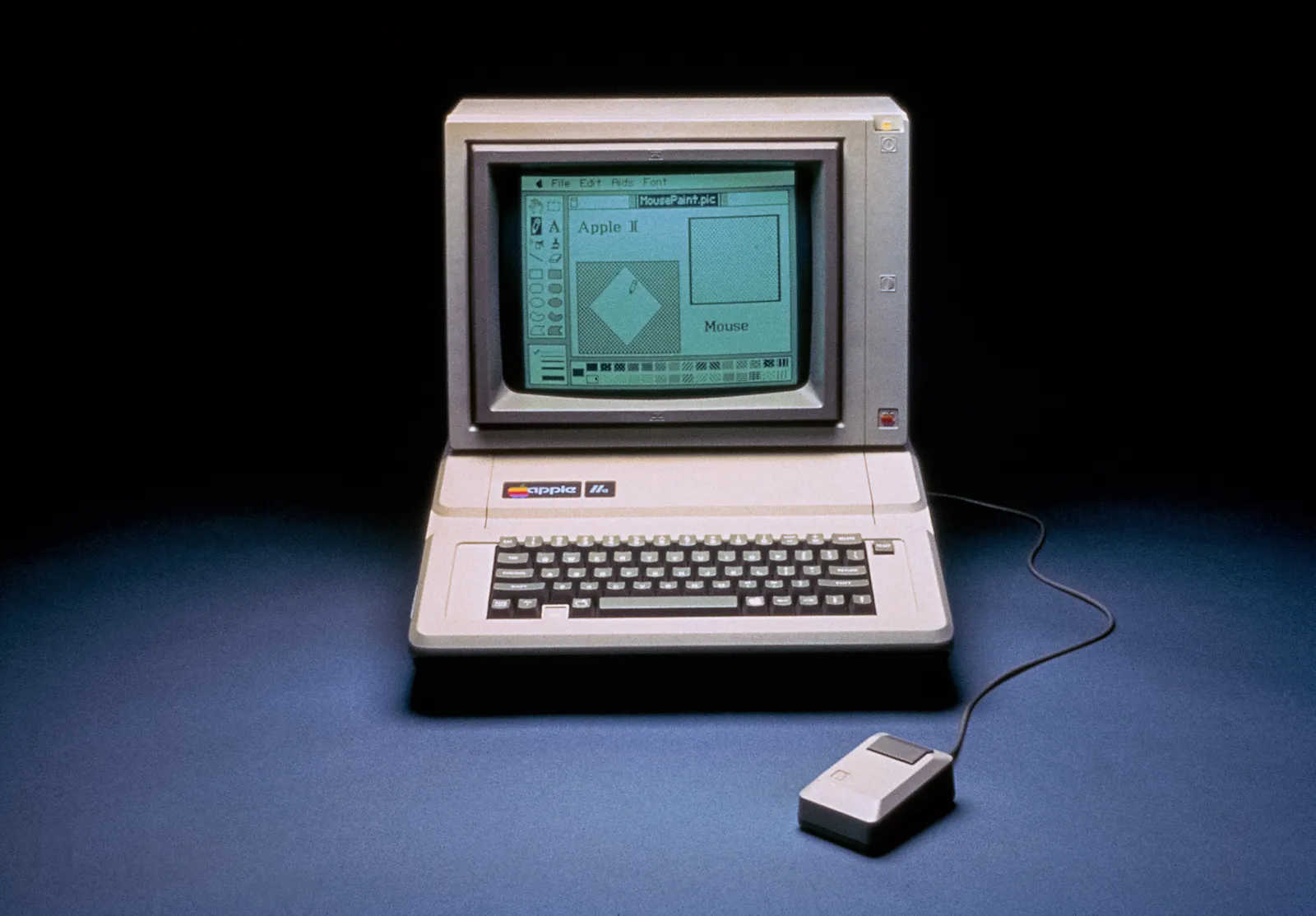
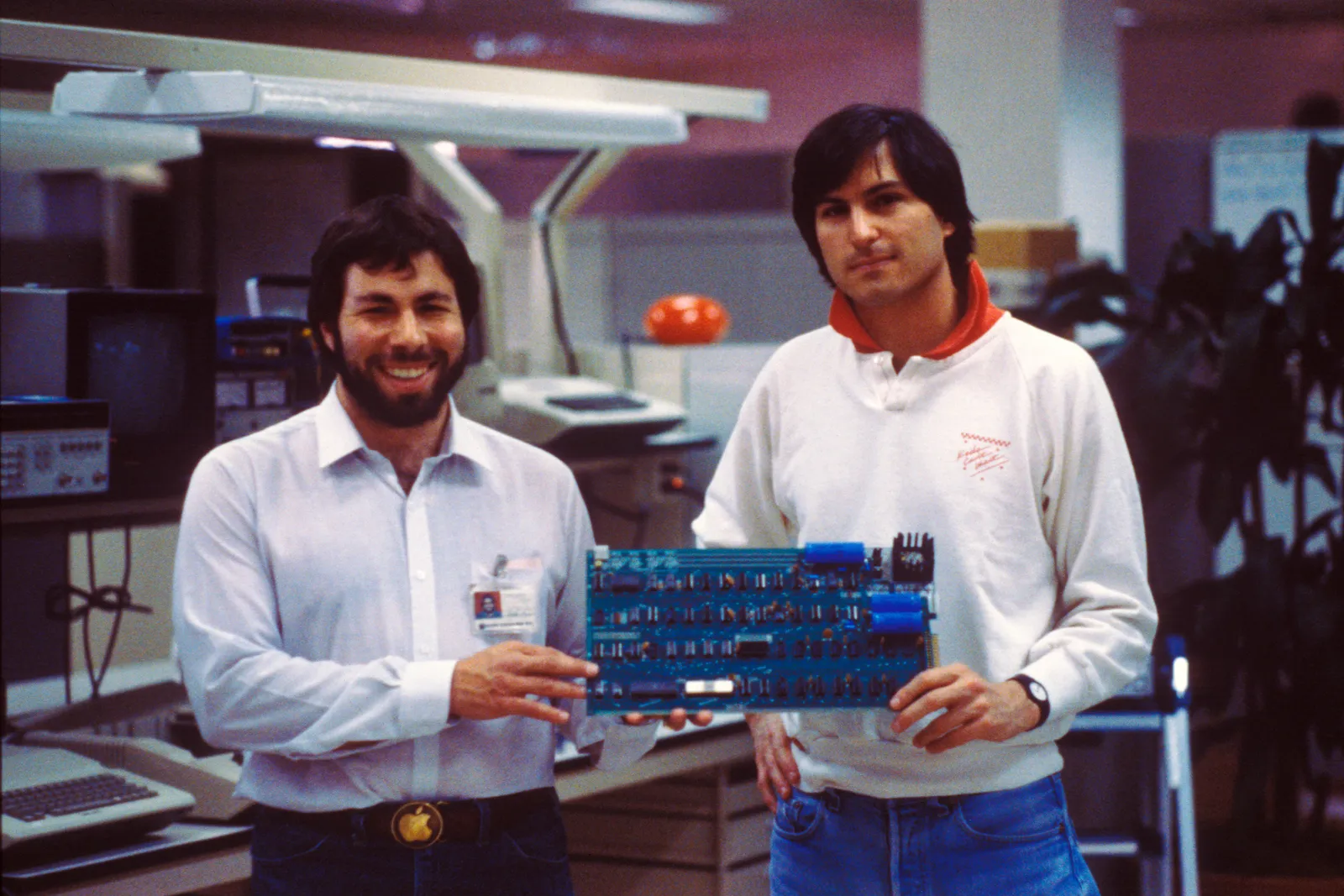
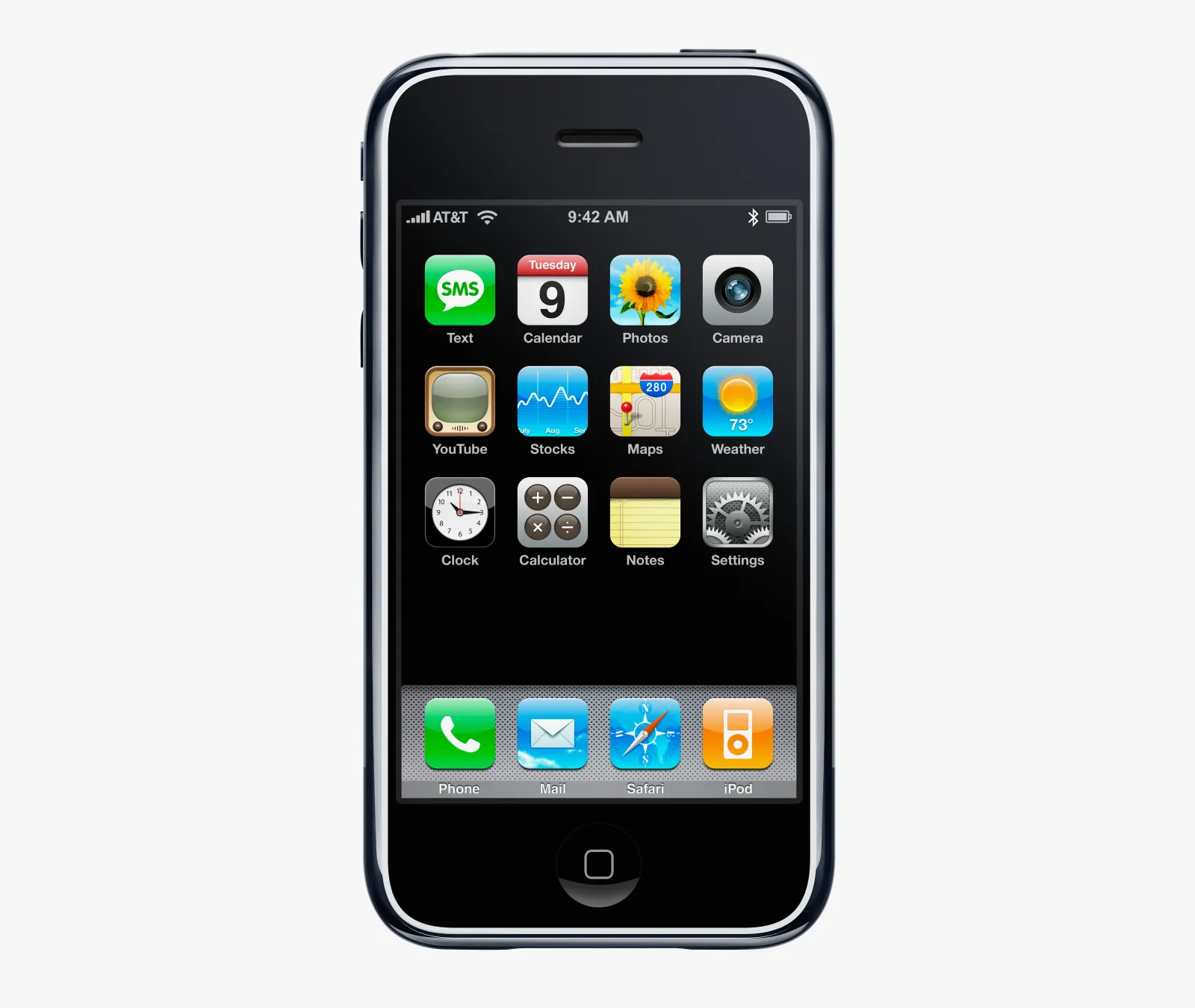
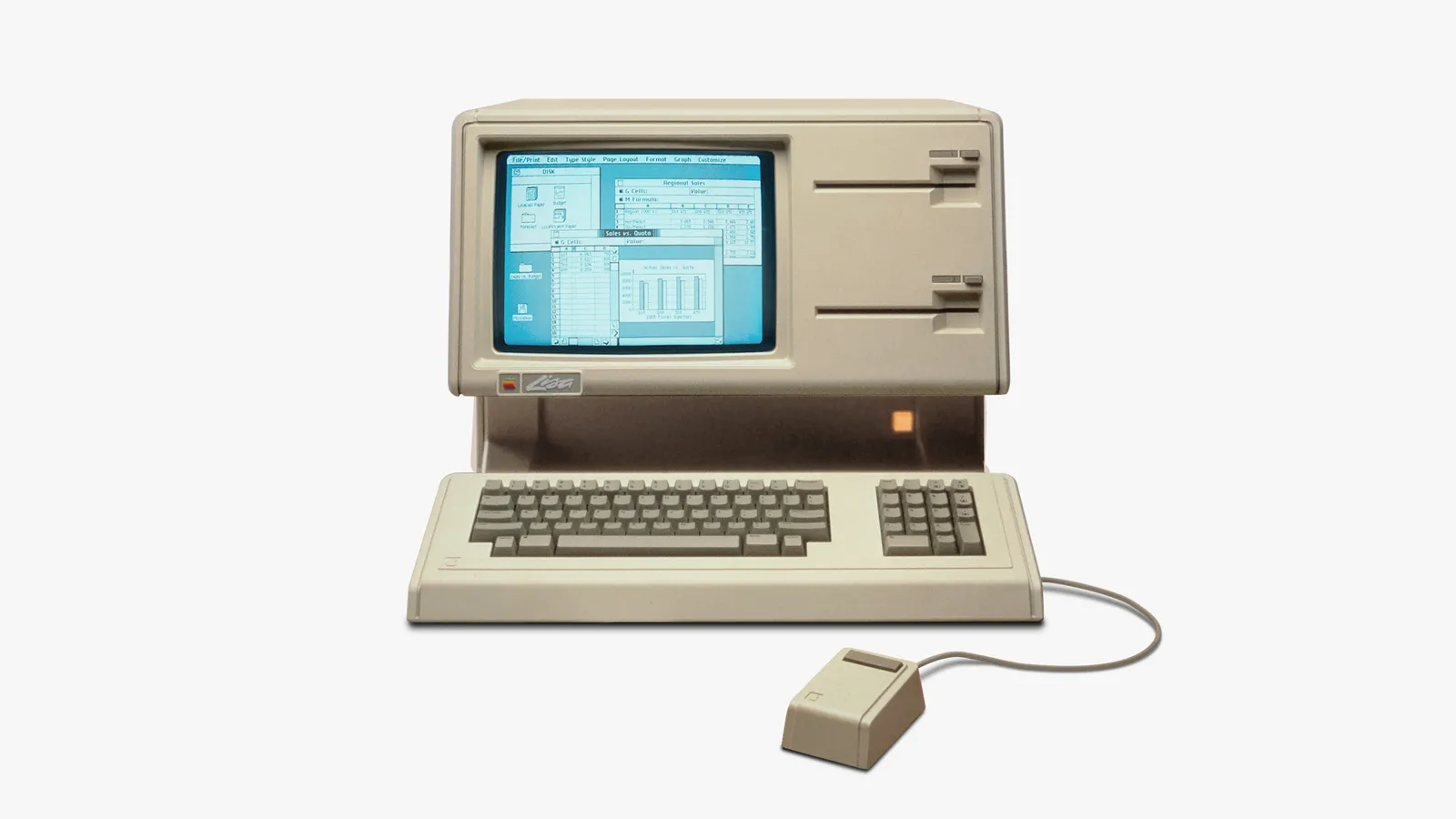
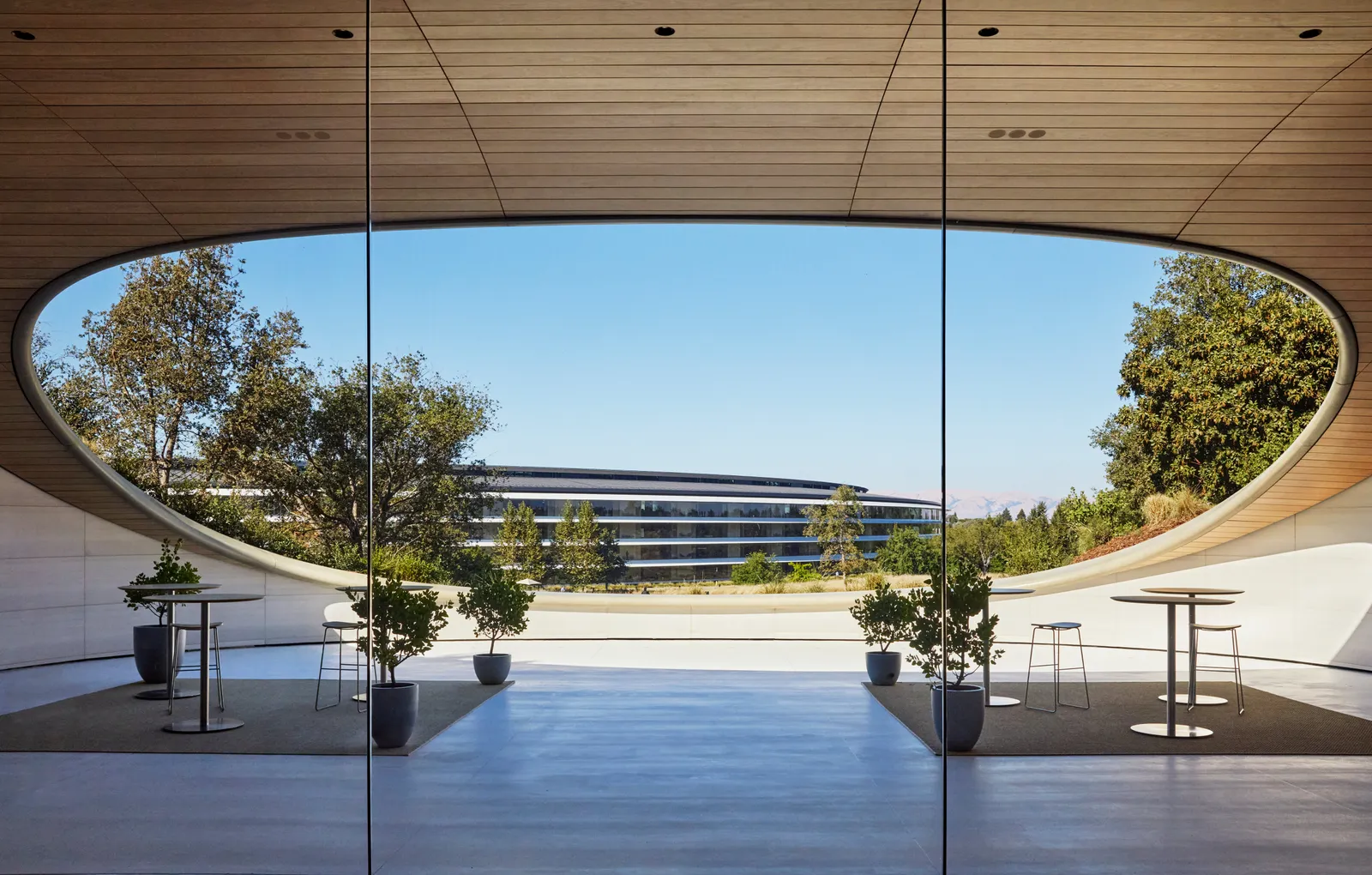
On 1 April 2026, Apple Inc. turns fifty. The number carries weight, but Apple rarely performs nostalgia. It acknowledges history only insofar as it can be operationalized—folded back into the present, refined, reissued, or quietly retired. Milestones, in Cupertino’s language, are less about reflection than calibration.
This is not a company that pauses. It iterates.
From the earliest machines built in garages to a campus that reads like a closed loop of glass and intention, Apple’s trajectory has always been less about singular invention than about continuity—how one object leads into the next, how one interface dissolves into another. Fifty years in, that continuity has hardened into infrastructure. Apple is no longer simply a maker of products; it is a system that defines how products should behave.
View this post on Instagram
grad
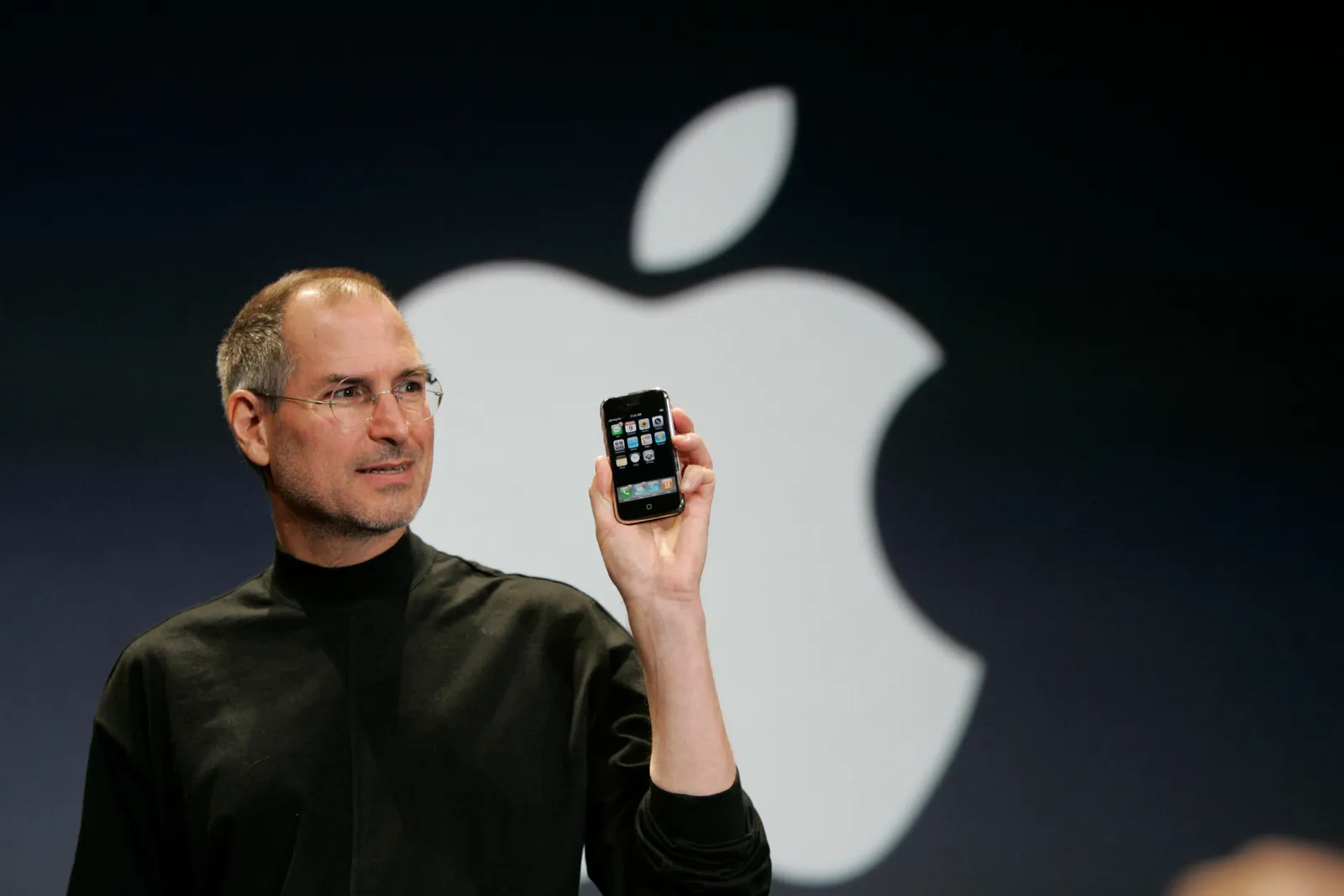
The iPhone era reframed the world through touch. What followed was not a series of upgrades but a slow expansion of expectations. Devices became less discrete, more ambient. The phone, the watch, the earbuds, the laptop—each began to operate as a node within a larger condition.
In 2026, Apple’s most significant move is not a single device but the quiet erosion of boundaries between them. What used to be categories—phone, computer, headset—now function as surfaces of the same system. Data moves without ceremony. Identity persists across contexts. The user is no longer switching devices; they are moving through Apple.
The arrival of spatial computing—led by products like the Apple Vision Pro—does not disrupt this logic. It extends it. Vision Pro is not an outlier; it is an aperture. It reframes interaction as presence, but it remains tethered to the same ecosystem logic: continuity over novelty.
idea
Apple’s design language has always been misread as simplicity. It is, more accurately, restraint under pressure. Every curve, every interface decision, every absence of a button is the result of negotiation—between engineering possibility and cultural readability.
At fifty, this restraint has become a signature not just of objects, but of behavior. Apple rarely over-explains. It allows products to arrive with a kind of quiet authority. The effect is cumulative. Over time, users internalize the logic. They begin to expect less friction, fewer decisions, more coherence.
This is where Apple’s influence extends beyond technology into culture. The expectation of seamlessness—of things “just working”—has migrated outward. It informs how people judge other systems, other brands, even other institutions. Apple has not simply met expectations; it has redefined them.
arena
The Apple Store remains one of the company’s most underestimated inventions. Not because it sells devices, but because it rehearses a worldview. Glass, light, wood—materials arranged to suggest clarity, openness, inevitability.
In 2026, retail is no longer merely transactional. It is experiential in a more precise sense. The store functions as an interface, a physical extension of the software logic that governs Apple’s devices. Movement is guided. Attention is directed. Interaction feels intuitive, even when it is carefully orchestrated.
Programs like Today at Apple position the store as a site of cultural production, not just consumption. Workshops, sessions, and events transform the retail environment into a soft community space—one that reinforces Apple’s role not just as a provider of tools, but as a curator of creative practice.
frame
Hardware remains Apple’s most visible output, but services have become its most elastic layer. Music, TV, cloud storage, fitness, payments—each extends the ecosystem into time, not just space.
The shift to services reframes the company’s relationship with users. Ownership becomes less central than access. Devices are entry points into ongoing relationships rather than endpoints. Revenue becomes recurring, but more importantly, engagement becomes continuous.
In 2026, this model feels less like a strategy and more like a condition. Users do not think of themselves as subscribing to Apple; they exist within it. The boundary between product and service dissolves. The experience is not segmented; it is sustained.
move
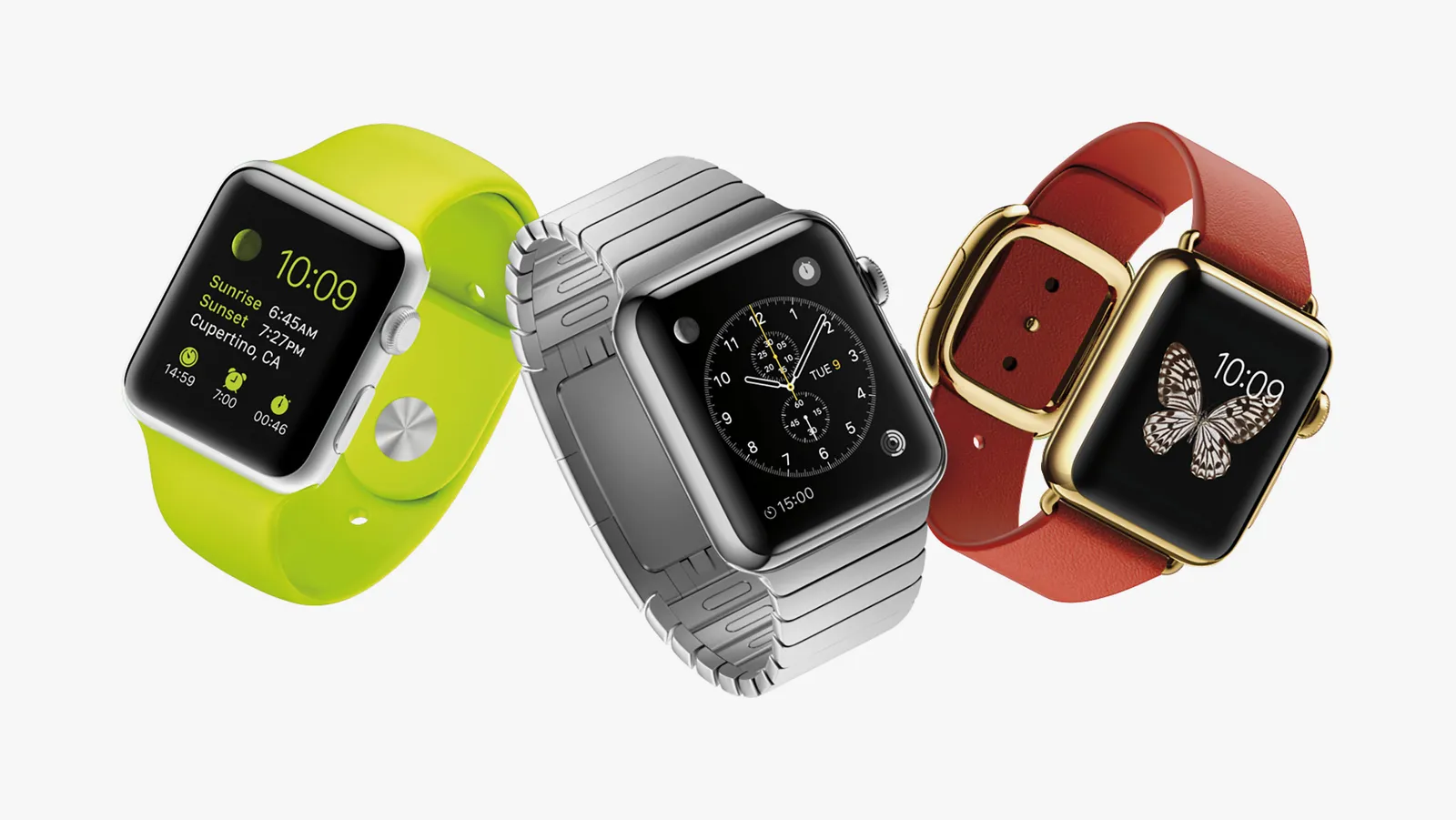
Perhaps the most profound shift lies in Apple’s approach to health. What began with step counting has evolved into a complex layer of biometric monitoring. The Apple Watch now tracks heart rhythms, sleep patterns, movement, and more—quietly building a dataset that is both personal and infrastructural.
This is not health in the traditional sense. It is health as interface. The body becomes another surface through which Apple operates. Data flows from wrist to cloud to insight, often without friction.
The implications are expansive. Preventative care, early detection, behavioral nudges—each becomes possible within this system. But so too does a new kind of dependency. The more Apple integrates into the body’s rhythms, the more indispensable it becomes.
stance
Apple’s stance on privacy has become a defining feature of its identity. In contrast to competitors whose models rely heavily on data extraction, Apple positions itself as a protector of user information.
This positioning is strategic, but it is also cultural. Privacy becomes part of the brand’s narrative—a form of trust that users internalize. It differentiates Apple not just in terms of policy, but in terms of perception.
In 2026, this stance carries weight. As digital life becomes more pervasive, the question of who holds data—and how it is used—becomes central. Apple’s answer is not purely altruistic, but it is coherent. It aligns with the company’s broader emphasis on control, integration, and user experience.
impression
Apple operates at a scale that few companies can match. Its supply chains span continents. Its products are used in nearly every country. Its influence is both global and granular.
Yet scale introduces friction. Regulatory pressures, geopolitical tensions, environmental concerns—each complicates the narrative of seamless growth. Apple must navigate these pressures without disrupting the perception of continuity that defines its brand.
In 2026, this navigation is ongoing. The company invests in sustainability, in domestic manufacturing, in regulatory compliance. But these efforts are part of a larger balancing act—between expansion and control, between visibility and discretion.
show
Apple’s involvement cannot be measured solely in devices or revenue. It is cultural. It shapes how people communicate, create, consume, and even think.
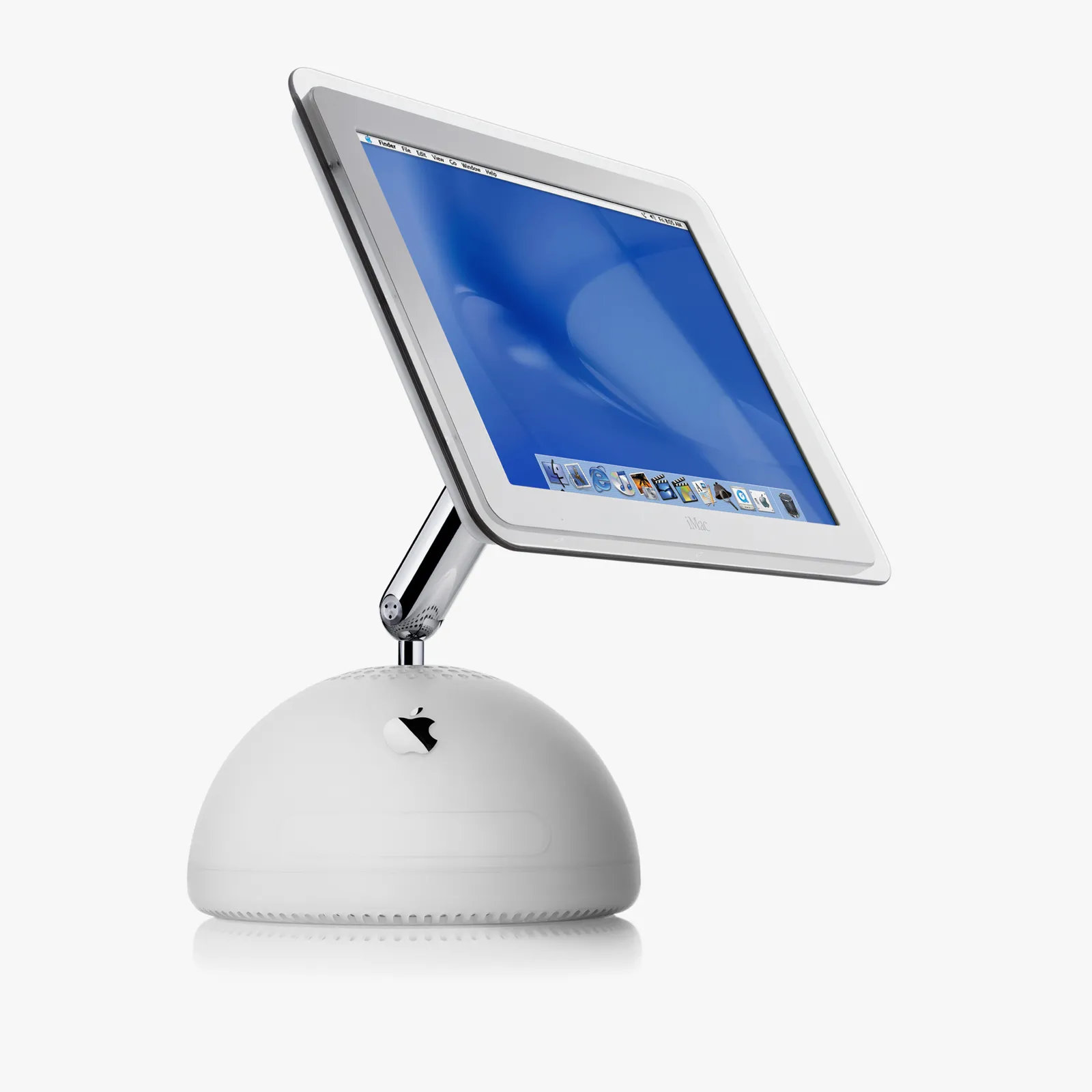
The iPhone redefined photography. The Mac redefined creative work. The AirPods normalized a certain kind of isolation within public space. Vision Pro begins to suggest new forms of presence.
Each of these shifts extends beyond the product itself. They alter behavior. They create new norms. They influence how other companies design, how other industries operate.
At fifty, Apple is less a participant in culture than an architect of it.
discip
What defines Apple in 2026 is not innovation in the dramatic sense, but continuity in the precise one. The company does not chase disruption for its own sake. It refines, integrates, extends.
This approach can appear conservative, even predictable. But it is also what allows Apple to operate at scale without fragmentation. Every product, every service, every update fits into a larger system that is constantly evolving but rarely disjointed.
The result is a kind of discipline—one that resists excess, that prioritizes coherence, that values long-term stability over short-term spectacle.
fwd
Anniversaries invite speculation. What does the next fifty years look like? For Apple, the answer is unlikely to arrive in a single moment or product. It will emerge gradually, through iteration.
Spatial computing will evolve. Health integration will deepen. Services will expand. New categories will appear, not as disruptions, but as extensions.
The world of 2026 is already shaped by Apple’s logic. The next decades will likely see that logic become even more embedded—less visible, more foundational.
sum
At fifty, Apple Inc. is no longer just a company. It is a system—a set of principles, practices, and expectations that define how technology operates within modern life.
It is bigger, certainly. Stronger, undeniably. But more importantly, it is more integrated—into devices, into services, into bodies, into culture.
The question is no longer how Apple will change the world. It is how the world will continue to adapt to Apple.