Ariana Grande: Reframing Fantasy Through the Subtle Lens of Fairycore

March 21, 2026
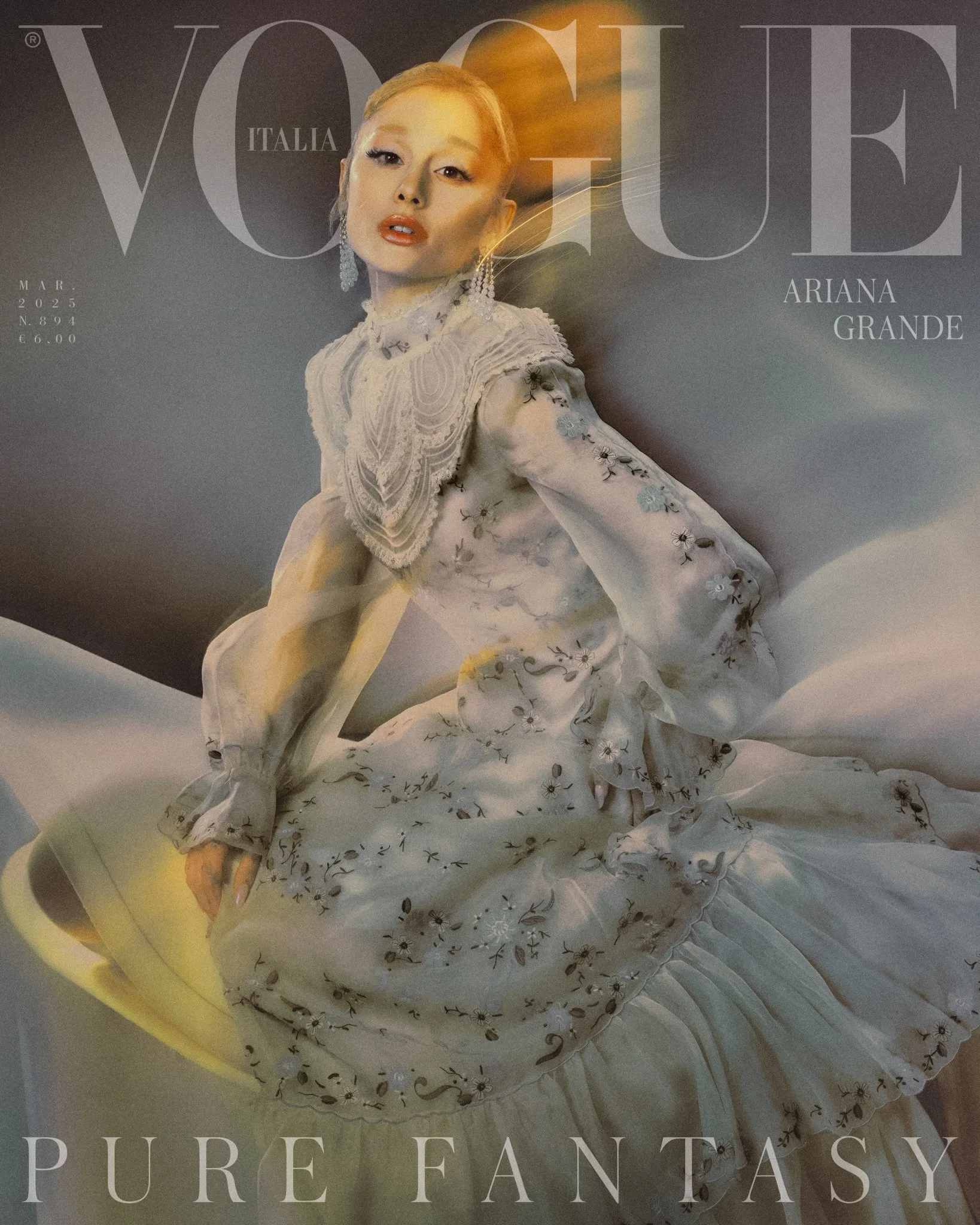
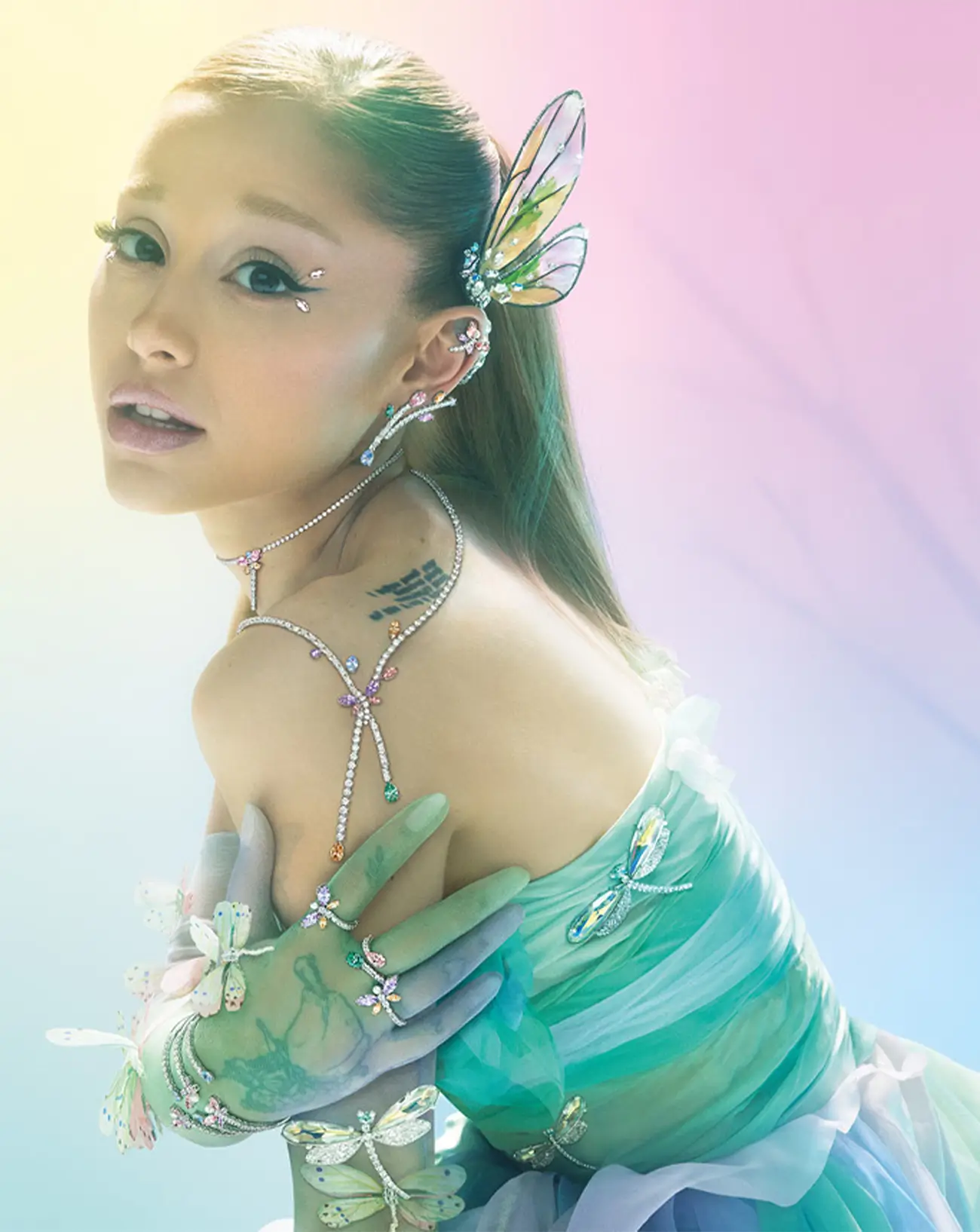
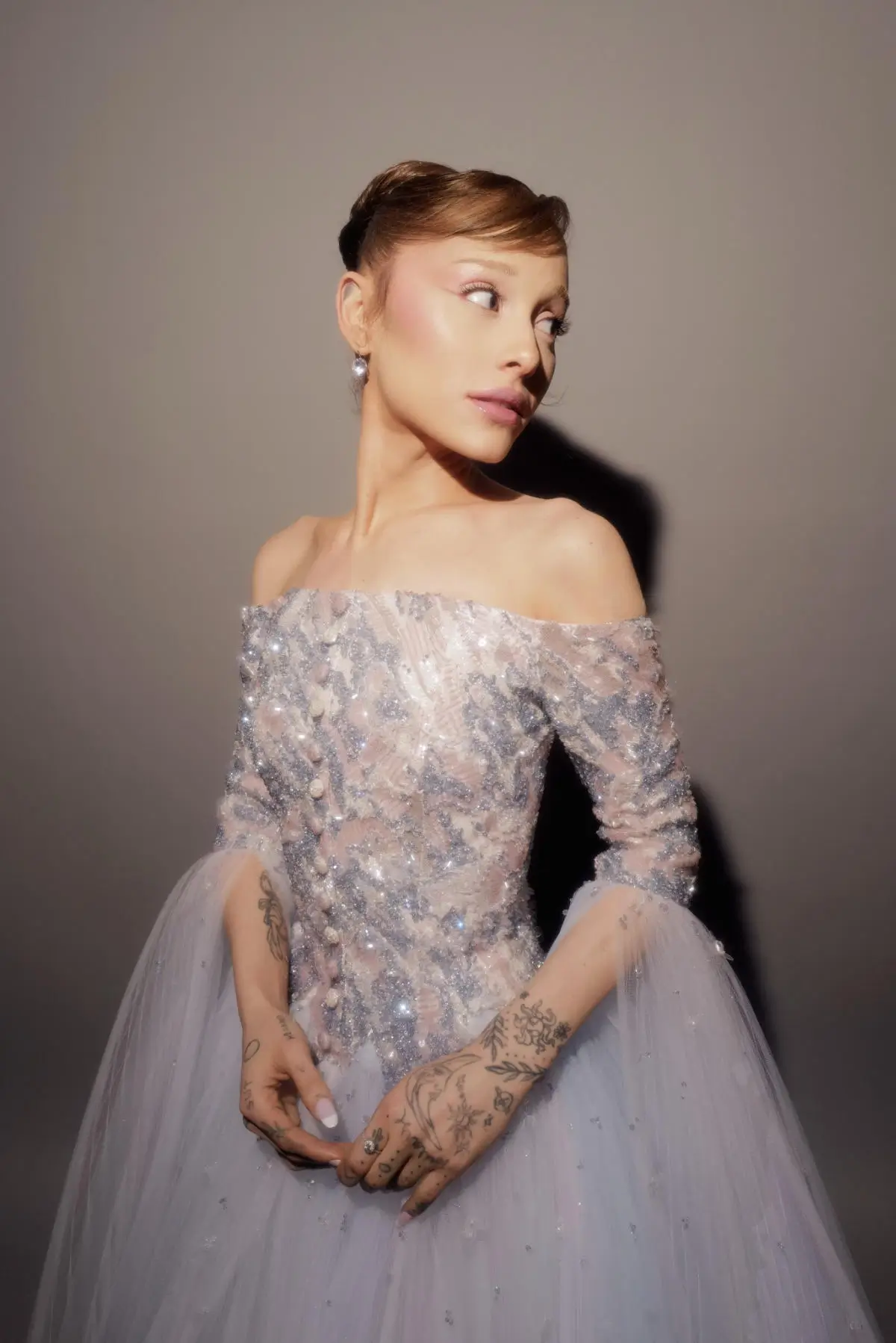
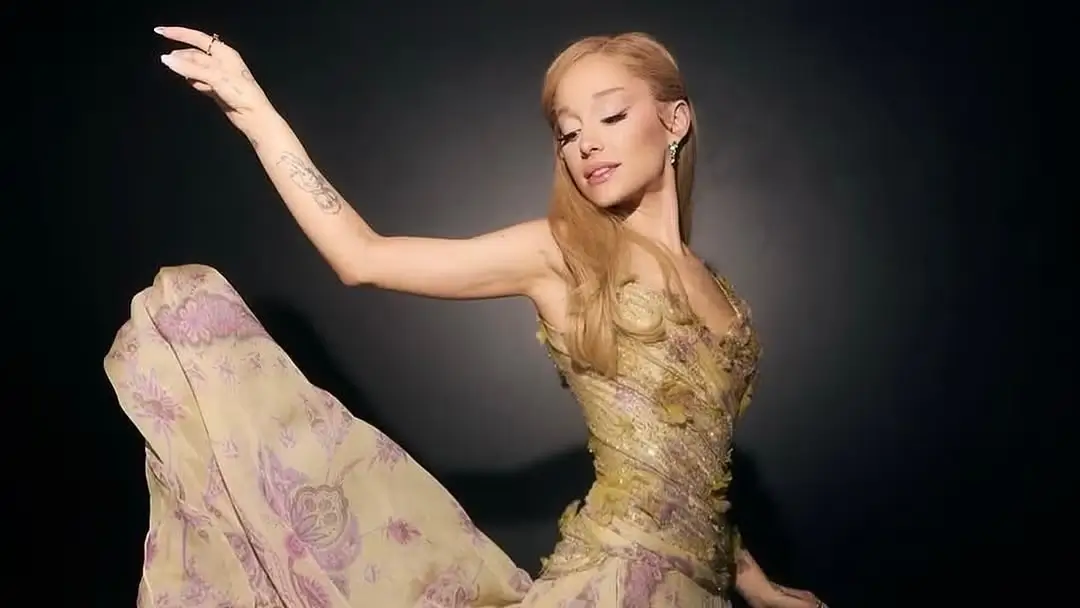
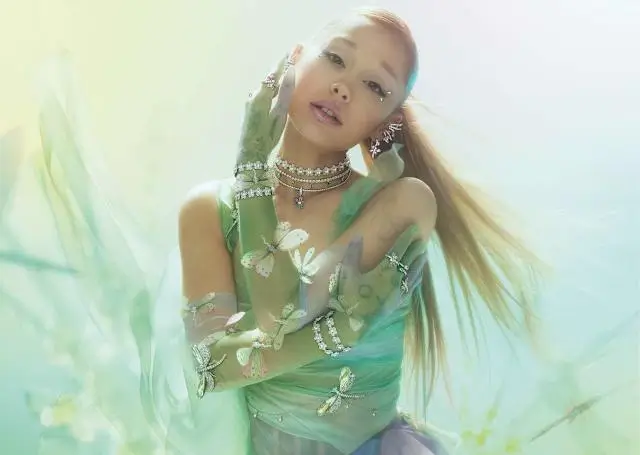
When Ariana Grande leans into an aesthetic, it rarely exists in isolation. Her visual decisions—whether in performance, editorial imagery, or public appearance—tend to function as signals rather than statements. They ripple outward, absorbed and reinterpreted across fashion, beauty, and digital culture. What might appear as a subtle stylistic pivot often reveals itself, in retrospect, as a shift in the broader visual language of the moment.
Her recent alignment with fairycore operates precisely in this way. It is not announced, not formally declared, but understood through accumulation: silhouettes softening, palettes lightening, textures becoming more tactile, more atmospheric. The effect is less about transformation than about recalibration—a gradual reorientation toward something quieter, more interior.
View this post on Instagram
sig
Fairycore, as it emerges through Grande’s lens, is not costume. It is not the literal translation of fantasy into dress, nor is it the theatrical excess that often accompanies fashion’s flirtation with folklore. Instead, it is a controlled diffusion of fantasy into the everyday. A way of softening the edges of contemporary dressing without abandoning its structure entirely.
The silhouettes are key. They move away from rigidity without collapsing into formlessness. There is drape, but it is intentional. Volume, but it is contained. Fabrics skim rather than cling, float rather than impose. The body is neither obscured nor overtly emphasized; it is allowed to exist within the garment, rather than being dictated by it.
flow
This shift in proportion reflects a deeper change in attitude. For much of the past decade, fashion has oscillated between extremes—hyper-fitted versus oversized, maximalist versus minimal. Fairycore, in its current iteration, resists that binary. It occupies a middle space, one that prioritizes sensation over statement.
Color plays an equally significant role. The palette associated with Grande’s fairycore moment leans toward the diffused: blush tones, muted creams, pale lavenders, soft greens. These are not the saccharine pastels of earlier eras, nor the aggressively bright hues of digital aesthetics. They are colors that feel lived-in, slightly desaturated, as though filtered through memory.
This distinction matters. It positions fairycore not as escapism, but as reinterpretation. The colors do not transport the viewer to another world; they transform the perception of the existing one. They soften it, blur it, render it more porous.
lang
Texture, too, becomes a language. Lace, chiffon, fine knits—materials that carry an inherent delicacy—are recontextualized. They are not used to signal fragility, but to introduce tactility. In a fashion landscape increasingly mediated by screens, where garments are often experienced first as images, texture becomes a way of reasserting the physical.
Grande’s approach to styling reinforces this sensibility. Accessories are minimal, often secondary to the overall composition. Hair and makeup follow suit: soft, diffused, almost atmospheric. There is an absence of sharpness, of hard lines. Even when elements are structured, they are presented in a way that feels softened, as though edges have been gently eroded.
ornament
This is where fairycore diverges most clearly from previous iterations of romantic dressing. It is not about ornamentation. It is about atmosphere.
To understand the significance of this shift, it is necessary to consider the context from which it emerges. The past several years have been defined by a kind of visual intensity. Social media, with its emphasis on immediacy and impact, has favored aesthetics that are instantly legible—bold, graphic, high-contrast. Fashion, in turn, has responded with looks that translate effectively on screen.
Fairycore, as articulated by Grande, moves in the opposite direction. It resists instant legibility. It requires a slower gaze, a willingness to engage with nuance. It is less about capturing attention and more about holding it.
stir
This shift can be read as a form of quiet resistance. Not in a political sense, but in an aesthetic one. It challenges the assumption that visibility must be loud to be effective—that impact must be immediate to be meaningful.
Instead, it proposes an alternative: that softness can be its own form of power.
Grande’s influence amplifies this proposition. As a figure whose image is both highly controlled and widely disseminated, her embrace of fairycore carries weight. It suggests that this softer, more introspective mode of dressing is not only viable, but desirable.
show
Importantly, this does not signal a retreat from modernity. Fairycore, in this context, is not nostalgic in the traditional sense. It does not attempt to recreate a past moment, nor does it rely on historical accuracy. Its references to folklore and fantasy are filtered through a contemporary lens, resulting in something that feels both familiar and new.
This hybridity is central to its appeal. It allows the wearer to engage with fantasy without abandoning reality. To incorporate elements of escapism into a framework that remains grounded.
frame
In this way, fairycore becomes a form of emotional dressing. It is less concerned with how the body is perceived and more with how the wearer feels. The garments do not impose identity; they facilitate it.
This distinction is subtle, but significant. It marks a departure from fashion’s more prescriptive modes, where clothing dictates the terms of engagement. Here, the relationship is reversed. The wearer brings meaning to the garment, rather than the other way around.
Grande’s interpretation of fairycore exemplifies this dynamic. Her looks do not overwhelm; they invite. They create space—for interpretation, for projection, for emotional resonance.
slow
This is perhaps why the aesthetic feels particularly relevant now. In a cultural moment characterized by saturation—of images, of information, of stimuli—there is a growing desire for spaces that feel less crowded, less insistent.
Fairycore offers such a space. Not as an escape, but as a recalibration. A way of engaging with the world that is gentler, more deliberate.
It is also worth noting the role of scale in this shift. Fairycore, as seen through Grande, often operates in smaller gestures. A sheer sleeve, a softened hemline, a barely-there shimmer. These details might be overlooked in a faster visual economy, but they accumulate, creating an overall impression that is cohesive and immersive.
View this post on Instagram
craft
This emphasis on detail aligns with a broader movement toward craftsmanship and intentionality. It suggests a renewed appreciation for the nuances of construction, for the ways in which garments are made as much as how they are worn.
At the same time, fairycore remains accessible. It does not require a complete overhaul of one’s wardrobe. It can be incorporated incrementally, through texture, color, or silhouette. This flexibility contributes to its potential longevity. It is not a trend that demands total adoption, but one that allows for adaptation.
grande
Grande’s role in this process is less that of a trend originator and more that of a translator. She takes an aesthetic that exists in various subcultures and renders it legible to a broader audience. In doing so, she preserves its essence while expanding its reach.
This translation is delicate. It requires a balance between authenticity and accessibility, between specificity and universality. Grande navigates this balance with precision, ensuring that fairycore retains its emotional core even as it enters the mainstream.
sum
The significance of her embrace of fairycore lies not in the aesthetic itself, but in what it represents. A shift toward softness, yes—but also toward complexity. Toward a mode of dressing that acknowledges contradiction, that allows for vulnerability and strength to coexist.
In this framework, fairycore is not an endpoint, but a beginning. A signal that fashion is moving toward a more nuanced understanding of expression—one that values feeling as much as form.
And in that movement, Ariana Grande becomes both participant and catalyst, articulating a language that is at once personal and collective, intimate and expansive.
A language in which softness is not a retreat, but a redefinition.