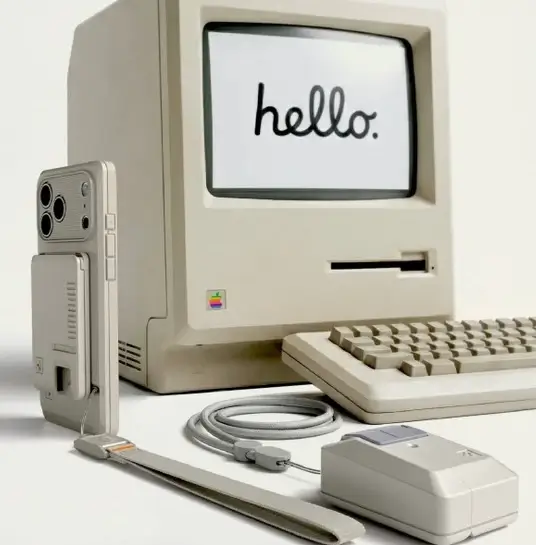
Astell & Kern PD20: A New Standard in Ultra-Compact High-Resolution Audio

March 19, 2026
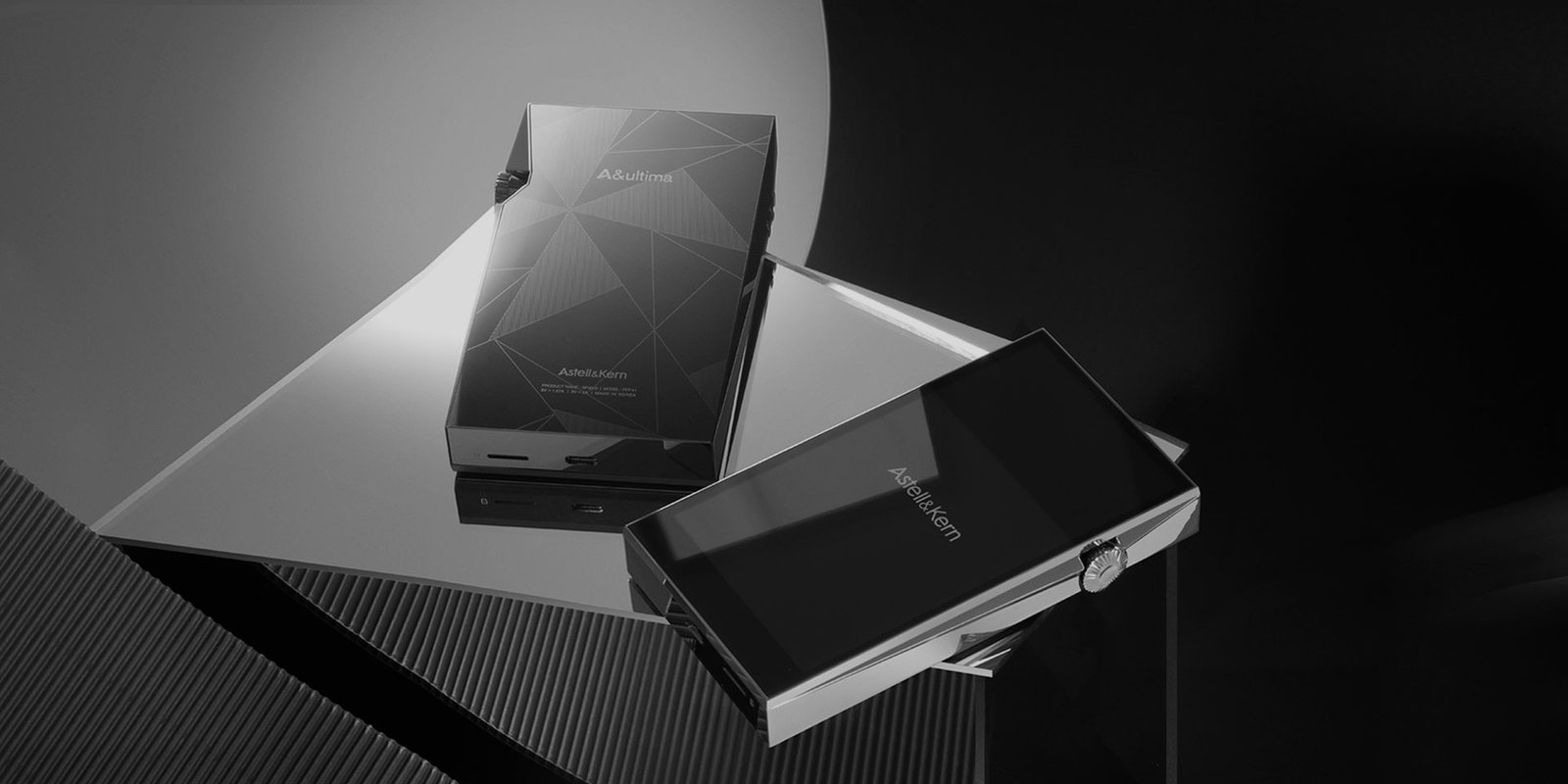
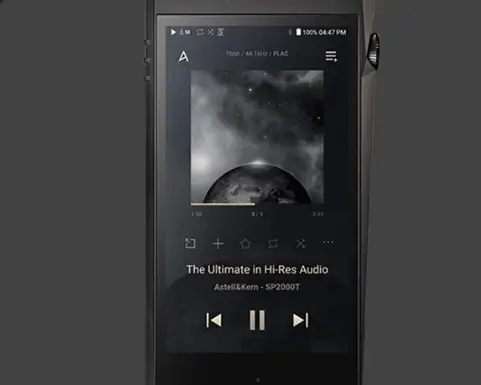
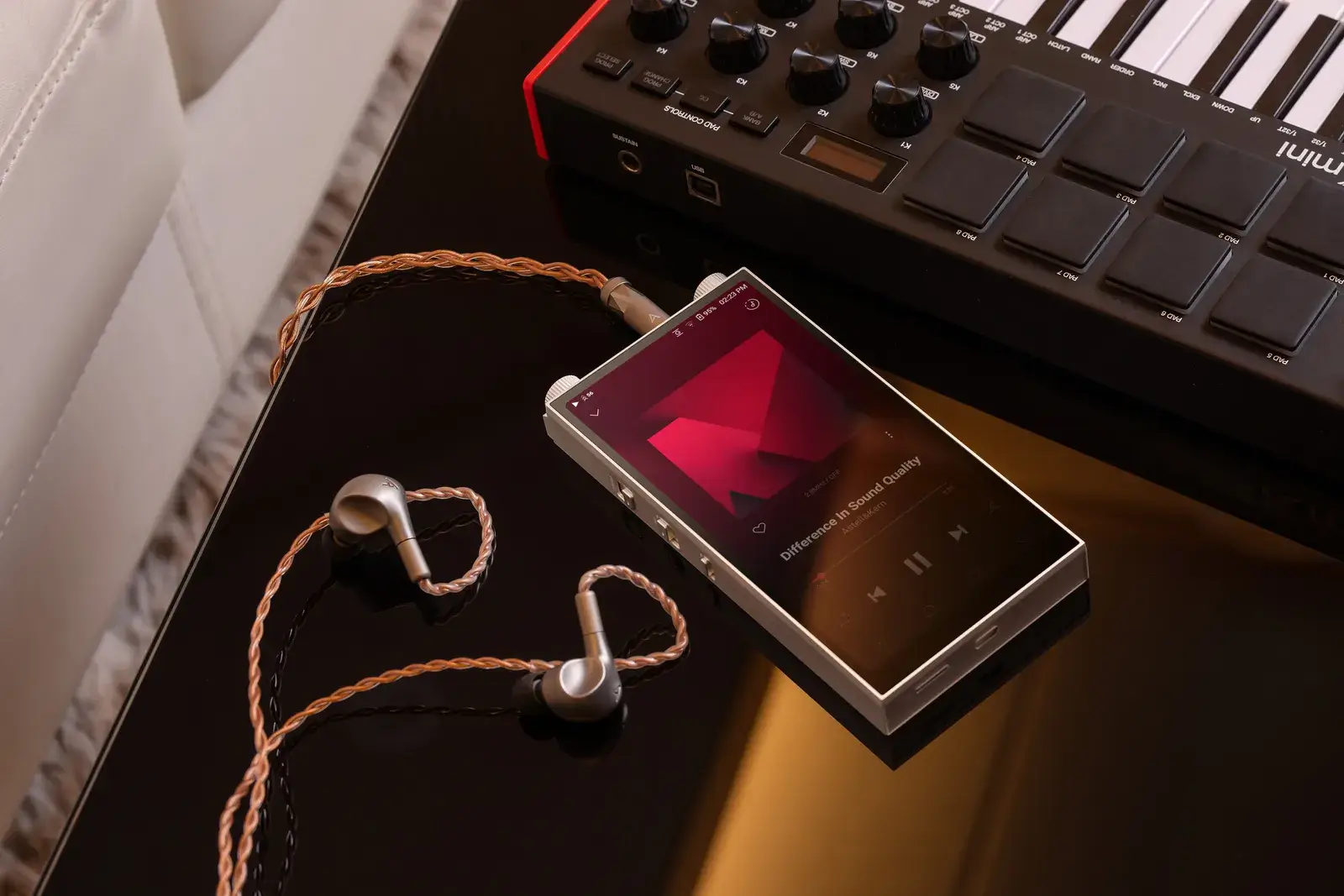
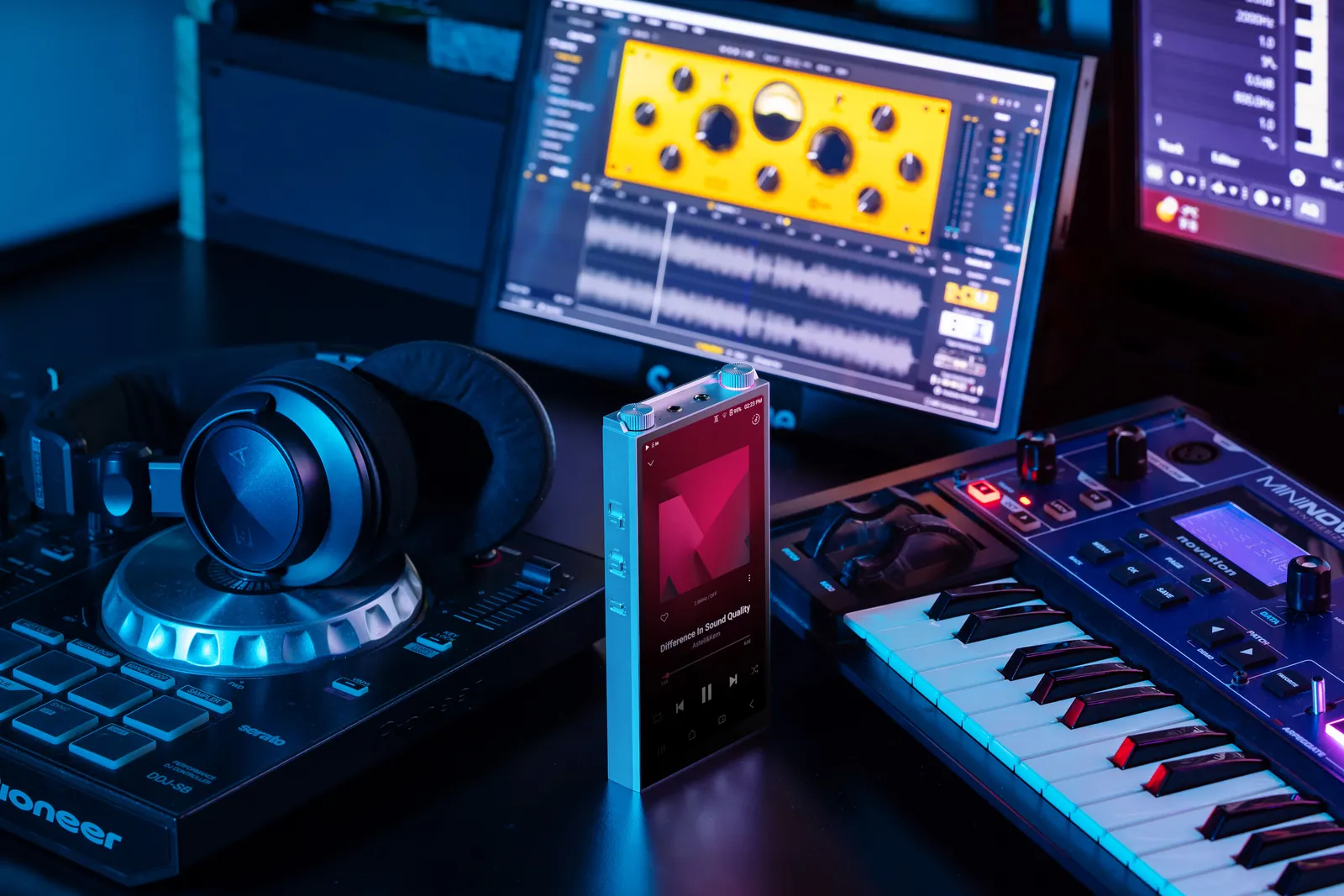
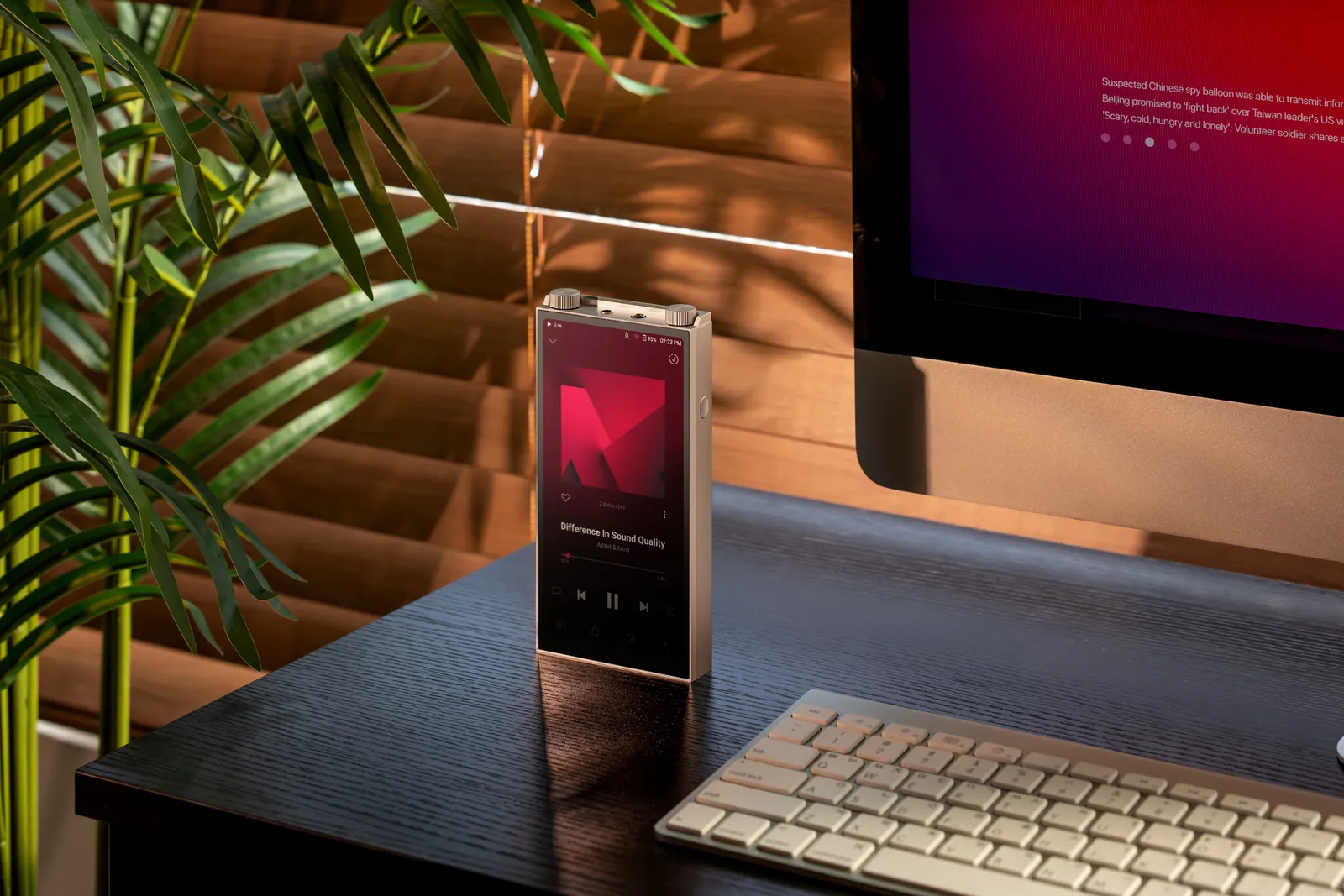
There is something quietly radical about the return of the pocket-sized music player. Not as nostalgia, not as novelty, but as necessity. In an era defined by streaming overload, fragmented listening habits, and compressed audio pipelines, the arrival of the Astell&Kern PD20 signals a recalibration of priorities—one that places intentional listening back at the center of personal technology.
Ultra high-end portable audio specialist Astell&Kern has built its reputation on devices that treat music not as background noise but as architecture—layered, textured, and deeply dimensional. The PD20 continues that lineage, but it does so in a format that feels almost paradoxical: ultra-compact, yet uncompromising. If earlier Astell&Kern players leaned toward statement pieces—angular, sculptural, almost monumental in presence—the PD20 shifts toward intimacy. It is designed not to dominate a desk, but to disappear into a pocket while delivering an experience that rivals full desktop setups.
View this post on Instagram
min
Astell&Kern has always approached design as a form of acoustic storytelling. The sharp facets and geometric silhouettes that define the brand are not purely aesthetic—they are reflections of internal architecture, signal pathways, and material resonance. With the PD20, that language evolves.
The device is ultra-compact, but not minimal in the reductive sense. Instead, it embodies industrial minimalism—every edge, every surface, every tactile point serves a purpose. The chassis, likely machined from high-grade aluminum or stainless steel alloys, is engineered for both durability and acoustic isolation. Internal shielding minimizes interference, ensuring that the signal remains as pure as possible from source to output.
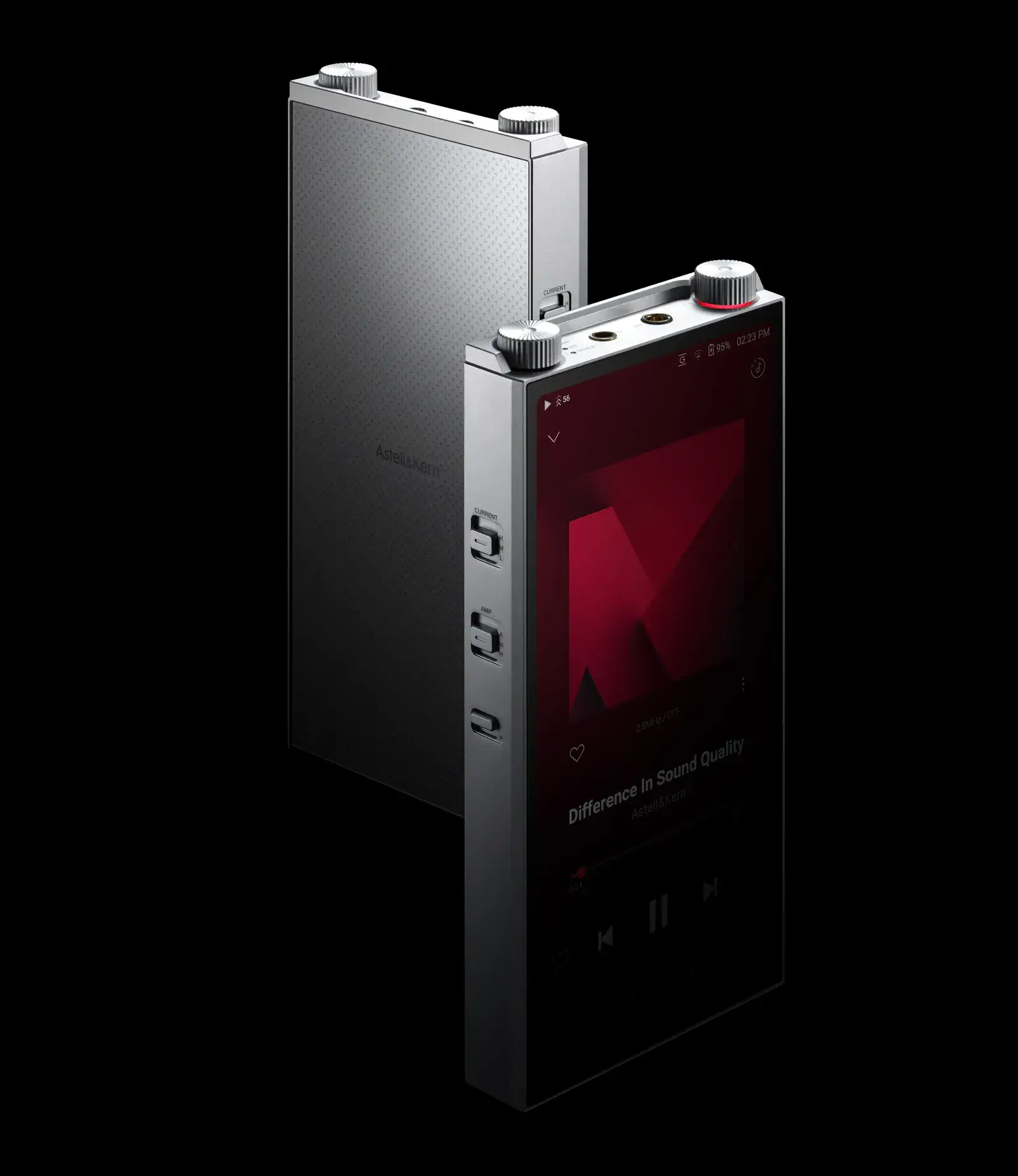
The iconic Astell&Kern volume wheel remains a focal point, reinterpreted for a smaller footprint. Knurled for precision, it offers analog tactility in a digital environment—a subtle reminder that control over sound should feel physical, not abstract. Buttons are deliberately placed, avoiding accidental input while maintaining intuitive access.
In the hand, the PD20 is expected to feel dense, almost jewel-like. This density is not incidental. It is a byproduct of component quality, internal layering, and the brand’s refusal to compromise on build integrity. The result is a device that feels less like consumer electronics and more like a piece of personal instrumentation.
evolve
At the core of the PD20 lies its most important proposition: sound. The claim that it brings “20 years of improved manufacturing, sound quality, and personalisation” is not marketing hyperbole—it is a condensed summary of the evolution of digital audio itself.
Two decades ago, portable players were constrained by storage limitations, inefficient DACs, and lossy compression formats. Today, those constraints have largely dissolved. High-resolution audio files, advanced DAC architectures, and refined amplification stages allow devices like the PD20 to deliver sound that is not just clearer, but more emotionally articulate.
While exact specifications may vary, Astell&Kern devices traditionally employ dual or quad DAC configurations, often sourced from industry leaders like ESS or AKM. These DACs are tuned not just for accuracy but for musicality—balancing detail retrieval with warmth, separation with cohesion.
The PD20 likely incorporates:
dual dac architecture and balanced output
Balanced outputs have become essential for audiophiles seeking reduced noise and improved channel separation. The PD20, despite its compact size, is expected to support both balanced and unbalanced connections, allowing users to pair it with high-end in-ear monitors or full-size headphones.
advanced amplification and low-noise circuitry
Miniaturization often comes at the cost of power, but Astell&Kern has consistently pushed against this limitation. The PD20’s amplification stage is designed to deliver sufficient headroom while maintaining ultra-low noise levels, ensuring that even the most sensitive earphones reveal micro-details without hiss.
high-resolution format support
From FLAC and WAV to DSD and potentially MQA alternatives, the PD20 is built to handle a wide range of high-resolution formats. This versatility ensures that users are not locked into a single ecosystem, preserving the openness that audiophiles value.
What sets the PD20 apart is not just technical capability, but tuning. Astell&Kern devices are known for a signature sound—clean, expansive, slightly warm—designed to enhance long listening sessions rather than overwhelm with clinical precision.
idea
If sound quality defines the baseline, personalization defines the future. The PD20 reflects a shift from static listening experiences to adaptive ones.
Modern digital audio players are no longer just playback devices—they are platforms. The PD20 is expected to feature a refined user interface that allows users to tailor their listening experience across multiple dimensions.
parametric equalization and sound tuning
Advanced EQ systems enable users to fine-tune frequency responses with surgical precision. Whether compensating for headphone characteristics or personal preferences, this level of control transforms listening into an active process.
interface and theme customization
Visual design plays a subtle but important role in user experience. Astell&Kern’s UI is typically clean, minimal, and responsive, with options to customize themes, layouts, and navigation styles.
streaming integration and offline libraries
While dedicated players emphasize local files, modern users expect streaming compatibility. The PD20 is likely to support major platforms while maintaining the ability to prioritize offline, high-resolution libraries—bridging convenience with quality.
firmware evolution
Unlike older devices that remained static, the PD20 exists within an evolving ecosystem. Firmware updates can introduce new features, refine sound profiles, and extend the device’s lifespan.
This emphasis on personalization reflects a broader cultural shift. Music is no longer consumed passively—it is curated, shaped, and experienced in deeply individual ways.
flow
The phrase “ultra-compact” is often associated with compromise. In the case of the PD20, it becomes a statement of intent.
Portability, in 2026, is not just about size—it is about freedom. The ability to carry a high-fidelity system in your pocket fundamentally changes how and where music can be experienced. Commutes become immersive sessions. Travel becomes an opportunity for sonic exploration. Even moments of stillness—waiting, walking, observing—are elevated by the presence of intentional sound.
Battery life, often overlooked, becomes critical in this context. The PD20 is expected to deliver extended playback times, supported by efficient power management and fast-charging capabilities. Storage, whether internal or expandable via microSD, ensures that entire libraries can be carried without compromise.
The result is a device that aligns with contemporary mobility while resisting the dilution of quality that often accompanies it.
listen
The resurgence of devices like the PD20 is not happening in isolation. It is part of a broader cultural movement that values depth over breadth, quality over convenience, and intention over immediacy.
Streaming platforms have made music ubiquitous, but in doing so, they have also flattened the experience. Algorithms dictate discovery, compression reduces nuance, and multitasking diminishes attention. The PD20 offers an alternative—a space where listening becomes an act of focus.
This shift mirrors trends across other domains. Vinyl records have regained popularity not because they are more convenient, but because they demand engagement. Mechanical keyboards, analog cameras, and even handwritten notes reflect a similar desire for tactility and presence.
The PD20 sits at the intersection of these movements. It is digital, but it behaves analog. It is modern, but it evokes a slower, more deliberate pace.
position
Astell&Kern operates in a niche that is both highly specialized and increasingly relevant. The high-end portable audio market has expanded in recent years, with brands pushing the boundaries of what is possible in compact formats.
Within this landscape, the PD20 occupies a unique position. It is not the most powerful device in absolute terms—larger players will always have advantages in amplification and component space. Instead, it represents optimization. The art of distilling high-end performance into the smallest possible form factor.
This positioning makes it particularly appealing to a new generation of listeners—those who value both quality and mobility, who move between environments seamlessly, and who expect their devices to adapt accordingly.
phil
What ultimately defines the PD20 is not a single feature, but a convergence of ideas. Design is not separate from sound—it is an extension of it. The physical form reflects the internal architecture, which in turn shapes the listening experience.
Astell&Kern has always approached its products as more than tools. They are expressions of a philosophy—one that prioritizes authenticity, craftsmanship, and emotional resonance. The PD20 continues this tradition, but it does so in a way that feels particularly timely.
In a world saturated with multifunctional devices, the PD20 stands as a reminder that specialization still matters. That there is value in devices that do one thing exceptionally well.
sum
The Astell&Kern PD20 is not just a new product. It is a statement about where personal audio is heading.
By combining ultra-compact design with high-end performance, it challenges the assumption that portability requires compromise. By emphasizing personalization, it acknowledges the evolving relationship between listener and music. And by returning to the concept of the dedicated player, it reintroduces a sense of intention that has been largely absent from digital listening.
In many ways, the PD20 is to 2026 what the pocketable MP3 player was to the early 2000s—but with the benefit of two decades of technological refinement and cultural evolution. It is not about replacing the past, but about reinterpreting it.
For those who see music not as background noise but as an essential part of their daily experience, the PD20 offers something rare: a device that respects both the art and the listener.
And in doing so, it quietly redefines what it means to carry sound in your pocket.