Bad Bunny x adidas BadBo 1.0: Inside the Record-Breaking Debut

February 4, 2026

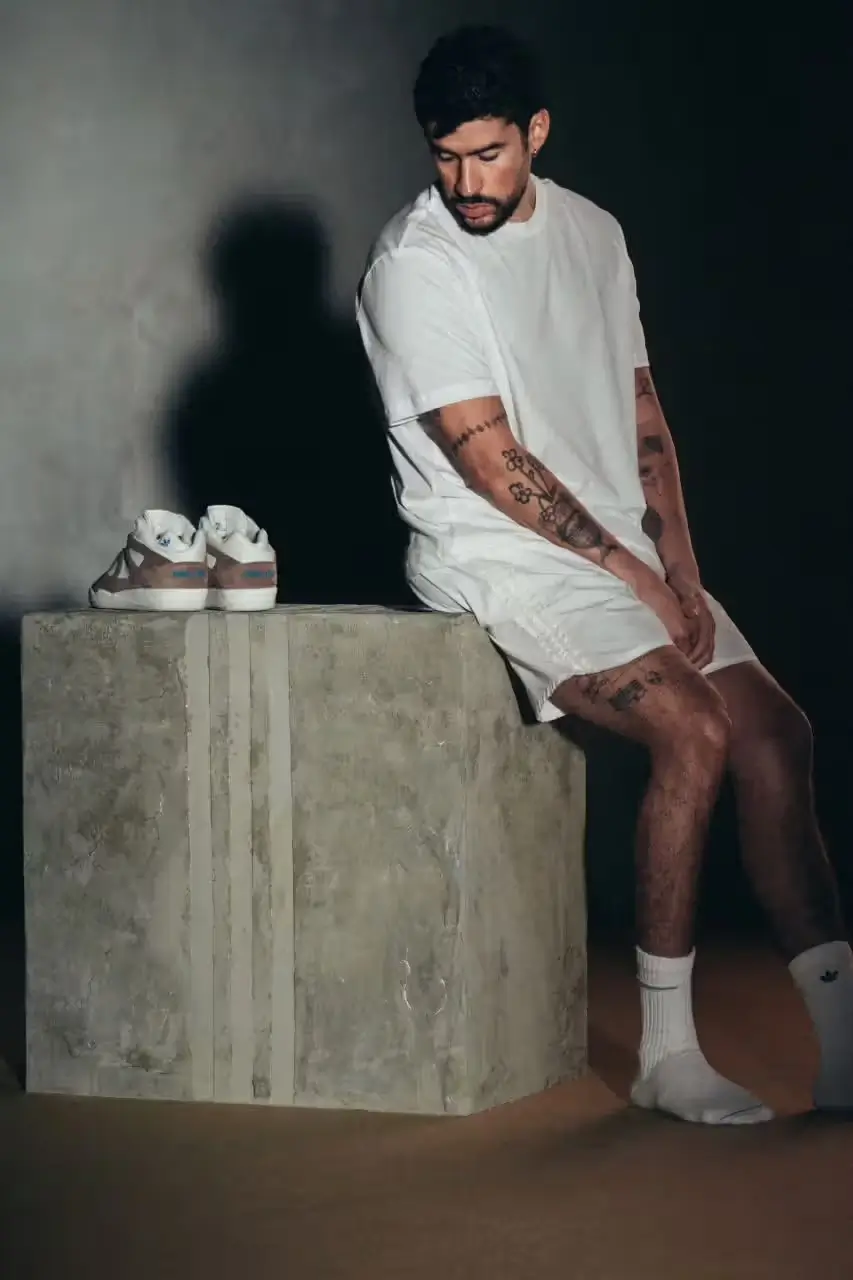
In a cultural moment where music, fashion, and sneaker design collide more dramatically than ever, Bad Bunny and adidas have unveiled what may become one of the most mythologized footwear releases of the decade: the BadBo 1.0. Arriving just days after the Puerto Rican megastar capped another historic awards season and reaffirmed his dominance at the top of global charts, the sneaker signals a turning point—not only in his personal brand evolution, but in how artist-driven footwear is being positioned inside luxury-leaning streetwear culture.
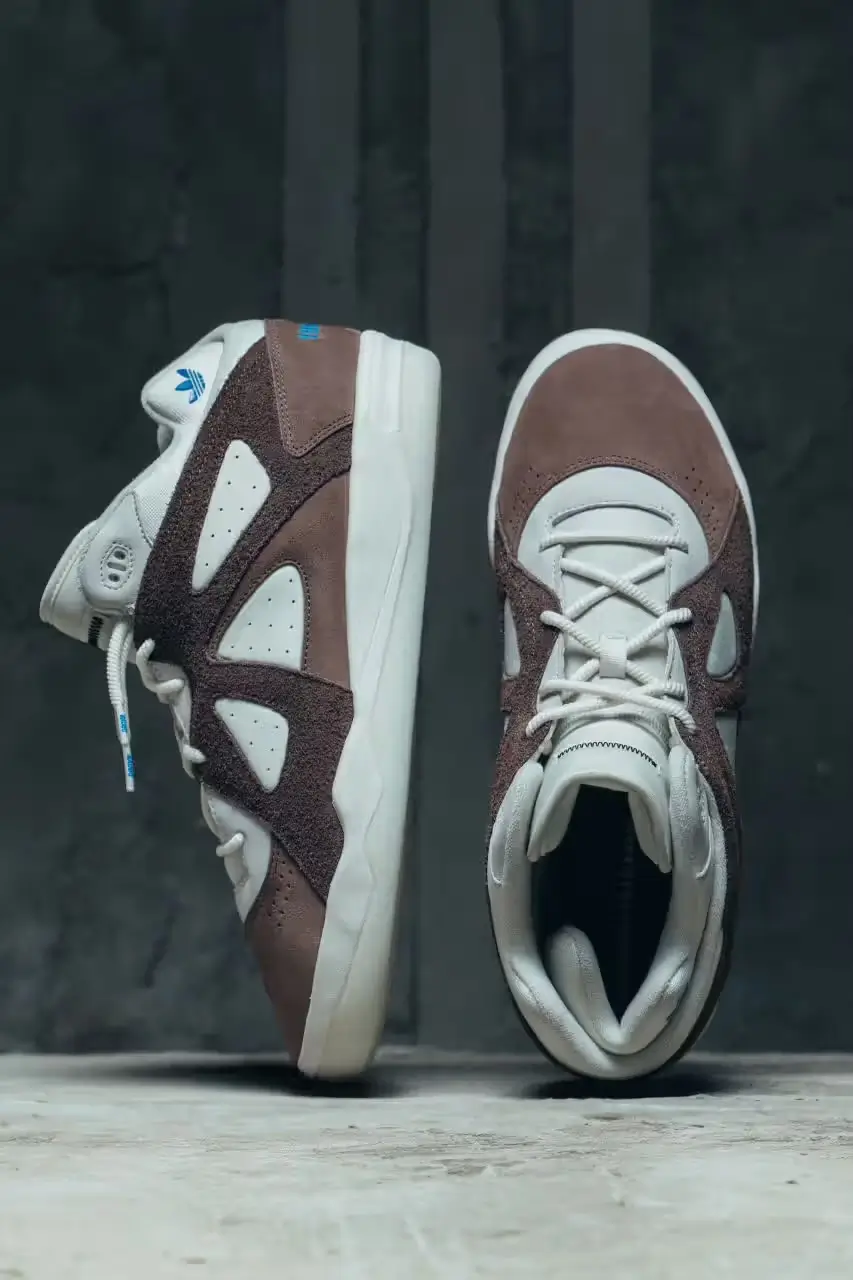
This is not merely another collaborative colorway. The BadBo 1.0 is Benito Antonio Martínez Ocasio’s first-ever official signature sneaker, elevating his long-running partnership with the German sportswear giant into rarified air previously reserved for elite athletes and once-in-a-generation pop icons. Designed in a restrained palette of rich brown suede and crisp white leather, accented by subtle blue adidas Originals details and finished with individually stitched batch numbers, the shoe feels less like merchandise and more like a collectible artifact—fashionable, yes, but also archival in intent.
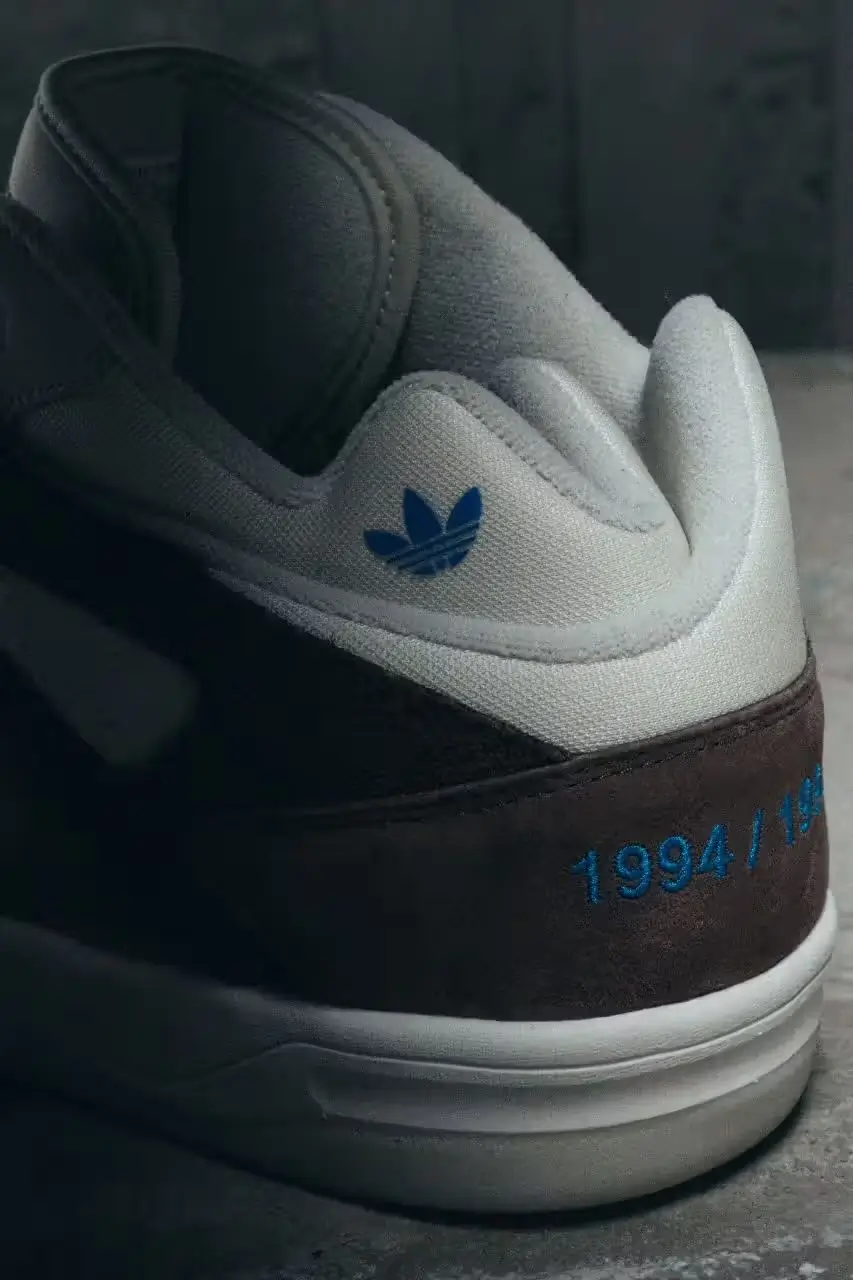
With just 1,994 pairs produced worldwide, a deliberate nod to Bad Bunny’s birth year, the BadBo 1.0 arrives pre-destined for grail status.
from
Bad Bunny’s trajectory in the shoe world has been unusually organic. Rather than flooding the market with frequent, flashy drops, his adidas projects have tended to appear strategically—each release marking a new phase in his aesthetic or artistic narrative. Early collaborations leaned into playful proportions, experimental tooling, and pastel palettes that mirrored his genre-blurring musical persona. Over time, however, his style language has matured: silhouettes became sleeker, palettes earthier, details more architectural.
The BadBo 1.0 crystallizes that evolution. Where previous efforts felt like remix culture in motion—taking established adidas classics and warping them through Benito’s lens—this new model is conceived from the ground up as his sneaker. The name itself, “BadBo,” cleverly compresses his stage moniker into something that sounds equal parts superhero alias and street-level nickname, signaling personal authorship without abandoning approachability.
In doing so, adidas effectively positions Bad Bunny not just as a collaborator but as a pillar of its cultural strategy, joining a lineage of figures whose footwear transcends performance categories and migrates into lifestyle mythology.
lang
At first glance, the BadBo 1.0 resists the maximalist theatrics often associated with celebrity sneakers. Instead, it opts for a muted, premium-forward aesthetic—a move that feels calibrated to today’s fashion climate, where “quiet luxury” codes increasingly dominate both runway and resale platforms.
The upper blends chocolate-toned suede overlays with panels of smooth white leather, producing a tactile contrast that reads sophisticated rather than sporty. The brown hue anchors the shoe in earthiness, echoing the neutral palettes currently favored by high-fashion houses and luxury streetwear labels alike, while the white sections sharpen the silhouette, preventing the design from drifting into monochrome heaviness.
Blue adidas Originals branding punctuates the composition sparingly—on the tongue tab, heel markings, and interior lining—adding a cool counterpoint to the warmth of the suede. It is restrained branding, but unmistakable, operating more like a signature ink stroke than a billboard.
Perhaps the most poetic detail lies at the back: a custom batch number stitched directly into the heel, transforming each pair into a numbered edition rather than a mass-produced commodity. In an era when sneakerheads increasingly treat footwear as investment pieces or cultural documents, that decision feels calculated—and deeply effective.
wear
While the BadBo 1.0’s exterior leans luxury, the internal engineering remains grounded in adidas’ technical heritage. Early descriptions emphasize a cushioned midsole tuned for everyday wear rather than court-specific performance, suggesting the model was built to move fluidly between studio sessions, airport lounges, and city streets.
The outsole pattern—rumored to blend classic herringbone traction with new geometric textures—signals versatility rather than specialization, reinforcing the idea that this is a lifestyle sneaker with elite-tier materials, not a gym-only proposition.
Padding around the collar and tongue appears generous but sculpted, avoiding the bulky look that dominated early-2000s retros while still offering stability and comfort for long days on foot. If the design goal was to create a shoe that feels luxurious without becoming fragile, the BadBo 1.0 seems poised to hit that sweet spot.
rare
Limiting production to 1,994 pairs globally is more than a marketing ploy—it is narrative architecture. By tying supply directly to Bad Bunny’s birth year, adidas and his team transform the release into an autobiographical artifact. Each pair becomes a timestamp, a physical reminder of where the artist stands in 2026: commercially unstoppable, culturally omnipresent, and increasingly selective about the projects he attaches his name to.
This approach aligns with a broader shift in sneaker culture, where hyper-limited releases function less like retail products and more like exhibitions—drops that feel closer to gallery openings than shopping experiences. The BadBo 1.0’s exclusivity reinforces its role as a milestone, not a seasonal experiment.
Fans hoping to secure a pair are being directed exclusively to the official Bad Bunny × adidas platform, further tightening control over distribution and amplifying the aura surrounding the launch. No sprawling mall releases, no endless raffles—just a single digital doorway into what is already being framed as history.
culture
The timing of the BadBo 1.0 is no accident. Dropping in the immediate aftermath of another award-season triumph, the sneaker feeds into a narrative of relentless ascent. Bad Bunny has spent the past decade dissolving boundaries—between Spanish-language and English-language markets, underground reggaetón and stadium pop, avant-garde fashion and mass appeal.
A signature sneaker is the logical next frontier. It places him within a tradition historically dominated by elite athletes and a handful of musicians whose cultural gravity proved impossible for brands to ignore. Yet the BadBo 1.0 feels distinctly of this moment: global in outlook, stylistically subtle, and steeped in personal symbolism rather than bombast.
For adidas, the collaboration underscores a renewed focus on cultural architects—figures whose influence stretches beyond sport and into the rhythms of everyday style. In an increasingly competitive footwear landscape, aligning with artists who command genuine devotion rather than fleeting hype has become central to long-term relevance.
collect
With supply capped so dramatically, it is inevitable that the BadBo 1.0 will ignite immediate frenzy on secondary platforms. Early projections among sneaker analysts suggest resale prices could climb several multiples above retail within days of launch, especially for pairs in pristine condition with intact packaging and visible heel numbering.
But beyond monetary value, the shoe is positioned to accrue cultural capital—the kind that transforms objects into reference points. Much like early signature models from genre-defining artists, the BadBo 1.0 may eventually be cited as the moment Bad Bunny crossed from collaborator to footwear auteur.
Collectors are already speculating about future iterations: will subsequent BadBo models explore bolder palettes? Will the line expand into apparel or accessories? Or will adidas preserve the mystique by keeping releases infrequent and meticulously curated?
new
Ultimately, the BadBo 1.0 is less about immediate hype and more about legacy construction. It signals Bad Bunny’s intent to build something enduring inside fashion—not just a series of one-off projects, but a recognizable design language tied to his identity.
The brown suede and white leather may read understated today, but that restraint is precisely what gives the shoe longevity. Trends will cycle, louder silhouettes will come and go, but a well-crafted neutral sneaker anchored in storytelling has a way of aging gracefully.
For fans, securing a pair means owning a slice of a particular cultural crossroads—where Latin music’s most influential figure of his generation steps formally into the pantheon of signature-sneaker creators. For adidas, it represents another successful fusion of performance heritage and pop-cultural foresight.
And for the rest of us watching from the sidelines? The BadBo 1.0 offers a reminder that in 2026, sneakers remain one of the most powerful storytelling devices in fashion—objects capable of compressing biography, branding, craftsmanship, and global fandom into something you can lace up and walk out the door with.
If this debut is any indication, Bad Bunny’s footprint in footwear is only just beginning.