Balenciaga Radar — Pierpaolo Piccioli’s Lightweight Reset for a New Era of Precision

March 18, 2026
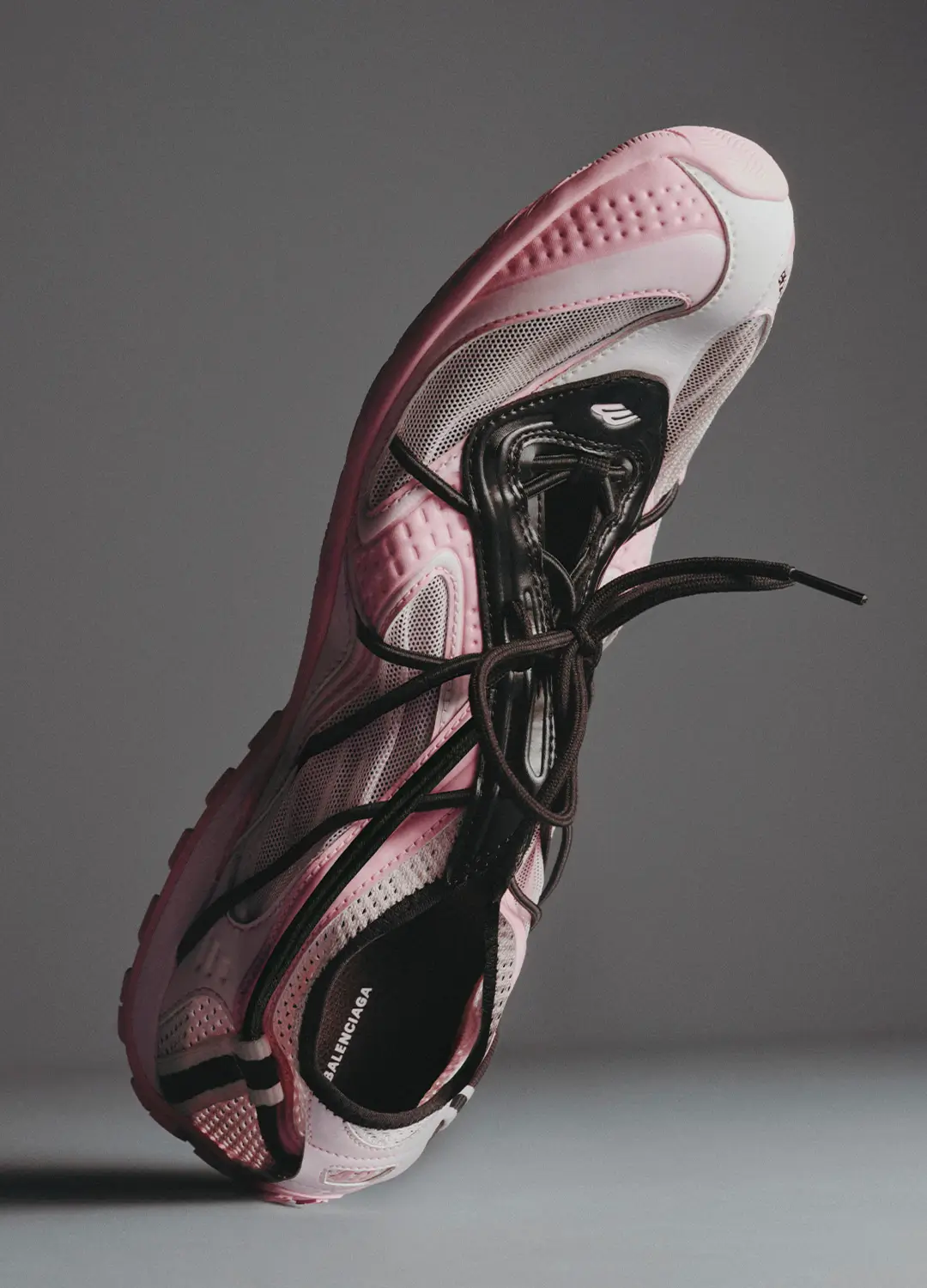
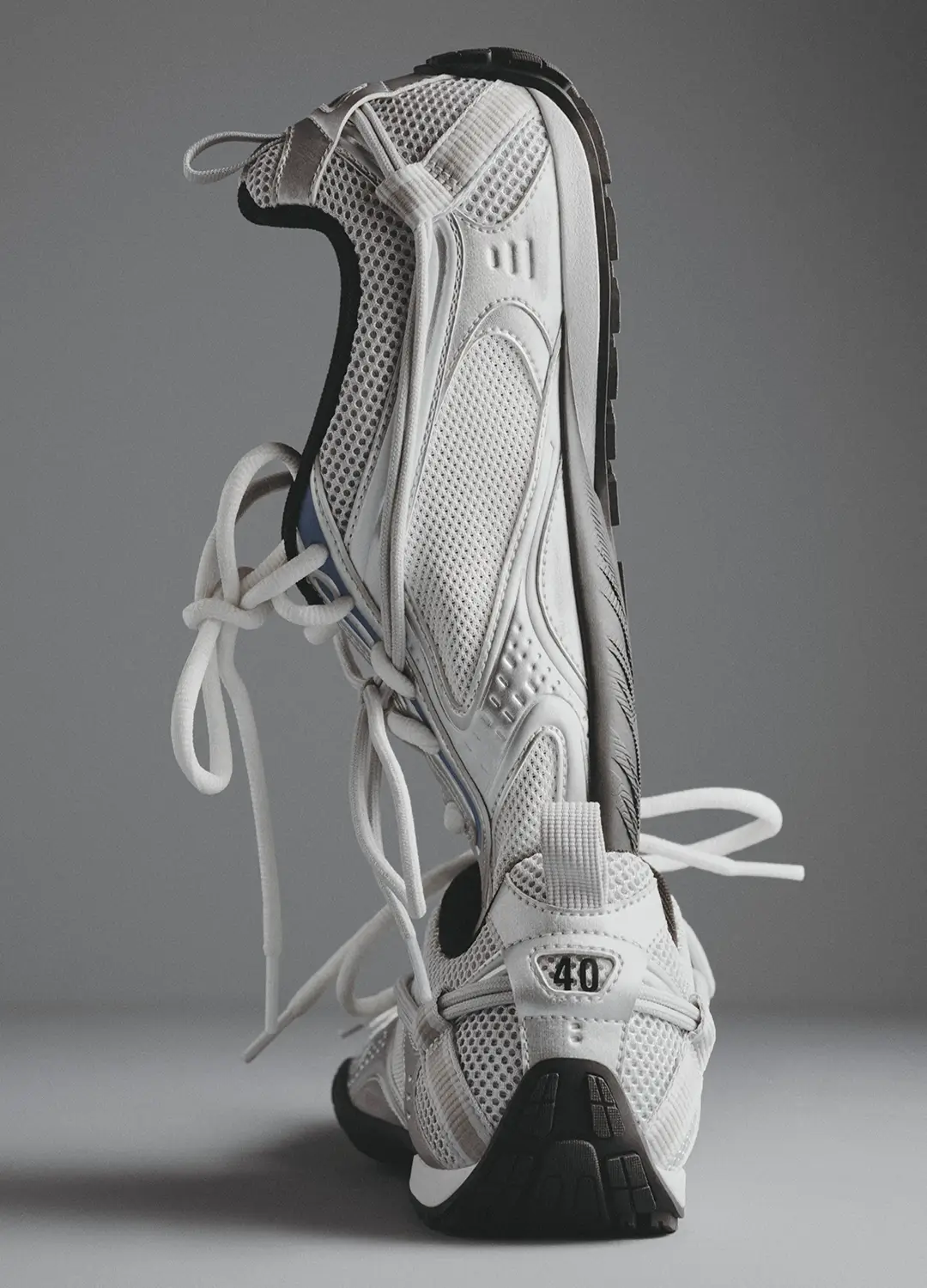
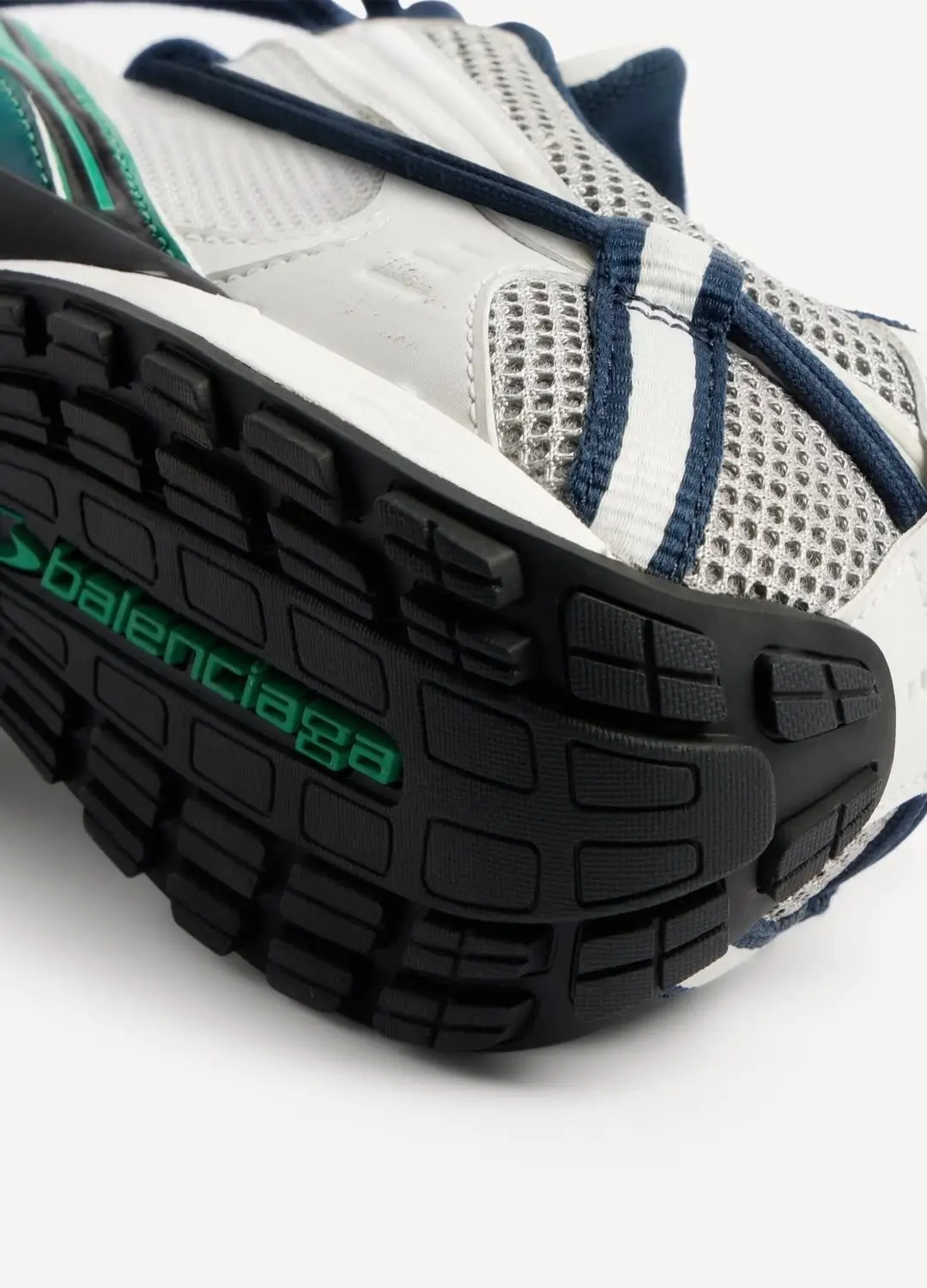
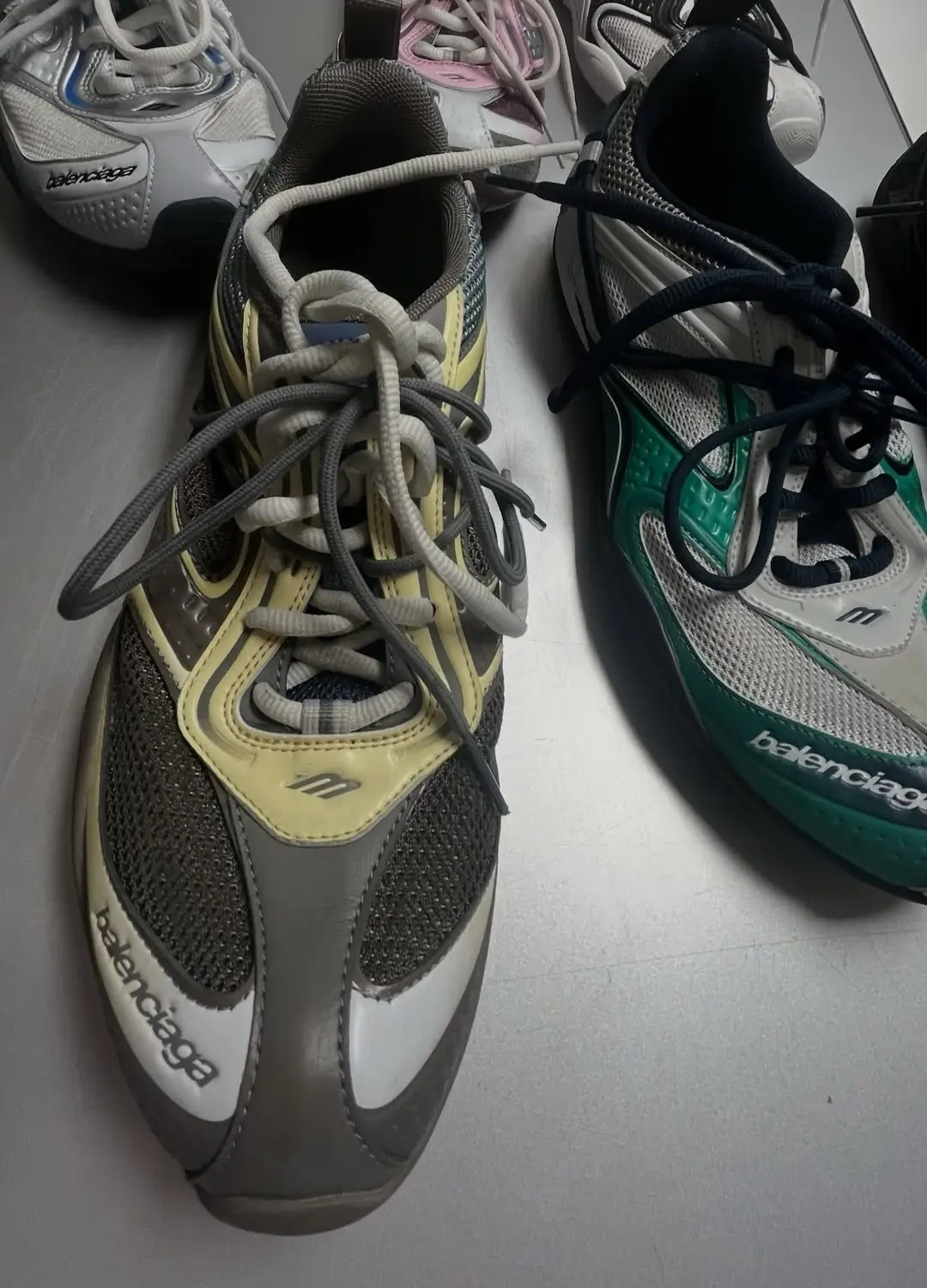
The transition from Demna to Pierpaolo Piccioli at Balenciaga was never going to be quiet. For nearly a decade, Demna’s footwear defined the industry’s appetite for exaggeration—oversized silhouettes, hyper-distressed finishes, and a deliberate tension between luxury and anti-luxury. Shoes like the Triple S and Track didn’t just sell; they reshaped how haute footwear could behave in a streetwear-driven market.
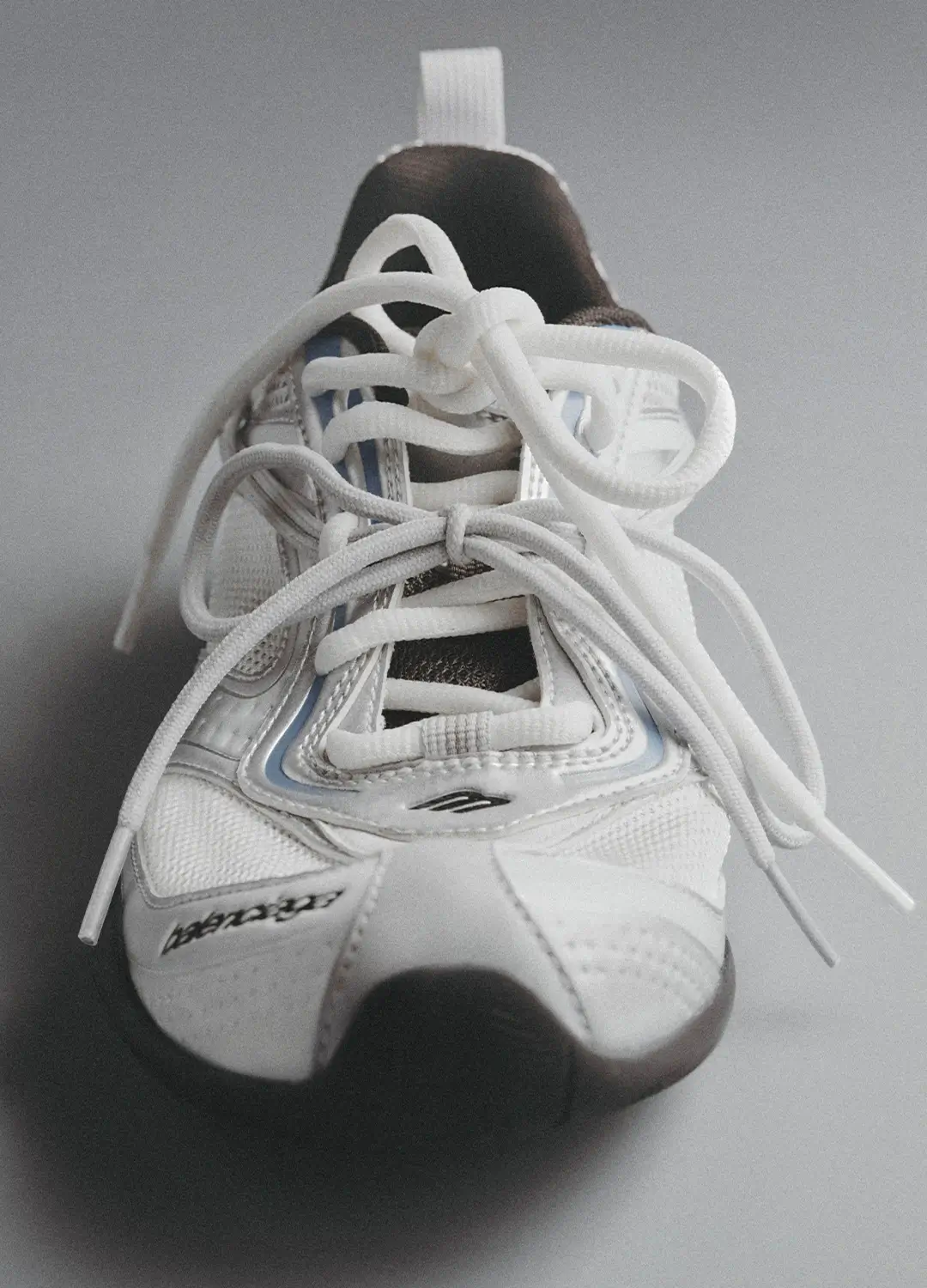
Now, Piccioli enters with the Radar Shoe—his first footwear statement for the house—and it signals something markedly different. Not a rejection of what came before, but a recalibration. Where Demna built mass and irony, Piccioli introduces lightness, precision, and a kind of aerodynamic clarity that feels attuned to the tempo of 2026.
flow
The name “Radar” is not incidental. Borrowed from radio detection and ranging technology, it frames the shoe as an object built for awareness—of movement, of space, of the body itself. This is not a bulky artifact meant to dominate the ground beneath it. Instead, the Radar Sneaker appears to hover within it.
Piccioli’s approach leans into contemporaneity not as spectacle, but as responsiveness. The ultra-lightweight construction and streamlined profile suggest a sensitivity to how people actually move today—fast, adaptive, and often between multiple environments in a single day.
This is perhaps the most immediate departure from the Demna era. Where previous Balenciaga shoes asserted presence through scale, the Radar achieves presence through refinement. It doesn’t demand attention—it earns it through proportion and intent.
stir
At the core of the Radar Shoe is its double lacing system, a functional and visual centerpiece that wraps around the entire upper. This isn’t simply a design flourish; it creates a tension structure that allows the shoe to mold to the wearer’s foot. The result is a fit that feels adaptive rather than fixed—something closer to performance footwear, but translated into a haute context.
The upper itself is stripped of excess. There’s a clarity to its construction that aligns with broader shifts in fashion toward reduction and precision. Even the branding is integrated into this system rather than sitting on top of it. A debossed Balenciaga logo appears on the toe and tongue, subtle yet deliberate, while the 3B sport icon and exposed sizing remain as coded signatures for those fluent in the house’s language.
This idea of “DNA-coded” design is key. Piccioli isn’t abandoning Balenciaga’s identity—he’s compressing it. The markers are still there, but they’re quieter, embedded, and more architectural.
View this post on Instagram
sil
One of the most striking aspects of the Radar Shoe is its silhouette. It is slender, almost elongated, with a low-profile stance that contrasts sharply with the chunky shoes that dominated the past decade. This shift mirrors a broader movement across fashion, where volume is being reconsidered in favor of line, flow, and articulation.
The Radar doesn’t try to compete with maximalist designs—it sidesteps them entirely. Its strength lies in its ability to integrate into a look without overwhelming it. Paired with tailored trousers, technical outerwear, or even more fluid, gender-neutral silhouettes, the sneaker adapts rather than dictates.
This adaptability is where Piccioli’s sensibility becomes most apparent. Known for his work in couture and his emphasis on emotional clarity, he brings a sense of balance to Balenciaga’s footwear that feels both new and inevitable.
style
If the core Radar Shoe establishes the foundation, the upcoming Radar Ballerina extends it into new territory. Set to release in late March, the ballerina version taps directly into the ongoing balletcore movement—a trend that has steadily gained traction across both high fashion and streetwear.
The Radar Ballerina takes the sneaker’s principles—lightness, flexibility, and responsiveness—and distills them into an even more minimal form. With its lower cut and slimmer profile, it blurs the line between athletic footwear and dance-inspired design. Colorways like soft grey and baby pink on black-and-white reinforce this duality, balancing delicacy with contrast.
This move is strategic. Balletcore isn’t just an aesthetic; it represents a shift toward softness, control, and bodily awareness in fashion. By integrating it into the Radar family, Piccioli positions Balenciaga within this conversation without abandoning the brand’s edge.
day
Despite its conceptual framing, the Radar Shoe is fundamentally practical. Its emphasis on versatility, flexibility, and responsiveness makes it suited for daily wear in a way that some of Balenciaga’s previous footwear—iconic as it was—often wasn’t.
The lightweight construction reduces fatigue, while the adaptive lacing system ensures comfort across different foot shapes. This is performance not in the traditional athletic sense, but in the context of modern life: commuting, walking, moving through layered urban environments.
There’s also an understated confidence in this approach. The Radar doesn’t rely on overt branding or exaggerated proportions to signal its value. Instead, it trusts in its design to communicate its worth—a shift that aligns with a more mature phase of luxury consumption, where discernment often outweighs display.
fwd
Piccioli’s Radar Shoe arrives at a moment when the sneaker industry itself is in flux. After years of maximalism, there is a growing appetite for refinement—shoes that prioritize form, function, and materiality over sheer visual impression.
In this context, the Radar feels less like an outlier and more like a leading indicator. It suggests that the next phase of haute shoes may be defined not by how much they can add, but by how much they can remove while still maintaining identity.
This doesn’t mean the end of bold design. Rather, it points to a diversification of approaches. There will always be room for statement pieces, but alongside them, a new category is emerging—one that values precision, adaptability, and a closer relationship between the object and the body.
rel
The Radar Shoe is already available online and in select stores, with a broader rollout of colorways and retail locations beginning mid-March. This staggered release reflects a measured approach, allowing the shoe to build momentum organically rather than relying on a single, high-impact drop.
It also aligns with how contemporary audiences engage with products. Instead of a singular moment of hype, there is an ongoing narrative—new colorways, new iterations, and an expanding ecosystem that keeps the conversation active.
In many ways, this mirrors the concept of radar itself: continuous scanning, constant updates, an awareness of shifting signals. The sneaker isn’t just a product; it’s part of a larger system of release, reception, and reinterpretation.
fin
As Piccioli’s first shoe for Balenciaga, the Radar carries a weight that goes beyond its physical construction. It represents a directional shift, a statement of intent, and a glimpse into what the house might become under his guidance.
But it also feels like a beginning rather than a conclusion. The Radar sets the parameters—lightness, responsiveness, integration—but leaves room for evolution. Future iterations, collaborations, and extensions will likely build on this foundation, expanding the language Piccioli has introduced.
What’s clear is that Balenciaga is entering a new phase. One that doesn’t erase its recent past, but reframes it. The excess and irony of the Demna era give way to a more calibrated vision—one that values precision over provocation, and movement over mass.
In the Radar Shoe, that vision takes its first, decisive step.