Barrow Off White–Turtledove: The Unisex Skate Shoe in Controlled Neutrality

March 31, 2026
45 minutes ago
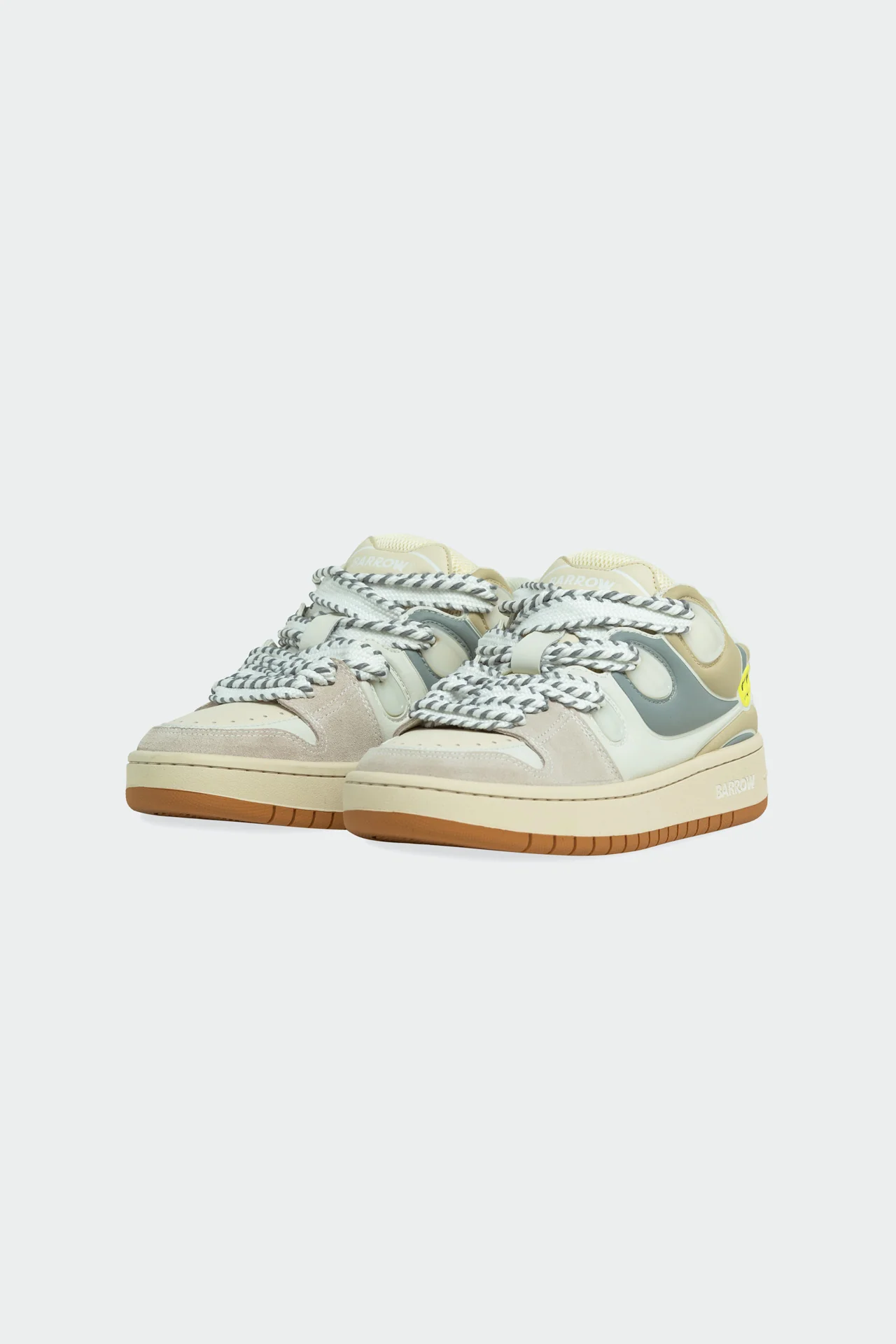
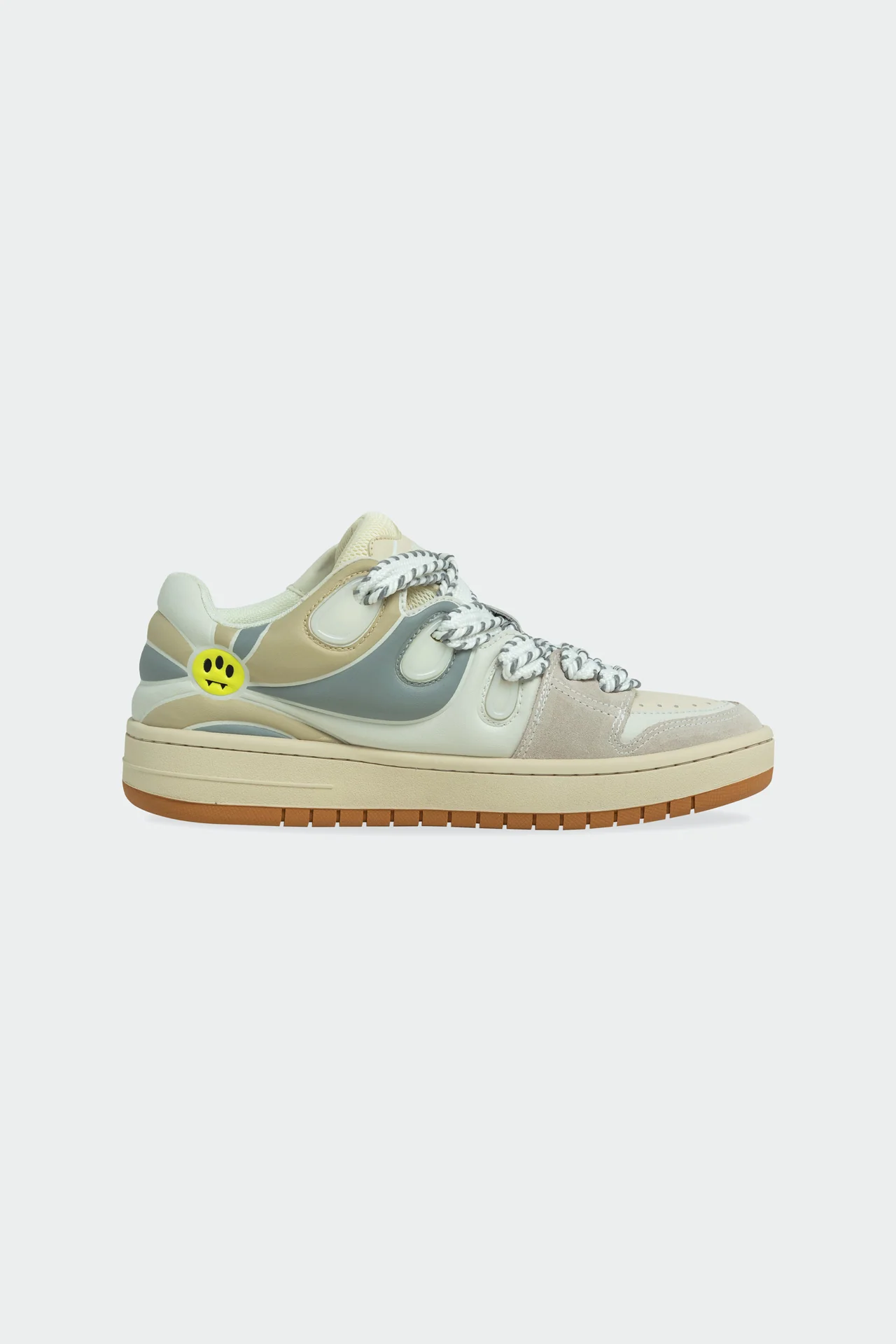
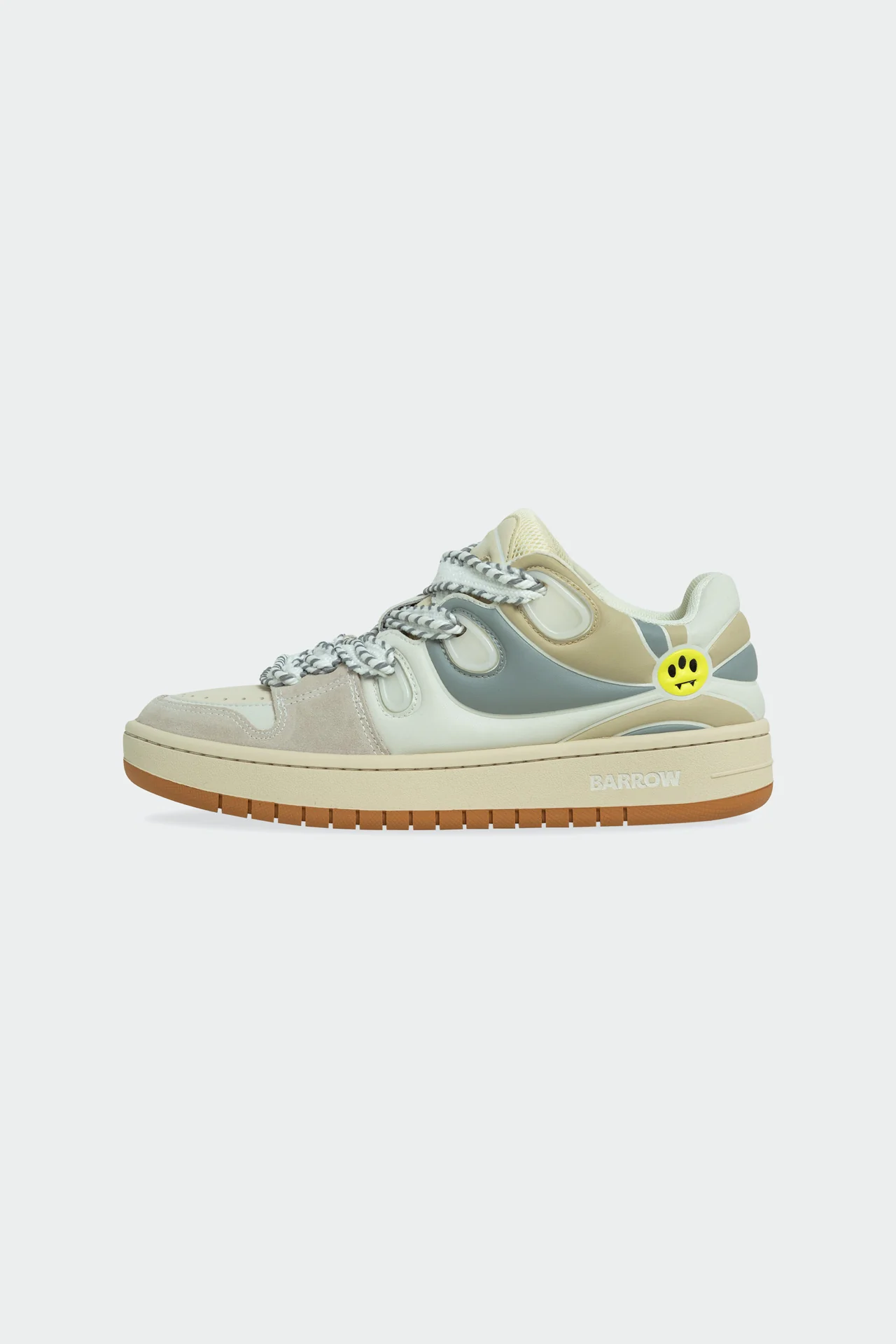
Within skate culture, color has traditionally functioned as signal—graphic, immediate, often loud enough to cut through motion. Barrow approaches this language from a different angle. The OFF WHITE–TURTLEDOVE iteration reframes neutrality not as absence, but as control.
This is not a blank shoe. It is a deliberate softening of the skate silhouette, where tone becomes structure and restraint becomes identity.
View this post on Instagram
sil
The foundation of the OFF WHITE–TURTLEDOVE model remains rooted in the familiar architecture of skate footwear: a low-profile stance, reinforced paneling, and a sole engineered for board feel and durability.
Yet Barrow introduces a subtle recalibration. The proportions feel slightly refined—edges softened, transitions between materials less abrupt. Where traditional skate shoes emphasize ruggedness, this model leans into a more composed visual language.
The result is a silhouette that retains its functional roots while shifting its aesthetic register. It reads as skate-adjacent rather than strictly utilitarian, opening it to a broader context within contemporary wardrobes.
material
Color, in this instance, operates beyond surface. The “turtledove” tone—a muted, off-white beige—creates a continuous visual field across the shoe’s upper.
This continuity has a flattening effect, reducing visual noise and allowing construction details to emerge more quietly. Stitch lines, panel overlaps, and textural variations become perceptible only upon closer inspection.
In doing so, Barrow transforms neutrality into a form of articulation. The absence of contrast becomes a way of emphasizing structure rather than obscuring it.
tactful
The OFF WHITE–TURTLEDOVE model balances suede and textile elements, a combination that reflects both durability and comfort.
Suede panels provide reinforcement in high-wear areas—particularly along the toe box and lateral sides—while softer textile sections allow for flexibility and breathability. The tactile contrast between these materials introduces depth without relying on color variation.
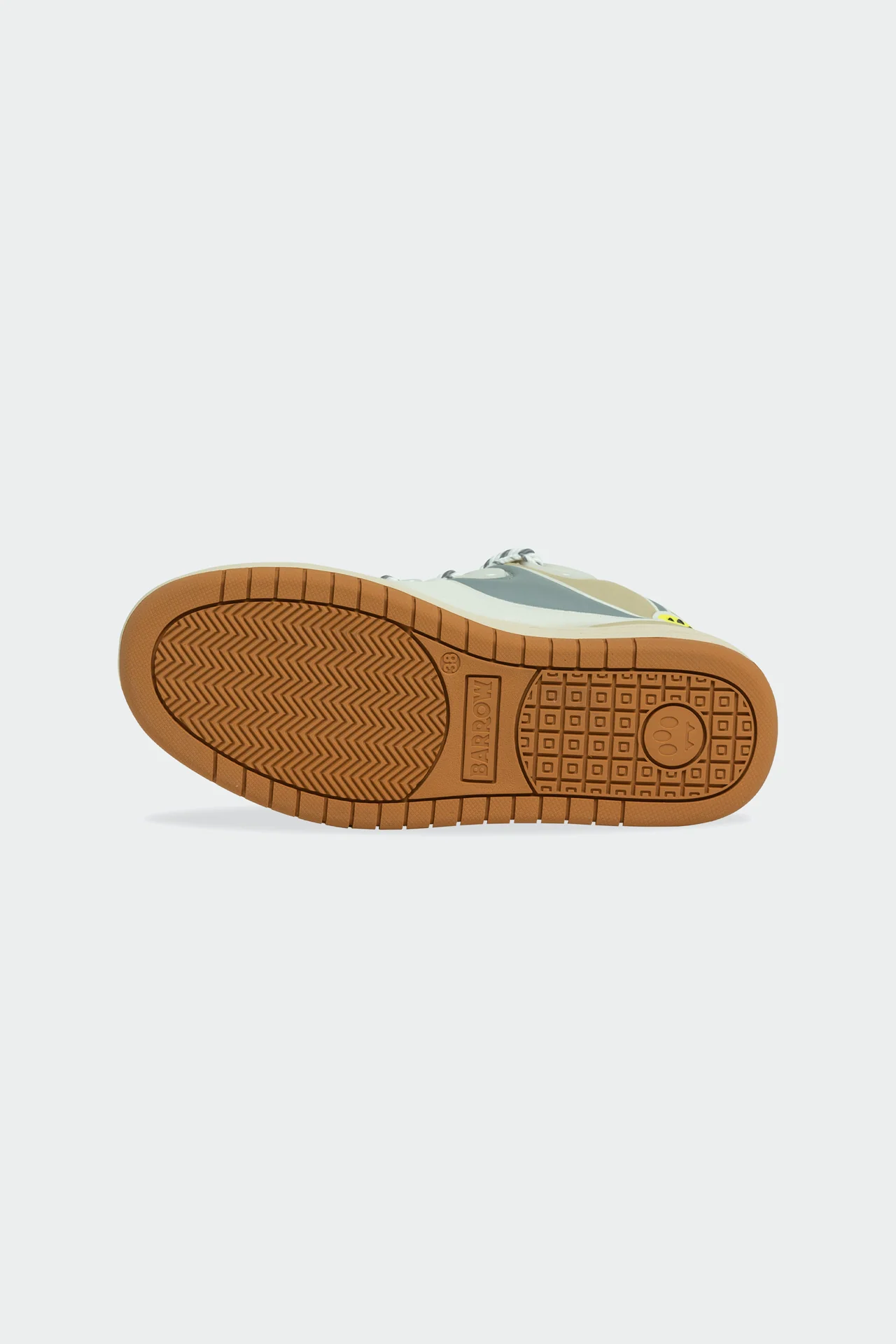
The sole unit, typically rendered in a slightly warmer tone, anchors the shoe. Its grip pattern remains consistent with skate functionality, ensuring traction while maintaining a streamlined profile.
This interplay of materials reinforces the shoe’s dual identity: practical enough for use, refined enough for styling.
idea
Barrow positions the OFF WHITE–TURTLEDOVE as unisex, though this designation extends beyond sizing.
The shoe’s design avoids gender-coded cues—no exaggerated bulk, no overtly delicate detailing. Instead, it operates within a balanced middle ground, where proportion and tone remain adaptable.
This adaptability reflects a broader shift within fashion, where categories become less rigid and design is guided more by use and interpretation than by predefined labels.
In this context, the shoe’s neutrality becomes functional. It allows for integration across different wardrobes, styles, and identities without imposing a singular narrative.
resistance
Barrow’s identity—often associated with bold graphics and youthful irreverence—is here expressed with restraint.
Logos and markings are present but subdued, integrated into the design rather than imposed upon it. This approach aligns with the overall philosophy of the shoe: visibility without excess.
The branding does not compete with the form; it supports it.
flow
The OFF WHITE–TURTLEDOVE exists in a space between categories.
On one hand, it retains the structural elements necessary for skate use. On the other, its aesthetic refinement positions it within the broader landscape of contemporary streetwear.
This duality reflects the evolution of skate culture itself. What was once a distinct subculture has increasingly intersected with fashion, influencing silhouettes, materials, and styling conventions.
Barrow’s interpretation acknowledges this shift. The shoe is not confined to the skate park; it extends into urban environments, functioning as both tool and statement.
style
The versatility of the turtledove colorway allows the shoe to operate across a wide range of looks.
It can anchor monochromatic outfits, providing subtle variation within a neutral palette. It can also soften more graphic ensembles, acting as a visual counterbalance.
In both cases, the shoe’s role is supportive rather than dominant. It integrates rather than interrupts.
This quality enhances its longevity. Trends may shift, but neutrality—when executed with precision—retains relevance.
shh
What Barrow presents with the OFF WHITE–TURTLEDOVE is not a radical departure, but a refinement.
It suggests that skate footwear can evolve without abandoning its origins, that functionality and restraint can coexist, and that neutrality can carry its own form of presence.
In an environment often driven by immediacy and excess, this approach feels measured.
end
The OFF WHITE–TURTLEDOVE unisex skate shoe reflects a broader movement within fashion toward clarity and control.
By reducing visual noise and emphasizing structure, Barrow creates a product that resonates beyond its category. It is not defined solely by its function, nor solely by its aesthetic. It exists in the space between—where use, design, and context intersect.
In this intersection, the shoe finds its identity. Not through assertion, but through precision.