Blumarine Opens a Refined New Space on Via Fiori Chiari in Milan

March 8, 2026
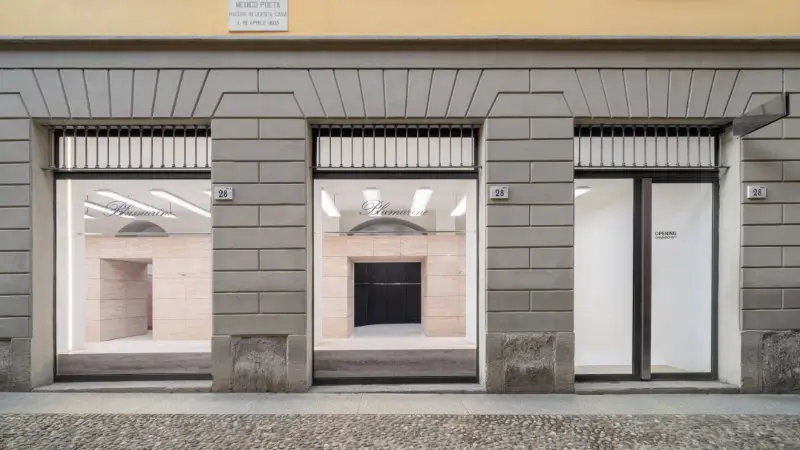
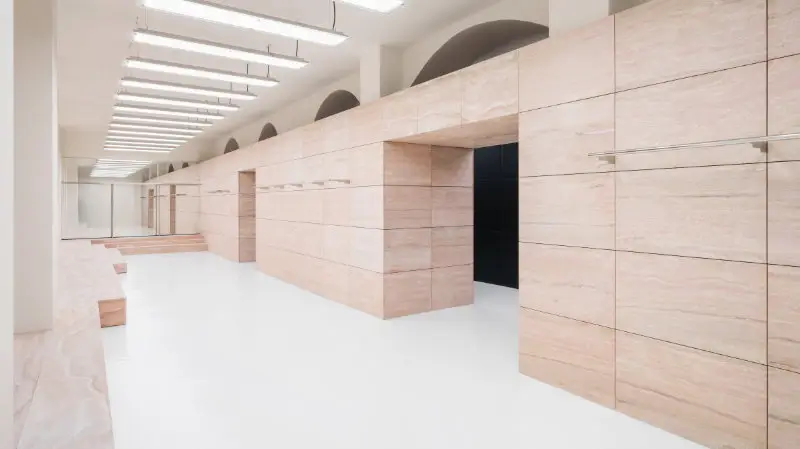
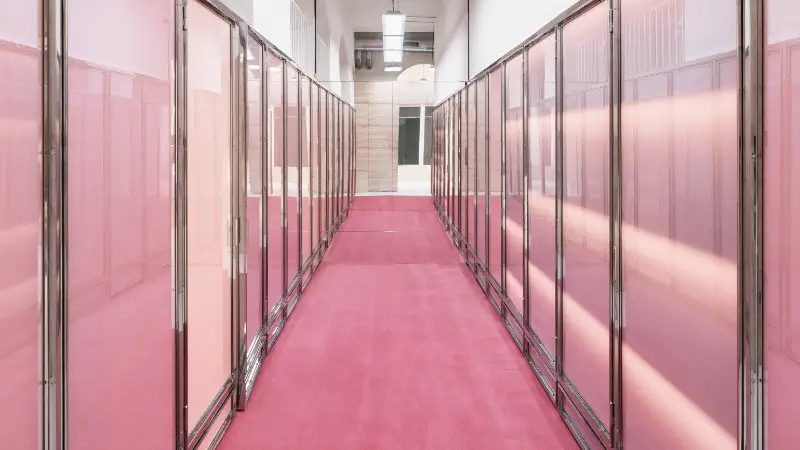
In the Brera district of Milan—a neighborhood where art galleries, historic ateliers, and contemporary fashion boutiques sit shoulder to shoulder—Blumarine has unveiled a new boutique that reimagines how the brand inhabits physical space. Located at Via Fiori Chiari 28, the store reflects a deliberate convergence of architecture, atmosphere, and identity.
The opening signals more than a retail expansion. It is a spatial translation of Blumarine’s evolving aesthetic: romantic, modern, and quietly theatrical. Designed by the Italian architecture practice NM3 Studio, the boutique transforms 170 square meters into an immersive environment where fashion, light, and material interact with deliberate precision.
An exclusive inauguration event on February 27 introduced the space to invited guests, while the boutique officially opened to the public on March 6. The result is a Milanese destination that merges fashion retail with architectural storytelling.
View this post on Instagram
flow
To understand the significance of the boutique’s location, one must understand Brera itself. Few neighborhoods embody the creative spirit of Milan as vividly as this historic quarter.
Brera has long functioned as a cultural nucleus within the city. Narrow cobblestone streets weave between historic buildings that house design studios, independent bookstores, and contemporary art galleries. It is here that fashion intersects with art and architecture in a way that feels organic rather than orchestrated.
The area takes its identity from the nearby Pinacoteca di Brera, one of Italy’s most important art museums. For decades, Brera has been associated with artists, intellectuals, and designers seeking inspiration within Milan’s layered cultural landscape.
For Blumarine, opening a boutique in this environment carries symbolic weight. The district offers a setting where creativity and craftsmanship remain central values—principles that mirror the brand’s own heritage.
Rather than situating itself along Milan’s more commercial luxury corridors, the brand chose a location that reflects a slower, more contemplative rhythm. In Brera, fashion becomes part of a broader cultural conversation.
arch
The architecture of the boutique comes from NM3 Studio, an Italian design firm known for its radical yet restrained approach to materials and structure.
Founded by architects who emerged from Milan’s experimental design scene, NM3 has built a reputation for working with industrial materials such as aluminum, stainless steel, and raw structural forms. Their work frequently blurs the boundary between furniture, architecture, and installation art.
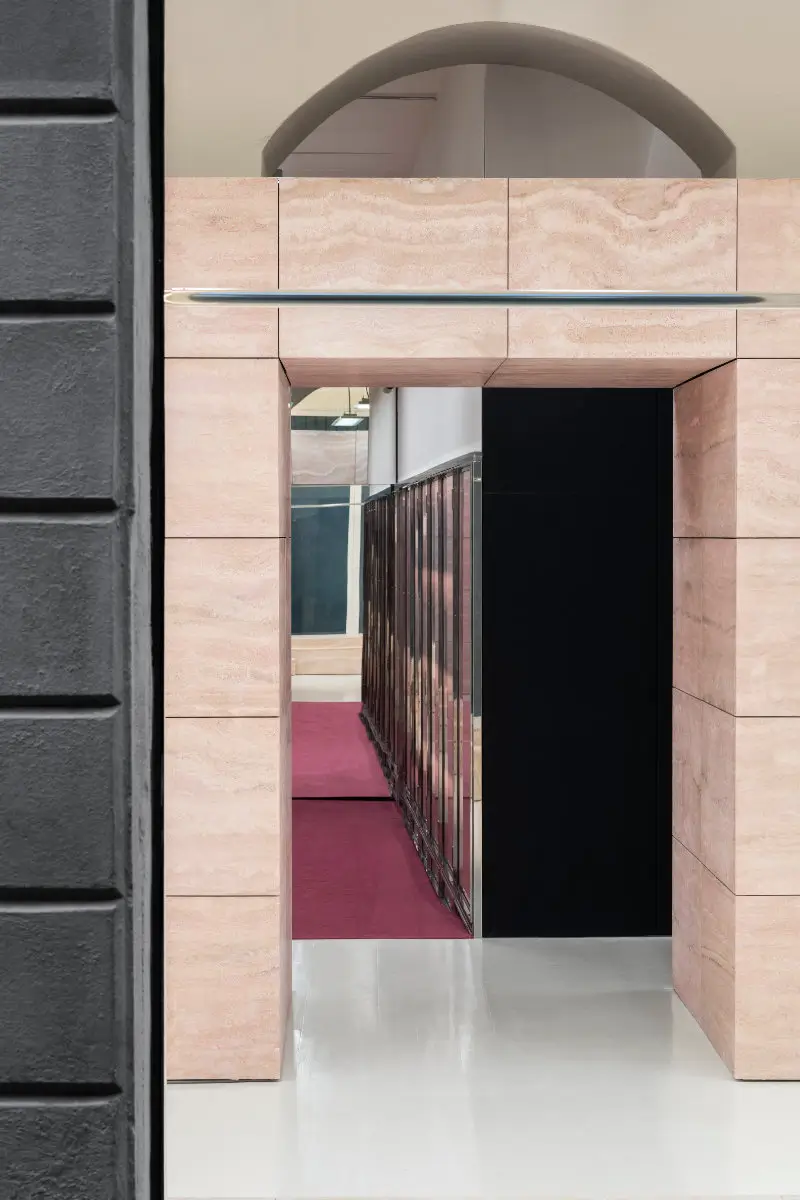
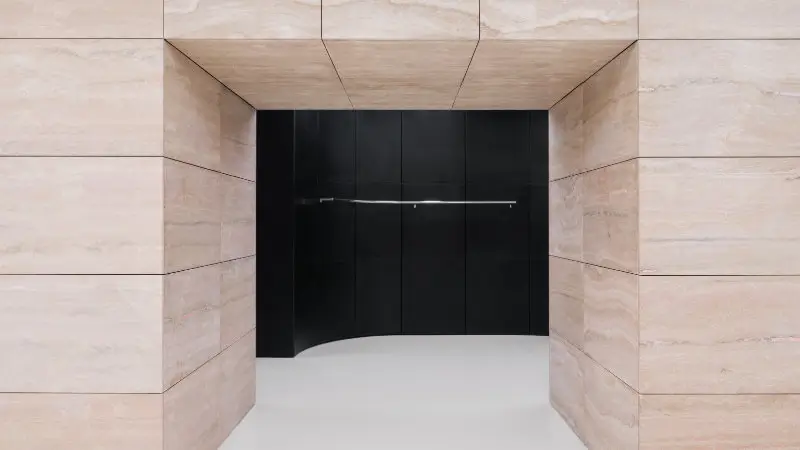
In the Blumarine boutique, the studio translates the brand’s aesthetic through a language of modular geometry. Clean lines and architectural repetition create a rhythm throughout the space.
Rather than overwhelming visitors with ornamentation, the design relies on structure and proportion. Modular metal frameworks organize the boutique into distinct zones while maintaining visual continuity across the floor.
The architecture acts almost like a skeletal system for the store—supporting garments and accessories while leaving ample space for light, movement, and atmosphere.
light
One of the defining features of the boutique is its relationship with natural light.
Five large street-facing windows form the store’s architectural backbone. Positioned along Via Fiori Chiari, these windows create a transparent boundary between interior and exterior.
During daylight hours, sunlight pours into the boutique, illuminating displays and reflecting across metallic surfaces. The light shifts throughout the day, subtly transforming the mood of the space.
For pedestrians walking through Brera, the windows act as a visual invitation. Passersby glimpse the brand’s world from the street—garments suspended within a carefully composed architectural frame.
This openness contrasts with the traditional luxury boutique model, which often favors exclusivity and visual separation. Instead, Blumarine’s Milan space embraces visibility and accessibility.
The store becomes both exhibition and environment.
choreo
Inside the boutique, NM3’s modular system organizes the store into a series of interconnected zones.
Rather than rigid rooms or partitions, the layout relies on architectural frameworks that define spaces while allowing sightlines to remain open. Visitors move fluidly through the boutique, guided by subtle structural cues.
Metal racks, sculptural display tables, and suspended elements create a layered interior landscape. Each module functions as both furniture and architecture.
The effect is almost gallery-like. Garments appear not merely displayed but curated.
The modular structures also allow the boutique to evolve over time. Displays can shift and reconfigure to accommodate seasonal collections, installations, or events.
Flexibility becomes an integral part of the design philosophy.
aesthetic
The boutique’s architecture reflects a broader transformation within Blumarine’s creative direction.
Founded in 1977 by Anna Molinari and Gianpaolo Tarabini, the brand became synonymous with romantic femininity. Floral prints, lace textures, and soft silhouettes defined its identity throughout the 1980s and 1990s.
In recent years, Blumarine has experienced a revival among younger audiences drawn to its Y2K-era aesthetic. Butterfly motifs, pastel tones, and nostalgic references have returned to fashion conversations.
The Milan boutique reflects this dual identity: heritage and reinvention.
NM3’s architectural restraint allows the garments themselves to carry visual expression. Against the neutral structural framework, pieces from the collection appear vibrant and tactile.
Lace dresses, denim silhouettes, and delicate knitwear gain prominence within the architectural setting.
The space becomes a stage where fashion performs.
a single-level
At 170 square meters, the boutique occupies a single level. While relatively compact compared with flagship stores in major shopping districts, the design maximizes spatial perception.
Open sightlines allow visitors to see across the store from multiple vantage points. Structural elements guide movement while preserving an overall sense of continuity.
The absence of multiple floors enhances the intimacy of the retail experience. Customers remain visually connected to the entire environment, reinforcing the boutique’s cohesive atmosphere.
This design choice reflects a contemporary shift in retail architecture. Increasingly, luxury brands are moving away from large multi-level stores toward more curated, experiential environments.
In Brera, the boutique functions less like a department store and more like a carefully designed studio.
milan
The boutique’s inauguration on February 27 drew guests from across Milan’s creative scene.
Fashion editors, stylists, and cultural figures gathered inside the space for an evening event that blended fashion presentation with architectural unveiling.
Guests explored the modular interiors while viewing the brand’s latest collections displayed throughout the boutique. Music, lighting, and curated refreshments transformed the store into a social environment.
Such events have become central to modern retail strategy. Rather than simply opening a store, brands create moments—experiences that circulate through social media and fashion networks.
The Milan launch positioned the boutique as both retail space and cultural venue.
xp
Contemporary luxury retail increasingly revolves around immersion. Stores must offer something that cannot be replicated online.
Blumarine’s Brera boutique responds to this shift through architecture and atmosphere.
The interplay of light, structure, and material creates a sensory environment where visitors linger rather than simply browse. The store encourages exploration.
Displays feel closer to art installations than traditional merchandising. Clothing interacts with architecture in ways that highlight silhouette, texture, and movement.
The result is a retail experience rooted in spatial storytelling.
fwd
Opening a new boutique in Milan carries symbolic significance within the fashion industry.
As home to Milan Fashion Week, the city remains one of the world’s most influential fashion capitals. Designers, buyers, and journalists converge here season after season to witness the evolution of style.
For Italian brands, maintaining a presence in Milan is both tradition and necessity.
The Brera boutique strengthens Blumarine’s relationship with the city that has long served as its creative foundation.
new
The opening of the Via Fiori Chiari boutique reflects a broader phase of renewal for Blumarine.
In recent years the brand has undergone creative transformation, reconnecting with its archival aesthetics while engaging contemporary fashion audiences.
The Milan space embodies this balance.
Its architecture is modern yet restrained. Its atmosphere is intimate yet open to the street. Its displays highlight garments that blend nostalgia with contemporary energy.
The boutique becomes a physical expression of the brand’s identity in transition.
culture
The relationship between fashion and architecture has grown increasingly important within luxury retail.
Stores are no longer neutral containers for clothing. They are environments that communicate values, identity, and aspiration.
Blumarine’s collaboration with NM3 Studio demonstrates how architectural design can shape perception of a fashion brand.
The modular structures suggest adaptability. The industrial materials hint at contemporary design culture. The openness toward the street signals accessibility.
Together these elements form a narrative about where the brand stands today.
end
As visitors step through the boutique’s glass doors on Via Fiori Chiari, they enter more than a retail space.
They enter a curated world—one where fashion, architecture, and Milanese culture converge.
The boutique reflects a broader shift in how brands interact with their audiences. Physical stores must now function as experiences, environments, and cultural landmarks.
Within the creative ecosystem of Brera, Blumarine’s new Milan space feels precisely positioned.
It stands as a luminous window into the brand’s evolving future.

No comments yet.