Bone Bindings: Revolutionizing Snowboarding with New Binding Technology

January 27, 2025

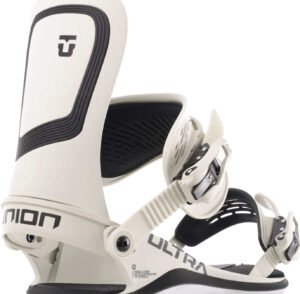
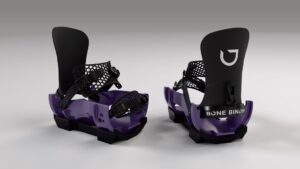
In the world of snowboarding, innovation is the key to unlocking new possibilities on the slopes. Bone Bindings, a cutting-edge brand dedicated to enhancing the snowboarding experience, has just launched a revolutionary binding system that offers riders unprecedented freedom of movement. Their new tilting mechanism allows for greater flexibility, enabling snowboarders to pivot their legs naturally on the board without compromising control.
To understand the inspiration and technology behind this groundbreaking development, Source Magazine sat down with TJ, the founder of Bone Bindings, to dive deeper into the journey, mechanics, and impact of this innovative binding system.
The Genesis of Bone Bindings: A Quest for Greater Freedom
The idea behind Bone Bindings stemmed from a common frustration among snowboarders—the feeling of being over-restricted by traditional bindings. Despite years of experience on the slopes, TJ found that conventional bindings limited his range of motion, leaving him wondering if there was a better way to enhance comfort and performance simultaneously.
“After riding for years, there was always this sensation that it’s possible to be more comfortable and flexible,” TJ explains. “Thinking about it and after lots of experimentation, we developed this new way to be connected to your board. As it turns out, being more free opens up huge possibilities in snowboarding.”
What started as an experimental pursuit quickly evolved into a full-fledged innovation, leading to the development of a binding system that prioritizes flexibility, comfort, and control—a combination that snowboarders have long sought but rarely found.
What Sets Bone Bindings Apart? The Core Technology Explained
Bone Bindings’ tilting mechanism is what makes them truly unique compared to other binding systems on the market. Unlike traditional bindings that lock a rider’s foot rigidly to the board, Bone Bindings introduce a pivoting axis that allows natural movement without sacrificing stability.
Key Features of Bone Bindings Technology:
Tilting Mechanism for Natural Pivoting
•The binding turns about an axis aligned with the foot at ankle height.
•This unique feature enables the rider’s legs to pivot independently, offering enhanced flexibility and range of motion.
•It simulates a more natural stance, improving both comfort and responsiveness.
Enhanced Board Control
•Despite offering greater flexibility, the bindings still ensure precise control and responsiveness.
•The system enables better weight distribution, making it easier to carve, jump, and land with confidence.
Customizable Flex Settings
•Riders can fine-tune their setup to match their preferred riding style, whether it’s freestyle, all-mountain, or backcountry.
•This adaptability makes Bone Bindings ideal for snowboarders of all skill levels.
Lightweight and Durable Construction
•Engineered with high-quality materials, Bone Bindings strike a perfect balance between strength and weight reduction.
•The bindings are built to withstand the demands of aggressive riding while maintaining comfort.
The Benefits of Bone Bindings for Riders
The introduction of this tilting mechanism brings several benefits to snowboarders that could redefine their riding experience. Whether you’re a beginner looking for a more forgiving setup or an experienced rider seeking dynamic movement, Bone Bindings offer numerous advantages:
Improved Mobility and Comfort
Traditional bindings can often feel restrictive, limiting the rider’s ability to move naturally. With Bone Bindings, the ability to pivot enhances freedom of movement, reducing strain and fatigue.
Enhanced Performance for Freestyle Riding
Freestyle snowboarders can now achieve greater flow and fluidity, thanks to the tilting design. The bindings allow riders to initiate tricks with more ease and control.
Increased Versatility Across Terrain
Whether shredding groomed runs, tackling powder in the backcountry, or hitting the park, Bone Bindings offer an adaptable design that suits various snow conditions and styles.
Reduced Impression and Fatigue
The ability to move more freely leads to less pressure on the knees and ankles, reducing the risk of injury and enabling longer, more enjoyable days on the slopes.
Better Edge-to-Edge Transitioning
Riders will find it easier to transition between edges without feeling “locked-in,” resulting in smoother turns and increased board control.
How Bone Bindings Compare to Traditional Systems
When compared to other binding systems available in the market, Bone Bindings stand out in several ways. Here’s a comparison of their unique features:
Feature Traditional Bindings Bone Bindings
Mobility Limited leg movement Enhanced pivoting flexibility
Comfort Stiff and rigid Natural movement for comfort
Performance Static, less fluid motion Dynamic response to movement
Weight Distribution Even but stiff Adaptive and customizable
Versatility Limited to fixed riding styles Suitable for various terrains
Market Reception and Early Reviews
Since their launch, Bone Bindings have received widespread attention from the snowboarding community. Early adopters and professional riders have praised the bindings for their unique feel and adaptability, with many calling them a “game-changer” for the sport.
Professional snowboarders who tested Bone Bindings during the product development phase have highlighted the improved feel, ease of maneuverability, and added comfort as standout features.
Snowboarding influencers and industry insiders have taken to social media to express their excitement, with many predicting that Bone Bindings could become a must-have innovation for riders looking to push their limits.
The Future of Snowboarding with Bone Bindings
With the introduction of Bone Bindings, the future of snowboarding looks increasingly dynamic and rider-focused. This innovation signals a shift towards performance-driven comfort, offering riders more control and freedom than ever before.
Looking ahead, the Bone Bindings team is committed to further refining their technology, with plans to introduce additional models catering to specific riding styles, including backcountry touring and competition-level freestyle.
What’s Next for Bone Bindings?
Expansion into International Markets:
With initial success in North America and Europe, Bone Bindings aims to expand into Asian markets, where the demand for advanced snowboarding gear is rising.
Customization Options:
Future models may feature interchangeable parts to allow riders even greater customization based on their preferences.
Connecting with Snowboarding Pros:
Partnerships with top-tier snowboarders will help push the brand’s credibility and visibility within the professional snowboarding circuit.
A New Era in Snowboarding Technology
Bone Bindings’ innovative tilting binding system represents a significant leap forward for snowboarders seeking to enhance their riding experience. By offering a blend of freedom, comfort, and control, these bindings are poised to make a lasting impact on the industry.
For snowboarders who have always felt restricted by conventional bindings, Bone Bindings provide an exciting opportunity to rethink their connection to the board and the slopes. Whether you’re a seasoned pro or a weekend enthusiast, this new technology promises to redefine the way you ride.