Bridging the Divide: Fat Joe’s Impact on Hip-Hop and Reggaetón

October 3, 2024
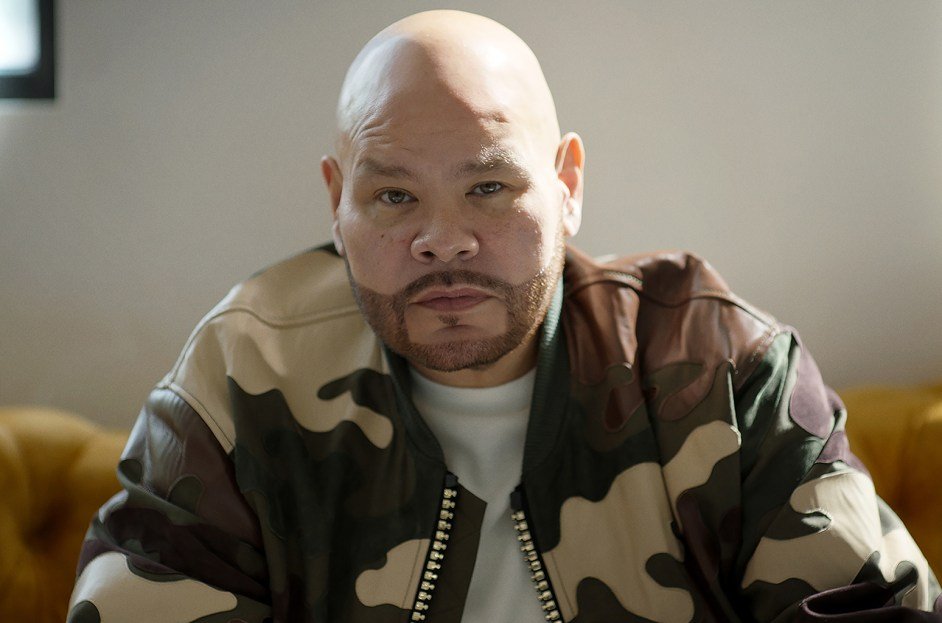
For over two decades, Fat Joe has been a pivotal figure in uniting the worlds of hip-hop and reggaetón. His unique ability to blend both genres has not only pushed musical boundaries but has also helped redefine the role of Latino artists within mainstream American music. As hip-hop continued its trajectory as a dominant cultural force, reggaetón, with its infectious rhythms and resonant lyrical themes, began to emerge as a global powerhouse. Fat Joe’s strategic connects and fearless experimentation have allowed these genres to flourish side by side, creating a shared space where cultural exchange thrives. As we reflect on his contributions during Billboard Latin Music Week’s 35th anniversary, it’s crucial to dissect how Fat Joe’s work has shaped the evolution of both genres and facilitated their broader acceptance in the music industry.
Early Years: Establishing the Hip-Hop Foundation
Fat Joe’s journey began in the streets of the Bronx, New York—a cultural melting pot where hip-hop first emerged in the 1970s. Raised in a Puerto Rican and Cuban household, Fat Joe’s early exposure to Latin music, coupled with his immersion in hip-hop culture, laid the foundation for his dual identity as an artist. His debut album “Represent” (1993) introduced him as a formidable rapper, but it was his 1998 album “Don Cartagena” that hinted at his versatility. Featuring tracks that oscillated between gritty New York beats and Caribbean-influenced rhythms, the album foreshadowed his future endeavors to blend genres.
However, Fat Joe’s first foray into a true fusion of hip-hop and Latin music came with his collaboration on Don Omar’s 2005 track “Reggaetón Latino (Chosen Few Remix),” which also featured N.O.R.E. and LDA. This pivotal remix not only expanded reggaetón’s reach but also introduced hip-hop audiences to a burgeoning Latin genre, setting the stage for future collaborations that would push both genres into uncharted territories.
Reggaetón’s Evolution: From Margins to Mainstream
The mid-2000s marked reggaetón’s rise from an underground movement to a global phenomenon. Artists like Daddy Yankee, Tego Calderón, and Wisin & Yandel began to dominate the charts, offering a fresh sound that combined dancehall’s rhythm, hip-hop’s attitude, and Spanish lyrics reflecting life in Latin American communities. Fat Joe’s collaboration on “Reggaetón Latino” was significant because it occurred at a time when reggaetón still faced resistance from mainstream audiences and critics, who often dismissed it as a passing fad.
Fat Joe’s involvement lent the genre credibility, helping bridge the cultural gap between hip-hop fans and a burgeoning Latin music movement. In his own words, reggaetón artists were the “little guys” back then, struggling to gain recognition beyond their communities. His willingness to work with them underscored his belief in reggaetón’s potential and foreshadowed its eventual ascension within global pop culture.
Connective Milestones: Fusing Hip-Hop and Latin Sounds
As both genres evolved, Fat Joe continued to innovate, fusing Latin sounds with hip-hop’s sonic foundation. A major milestone came in 2019 with his track “Yes,” featuring Cardi B and Anuel AA. The song, which samples Héctor Lavoe and Willie Colón’s salsa classic “Aguanile,” exemplifies Fat Joe’s knack for reimagining Latin musical traditions through a hip-hop lens. By incorporating a sample deeply embedded in Latin American culture, Fat Joe not only paid homage to his roots but also made a statement about the universality of Latin music’s appeal.
This theme of fusion continued with his more recent collaboration, “Paradise,” alongside Brazilian superstar Anitta and DJ Khaled. Premiered at the 2024 MTV Video Music Awards, “Paradise” has been described by Fat Joe as a “Latino national anthem,” blending Brazilian funk, reggaetón, and hip-hop. The flow symbolizes the increasingly global nature of Latin music, which now includes artists from diverse backgrounds who bring their own cultural flavors to the genre. Fat Joe’s ability to collaborate with artists like Anitta and DJ Khaled underscores his commitment to making music “for everybody,” transcending linguistic and cultural barriers.
Beyond Music: Fat Joe as a Cultural Ambassador
Fat Joe’s influence extends beyond the recording studio. As a visible and vocal advocate for Latino representation in hip-hop, he has often used his platform to speak on issues affecting the Latino community. His role at Billboard Latin Music Week, where he engaged in a conversation with N.O.R.E. about the intersection of hip-hop and reggaetón, highlights his ongoing commitment to cultural dialogue and artistic exchange.
During the panel, Fat Joe emphasized hip-hop’s foundational role in influencing reggaetón’s development. “Hip-hop is the blueprint,” he remarked. “It’s the foundation of everything… Reggaetón came after and just took it to another level in the Latino space and the global space.” His assertion speaks to hip-hop’s historical role in shaping global musical trends and its ability to act as a catalyst for other genres’ growth and evolution. By consistently championing reggaetón, Fat Joe has positioned himself as a cultural ambassador, advocating for the genre’s inclusion within broader conversations about music and identity.
The Role of Identity: Navigating Multiple Cultural Worlds
Part of Fat Joe’s success in bridging hip-hop and reggaetón lies in his ability to navigate multiple cultural identities. As an Afro-Latino artist, Fat Joe represents a complex interplay of cultural influences, and his music reflects this duality. His discography is a testament to the multifaceted nature of Latino identity, which encompasses not only Spanish-language influences but also African diasporic traditions, Caribbean rhythms, and American hip-hop culture.
Fat Joe’s collaborations with artists across the Latin music spectrum—from reggaetón pioneers like Don Omar and Daddy Yankee to rising stars like Anuel AA and Karol G—illustrate his fluidity in crossing genre boundaries. This adaptability has allowed him to remain relevant in an ever-changing musical landscape, where genre-blurring collaborations have become the norm rather than the exception.
Looking Ahead: The Future of Hip-Hop and Reggaetón
As we look towards the future, Fat Joe’s contributions will likely serve as a blueprint for younger artists navigating the intersection of hip-hop and Latin music. The success of tracks like “Yes” and “Paradise” demonstrates that audiences are increasingly open to hybrid sounds that reflect diverse cultural experiences. Fat Joe’s belief that hip-hop and reggaetón “run neck and neck” points to a future where both genres continue to influence each other, driving innovation and creativity within global music.
Moreover, Fat Joe’s vision extends beyond music. His involvement in philanthropic efforts within the Latino community and his advocacy for Latino artists’ rights suggest that his legacy will be defined not only by his musical output but also by his broader impact on Latino cultural representation.
Fat Joe’s legacy as a bridge between hip-hop and reggaetón is one of cultural fusion and fearless experimentation. His willingness to connect across genres and his commitment to representing Latino identity within hip-hop have made him a pioneer in both fields. As we celebrate 35 years of Billboard Latin Music Week, Fat Joe’s journey serves as a reminder of the power of music to transcend boundaries, unite communities, and foster a deeper understanding of diverse cultural experiences.
In an industry often defined by rigid genre classifications, Fat Joe’s career stands as a testament to the possibilities that emerge when artists embrace their multifaceted identities and create music that speaks to the universal human experience. Whether rapping alongside New York legends or crafting Latin anthems with reggaetón’s finest, Fat Joe remains a trailblazer, forever bridging the gap between two of the world’s most influential musical genres.