BRIGADE New Yorker Turtleneck — Quiet Armor for the Modern City

February 10, 2026
2 months ago
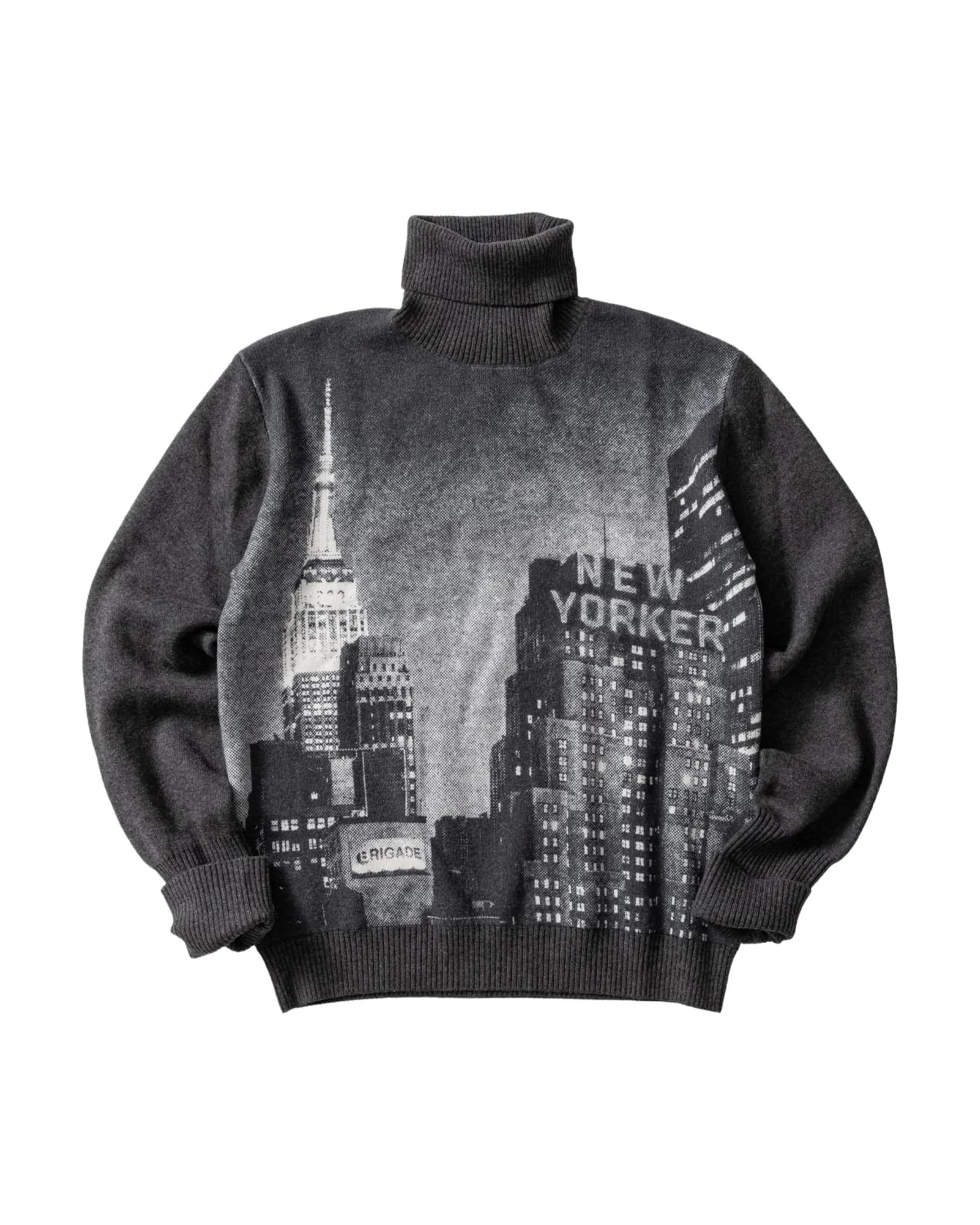
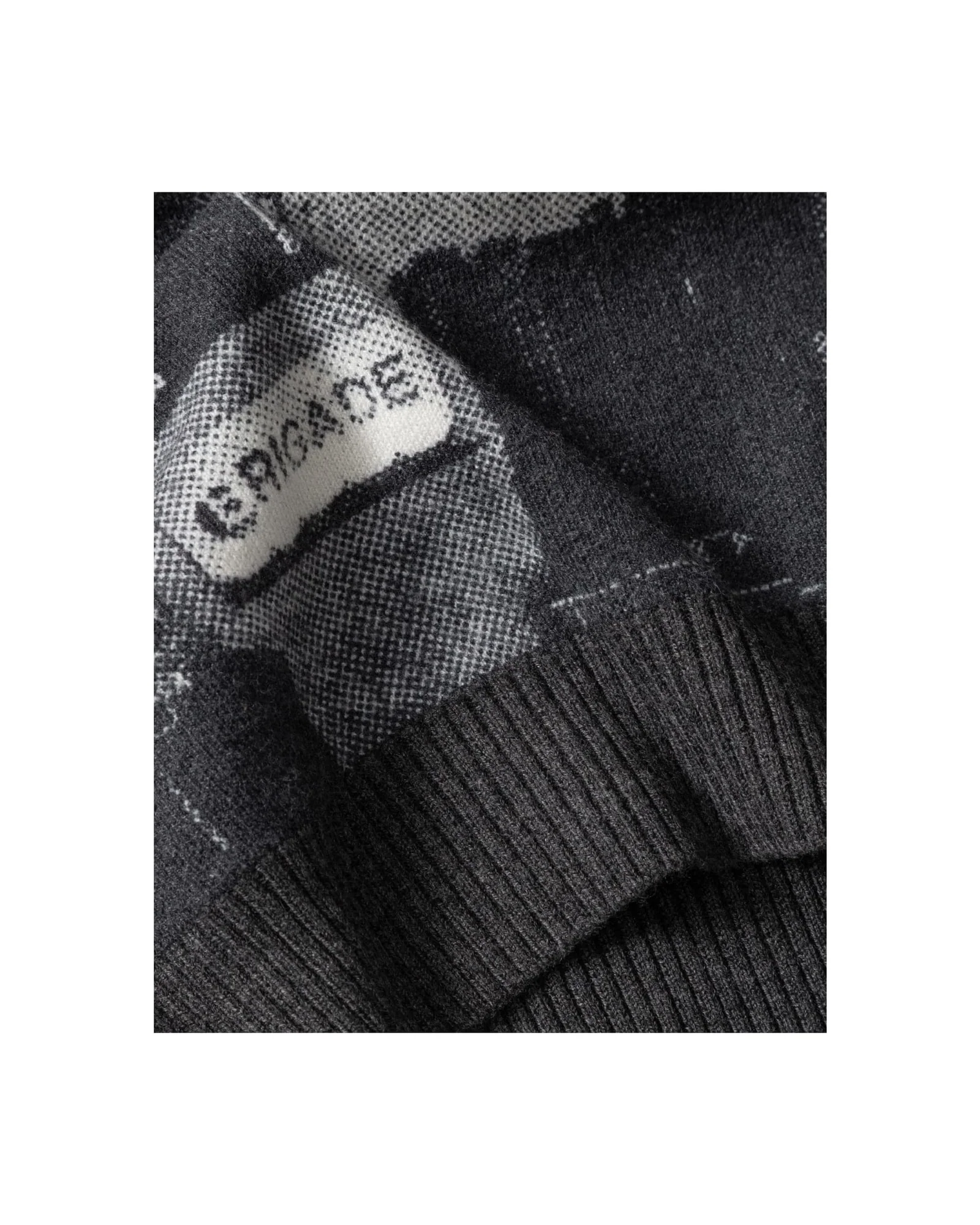
There’s something eternally cinematic about a turtleneck in winter. It signals intention. It suggests you planned for the cold instead of merely reacting to it. And when a piece is named the New Yorker Turtleneck, expectations sharpen: grit, polish, adaptability, and a silhouette that can survive everything from early-morning subway drafts to late-night gallery openings.
BRIGADE’s interpretation of the classic roll-neck leans into that metropolitan mythology without turning nostalgic. Instead, it updates the garment into something modular and contemporary—less Beat-generation poet, more post-pandemic urban strategist. This is knitwear as infrastructure: refined enough for dinner reservations, sturdy enough for daily rotation, and styled for a generation that values restraint over loud signaling.
a city
The “New Yorker” in the title isn’t ornamental. The sweater’s identity is clearly shaped by the logic of dense cities—places where clothes have to perform under layers, weather shifts, and social codes that change by the block.
Rather than chasing exaggerated proportions or theatrical drape, the turtleneck appears engineered around balance. The collar stands with quiet confidence instead of collapsing into slouch. The torso is streamlined, hugging the body without drifting into compression-wear territory. Sleeves taper just enough to keep things sharp under coats, yet roomy enough to stay comfortable during long days.
It’s the sort of silhouette that understands urban wardrobes are ecosystems. This isn’t meant to dominate an outfit—it’s meant to anchor one.
head
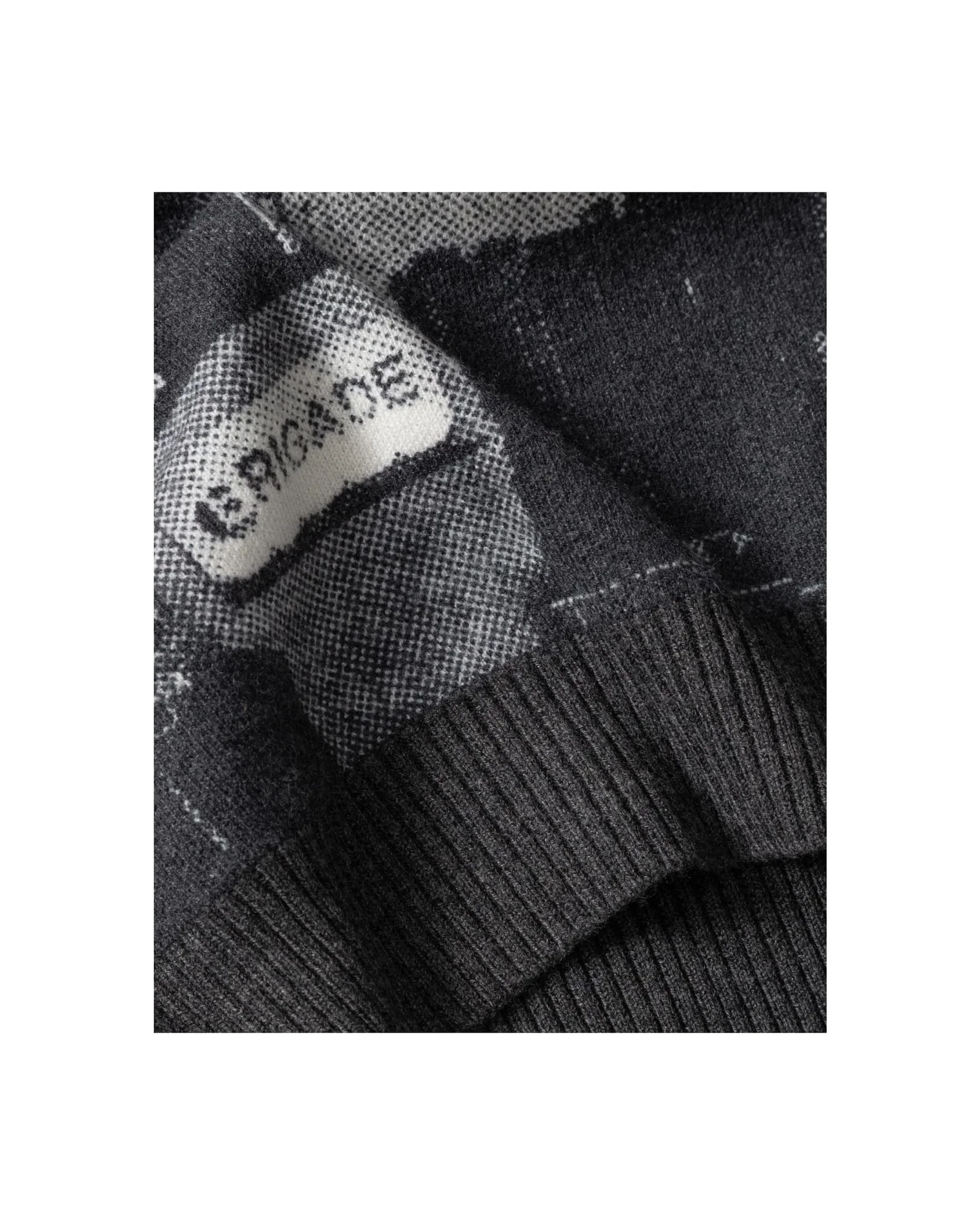
In premium knitwear, cut matters, but fabric is destiny. BRIGADE’s New Yorker Turtleneck positions its textile as the emotional center of the piece: soft to the touch, dense enough to trap warmth, and structured so it doesn’t lose its shape halfway through winter.
While brands often talk about “luxury feel,” the true marker here is resilience. The knit reads like it’s built to handle repetition—the daily commute, backpack friction, coats thrown over shoulders, café chairs that snag lesser weaves. There’s an architectural quality to the yarn, suggesting multiple plies twisted for strength rather than airy delicacy.
This makes the sweater less seasonal novelty and more uniform piece—something you reach for three days in a row because it simply works.
low
Every turtleneck lives or dies by its neck. Too stiff and it feels theatrical. Too soft and it collapses into a scarf impersonation. The New Yorker lands in the narrow band between the two.
The collar rises with intention, framing the jaw without choking it, and folds in a way that looks considered rather than accidental. It doesn’t scream “statement,” but it absolutely communicates presence—especially when worn solo under a tailored coat or leather jacket.
In practice, this is what gives the piece its versatility. One fold reads casual and slightly insouciant; two folds sharpen the profile into something almost architectural. The wearer decides the mood.
style
What makes this turtleneck particularly relevant right now is how naturally it plugs into modern city layering systems.
Under a wool overcoat, it replaces the need for scarves entirely. Beneath a technical shell, it adds softness that balances nylon’s sheen. Worn alone with pleated trousers or straight denim, it becomes the kind of minimalist statement that thrives on restraint.
For a sharper look: tailored trousers, loafers or derby shoes, and a long coat—the sweater acting as the quiet middle note between structure and ease.
For weekend rotation: chore jacket, fatigue pants, sneakers, and the collar rolled once for that studied-but-effortless effect.
The brilliance is that none of these combinations require recalibration. The sweater is neutral in the most powerful sense—open to interpretation without disappearing.
shift
The resurgence of refined knitwear isn’t accidental. Post-streetwear maximalism, wardrobes are drifting back toward pieces that speak softly but carry weight. Logos shrink. Graphics fade. Texture and cut do the talking again.
BRIGADE’s New Yorker Turtleneck slots perfectly into this cultural pivot. It feels aligned with the current appetite for “stealth wealth” silhouettes—not in a status-signaling way, but in a design-led one. The sweater doesn’t perform luxury; it assumes it.
This is clothing for people who care about how garments behave over time—how they age, how they integrate, how they quietly define personal style rather than hijack it.
idea
Another quiet flex: this isn’t locked into deep-winter use only. The knit density appears calibrated for three-season wear—strong enough for January windchill, breathable enough to survive early spring evenings or chilly fall nights.
That makes it less of a cold-weather indulgence and more of a year-round staple in climates where layering is constant. Toss it under a blazer during shoulder seasons, or wear it solo with lightweight trousers once the heavy coats retire.
Few sweaters manage that kind of seasonal elasticity without feeling compromised. The New Yorker seems designed precisely for that in-between state modern cities live in most of the year.
emotion
What ultimately separates an average turtleneck from a great one is how it makes you feel when you put it on. The best versions carry a strange psychological weight—they make you stand straighter, slow down, and feel considered.
BRIGADE’s New Yorker appears engineered for exactly that effect. It doesn’t shout confidence; it supplies it. You could walk into a meeting, a dinner, or a solo museum afternoon wearing this and feel appropriately calibrated for all three.
That’s the magic of refined basics. They remove friction from daily decisions. You stop asking, Does this work? and start asking, What do I want the rest of this outfit to say?
fin
The BRIGADE New Yorker Turtleneck isn’t trying to reinvent knitwear. Instead, it sharpens the archetype—taking one of menswear’s most enduring forms and tuning it for contemporary life.
With its disciplined silhouette, thoughtful collar construction, and fabric built for repetition rather than fragility, it positions itself as a long-term resident in the wardrobe, not a seasonal tourist.
In a fashion climate obsessed with drops and novelty, that kind of permanence feels quietly radical.