
Burberry at 170: Celebrating the Trench Coat That Defined Britian

March 6, 2026


a house
One hundred and seventy years is a remarkable milestone in any industry. In fashion, where trends can rise and collapse within a single season, longevity becomes even more extraordinary. Yet few brands embody endurance quite like Burberry.
Founded in 1856 by Thomas Burberry, the company has survived wars, cultural shifts, changing creative leadership, and the volatile economics of luxury retail. Through each transformation, Burberry has retained a defining clarity: a commitment to craftsmanship, innovation, and an unmistakable British identity.
At the center of that identity sits a garment so iconic it transcends the category of clothing altogether—the trench coat.
stir
Burberry’s legacy begins with a technical breakthrough. In the late nineteenth century, Thomas Burberry developed gabardine, a tightly woven, weather-resistant fabric that offered protection from the elements while remaining breathable and lightweight.
The innovation quickly gained recognition. Unlike the heavy rubberized raincoats common at the time, gabardine garments allowed for movement and comfort, qualities essential for explorers, soldiers, and travelers.
The fabric eventually became the foundation for one of fashion’s most recognizable garments: the trench coat.
Originally designed for British military officers during the First World War, the trench coat incorporated functional details that still define the garment today—epaulettes, storm flaps, belt closures, and deep pockets. Each element served a purpose. Yet over time, these technical features evolved into aesthetic signatures.
What began as practical outerwear soon became something else entirely: a cultural symbol.
lang
Few garments possess the same narrative power as the Burberry trench. Throughout the twentieth century it appeared everywhere—from war photographs to cinema screens and fashion editorials.
Hollywood helped cement the coat’s mythology. Actors draped in trenches conveyed mystery, sophistication, and quiet authority. Meanwhile, London street culture embraced it as an everyday staple.
Its strength lies in its adaptability.
A trench coat can belong equally to a film detective, a fashion editor, a musician leaving a studio, or a traveler navigating a rainy afternoon in Paris. It moves effortlessly between formal and casual contexts, between heritage and modernity.
For Burberry, this versatility has become a cornerstone of the brand’s identity.
celebrate
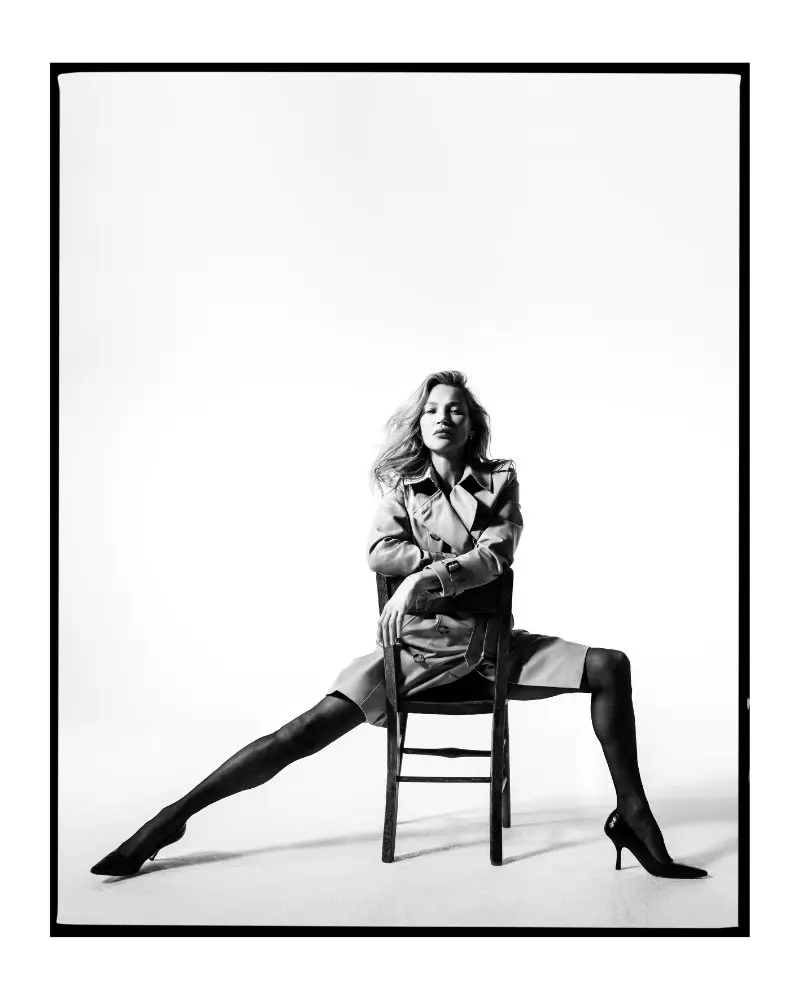
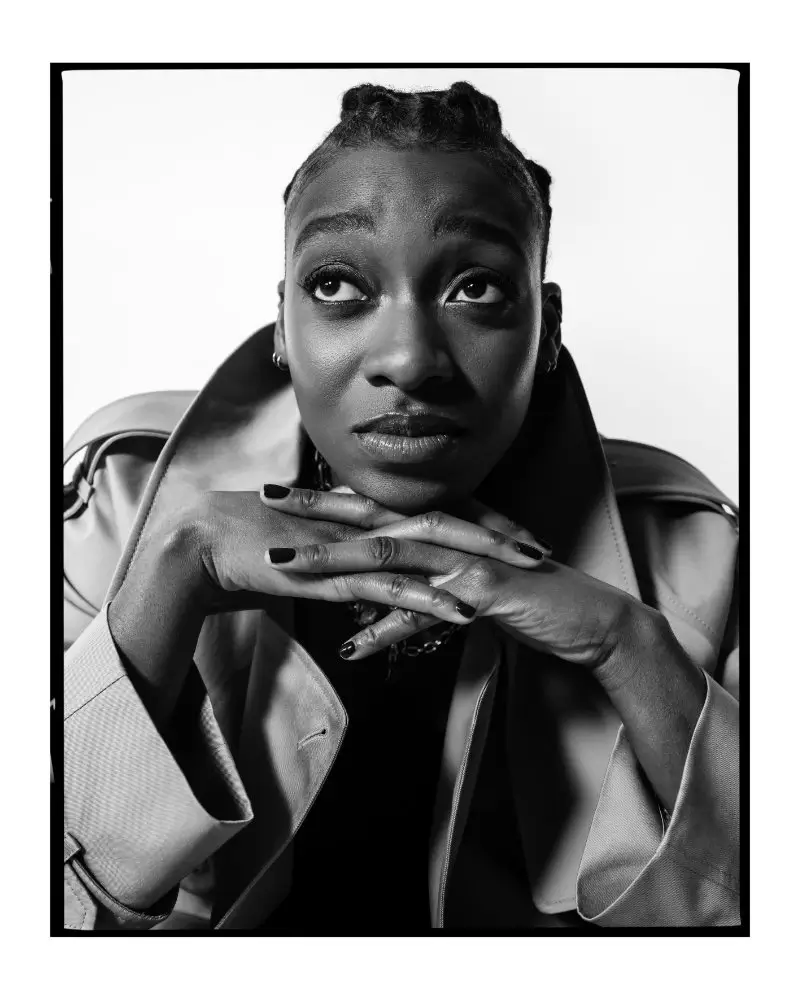
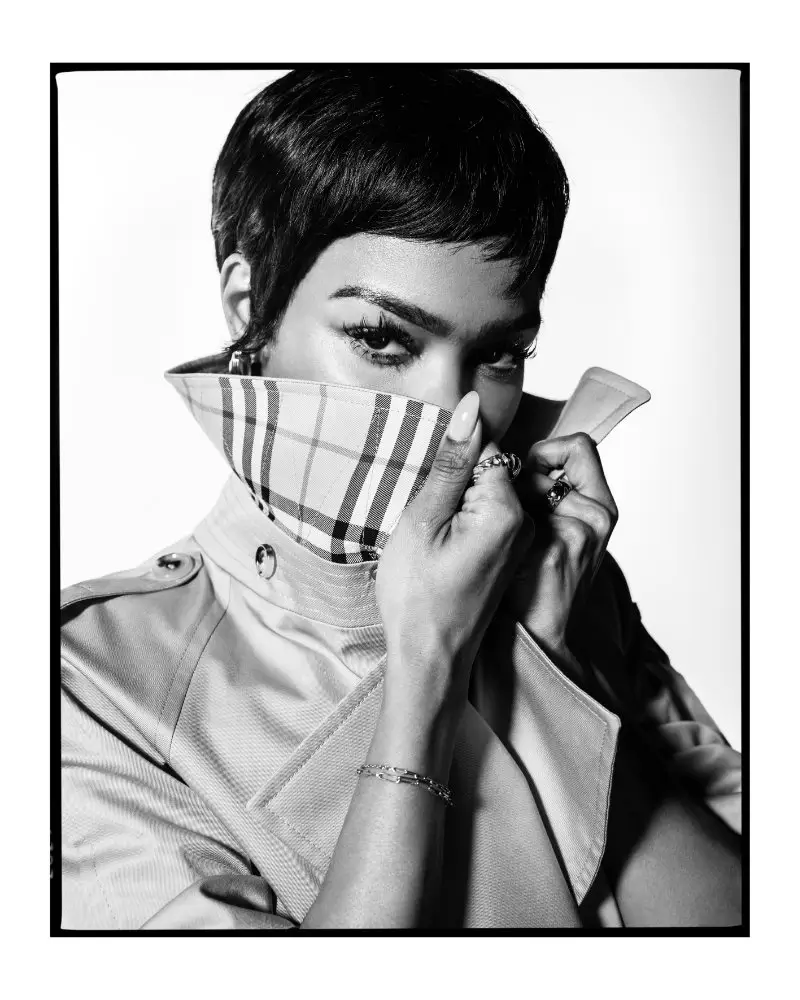
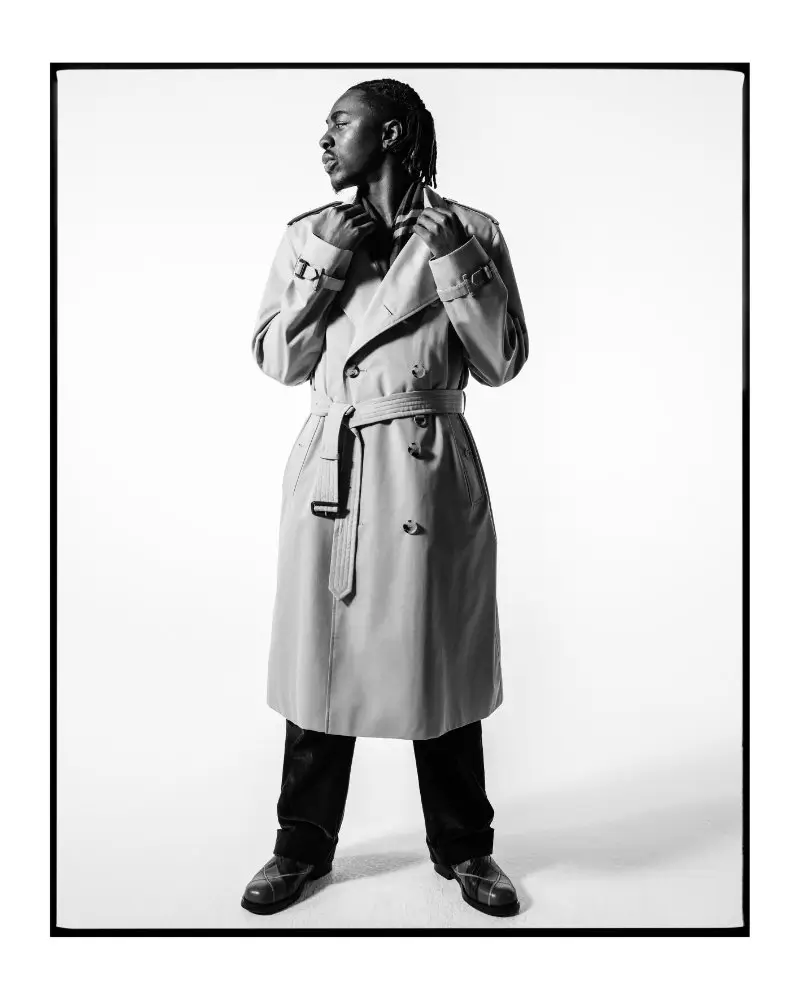
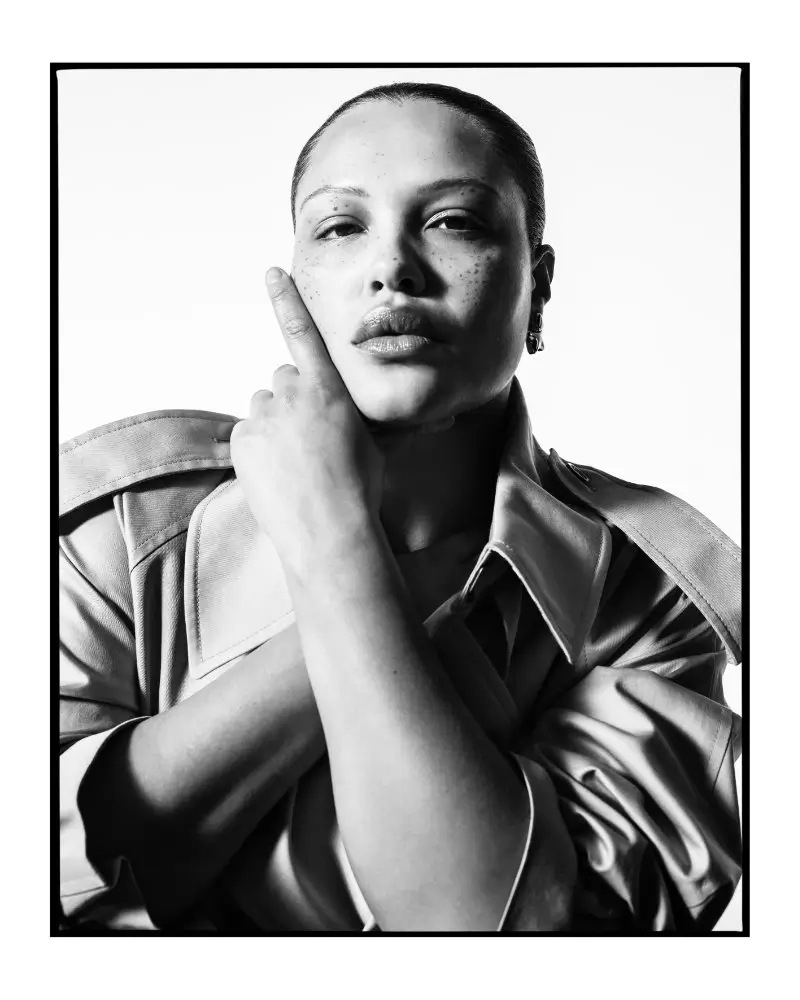
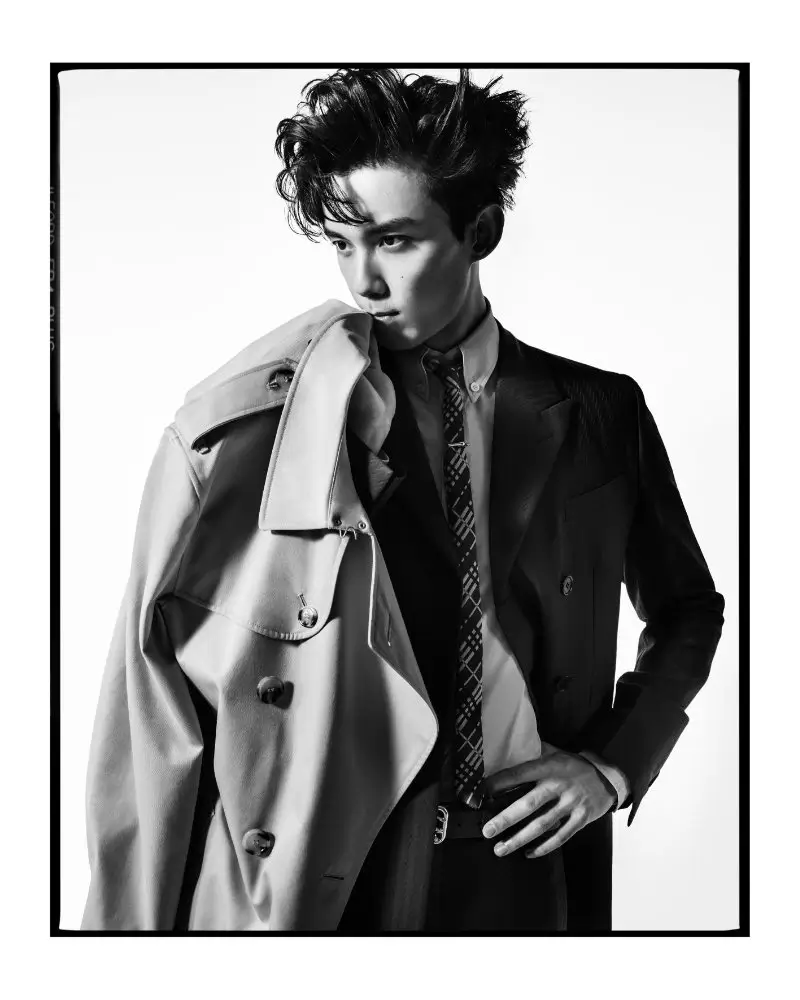
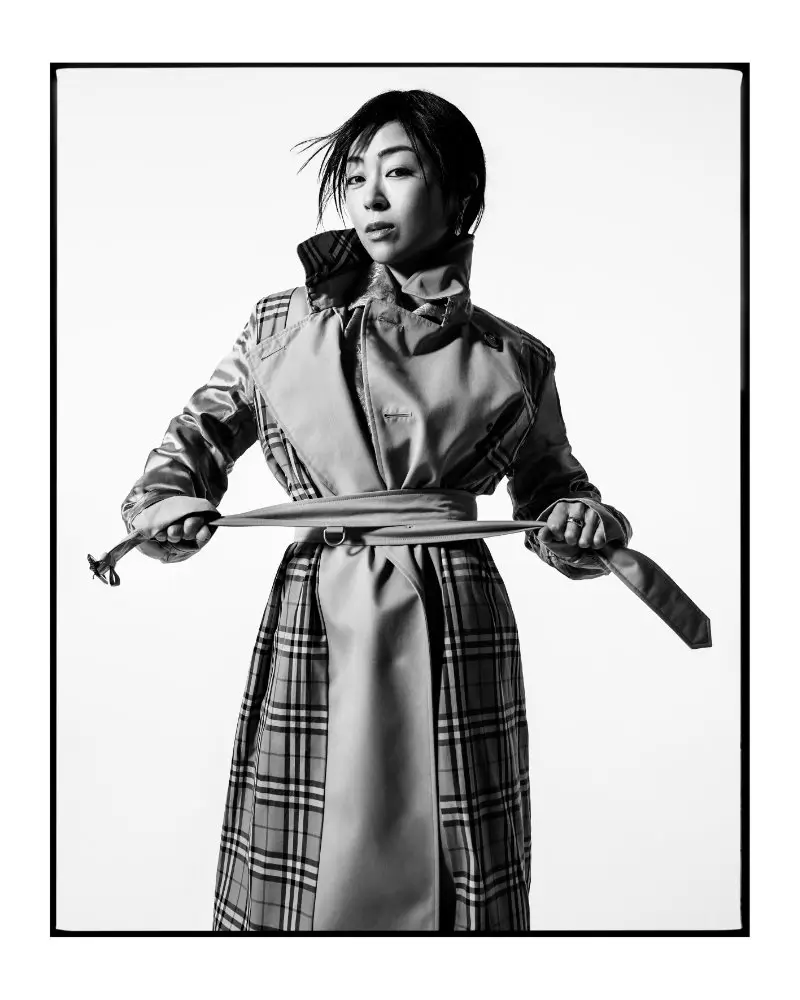
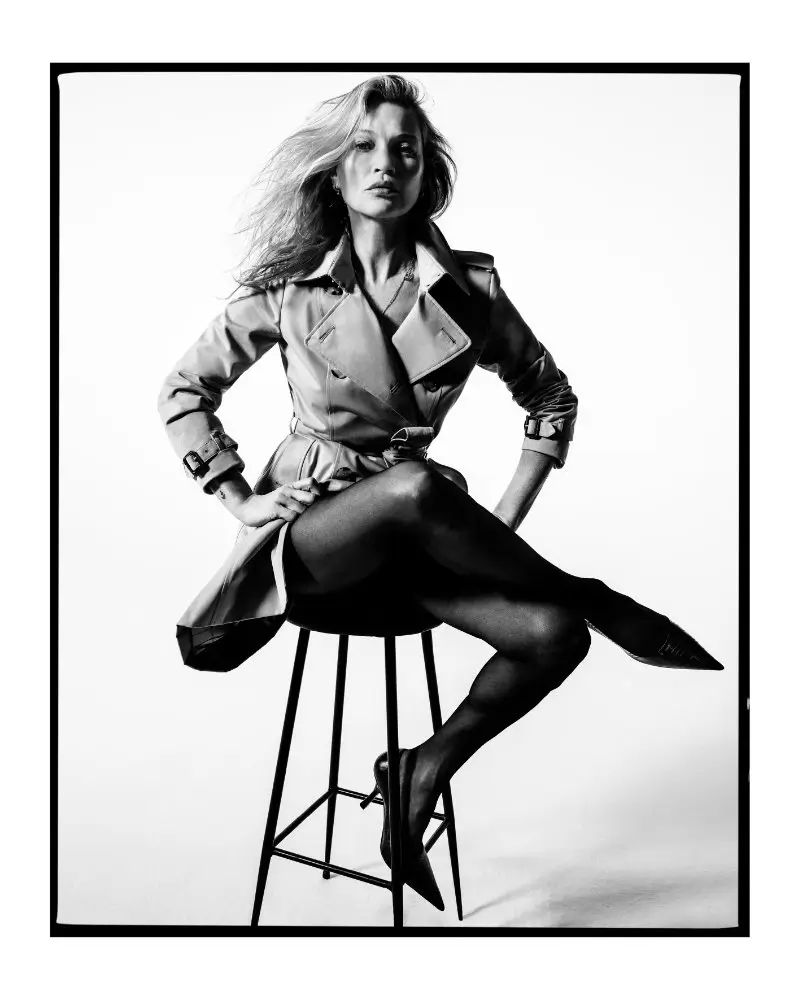
To mark its 170th anniversary, Burberry has unveiled “The Trench: Portraits of an Icon,” a campaign dedicated entirely to the garment that defined the house.
The project gathers 23 influential figures from across the worlds of fashion, music, film, and art, each photographed wearing the coat in their own distinctive way.
The campaign was shot by celebrated photographer Tim Walker, whose surreal visual language has shaped some of the most memorable editorials in contemporary fashion photography.
For this project, however, Walker chose restraint.
The portraits are presented in black and white, stripping away color to emphasize gesture, posture, and attitude. A collar turned upward. A belt loosely tied. A silhouette caught mid-movement.
Through these small details, the trench coat becomes a canvas for personality.
culture
The campaign’s cast reflects the diversity and dynamism of contemporary culture. Among the figures featured are supermodel Kate Moss, actor Jonathan Bailey, model and media personality Kendall Jenner, musician Kid Cudi, and performer Teyana Taylor.
Each brings a different energy to the garment.
Kate Moss channels effortless British cool. Jonathan Bailey introduces a theatrical elegance. Kendall Jenner presents a modern, minimal silhouette. Kid Cudi infuses the coat with creative individuality, while Teyana Taylor delivers a sense of movement and rhythm.
Together, the portraits form a cross-generational study of style.
Rather than presenting the trench as a museum artifact, the campaign demonstrates how it continues to live and evolve across cultures and disciplines.
view
Behind the campaign stands Burberry’s current creative direction under Daniel Lee, who assumed the role of Chief Creative Officer with a mission to reconnect the brand to its British roots while pushing it forward.
Lee’s approach has emphasized heritage materials, classic silhouettes, and a renewed focus on outerwear—areas where Burberry holds historic authority.
The trench coat therefore becomes both a symbol of continuity and a starting point for reinvention.
“To celebrate the Burberry trench, an icon of British style and fashion, we invited friends from across the creative world to bring it to life,” Lee explained when introducing the campaign.
The sentiment captures the essence of Burberry’s strategy: heritage interpreted through contemporary voices.
show
The celebration extends beyond still photography. Burberry has also produced a documentary film accompanying the campaign.
The film captures unscripted interactions among the participants—moments of conversation, laughter, and creative exchange that reflect a vibrant, modern Britain.
The soundtrack features music by Blur, whose legacy in Britpop adds another layer of cultural resonance.
Together, the film and portraits create a narrative that connects fashion to broader artistic expression. They show a Britain that is confident, creative, and globally connected—qualities that have long defined Burberry’s international appeal.
craft
While the campaign highlights cultural influence, it also reminds audiences that Burberry’s success ultimately rests on craftsmanship.
Producing a trench coat requires meticulous construction. From cutting the gabardine fabric to sewing the lining and finishing the hardware, each stage demands precision.
The coat’s durability—often lasting decades—reflects this attention to detail.
According to CEO Joshua Schulman, the trench remains one of the most powerful symbols of the brand.
It represents not just a product, but a philosophy rooted in innovation, practicality, and authenticity.
These values have guided Burberry since its founding in the nineteenth century and continue to shape its direction today.
modern
Despite its historical origins, the trench coat feels remarkably relevant in modern wardrobes.
Its structured silhouette complements both minimalist tailoring and experimental streetwear. Designers frequently reinterpret it through oversized cuts, alternative fabrics, or unconventional colors.
Yet the classic Burberry trench remains unmatched in its ability to balance tradition and modernity.
It is equally at home in the streets of London, New York, Tokyo, or Paris.
Few garments achieve such universal recognition.
fwd
The fashion industry today faces unprecedented challenges. Digital commerce, sustainability concerns, and shifting consumer expectations have reshaped how brands operate.
Even heritage houses with centuries of history must continually adapt.
Burberry’s longevity suggests a blueprint for survival: remain rooted in a clear identity while embracing innovation.
The trench coat embodies this balance perfectly. It began as a technological solution to harsh weather conditions. Over time it evolved into a global symbol of style.
Yet its core purpose—protecting the wearer from the elements—remains unchanged.
icon
As Burberry celebrates its 170th anniversary, the trench coat stands as proof that certain designs can transcend time.
Its lines remain instantly recognizable. Its functionality continues to serve real-world needs. Its symbolism still resonates with audiences across generations.
Few brands can claim a single product that defines them so completely.
For Burberry, the trench is not simply a bestseller.
It is the foundation upon which the entire house was built.
fin
One hundred and seventy years after Thomas Burberry opened his small outfitter shop, the company stands as one of the most recognizable names in luxury fashion.
From gabardine innovation to global cultural iconography, its journey reflects both resilience and imagination.
The anniversary campaign serves not merely as a celebration but as a reminder.
Great design does not fade with time.
Sometimes, it becomes stronger.
Happy birthday, Burberry.



No comments yet.