Camper Appoints Abraham Ortuño as Creative Director for Main Line and CAMPERLAB

March 5, 2026
a new
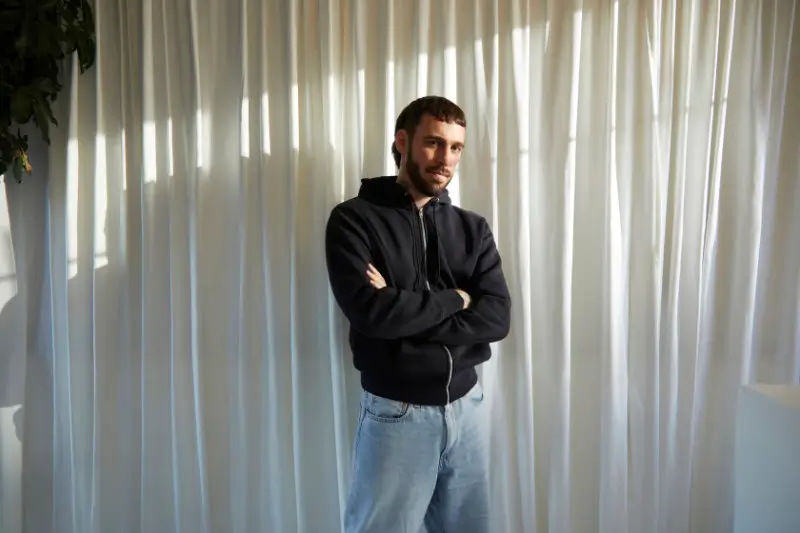
In the constantly evolving world of global footwear design, leadership shifts often signal deeper transformations within a brand’s creative DNA. Spanish footwear company Camper has entered such a moment, announcing that designer Abraham Ortuño—widely recognized under the creative moniker Abra—will take on the role of creative director across both the company’s main line and its experimental division, CAMPERLAB.
The appointment represents a notable consolidation of vision. Ortuño will oversee product development and brand communication simultaneously, placing him at the center of the brand’s aesthetic and strategic direction. His first collections are scheduled to arrive next year, with the inaugural reveal expected earlier in the year and the official global launch of his debut line aligned with the Fall/Winter 2027 season.
For Camper, the move suggests a deliberate recalibration—an effort to align the brand’s heritage of Mediterranean craftsmanship with a contemporary design language capable of resonating with a new generation of consumers.
stir
Born in Alicante on Spain’s southeastern Mediterranean coast, Abraham Ortuño emerged from a region long associated with leatherwork and footwear manufacturing. The cultural proximity to Spain’s footwear industry provided early exposure to craft traditions that would later inform his design philosophy.
Yet Ortuño’s creative identity developed not solely through tradition but through experimentation. Before launching his own label in 2019, he collaborated with several international fashion houses, focusing primarily on accessories and footwear design. These roles allowed him to develop technical expertise while simultaneously establishing an aesthetic signature defined by sculptural silhouettes, bold material contrasts, and a willingness to push footwear beyond purely functional boundaries.
Those designs quickly drew attention across fashion circles. Industry observers began to recognize Ortuño as part of a younger generation of European designers who view footwear not simply as an accessory but as an architectural object—something capable of carrying narrative, attitude, and cultural commentary.
His independent label further amplified that reputation, blending avant-garde design with subcultural references drawn from nightlife, streetwear, and experimental fashion communities.
leg
To understand the significance of Ortuño’s appointment, it helps to examine the design philosophy that has historically defined Camper.
Founded in Mallorca in 1975 by Lorenzo Fluxà, Camper built its identity around a distinctive combination of craft heritage and playful design. The brand’s name itself—derived from the Spanish word for “peasant” or “countryman”—evokes its connection to rural craftsmanship and artisanal footwear traditions.
Over the decades, Camper became known for silhouettes that balanced comfort and creativity. Designs such as the Pelotas sneaker and the Peu line helped establish a recognizable visual language: rounded shapes, ergonomic construction, and unexpected color combinations.
The brand also developed a reputation for collaboration. Partnerships with designers, artists, and architects helped expand Camper’s creative vocabulary, allowing it to explore new ideas while remaining rooted in Mediterranean sensibility.
Yet as fashion and footwear markets have grown increasingly competitive—especially amid the rise of luxury sneaker culture and experimental design labels—Camper has faced pressure to maintain relevance while preserving its distinctive identity.
The arrival of Ortuño suggests the brand sees him as someone capable of navigating that balance.
role
Ortuño’s responsibilities extend beyond the company’s main line. He will also oversee CAMPERLAB, the brand’s more avant-garde division.
Originally conceived as a platform for radical reinterpretations of Camper’s footwear codes, CamperLab has become a space where the brand can explore more conceptual territory. Distorted proportions, unconventional materials, and sculptural designs have defined the line’s aesthetic, often appealing to fashion-forward consumers and niche design communities.
In many ways, CamperLab operates as the laboratory implied by its name—testing ideas that may later influence the broader brand.
With Ortuño leading both lines, the potential exists for greater cohesion between experimentation and everyday wearability. The creative director will have the opportunity to translate avant-garde ideas into commercially viable products while ensuring the experimental side continues to push boundaries.
Such integration is increasingly common in modern fashion houses, where designers seek to unify runway experimentation and retail practicality under a single creative vision.
flow
Ortuño’s new position carries a dual mandate. Not only will he guide product design, but he will also oversee brand communication.
In contemporary fashion, these responsibilities are closely linked. The narrative surrounding a collection—its visual campaigns, editorial storytelling, and cultural positioning—can be as influential as the garments or footwear themselves.
By placing both elements under a single creative director, Camper signals a desire for greater narrative coherence.
The brand’s campaigns, retail environments, and digital presence may evolve alongside the footwear itself. A cohesive visual language could emerge, reflecting Ortuño’s personal aesthetic while reinforcing Camper’s Mediterranean heritage.
For consumers, this kind of unified storytelling often results in stronger brand identity—something increasingly important in an era dominated by social media and rapid cultural cycles.
anticip
While Ortuño’s appointment has already sparked conversation across the design community, the true measure of his influence will arrive with his first collection.
Scheduled for Fall/Winter 2027, the debut will mark the first time his creative direction is fully realized within Camper’s ecosystem.
The collection will launch globally in June, suggesting a rollout that aligns with the broader fashion calendar while ensuring the brand’s international retail network is prepared for the transition.
Before that launch, Camper plans to unveil the new direction earlier in the year. Such previews often include teaser campaigns, conceptual imagery, or limited releases that introduce the designer’s aesthetic language.
For industry observers, these early glimpses will offer valuable insight into how Ortuño intends to reinterpret Camper’s heritage.
Will he emphasize sculptural experimentation? Will he draw more deeply from Spanish craft traditions? Or will he attempt to bridge both worlds?
The answers will likely define Camper’s trajectory over the coming years.
show
Ortuño’s appointment arrives at a moment when footwear design is undergoing significant transformation.
Over the past decade, sneakers have evolved from athletic gear into cultural artifacts—objects capable of reflecting identity, status, and artistic experimentation. Major brands now treat footwear design with the same seriousness once reserved for couture garments.
Within this environment, creative directors must balance innovation with accessibility.
Consumers expect new silhouettes, unusual materials, and striking visual identities. Yet they also demand comfort, durability, and practicality.
Camper’s historical emphasis on ergonomic design places it in a unique position. If Ortuño can successfully merge the brand’s comfort-driven philosophy with contemporary experimental aesthetics, the result could appeal to both traditional customers and fashion-forward audiences.
style
Before launching his independent label, Ortuño gained experience working with various international fashion houses. These collaborations exposed him to diverse production techniques, design philosophies, and global markets.
Such experiences often shape a designer’s approach to leadership. Having worked within larger creative teams, Ortuño understands the collaborative nature of modern fashion design.
At Camper, he will oversee teams responsible for materials research, prototyping, marketing, and retail presentation. Effective creative direction requires synthesizing input from all these departments while maintaining a clear artistic vision.
The challenge lies not only in designing compelling footwear but also in guiding the brand’s broader cultural narrative.
converge
One of the most intriguing aspects of Ortuño’s appointment is the cultural resonance between the designer and the brand.
Both originate from Spain, a country with deep traditions in leather craftsmanship and footwear manufacturing.
This shared heritage could become a central theme in Camper’s evolving identity.
Yet Ortuño’s design language also reflects contemporary urban culture—nightlife aesthetics, experimental silhouettes, and references drawn from global fashion scenes.
The interplay between these influences may produce a uniquely hybrid aesthetic: Mediterranean craft filtered through modern cultural experimentation.
Such combinations often generate compelling design narratives, bridging the past and the future in ways that feel authentic rather than nostalgic.
fwd
The debut of Ortuño’s first collection in Fall/Winter 2027 gives the designer a significant runway for preparation.
Creative transitions in fashion houses typically require months—or even years—of development. Designers must reexamine supply chains, experiment with materials, and refine silhouettes before presenting a coherent collection.
This timeline suggests Camper is allowing Ortuño the space needed to develop a fully realized vision rather than rushing the process.
For consumers and critics alike, the anticipation may build gradually as early previews emerge.
By the time the full collection launches globally in June, the narrative surrounding Ortuño’s creative direction will likely already be well established.
evolve
For more than four decades, Camper has balanced tradition and innovation.
Its shoes have appeared everywhere from boutique fashion stores to everyday urban sidewalks, embodying a philosophy that design should be both playful and practical.
The appointment of Abraham Ortuño suggests the brand is preparing to evolve once again.
By placing both its main line and experimental division under a single creative vision, Camper signals confidence in Ortuño’s ability to guide the brand into a new era.
If successful, the collaboration could redefine how the brand communicates with audiences—merging craft heritage, contemporary design, and cultural storytelling.
fin
As the fashion world awaits the unveiling of Ortuño’s first collection, one thing is certain: the next chapter of Camper will be shaped by a designer who understands both tradition and transformation.
The coming year will reveal how that vision unfolds.
From Alicante to Mallorca to the global fashion stage, Ortuño now stands at the helm of a brand whose legacy spans generations.
Fall/Winter 2027 will mark the beginning of his interpretation of that legacy—a moment when the past and future of Camper meet under a single creative direction.
No comments yet.