Celebrating the Magic of Reading and the Legacy of Dr. Seuss

March 2, 2026
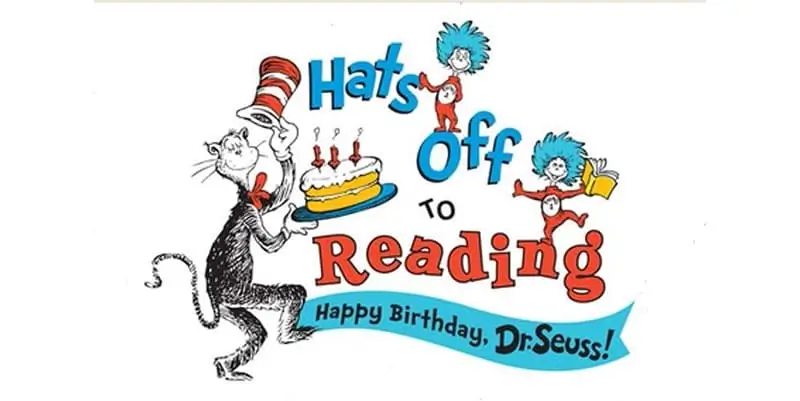
Every year on March 2, classrooms, libraries, and living rooms across the United States burst into a swirl of red-and-white stripes, oversized hats, and tongue-twisting rhymes. National Read Across America Day is more than a date on the calendar — it is a vibrant reminder of the transformative power of books. Timed to coincide with the birthday of Dr. Seuss, the celebration honors one of America’s most iconic storytellers while championing literacy, imagination, and lifelong learning.
For children, it’s a whimsical holiday filled with playful language and larger-than-life characters. For parents and educators, it’s an opportunity to nurture curiosity, vocabulary development, and a genuine love of reading. And yes — it’s also a chance to enjoy dressing your kids up as the Lorax.

org
National Read Across America Day was launched in 1998 by the National Education Association (NEA) as a nationwide literacy initiative. Its goal was simple yet powerful: encourage children to read and celebrate the joy found within the pages of a book.
The date, March 2, was chosen to align with the birthday of Dr. Seuss (born Theodor Seuss Geisel in 1904). His imaginative stories — packed with rhythm, nonsense words, and gentle moral lessons — became a natural anchor for the campaign. Over time, however, the initiative expanded to include diverse authors and genres, reflecting a broader literary landscape while maintaining its playful roots.
In its earliest years, classrooms often centered celebrations around classic Seussian characters like The Cat in the Hat, Horton, and the Lorax. Today, while Dr. Seuss remains a familiar symbol, Read Across America also highlights contemporary authors from a variety of backgrounds, ensuring that every child can see themselves reflected in a story.
why
In an era defined by screens, scrolling, and shrinking attention spans, National Read Across America Day carries heightened urgency. Reading is not just a school subject — it is foundational to cognitive development, emotional intelligence, and future opportunity.
Research consistently shows that early exposure to books supports:
Language acquisition and vocabulary expansion
Improved focus and attention span
Critical thinking and problem-solving skills
Empathy and emotional awareness
Academic success across disciplines
When children read, they do more than decode words. They build neural pathways, expand their imagination, and practice stepping into perspectives beyond their own. A child reading about distant galaxies or enchanted forests is also rehearsing empathy, creativity, and resilience.
Dr. Seuss understood this intuitively. His rhythmic prose wasn’t merely playful — it was pedagogical. The repetition and rhyme structure in books like Green Eggs and Ham were designed to help early readers gain confidence. His stories encouraged children to embrace curiosity, challenge conformity, and stand up for the environment — all through absurdly delightful characters.
idea
There is something almost musical about Dr. Seuss’s writing. His rhymes bounce. They leap. They twirl. This cadence does more than entertain — it supports literacy development.
Rhyming patterns help children anticipate word endings and develop phonemic awareness. This foundational skill allows young readers to recognize sound patterns and decode unfamiliar words more easily. In simple terms, rhyme builds reading muscles.
The playful absurdity of Seussian language also invites experimentation. Words like “Truffula” or “Sneetches” don’t exist in traditional dictionaries, yet they expand a child’s understanding of language structure. Children learn that words can be constructed, twisted, and reimagined. That sense of linguistic freedom encourages confidence.
And confidence is everything in early literacy.
stir
On National Read Across America Day, schools become immersive storyscapes. Bulletin boards bloom with colorful quotes. Hallways echo with read-aloud sessions. Teachers don striped hats and striped scarves. Students parade as their favorite characters.
Libraries often host community reading hours, inviting guest readers — local leaders, firefighters, athletes — to share stories aloud. These events reinforce a powerful message: reading is valued, celebrated, and communal.
Many classrooms organize reading challenges, encouraging students to log minutes or complete themed book lists. Others create creative writing exercises inspired by Seussian rhythm, inviting students to invent their own rhyming creatures or fantastical lands.
It is literacy disguised as celebration.
show
For parents, National Read Across America Day is a delightful exercise in creativity. Social media fills with photos of tiny Cats in the Hat and pint-sized Hortons. One of the most beloved costume choices remains the Lorax — that small, mustached guardian of the forest who “speaks for the trees.”
Dressing a child as the Lorax is more than adorable. It is symbolic. The character represents environmental stewardship, advocacy, and courage. When children embody these figures, they internalize their lessons.
Costume participation also strengthens the connection between home and school. When parents engage — whether by sewing a felt mustache or reading aloud before bedtime — children see reading as a shared experience rather than a solitary task.
That emotional association matters. A child who links reading to warmth, laughter, and family bonding is more likely to carry the habit into adulthood.
fwd
While Dr. Seuss remains central to the holiday’s origins, Read Across America has evolved to celebrate diverse voices. The modern initiative encourages educators to spotlight authors from different cultures, backgrounds, and genres.
Representation in literature is essential. When children encounter characters who look like them, share their experiences, or navigate familiar challenges, reading becomes personal. At the same time, exposure to stories beyond their own experiences cultivates empathy.
A robust classroom library today might include contemporary picture books, graphic novels, historical fiction, and bilingual texts alongside Seussian classics. This inclusivity broadens imagination and deepens understanding.
National Read Across America Day thus becomes not just a tribute to one rhymesmith, but a celebration of storytelling in all its forms.
flow
The significance of early reading extends far beyond childhood. Strong literacy skills correlate with higher graduation rates, improved career prospects, and civic engagement. Reading fosters informed citizens capable of critical thought.
But perhaps more importantly, reading builds inner worlds. It offers refuge. It offers inspiration. It offers companionship.
Many adults trace their love of literature back to a single childhood book — often one read aloud on a whimsical school day in March.
National Read Across America Day plants those seeds.
culture
Parents can extend the spirit of the holiday beyond a single day. Small, consistent practices make an enormous difference:
Establishing a daily reading routine, even for 15 minutes
Creating a cozy reading corner
Visiting local libraries regularly
Allowing children to choose their own books
Modeling reading behavior by reading themselves
Children mimic what they see. A home filled with books signals that stories matter.
Even for reluctant readers, graphic novels, audiobooks, and illustrated nonfiction can provide accessible entry points. The goal is not perfection. The goal is engagement.
compare
Some may question the relevance of print books in a digital era. Yet National Read Across America Day serves as a reminder that the tactile experience of turning pages holds enduring value.
Physical books engage multiple senses. The weight of a hardcover, the texture of paper, the anticipation of flipping to the next chapter — these sensory elements anchor memory. While digital literacy is essential, traditional reading offers a different cognitive rhythm, often associated with deeper comprehension.
Balanced exposure to both mediums prepares children for a hybrid future.
fin
As March 2 approaches each year, striped hats and rhymes once again fill classrooms. But the deeper mission persists beyond costumes and themed cupcakes.
National Read Across America Day reminds us that literacy is joy. It is empowerment. It is connection.
For kids, it is a whimsical day of imagination and vocabulary development. For parents, it is a heartwarming opportunity to participate — perhaps by dressing your child as the Lorax and reading beneath a blanket fort.
For educators and communities, it is a reaffirmation of a simple truth: books matter.
In a world crowded with noise, reading offers focus. In a culture of speed, it invites patience. In divided times, it builds empathy.
And sometimes, all it takes to spark that transformation is a rhyming line, a red-and-white hat, and a reminder that the trees still need someone to speak for them.
On National Read Across America Day, we all do.



No comments yet.