A Generation in Overdrive: Charli XCX and the Modern Wall of Sound

January 20, 2026
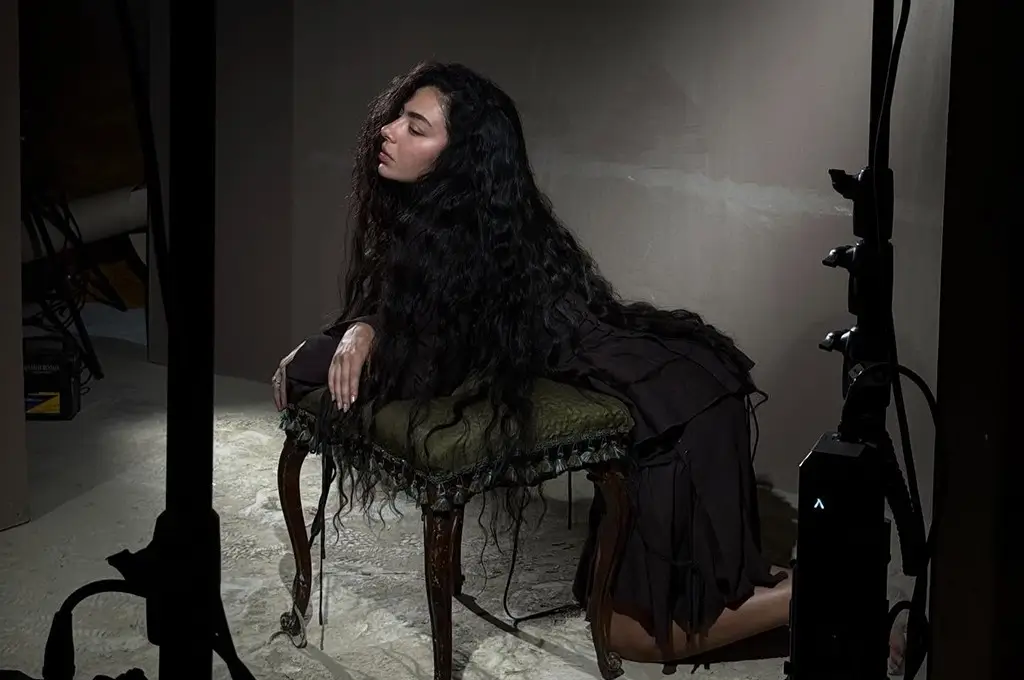
Charli XCX’s Wall of Sound is less a stylistic pivot than a deliberate act of saturation. The term evokes Phil Spector’s maximalist production philosophy, but Charli’s interpretation is digital, abrasive, and contemporary—engineered for a generation raised on distortion, compression, and emotional overload. Rather than smoothing pop into palatable shapes, she stacks it until it buckles, letting synthetic bass, blown-out drums, and processed vocals collide in dense, almost claustrophobic arrangements
What distinguishes Charli’s wall of sound from retro homage is intent. This is not nostalgia; it is confrontation. The music mirrors the conditions of modern life: constant input, fractured attention, and intimacy mediated through screens. Vocals are often treated as texture rather than centerpiece, submerged or fragmented, suggesting identity as something unstable and perpetually in flux. Hooks still exist, but they fight for oxygen inside the mix, emerging and disappearing like thoughts in a crowded mind.
Crucially, this density is emotional as much as sonic. Charli weaponizes excess to express vulnerability, desire, and alienation without sentimentality. The noise becomes a shield and a confession simultaneously. In an era where pop often trends toward minimalism and algorithmic cleanliness, Wall of Sound feels defiant—loud, messy, and unapologetically human. It asserts that feeling too much, and sounding like it, is not a flaw but a statement.