Christopher Walken: The Enigmatic Icon of Hollywood

February 8, 2025
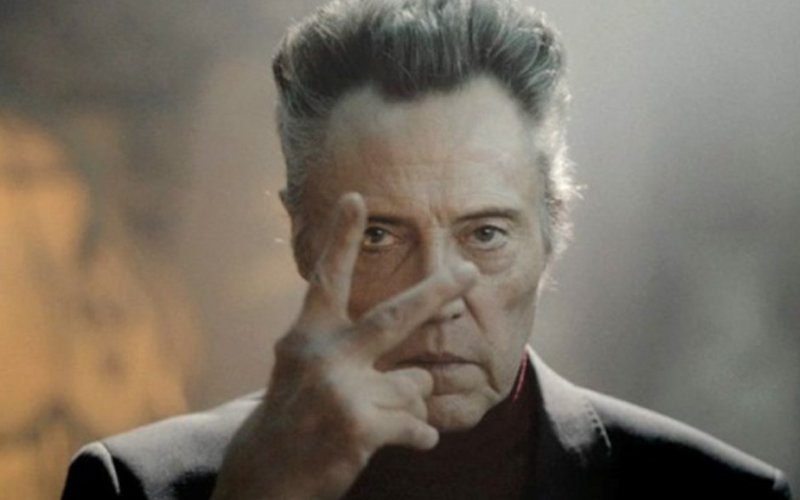
Christopher Walken’s career is one of the most fascinating in Hollywood history. With his distinct voice, hypnotic delivery, and ability to embody deeply eccentric characters, Walken has left an indelible mark on cinema. However, while audiences are captivated by his unsettling on-screen presence, the actor himself maintains that his real personality is vastly different from the menacing and peculiar roles he plays.
Over the decades, the line between Walken and his characters has blurred, leading to a public perception that he is as enigmatic and unpredictable as the figures he portrays. In truth, Walken is a dedicated performer, an actor who approaches his craft with discipline, versatility, and an undeniable passion for storytelling. This article delves into his career, the impact of his most iconic roles, and the misconceptions that have followed him throughout his journey in Hollywood.
The Origins of Walken’s Unique Persona
Walken’s signature style—a combination of deliberate speech patterns, piercing stares, and an air of quiet intensity—has been a defining feature of his career. Yet, this larger-than-life reputation did not emerge overnight.
He first gained major attention in the 1970s, landing roles that established his affinity for portraying deeply troubled characters. Two films, in particular, set the tone for his career:
• Annie Hall (1977): Walken plays Duane Hall, the disturbingly intense brother of Diane Keaton’s character. In a brief but unforgettable scene, he coldly describes his urge to steer his car into oncoming traffic, unsettling both the protagonist (Woody Allen) and audiences alike.
• The Deer Hunter (1978): Walken’s role as Nick, a Vietnam veteran suffering from PTSD, was a career-defining performance. His haunting portrayal of a man consumed by trauma and ultimately destroyed in a game of Russian roulette won him an Academy Award for Best Supporting Actor.
These early roles cemented Walken’s association with characters who were unhinged, dangerous, and unpredictable. Though he has played a wide variety of roles since, the public perception of him as an eccentric presence has endured.
The Struggle of Being Typecast
While Walken has always embraced unconventional roles, his association with eerie and bizarre characters has come at a cost. In interviews, he has frequently stated that he is nothing like the individuals he portrays—he is not a sinister, brooding figure but rather a quiet, reflective, and surprisingly humorous man in real life.
However, Hollywood’s tendency to typecast meant that directors and casting agents continued to offer him roles that fit his now-established persona. Over the years, Walken has portrayed mobsters, psychopaths, and villains in films like:
• King of New York (1990): A ruthless drug lord who operates with a mix of charm and menace.
• Batman Returns (1992): The cunning and villainous Max Shreck, whose sinister business dealings fuel the film’s conflict.
• True Romance (1993): A terrifying mob boss who delivers one of the most intense monologues in cinema history.
Despite his desire to break away from these roles, Walken has often leaned into his unique reputation, knowing that his distinct presence is what makes him a beloved figure in Hollywood.
Walken’s Hidden Talents: The Influence of Dance and Music
One of the most overlooked aspects of Walken’s career is his background in dance and musical theater. Long before he became known for playing unnerving characters, Walken trained in tap dancing, ballet, and stage performance.
His love for movement and rhythm has influenced his acting style, giving his performances a sense of deliberate motion and controlled unpredictability. This talent has occasionally surfaced in his film roles, such as:
• Pennies from Heaven (1981): Walken performs a dazzling tap-dance sequence, showcasing his early musical theater roots.
• Weapon of Choice (2001): Walken famously starred in Fatboy Slim’s music video, where he performed a mesmerizing dance routine that became an internet sensation.
• Hairspray (2007): In this musical adaptation, Walken played Wilbur Turnblad, embracing his comedic and theatrical side.
Despite his tough and intimidating reputation, Walken’s passion for dance and performance highlights a playful, artistic side that many people don’t associate with him.
Walken’s Most Iconic and Unforgettable Performances
Throughout his career, Walken has delivered some of the most memorable performances in cinema history. His ability to elevate even the smallest roles into unforgettable moments is a testament to his immense talent.
Here are some of his most iconic roles:
Pulp Fiction (1994) – Captain Koons
Walken’s monologue about a hidden gold watch is one of the most famous speeches in Quentin Tarantino’s filmography. His deadpan delivery, comedic timing, and subtle intensity make the scene both hilarious and unsettling.
Catch Me If You Can (2002) – Frank Abagnale Sr.
In this heartfelt supporting role, Walken plays the tragic father of Leonardo DiCaprio’s character. His performance earned him an Academy Award nomination, showcasing his ability to bring emotional depth to a role that was far removed from his usual villains.
The Dead Zone (1983) – Johnny Smith
A rare leading role, this adaptation of Stephen King’s novel sees Walken portraying a man with psychic abilities. The film allowed him to explore nuance, vulnerability, and moral conflict, proving he was far more than just an eerie character actor.
Seven Psychopaths (2012) – Hans Kieslowski
In this dark comedy, Walken delivers one of his most humorous and layered performances, playing a quirky yet deeply philosophical character who subverts expectations.
Each of these roles highlights Walken’s range, proving that his talent extends far beyond playing just menacing or bizarre characters.
Christopher Walken: The Man Behind the Persona
Despite his public image, those who know Walken personally describe him as soft-spoken, thoughtful, and surprisingly normal. Unlike many of his larger-than-life characters, Walken:
• Doesn’t own a cellphone or computer—he prefers a simple, old-school way of life.
• Has been happily married for over 50 years—his relationship with Georgianne Walken is a stark contrast to the chaotic lives of his on-screen characters.
• Prefers quiet hobbies like cooking and reading, far from the world of mobsters and assassins.
While Walken’s persona has become larger than life, he remains, at heart, a dedicated actor who loves his craft.
Legacy: A True Hollywood Icon
Christopher Walken’s career is a testament to versatility, longevity, and artistic brilliance. He has become one of the most recognizable figures in Hollywood, not just for his unique speech patterns and unforgettable performances, but for his genuine commitment to the art of acting.
While he has spent much of his career trying to separate himself from the strange and eerie characters he plays, Walken has also come to embrace his one-of-a-kind reputation. His unconventional presence, distinctive voice, and ability to transform any role into something extraordinary ensure that his legacy will endure for generations.
At the end of the day, Christopher Walken is not just a character actor—he is a legend. Whether he’s delivering a haunting monologue, dancing across the screen, or playing a ruthless villain, his impact on cinema is undeniable.
And that… is why Walken will always be one of the most beloved and intriguing actors in Hollywood history.