
Review: Inside the Heatbit Smart Space Heater That Pays Users While Heating

March 4, 2026






For decades, space heaters have served a simple purpose: generating warmth in small areas more efficiently than central heating systems. They are practical, portable appliances designed to help people survive winter without drastically increasing energy costs. But what happens when a heater does more than produce heat—when it also produces income?
A new gen of compact smart heaters is challenging the traditional definition of home appliances. Among them is a device that has attracted growing attention in the world of consumer technology and decentralized infrastructure: a compact heater that actually pays its users while it runs. Rather than simply consuming electricity, the device leverages unused computational power to generate cryptocurrency rewards while simultaneously heating the room.
This unusual concept merges home comfort, digital infrastructure, and passive income into a single object. The result is a heater that operates as both an appliance and a small-scale computing node. While the technology might sound futuristic, it reflects a broader trend toward multi-functional devices that transform everyday utilities into productive assets.
The compact heater that pays its users represents a fascinating intersection of energy use, decentralized networks, and consumer hardware design. As homes become smarter and more digitally integrated, devices like this suggest a future where everyday appliances contribute to larger digital ecosystems.
stir
At its core, the concept is surprisingly simple. Traditional heaters convert electrical energy into thermal energy—essentially turning electricity into heat through resistance. The new compact heater does the same thing, but with an additional layer of functionality.
Inside the device is computing hardware capable of performing blockchain-related calculations. These calculations support decentralized networks, and in exchange for this computational contribution, the device earns cryptocurrency rewards.
Unlike traditional cryptocurrency mining rigs—which generate enormous heat as a byproduct of computation—this heater embraces that heat as its primary purpose. Instead of wasting the thermal output from computing hardware, the device redirects it into warming the surrounding space.
In other words, the heater transforms a common criticism of crypto mining—excess heat—into a useful feature.
The result is a device that heats a room while participating in decentralized computing networks. Users receive small digital rewards while the appliance runs, effectively turning heating costs into a partially offset expense.
flow
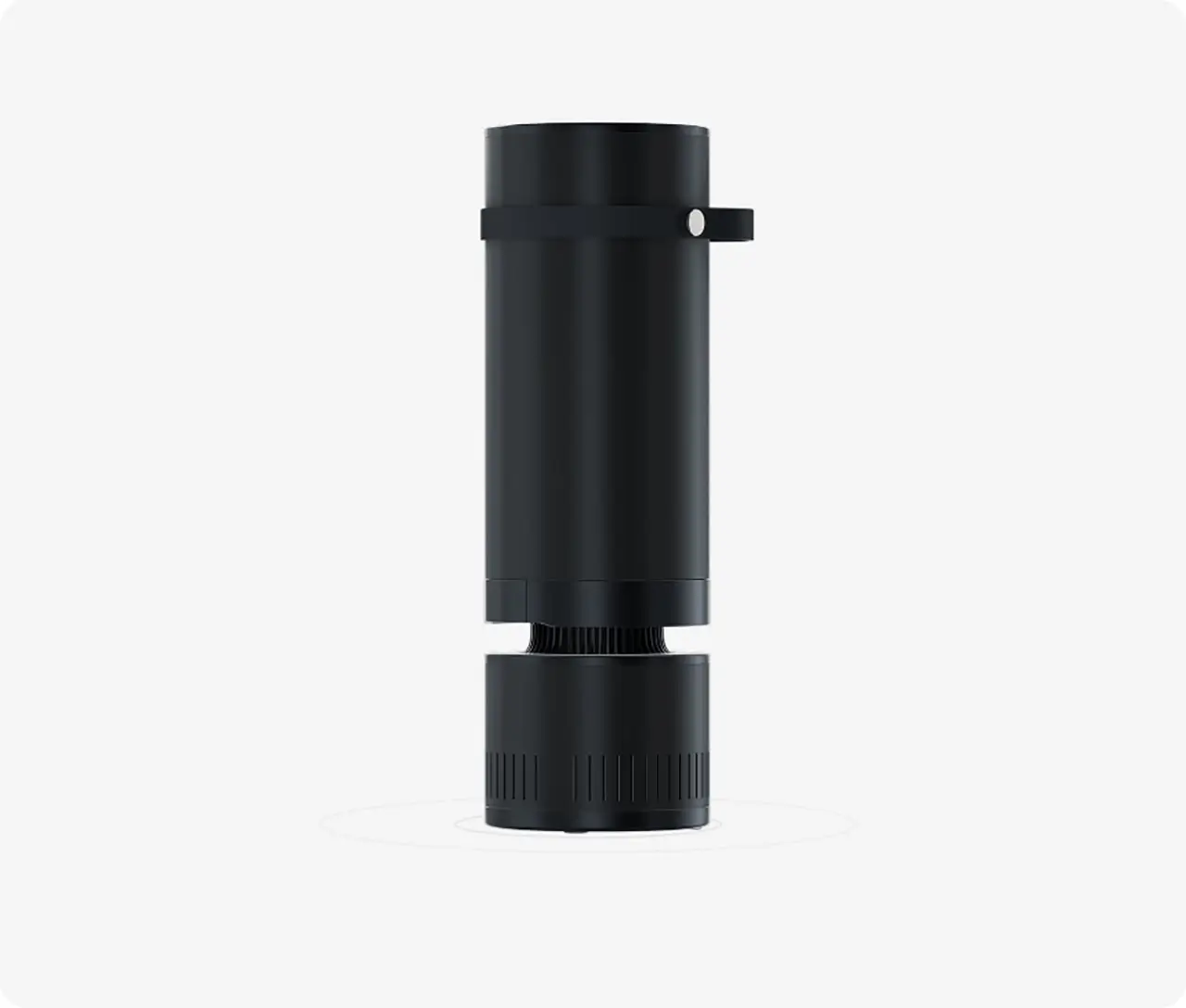
The heater’s physical design reflects its hybrid nature. Compact and minimal, it resembles a sleek, modern space heater rather than a piece of computer hardware.
Most models feature a clean rectangular form factor with soft matte finishes and subtle venting across the front panel. The aesthetic leans toward contemporary home design—neutral tones, rounded edges, and a quiet presence that blends easily into living rooms, offices, or bedrooms.
The goal is clear: the device should look like a home appliance, not a piece of industrial mining equipment.
Internally, however, the engineering is far more sophisticated. High-efficiency processors operate inside the heater, carefully managed by advanced cooling systems that redirect generated heat outward. Instead of fans designed to dissipate heat away from electronics, the airflow system distributes warmth evenly into the room.
Noise levels are also a major consideration. Traditional crypto mining rigs are notoriously loud, but the compact heater is engineered for residential environments. Quiet fans and optimized airflow ensure that the device operates with minimal disruption.
idea
The financial model behind the heater relies on decentralized networks that reward computing participation. When the heater runs, its internal hardware performs calculations that help maintain blockchain infrastructure.
These operations may include tasks such as transaction validation, network security contributions, or distributed computing workloads depending on the network it supports.
In return, the network provides digital rewards in the form of cryptocurrency tokens.
While the income generated is unlikely to replace a full salary, it can offset a portion of electricity costs. In colder climates where heaters run for extended periods, the cumulative rewards could meaningfully reduce heating expenses over time.
For many users, the appeal lies not just in profit but in efficiency. If electricity is already being used to heat a space, why not capture additional value from that energy?
This idea aligns with a broader philosophy emerging in technology design: turning passive energy consumption into productive infrastructure.
sustainable
The concept inevitably raises questions about energy efficiency and environmental impression. Cryptocurrency mining has long been criticized for its energy consumption, but this heater reframes the discussion.
In traditional mining setups, energy is consumed primarily for computation, and heat is considered waste. Cooling systems often require additional electricity to manage that heat.
The compact heater flips that equation. Since the device’s primary goal is heating, the thermal output is no longer waste—it is the intended result.
From this perspective, the electricity serves two simultaneous functions: warming the space and powering distributed computing.
Supporters argue that this dual-use model improves overall efficiency. Critics, however, caution that the environmental impact still depends heavily on the electricity source. If the heater runs on renewable energy, the system may represent an efficient use of power. If powered by fossil fuels, the ecological benefits become less clear.
Nevertheless, the design demonstrates an interesting attempt to rethink how energy consumption is utilized in consumer electronics.
show
The heater is part of a broader trend toward multi-purpose home technology. Over the past decade, everyday appliances have increasingly integrated digital capabilities.
Smart refrigerators track groceries. Voice assistants control lighting and thermostats. Security cameras double as communication hubs.
Now, heating appliances are entering the digital economy.
The concept of devices that generate value while operating may soon expand beyond heaters. Future appliances could participate in distributed computing networks, data storage systems, or energy management platforms.
Imagine washing machines contributing idle computing cycles, or refrigerators providing distributed storage services while maintaining temperature.
These possibilities reflect a shift in how technology companies think about hardware ecosystems. Instead of isolated devices, homes are becoming interconnected nodes within larger digital networks.
ux
One of the most appealing aspects of the compact heater is its simplicity. Despite the complex technology inside, the user experience is designed to remain straightforward.
Setup typically involves plugging the device into a standard power outlet and connecting it to a smartphone app. Through the app, users can monitor temperature settings, heating performance, and cryptocurrency rewards.
The interface often includes real-time dashboards showing:
• Current room temperature
• Heat output levels
• Energy consumption
• Accumulated rewards
Some systems allow users to choose which networks the device supports, adjusting the balance between heating performance and computational activity.
For most users, however, the heater operates largely in the background. It warms the room just like a traditional space heater—only with the added benefit of quietly earning digital tokens.
eco
While the idea of a heater that pays its users is exciting, it is important to maintain realistic expectations about profitability.
Cryptocurrency rewards fluctuate depending on network conditions, token values, and computational demand. Earnings may vary significantly over time.
In most cases, the heater should be viewed as a cost-offsetting device rather than a money-making machine.
If the heater generates even a modest stream of rewards, it can reduce the net cost of heating. Over multiple winter seasons, those savings could accumulate into meaningful value.
The device also appeals to technology enthusiasts who enjoy participating in decentralized networks. For them, the heater represents both a practical appliance and a contribution to digital infrastructure.
sec
Any appliance that generates heat must meet strict safety standards, and this heater is no exception.
Manufacturers design the device with multiple safety features, including temperature sensors, automatic shutdown systems, and electrical protection mechanisms.
These safeguards prevent overheating and ensure that the device operates within safe thermal limits.
Regulatory compliance varies by region, but most manufacturers seek certification through recognized safety organizations before releasing the product to consumers.
From a legal standpoint, cryptocurrency rewards generated by the device may also be subject to taxation depending on the user’s country. Owners should treat the rewards as digital assets and understand the relevant financial regulations.
fwd
The compact heater that pays its users may seem like an unusual novelty today, but it represents a broader shift in technological thinking.
For decades, consumer electronics have focused on convenience and efficiency. Now, a new layer of functionality is emerging: economic participation.
Devices are beginning to act as nodes within global digital systems. Instead of simply consuming resources, they contribute computing power, storage, or network support.
In this context, the heater becomes more than a household appliance—it becomes part of a decentralized infrastructure.
This idea could reshape how people think about energy use in their homes. Appliances might no longer be viewed solely as expenses but as small contributors to digital economies.
challenge
Despite its intriguing concept, the heater faces several challenges.
First, cryptocurrency markets are notoriously volatile. Fluctuating token values could impact the perceived value of the device.
Second, public perception of cryptocurrency mining remains mixed, particularly regarding environmental concerns.
Third, the device must compete with traditional heaters that are often cheaper and simpler.
For the concept to succeed long term, manufacturers must demonstrate clear value—both in heating performance and financial efficiency.
If users see the heater as both reliable and economically beneficial, adoption could expand rapidly.
sum
The compact heater that pays its users represents a fascinating blend of comfort, technology, and economic innovation.
By combining heating functionality with decentralized computing, the device transforms a traditional household appliance into a productive digital asset.
It challenges the assumption that energy consumption must be purely passive. Instead, it suggests that everyday devices can participate in larger systems while continuing to serve their original purpose.
Either the concept becomes mainstream or remains a niche innovation, it signals an important shift in how we think about technology inside the home.



No comments yet.