Inside the World’s Most Iconic Ski Experiences

November 29, 2025
The cheapest way to get a thrill out of a snowy slope is still the oldest hack in the winter playbook: grab a piece of cardboard, climb the nearest hill, and surrender to gravity. It’s chaotic, it’s cold, and it’s free—unless you count the price of gloves you’ll probably lose within the first ten minutes. But for anyone whose heart races at the thought of slicing across powder on skis or a snowboard, the cost of that adrenaline rush shifts dramatically depending on where you point your compass. Winter sports exist on a financial spectrum that ranges from casual weekend fun to full-blown luxury tourism, where gondolas become branding canvases and hot chocolate tastes better because it costs four times more.
Welcome to the global economics of skiing, where a single sport can cost the equivalent of a cheap lunch… or a mortgage payment.
stir
Some of the world’s most upscale resorts are clustered across two playgrounds for the wealthy: the Rockies and the Alps. In both regions, skiing isn’t just a sport—it’s a cultural performance complete with curated amenities, signature chalets, designer après-ski fashion, and Instagram-ready mise-en-scène. These destinations attract a jet-set crowd who arrive by helicopter, stay in chalets serviced like boutique hotels, and treat the slopes as runways for Moncler puffers and custom goggles.
aspen
A one-day lift ticket at Aspen can run up to $279 during peak season, a price justified by its access to four mountains—Aspen Mountain, Snowmass, Aspen Highlands, and Buttermilk—each carved with a specific personality. The tallest reaches 11,212 feet, high enough to make visitors feel the altitude before they feel the price tag.
Aspen has an ecosystem built for the affluent: multimillion-dollar holiday homes, elite social clubs, and designer shopping that makes the resort feel more like a snow-covered Rodeo Drive. According to budgetmytrip.com, the average hotel night hits $960 during peak times. Even the coffee shops buzz with the kind of energy that suggests everyone is negotiating a deal or funding a start-up mid-latte.
Aspen is where skiing merges seamlessly with lifestyle branding—luxury sport as identity.
quiet
Across the Atlantic, Courchevel 1850 in France sits like a crown jewel of the Alps. Known for its hyper-upscale clientele, its Michelin-starred restaurants, and its wood-and-glass chalets that look like architectural digest spreads come to life, Courchevel has long been shorthand for European opulence.
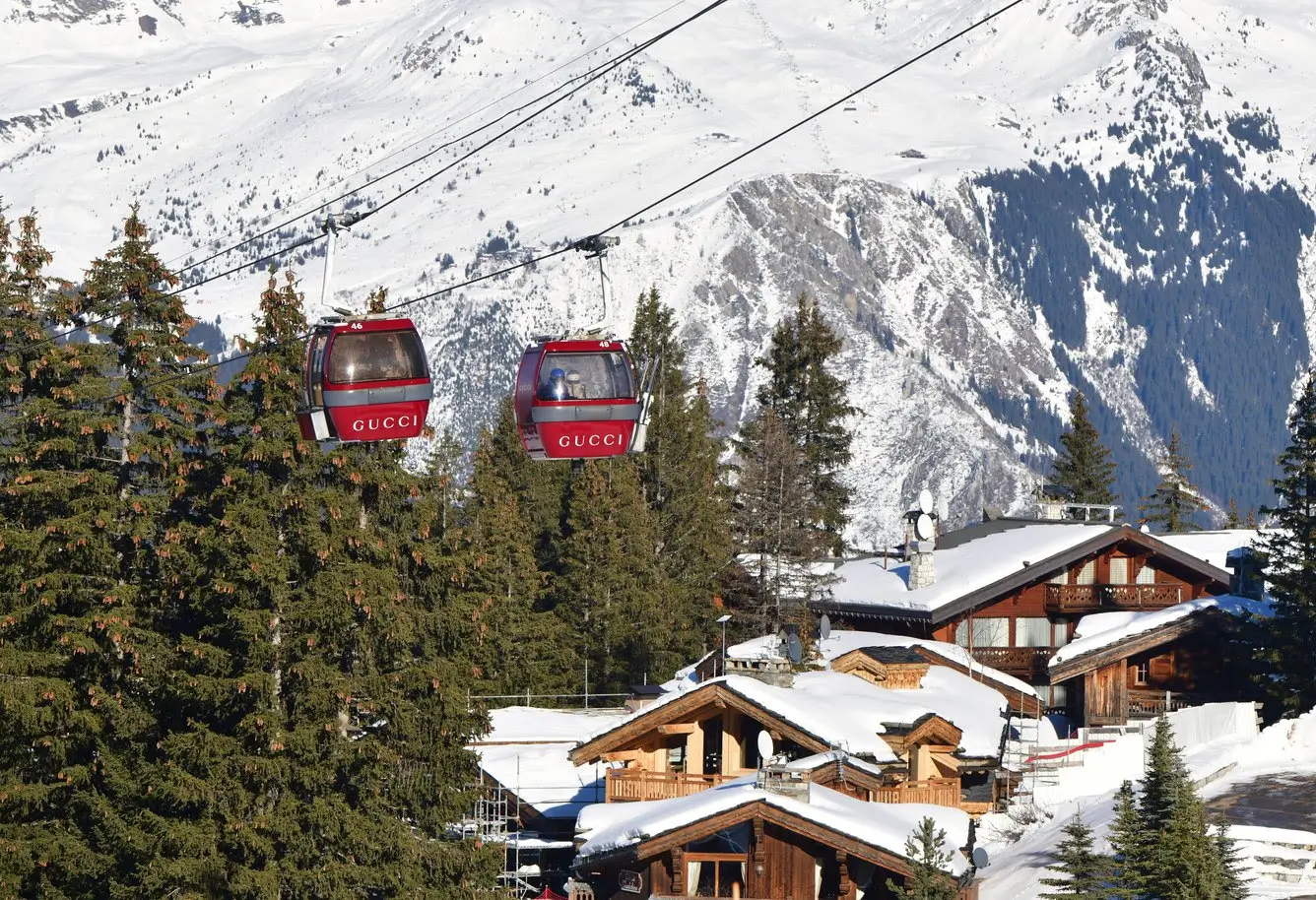
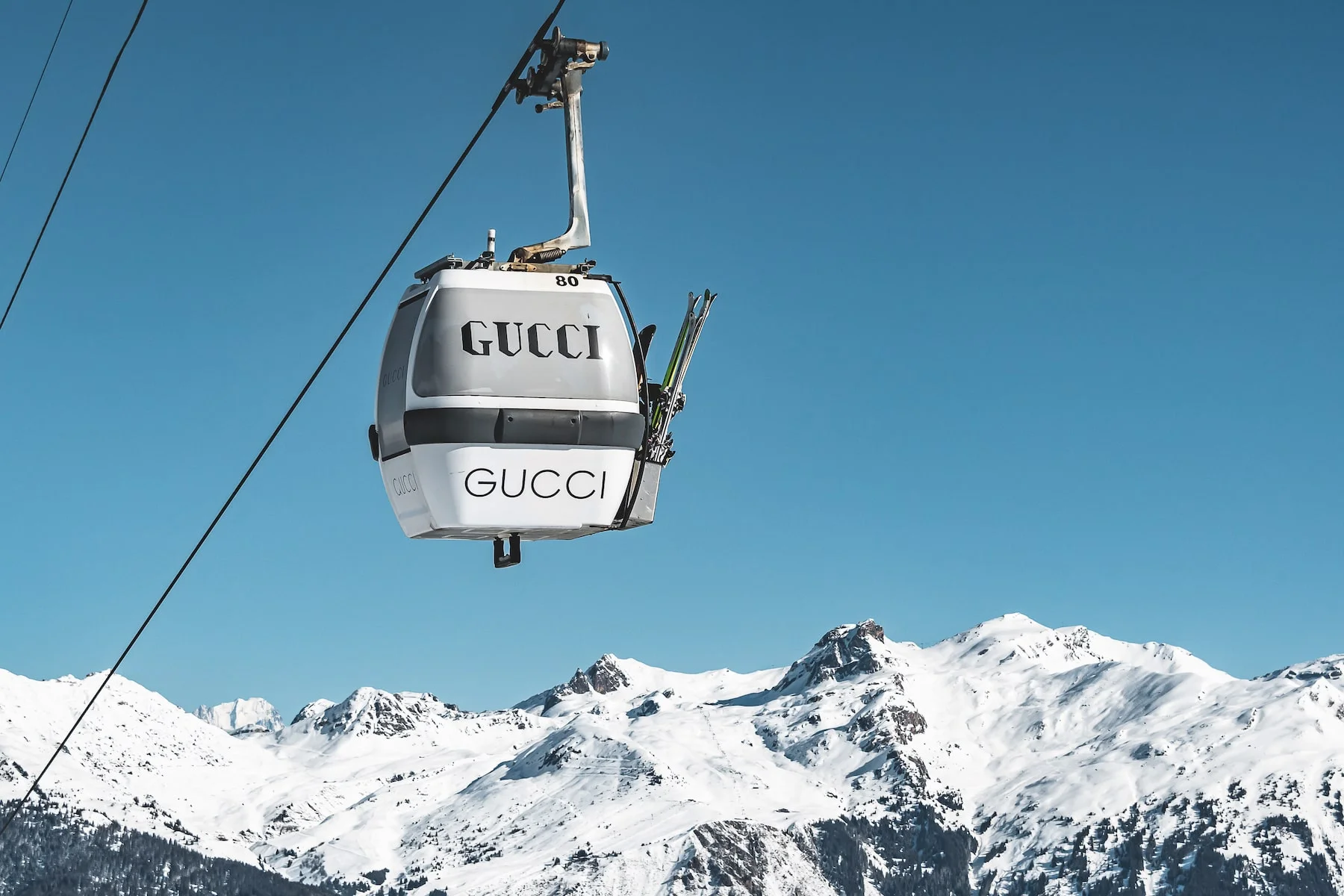
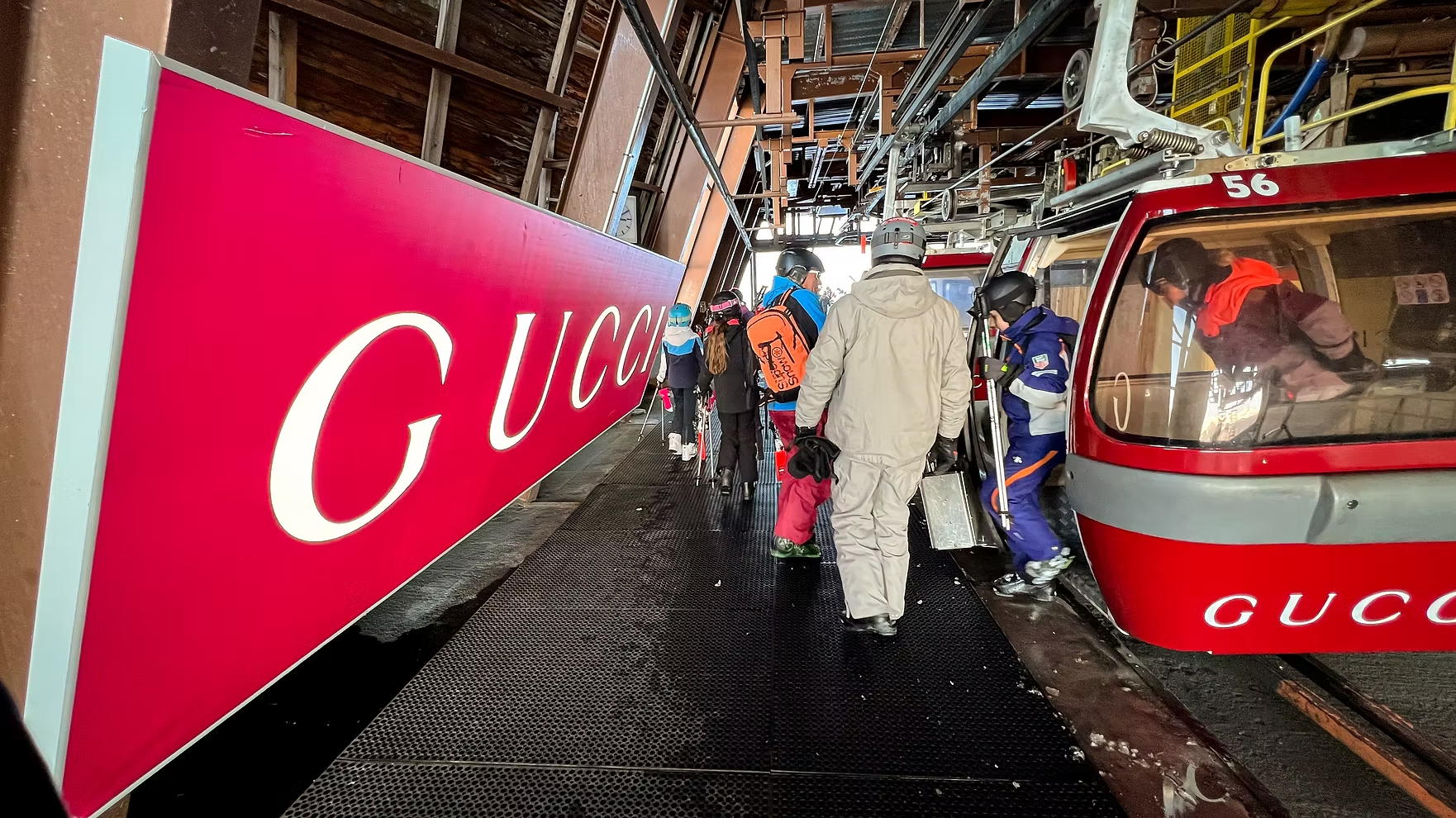
But here’s the twist: despite all the extravagance—including those unmistakable Gucci-branded gondolas—a daily lift ticket is far more accessible than Aspen, at $86 during high season. The math feels almost surreal. Your surroundings are dripping in luxury—designer storefronts, chauffeured SUVs, alpine spas—yet the cost of actually skiing the slopes doesn’t require Aspen-level spending.
What Courchevel really charges a premium for is everything around the mountain: the hotels, the restaurants, the curated lifestyle. If Aspen is loud luxury, Courchevel is the quiet, generational kind.

flow
But skiing isn’t exclusively the domain of luxury tourism. In fact, many skiers—experienced or beginners—prefer independent, family-run, or regional mountains where the focus is on the snow, not the status. These slopes offer something refreshing: an uncomplicated experience free from high-gloss branding or astronomical lodging prices.
montana
Turner Mountain is the perfect example. A day pass is just $45, a fraction of the Aspen or Courchevel sticker shock. There are no luxury boutiques and no gondolas doubling as ad campaigns—just a mountain, a community, and a love of skiing. It’s the kind of place where the lodge hot chocolate might be served in a Styrofoam cup and the staff likely knows every regular by name.
The charm of Turner lies in its authenticity. No curated “experience,” no gilded chalets—just honest winter sport. And that appeals to a surprising demographic: families, college students, and veterans of bigger mountains who crave purity over polish.
kolašin 1450
Montenegro’s Kolašin 1450 is one of the best-kept secrets of European winter travel. A daily lift ticket costs $29, and the views deliver the kind of cinematic alpine drama usually reserved for destinations five times the cost. It’s proof that great skiing doesn’t need a luxury sponsorship deal attached.
denizli
And then there’s Denizli in Turkey. Here, skiing costs a mere $7 per day. Yes—seven. That price feels almost impossible in a world where certain Après-ski spots charge more than that for a single espresso. Yet Denizli provides real slopes, real snow, and real accessibility. It democratizes skiing in a way that many Western resorts can’t (or won’t).
fwd
The vast price range—from $279 to $7—reveals an uncomfortable truth about winter sports: skiing is expensive less because of the sport and more because of the infrastructure built around it. Mountains are free. Snow is free. But the lifts, the branding, the luxury ecosystems, and the tourism economies shape the financial reality of who gets to experience the thrill.
Luxury ski resorts package skiing as lifestyle aspiration. Budget mountains package skiing as sport.
Both versions have their appeal.
idea
If you crave polished experiences and five-star amenities, Aspen and Courchevel deliver atmospheres unmatched in glamour and scale. If you’re more enticed by local charm and simply want to carve some turns without liquidating your savings, Turner Mountain or similar independents are havens of affordability. And if your passport is up for adventure, Montenegro and Turkey prove that skiing can be shockingly inexpensive without sacrificing beauty.
No matter which slope calls you, the joy remains constant: cold air in your lungs, snow beneath your feet, and that rush of acceleration that belongs entirely to winter. Whether it happens in a Gucci gondola or on a $7 lift, the thrill is the same—gravity doesn’t charge extra.