David Bowie Meets Prokofiev: A Timeless Tale in ‘Peter and the Wolf’

November 4, 2024
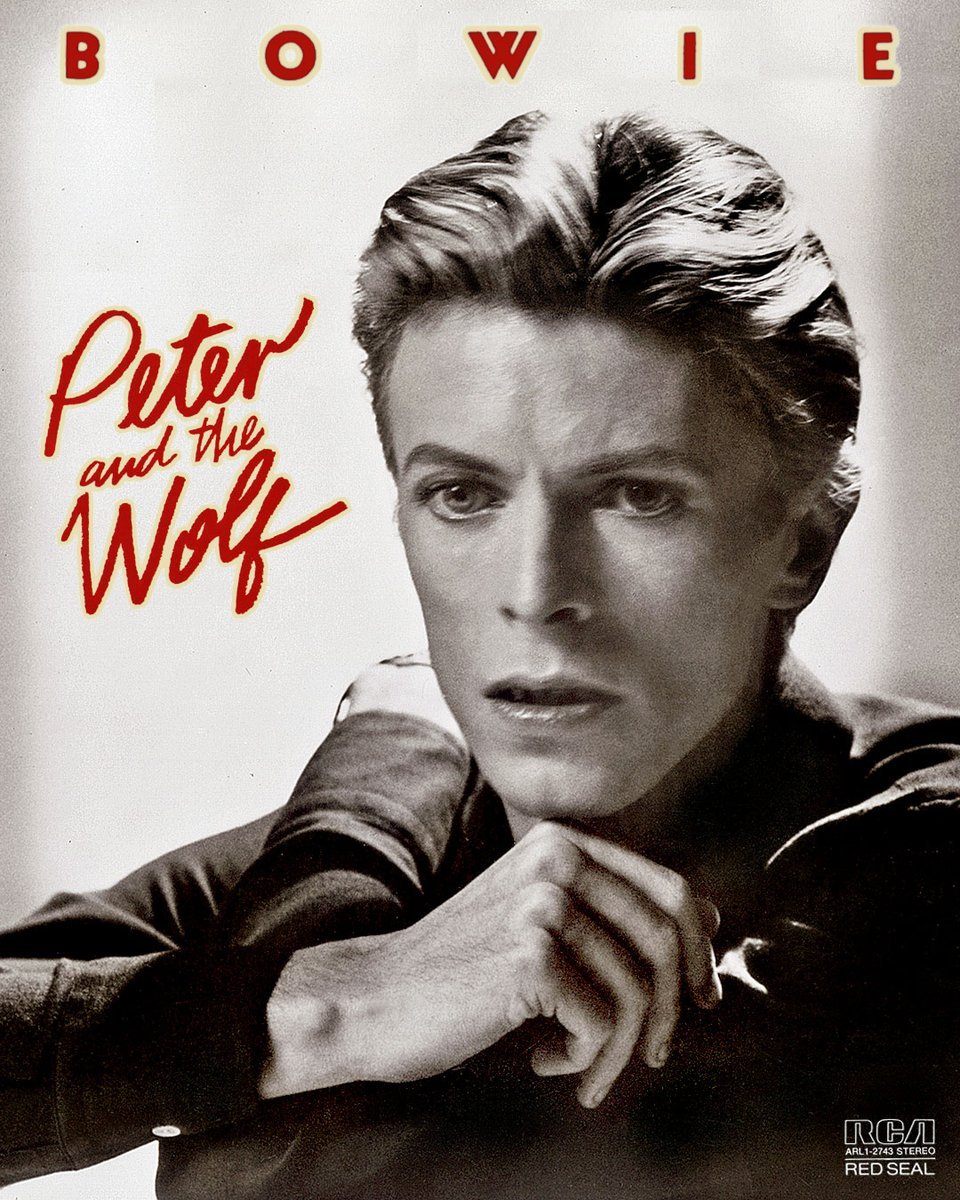
Begin by introducing “Peter and the Wolf” as one of the most beloved musical stories, originally composed by Sergei Prokofiev in 1936. Highlight how David Bowie, a musical icon known for his innovation and storytelling prowess, brought new life to this classic in 1978. With his unmistakable voice, Bowie becomes a bridge between classical music and popular culture, creating a version that continues to enchant audiences. His narration transformed “Peter and the Wolf” into something accessible yet sophisticated, appealing to both children and adults alike.
The Magic of Prokofiev’s Orchestration
Prokofiev designed “Peter and the Wolf” as an introduction to orchestral music for children, assigning each character in the story to a specific instrument or group of instruments, creating a layered musical experience. Dive into each character and the corresponding musical motif, explaining how these choices evoke personality and emotion:
Peter: Represented by the strings, Peter’s theme is light and adventurous, capturing his curious and brave nature. The strings bring warmth and energy, setting the tone for Peter’s journey.
Bird: Played by the flute, the bird’s theme is light, playful, and swift, echoing the fluttering movements of a bird. Bowie’s voice, paired with the flute, brings a whimsical sense of innocence to this character.
Duck: The oboe captures the duck’s waddling nature, creating a comical, almost clumsy musical phrase that makes the character instantly memorable.
Cat: Represented by the clarinet, the cat’s theme is sleek and mischievous, suggesting its sly and stealthy personality.
Wolf: Prokofiev chose the French horns to represent the wolf, delivering a dark, foreboding theme that builds tension and hints at danger.
Grandfather: The bassoon brings a grumpy, cautious tone to the grandfather, reflecting his protective yet old-fashioned demeanor.
Hunters: Timpani and bass drum capture the hunters, evoking the sounds of distant gunshots and creating suspense as they search for the wolf.
With Bowie’s voice guiding listeners through these motifs, the narration adds a layer of accessibility and intrigue, blending his distinct cadence with the orchestration.
Bowie’s Interpretation: A Narrative Full of Nuance
David Bowie’s narration is notable for its warmth, humor, and subtle shifts in tone. Analyze how Bowie brings a unique character to the story, balancing suspense with playfulness. His British accent and theatrical delivery make the narrative compelling, drawing listeners into Peter’s world.
Bowie’s narration is marked by a balance of sophistication and whimsy, allowing him to connect with both children and adults. His shifts in tone, from gentle encouragement during Peter’s interactions with the animals to caution as the wolf appears, bring an emotional depth to the narration. Discuss how Bowie’s narration achieves a balance of respect for the original composition while adding his own charismatic flair.
Impression
Explore how Bowie’s rendition of “Peter and the Wolf” became iconic, introducing generations to classical music through his narration. Unlike traditional classical performances, this collaboration brought a new audience to Prokofiev’s work, blending rock star appeal with the grandeur of orchestral music. Highlight how Bowie’s version became a staple, appreciated by families, schools, and fans of both classical music and rock.
This cultural crossover became a trendsetting moment, sparking interest in narrated musical pieces. Following Bowie’s success, more musicians and actors began collaborating with orchestras, narrating classic tales to introduce new generations to classical music. Bowie’s rendition helped elevate narrated orchestral pieces, establishing a template for blending popular voices with classical compositions.
Narrated Orchestral Works: An Evolving Trend
Narrated musical pieces, especially involving notable artists or actors, have seen a resurgence as orchestras look for ways to engage broader audiences. Following Bowie, other artists and celebrities began to explore narrated classical works. Recent examples include actors narrating *The Carnival of the Animals* or children’s tales paired with orchestras, adding a modern twist to classical stories.
Discuss the role of nostalgia and cultural icons in reviving interest in classical music. Bowie’s interpretation of *Peter and the Wolf* set a trend, proving that classical compositions can benefit from modern voices. This trend speaks to an evolving music industry, where traditional and contemporary elements blend to create timeless experiences. Consider the increasing popularity of celebrity-narrated audio experiences in today’s streaming world, where the voices of well-known figures add dimension to storytelling.
Depiction of Themes: Innocence, Bravery, and Conflict
“Peter and the Wolf” explores timeless themes like courage, innocence, and conflict with nature, and Bowie’s narration amplifies these emotions. Analyze how each character’s music and Bowie’s voice bring these themes to life, creating a journey that feels both personal and universal.
Innocence and Curiosity**: Peter’s youthful curiosity and bravery are central to the story, symbolizing the classic theme of childlike wonder facing the unknown. Bowie’s narration adds a sense of encouragement to Peter’s actions, subtly empowering young listeners to relate to the character’s bravery.
Nature and Conflict: The orchestration reflects the beauty and danger of nature, particularly through the contrasting themes of the bird, duck, and wolf. Bowie’s cautionary tones enhance the suspense as the story unfolds, making the eventual resolution feel even more satisfying.
Resolution and Unity: As Peter and the hunters capture the wolf, Bowie’s narration shifts to relief and satisfaction, reinforcing the story’s message of unity and courage in overcoming obstacles.
These universal themes, made vivid through Prokofiev’s orchestration and Bowie’s narration, continue to resonate with audiences, making *Peter and the Wolf* an enduring tale.
Bowie’s Legacy in Narrated Works
Bowie’s narration has become a touchstone for future projects blending classical music with storytelling. His work set a precedent for artists to experiment with classical compositions, creating a legacy where popular and classical music coexist. Discuss how Bowie’s Peter and the Wolf opened doors for musicians and actors to engage with classical music, further blurring genre lines.
Bowie’s narration endures not only because of his celebrity but because of his authentic connection to the story. This dedication is evident in his nuanced, theatrical approach, which respects Prokofiev’s original vision while bringing a modern, timeless quality to the piece.
A Timeless Work for New Generations
David Bowie’s narration of “Peter and the Wolf” remains a beloved recording, combining the magic of Prokofiev’s orchestration with Bowie’s distinct voice. It captures the essence of timeless storytelling, celebrating the enduring power of music to bridge generations. This piece is both an introduction to classical music for young listeners and a nostalgic experience for adults, demonstrating the universal appeal of well-told stories.
Bowie’s influence on narrated musical works can still be seen today, inspiring artists to explore cross-genre collaborations. As more musicians and actors continue to bridge classical and contemporary elements, Bowie’s rendition of Peter and the Wolf stands as a testament to how powerful narration, coupled with orchestrated music, can create an unforgettable experience.