Dick Van Dyke – The Architecture of Life – Keeping it a 100

March 19, 2026
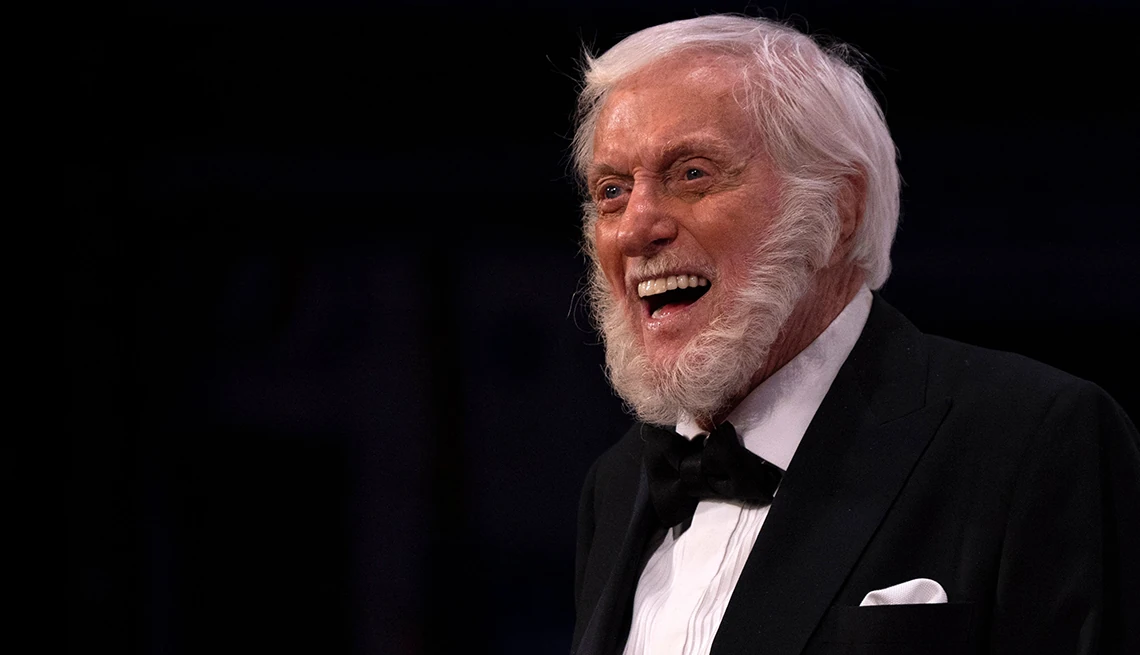
Dick Van Dyke at 100 is less a relic of Hollywood’s golden age and more a living argument against the limits we place on aging. For a performer whose career stretches from early television to viral internet clips, the fascination is no longer just about what he did—it’s about how he continues to do it. In a cultural moment obsessed with optimization, longevity, and wellness, Van Dyke’s enduring vitality has taken on a new relevance. And the answer, according to the man himself, is deceptively simple: keep moving, stay engaged with music, and never disengage from joy.
View this post on Instagram
stir
Before longevity became a headline, Van Dyke had already secured his place in entertainment history. His defining role in The Dick Van Dyke Show established a new standard for sitcom performance—one that blended physical comedy with emotional nuance. As Rob Petrie, he wasn’t just funny; he was fluid, expressive, almost balletic in his movement.
That physicality translated seamlessly to cinema, most notably in Mary Poppins, where his chimney sweep dance sequences remain some of the most technically joyful performances in film history. Opposite Julie Andrews, Van Dyke embodied a kind of kinetic optimism that defined mid-century musical storytelling.
Then came Chitty Chitty Bang Bang, another project that leaned heavily on movement, rhythm, and theatrical exuberance. Across decades, he would continue to reappear in cultural touchpoints—from Diagnosis: Murder to later roles in the Night at the Museum franchise—each time reinforcing his status as a performer who never fully exited the stage.
flow
Recent headlines have reframed Van Dyke not just as an entertainer, but as a case study. In interviews and features across outlets like Cleveland.com and People, he has consistently credited one core habit for his longevity: daily movement, often driven by music.
He doesn’t describe it as “exercise” in the modern, regimented sense. Instead, it’s dancing. Stretching. Walking. Singing. Rehearsing. Improvising. Movement not as obligation, but as instinct.
This distinction matters. In Van Dyke’s world, physical activity isn’t compartmentalized into a gym session—it’s integrated into daily life. It’s expressive, social, and often joyful. And crucially, it’s sustained over decades, not adopted as a short-term fix.
sci
What makes this narrative particularly compelling is that science increasingly supports it. Research in gerontology and neuroscience consistently points to movement—especially rhythmic, coordinated movement like dancing—as one of the most effective ways to preserve both physical and cognitive health.
Studies show that regular physical activity can:
-
Improve cardiovascular health
-
Maintain muscle mass and flexibility
-
Enhance neuroplasticity and memory
-
Reduce the risk of neurodegenerative diseases
But dance, specifically, adds another layer. It combines physical exertion with coordination, timing, and often social interaction. This multi-dimensional engagement activates multiple areas of the brain simultaneously, creating a kind of full-spectrum workout.
In other words, what Van Dyke has been doing intuitively for decades aligns almost perfectly with what modern science now prescribes.
anchor
Van Dyke has often emphasized that music is central to his routine. Not just as background, but as a driver. He moves because of music, with music, through music.
Neurologically, this is significant. Music has a unique ability to stimulate memory and emotional centers in the brain. It can trigger recall, elevate mood, and even improve motor coordination. For aging individuals, this becomes especially powerful.
In Van Dyke’s case, music isn’t just entertainment—it’s infrastructure. It’s the framework through which movement becomes sustainable, enjoyable, and habitual.
discip
There’s a tendency to romanticize Van Dyke’s energy as effortless, but there’s an underlying discipline to it. Not discipline in the rigid, punitive sense, but in the commitment to remain engaged.
He continues to perform. Continues to rehearse. Continues to show up.
Even his public appearances— at award shows, interviews, or casual viral videos—carry a sense of presence. He’s not passively aging; he’s actively participating.
This aligns with psychological research suggesting that purpose and engagement are critical components of longevity. People who maintain a sense of meaning and social connection tend to live longer, healthier lives.
meaning
Another dimension often highlighted in recent coverage is his relationship with Arlene Silver. Celebrating over a decade of marriage, their partnership reflects a shared commitment to activity and joy.
Silver, significantly younger, is often seen dancing and performing alongside Van Dyke. Their dynamic challenges conventional narratives about aging and relationships, presenting instead a model rooted in mutual energy and curiosity.
Companionship, in this sense, becomes another pillar of longevity—not just emotional support, but shared movement, shared rhythm.
strive
Van Dyke’s story arrives at a moment when longevity has become a cultural obsession. From biohacking to wellness routines, there’s a growing industry built around extending life.
But what makes his case unique is its simplicity. There are no extreme diets, no experimental treatments, no elaborate regimens. Just consistency, movement, music, and engagement.
In a landscape often dominated by complexity, Van Dyke represents a return to fundamentals.
praxis
One of the most striking aspects of Van Dyke’s longevity is that he never fully separated life from performance. The habits that sustained his career—movement, rehearsal, expression—are the same habits sustaining his life.
This blurring of boundaries suggests a different way of thinking about aging. Not as a decline from peak performance, but as a continuation of practice.
For Van Dyke, there is no “after.” There is only ongoing.
influ
Modern performers—from stage actors to film stars to digital creators—continue to draw from Van Dyke’s approach. His emphasis on physicality, timing, and joy resonates in an era where performance is increasingly mediated by screens.
Even in contemporary dance and fitness culture, the idea of movement as expression rather than obligation echoes his philosophy.
show
Visually, Van Dyke’s presence has become iconic in a different way. The image of a 100-year-old man dancing, smiling, moving with ease—it disrupts expectations.
It challenges the aesthetic norms of aging, offering instead a vision of vitality that is not about looking young, but about being active.
what
Ultimately makes Dick Van Dyke compelling in 2026 isn’t just his past achievements, but the clarity of his present example.
Move daily.
Engage with music.
Stay connected.
Keep performing—whatever that means in your own life.
These are not revolutionary ideas. But their consistent application, over decades, produces something that feels almost miraculous.
fwd
In an industry that often discards its icons, Van Dyke remains visible, relevant, and active. He is not preserved; he is evolving.
And in doing so, he offers a counterpoint to the dominant narrative of aging as limitation. Instead, he frames it as continuation.
fin
At 100, Dick Van Dyke is not simply surviving—he is still performing, still moving, still embodying the principles that defined his career.
The habit he credits—daily movement, often through music—is both simple and profound. It is a reminder that longevity is less about dramatic interventions and more about sustained rhythms.
In a world searching for the next breakthrough in aging, Van Dyke’s life suggests that the answer may have been here all along, hidden in plain sight: in dance, in music, in motion.
And perhaps most importantly, in joy.