Dior Roadie: Recalibrating Men’s Footwear Without Excess

April 9, 2026
1 hour ago
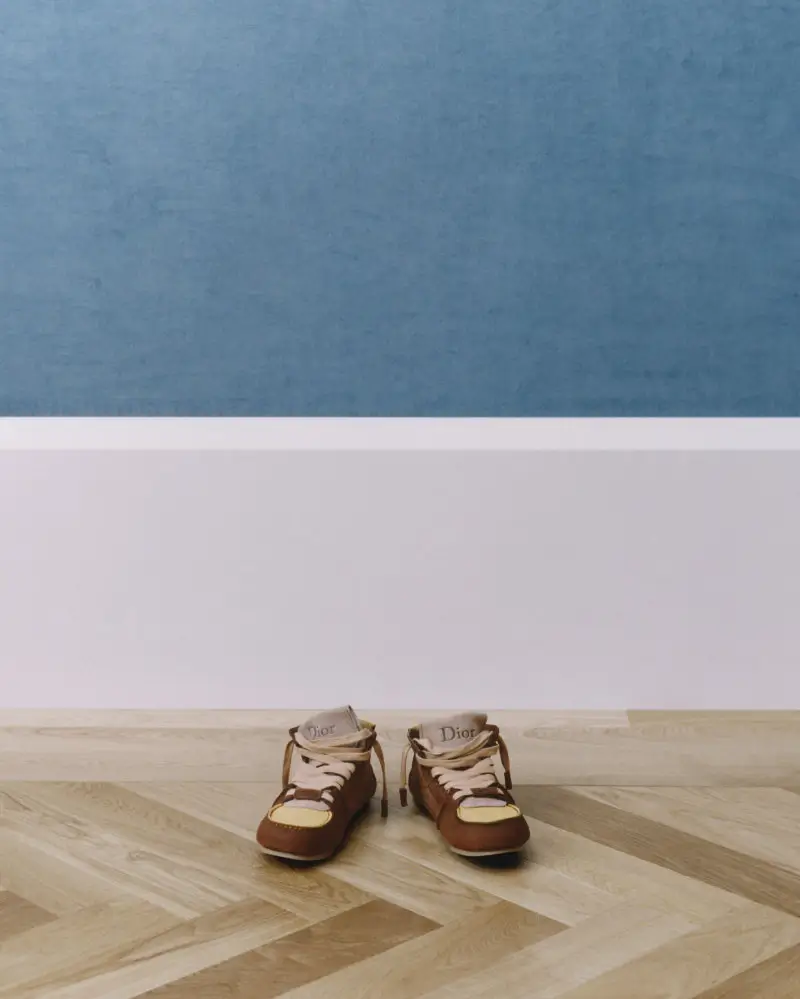
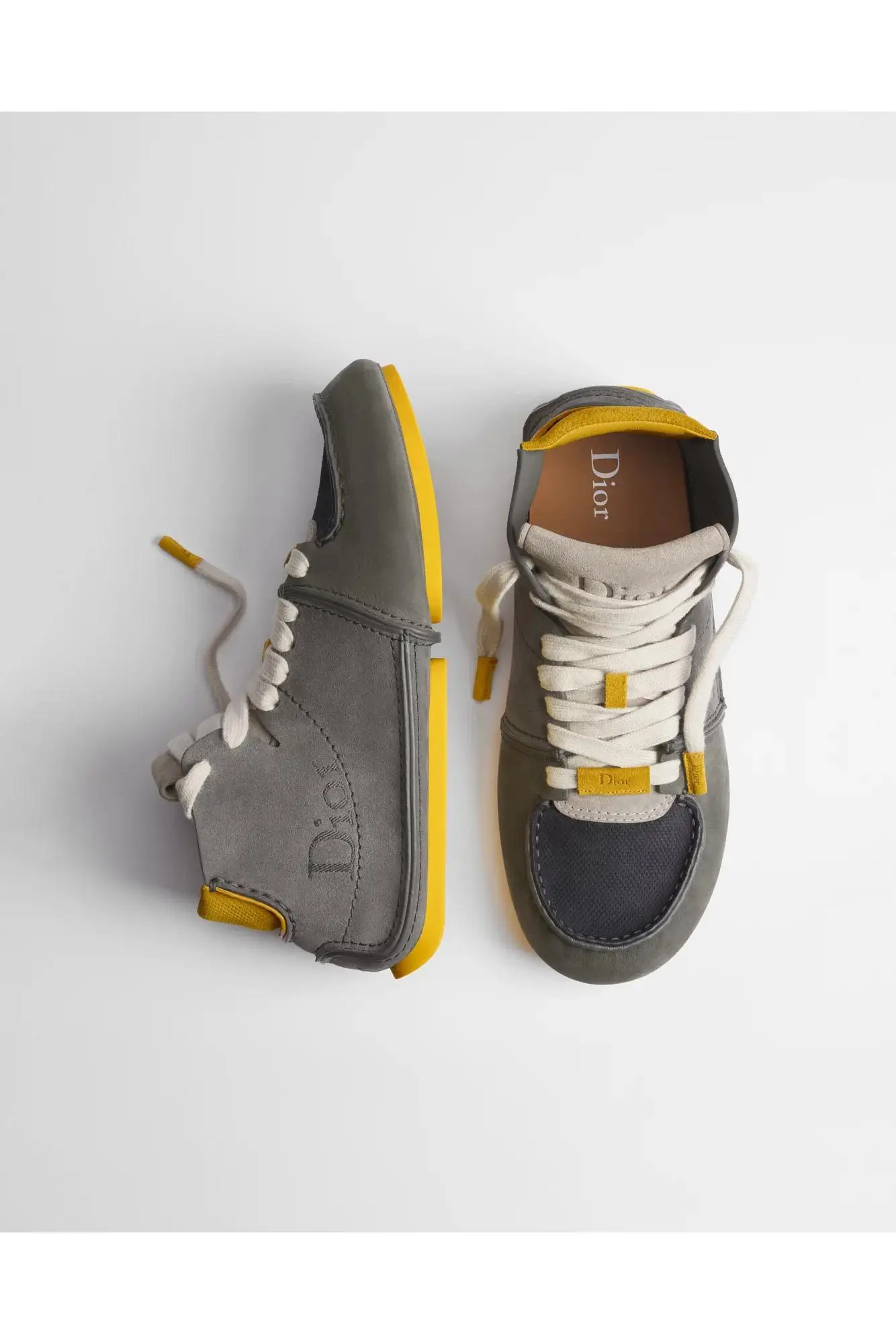
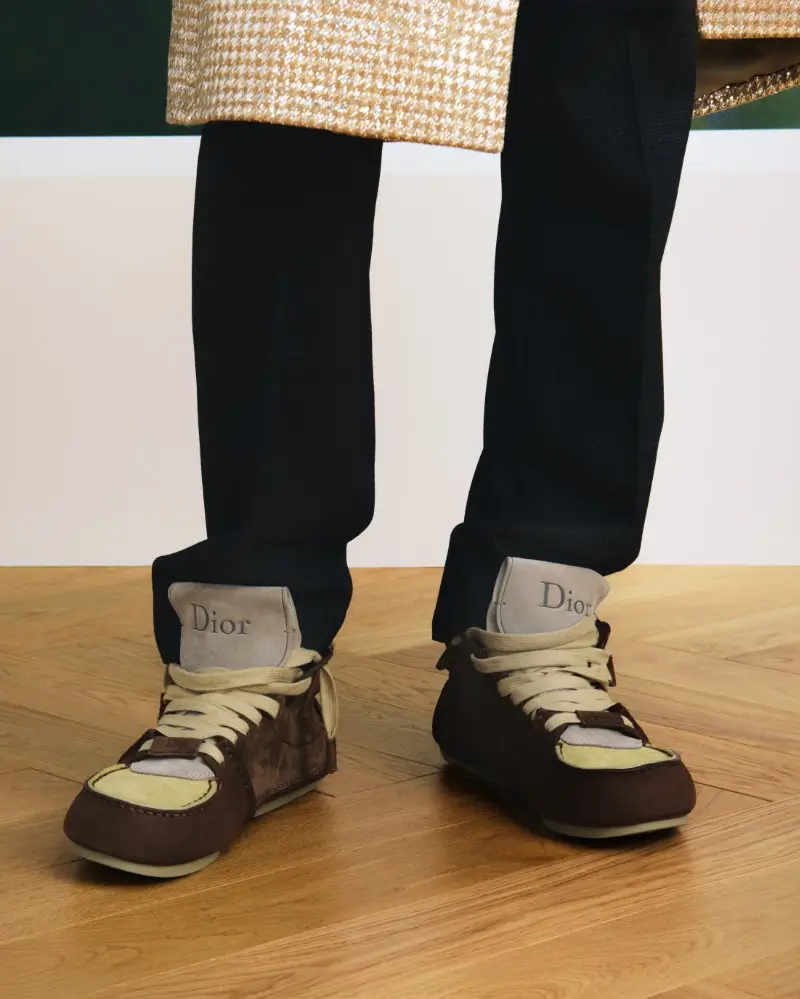
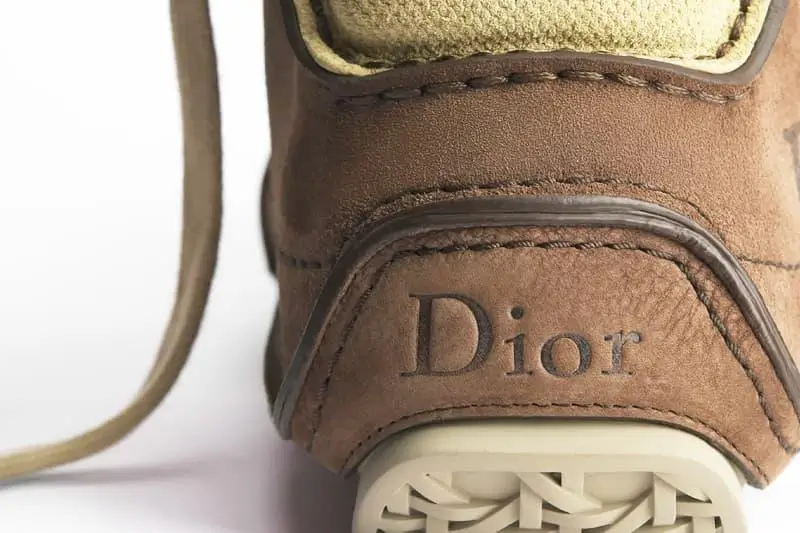
There are debuts that announce themselves loudly, and then there are those that move with intention—quiet, precise, and deeply strategic. The introduction of the Dior Roadie, designed under the direction of Jonathan Anderson for Dior, belongs to the latter. It is not merely a shoe; it is a recalibration. A signal. A controlled shift in how Dior’s menswear will walk—literally and metaphorically—into its next phase.
Anderson himself wore the Roadie during his first show for the house, a gesture that reads less like styling and more like authorship. In fashion, what a designer chooses to wear at their debut is rarely incidental. It is a thesis in motion. The Roadie becomes that thesis: a hybrid object negotiating between casual ease and structured elegance, collapsing categories that once felt rigid.
stir
The Roadie resists immediate classification. It occupies a space between shoe and traditional men’s footwear, but avoids the tired language of “hybrid” that has often diluted meaning in recent years. Instead, it proposes something more nuanced: a recalibrated continuum.
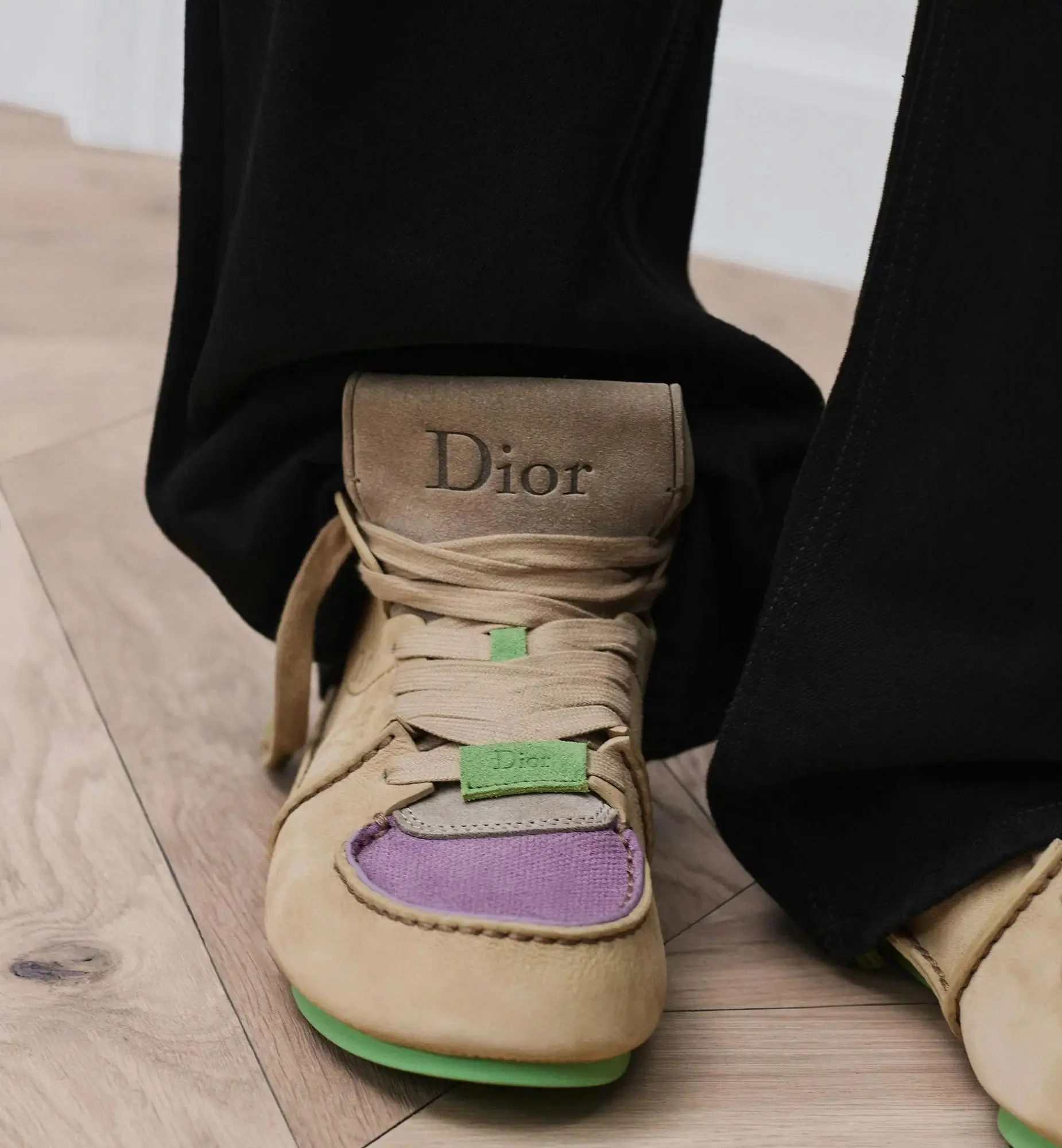
At first glance, the silhouette carries the familiarity of a low-profile shoe—streamlined, grounded, wearable. But look closer and the codes begin to shift. The construction borrows from classic men’s dress shoes: controlled proportions, intentional paneling, a sense of balance rather than exaggeration. The sole, often the loudest component in contemporary sneaker design, is restrained here—functional without spectacle.
This is where Anderson’s influence becomes legible. Known for his work at JW Anderson and his tenure at LOEWE, he has consistently challenged the boundaries between categories—gender, function, form—without resorting to overt disruption. The Roadie follows that same logic. It doesn’t shout innovation; it embeds it.
View this post on Instagram
place
Dior’s menswear identity has long oscillated between sharp tailoring and contemporary street influence. Under previous creative directions, the sneaker became a central vehicle for modernity—often bold, sometimes oversized, frequently logo-driven.
The Roadie takes a different route. It doesn’t abandon Dior’s heritage; it edits it.
There is a subtlety to the branding, a near-withdrawal of overt signals. Instead, the emphasis shifts toward materiality and proportion. Leather appears more considered than performative. Stitching feels deliberate rather than decorative. The palette leans toward neutrality, reinforcing the idea that the shoe is meant to integrate, not dominate.
In this sense, the Roadie aligns more closely with Dior’s couture discipline than its recent sneaker-heavy narratives. It suggests a return to construction, to the idea that haute is not only seen but understood through use.
gesture
When Jonathan Anderson stepped out in the Roadie during his debut presentation, the moment functioned as more than styling—it was a declaration of alignment.
Designers often use their own bodies as testing grounds, but this felt more intentional. The Roadie, worn in motion, demonstrated its purpose: it is not a showpiece shoe, but a lived one. It moves with the wearer, adapting to context rather than dictating it.
This is a critical shift in how luxury footwear is being positioned. The emphasis is no longer on spectacle alone, but on continuity—how a shoe transitions from runway to reality without losing its integrity.
flow
“Functional elegance” is a term frequently deployed in fashion marketing, often without substance. The Roadie, however, gives it definition.
Function here is not purely technical—it is behavioral. The shoe is designed to exist across multiple environments: urban, professional, informal. It does not demand a specific outfit or context. Instead, it absorbs them.
Elegance, meanwhile, is embedded in restraint. There is no excess, no unnecessary complication. The lines are clean, but not sterile. The design feels resolved, not minimal for the sake of trend, but because excess has been consciously removed.
This balance—between adaptability and precision—is what makes the Roadie resonate. It acknowledges the realities of contemporary dressing, where boundaries between work, leisure, and social life are increasingly fluid.
wear
The introduction of the Roadie also signals something broader: a strategic recalibration of Dior’s menswear direction under Anderson.
Rather than competing in the saturated space of statement shoes, Dior appears to be repositioning itself toward a more considered, enduring approach to footwear. The Roadie is not designed to trend—it is designed to persist.
This is a subtle but significant move. In an industry driven by rapid cycles, choosing longevity over immediacy requires confidence. It suggests that Dior is less interested in dominating the conversation and more focused on shaping it over time.
The Roadie becomes a foundational piece within that strategy. A product that can evolve through iterations, materials, and contexts without losing its core identity.
cultural
The timing of the Roadie’s release is not incidental. Menswear is currently undergoing a shift away from overtly performative dressing toward something quieter, more intentional.
Consumers are increasingly drawn to pieces that offer versatility and longevity—objects that justify their place in a wardrobe beyond a single season. The Roadie responds directly to this shift.
It also reflects a broader cultural fatigue with extremes. The era of exaggerated proportions and hyper-branded footwear is giving way to something more measured. Not minimalism in its strictest sense, but a recalibrated approach to design where impact is achieved through precision rather than volume.
In this landscape, the Roadie feels timely. Not because it follows a trend, but because it anticipates where taste is moving.
struct
One of the more understated aspects of the Roadie is its construction. While not immediately attention-grabbing, the choice of materials and the way they are assembled speak to a deeper level of consideration.
The leather is neither overly polished nor aggressively textured—it sits somewhere in between, allowing the shoe to adapt visually depending on context. Under certain lighting, it reads as formal; in others, more relaxed.
The sole construction avoids the extremes of both ultra-thin dress shoe soles and oversized shoe platforms. Instead, it finds a middle ground that prioritizes comfort without sacrificing proportion.
This balance is critical. It ensures that the Roadie remains wearable over extended periods, reinforcing its positioning as a daily object rather than an occasional statement.
archetype
Perhaps the most compelling aspect of the Roadie is that it introduces a new archetype within Dior’s footwear offering.
It is not a replacement for the house’s existing shoes, nor is it a direct evolution of its dress shoes. Instead, it establishes a third category—one that operates between the two without fully belonging to either.
This is where Anderson’s design philosophy becomes most apparent. He is less interested in refining existing categories and more focused on creating new ones.
The Roadie, in this sense, is less about the shoe itself and more about the space it opens up. A space where luxury footwear can exist without being bound by traditional definitions.
close
The Dior Roadie does not seek to redefine footwear in a dramatic, immediate way. Its impact is quieter, more incremental. But in that restraint lies its strength.
It proposes a different kind of haute—one that values continuity over disruption, integration over statement, and precision over excess.
As Jonathan Anderson continues to shape his vision for Dior, the Roadie stands as an early indicator of what is to come: a menswear language that is less about declaring identity and more about refining it.
And perhaps that is the most radical move of all.