Does a Streaming DAC Really Need a Touchscreen?

November 4, 2024
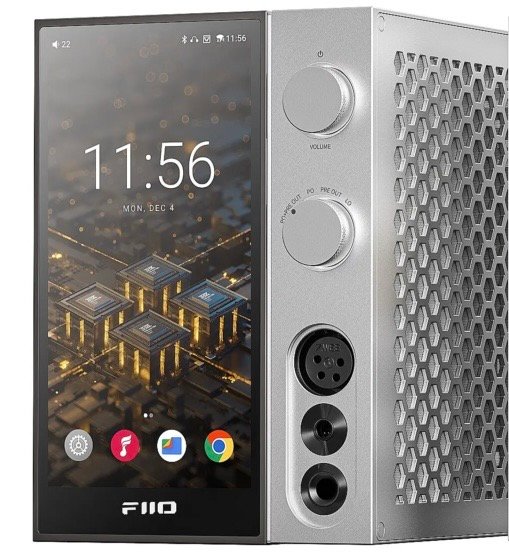
In the quest for high-quality audio, a Digital-to-Analog Converter (DAC) plays a pivotal role. It translates digital sound signals into analog, ensuring that music streamed through services like Spotify, Tidal, or Apple Music resonates with richness and depth. But as DACs evolve, some manufacturers are introducing touchscreens. This begs the question: Does a streaming DAC actually benefit from a touchscreen, or does it veer away from its primary mission of sound fidelity.
Functionality vs. Aesthetic Appeal
At its core, a DAC is meant to prioritize sound quality. It’s a device for the audiophile, someone who values clarity, depth, and purity of sound. But as DACs gain popularity in mainstream markets, companies have begun designing them with more bells and whistles — and touchscreens are one such feature.
While a touchscreen can enhance a DAC’s visual appeal, it raises the question of whether it truly contributes to its functionality. Audiophiles often value a minimalist approach, focused more on the performance of sound than on flashy design elements. A touchscreen may look sleek, but if it doesn’t enhance the listening experience, it can feel like a superficial addition.
Touchscreens certainly add a modern vibe, but in the context of a high-quality DAC, this might not align with the minimalist, performance-centered ethos of traditional audio equipment. For some, adding a touchscreen may even dilute a DAC’s premium appeal, making it feel more like a consumer gadget than a serious audio device.
User Interface and Control Options
A touchscreen undeniably offers intuitive control options. It simplifies access to settings, EQ adjustments, and playlist management directly on the device. However, for many users, these controls are often managed through apps on smartphones or tablets. With most streaming DACs already supporting app integration, a touchscreen may feel redundant.
Consider that traditional knobs and buttons give a tactile response that’s less reliant on a potentially temperamental screen. Physical controls allow for quick, deliberate adjustments without needing to look at the device. In low-light settings where users might be deeply immersed in music, tactile buttons are often more reliable than a screen that requires attention and potentially detracts from the listening experience.
For some users, a touchscreen might bring unnecessary complexity to a device that should be about simplicity and quality. The focus of a DAC is audio, not distraction, so for some, sticking with classic controls might be the preferred route.
Compatibility with Streaming Apps
Streaming services are now an integral part of music consumption, and many DACs are designed to work seamlessly with apps like Tidal, Spotify, or Qobuz. This raises the question of whether the DAC itself should serve as a control hub, or if it should rely on an external device for this function.
If users control playlists and settings through their phones or tablets, adding a touchscreen to the DAC may serve as a secondary, and possibly unnecessary, interface. In this scenario, a touchscreen DAC might over-complicate the process rather than simplify it. Furthermore, most streaming apps offer richer controls than a DAC’s limited screen might provide, making a touchscreen on the DAC itself seem redundant.
For users who prize a streamlined experience, the touchscreen could end up feeling less like an asset and more like an intrusion. Rather than adding value, it may end up complicating the user experience.
Durability and Design Implications
Adding a touchscreen introduces new design and durability considerations. Touchscreens can be sensitive to dust, fingerprints, and potential damage. Audiophiles, especially those investing in high-end equipment, may worry that a touchscreen compromises the longevity and resilience of their DAC.
Traditional DACs with solid, button-based interfaces are built to last, often without needing frequent maintenance or worry about screen malfunctions. For those who see their DAC as an investment, a touchscreen may feel like a liability. Physical controls are not only more resilient but also often feel more satisfying and durable than an ultra-thin touchscreen.
Moreover, design-wise, a touchscreen may introduce a modern aesthetic that doesn’t align with classic audio equipment. Many high-end DACs have a timeless look, and adding a touchscreen could detract from this aesthetic. Touchscreen technology may also be outdated faster than traditional knobs and buttons, which tend to retain their appeal over time.
Market Trends and User Expectations
It’s clear that touchscreens are popular in consumer tech, from smartphones to car dashboards. This trend may influence DAC manufacturers to incorporate touchscreens as a way to appeal to a broader audience. But while this feature may attract tech-savvy buyers, it may not resonate with the dedicated audiophile community.
For many serious audio enthusiasts, DACs aren’t simply another gadget. They’re tools designed with a single purpose: delivering exceptional sound. As such, many in the audiophile community may view the touchscreen trend as catering to mainstream tastes rather than genuine audio needs. This could lead to skepticism about the inclusion of touchscreens, as it shifts the focus away from sound fidelity.
On the other hand, there is a segment of users who may appreciate the streamlined control offered by a touchscreen, especially for DACs placed in home theaters or shared listening spaces. These users might prioritize ease of access and quick adjustments over a more minimalist, audiophile-centered approach.
Streamlining vs. Unnecessary Complexity
There are indeed examples of touchscreen DACs that integrate well with their core function. For instance, some high-end DACs with touchscreens provide easy access to multiple streaming services, integrated volume controls, and real-time display of bit rates and sample rates — features that could genuinely enhance usability. These functions can be useful for users who appreciate having information at their fingertips without needing additional devices.
However, there are also cases where touchscreens add more complexity than necessary. If a touchscreen is solely used to browse settings that are rarely changed, its value may be minimal. Additionally, a touchscreen interface may lack the responsiveness of simpler controls, potentially leading to frustration.
For those looking to immerse themselves fully in the music, the addition of a touchscreen can feel like an unnecessary distraction. Simplicity in design often enhances usability, especially for users who want to focus entirely on the listening experience rather than navigating through screens and menus.
The Essential Question — Does a DAC Really Need a Touchscreen?
The answer largely depends on the user’s priorities. For the audiophile purist, the essence of a DAC lies in its audio quality, not in added tech features. A touchscreen might detract from this simplicity and introduce potential durability issues, unnecessary complexity, and an aesthetic that doesn’t align with the traditional design of audio equipment. For these users, a DAC without a touchscreen might be the more satisfying choice, aligning with their pursuit of undiluted sound quality and functional simplicity.
For users who value convenience and integration, a touchscreen can provide streamlined control, immediate access to streaming services, and on-the-fly adjustments. In shared or home-theater setups, a touchscreen could be a practical feature, especially if it allows quick navigation and settings adjustments. Ultimately, it’s a matter of preference and environment: while a touchscreen can enhance user experience in some settings, it’s not a necessity for everyone.
In the end, whether a DAC needs a touchscreen is less about capability and more about philosophy. If the goal of a DAC is purely to deliver an elevated auditory experience, then touchscreens may not add significant value. For many, the purity of high-quality sound is best appreciated with as few distractions as possible, allowing the DAC to fulfill its primary purpose — to transform sound in a way that brings listeners closer to the music, not to a screen.