Dolce & Gabbana After Stefano Gabbana: A House Rewrites Its Power Structure

April 11, 2026
8 hours ago
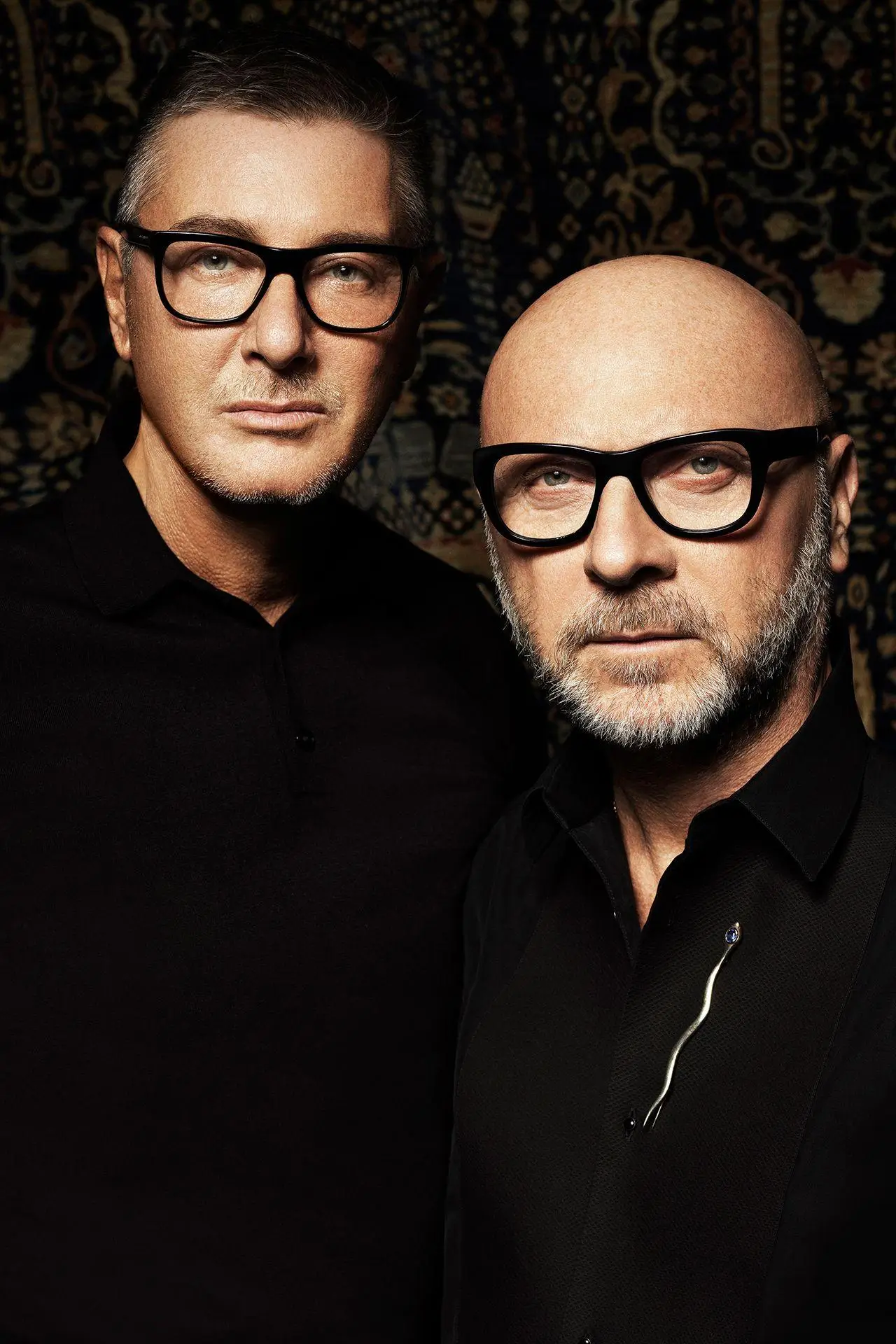
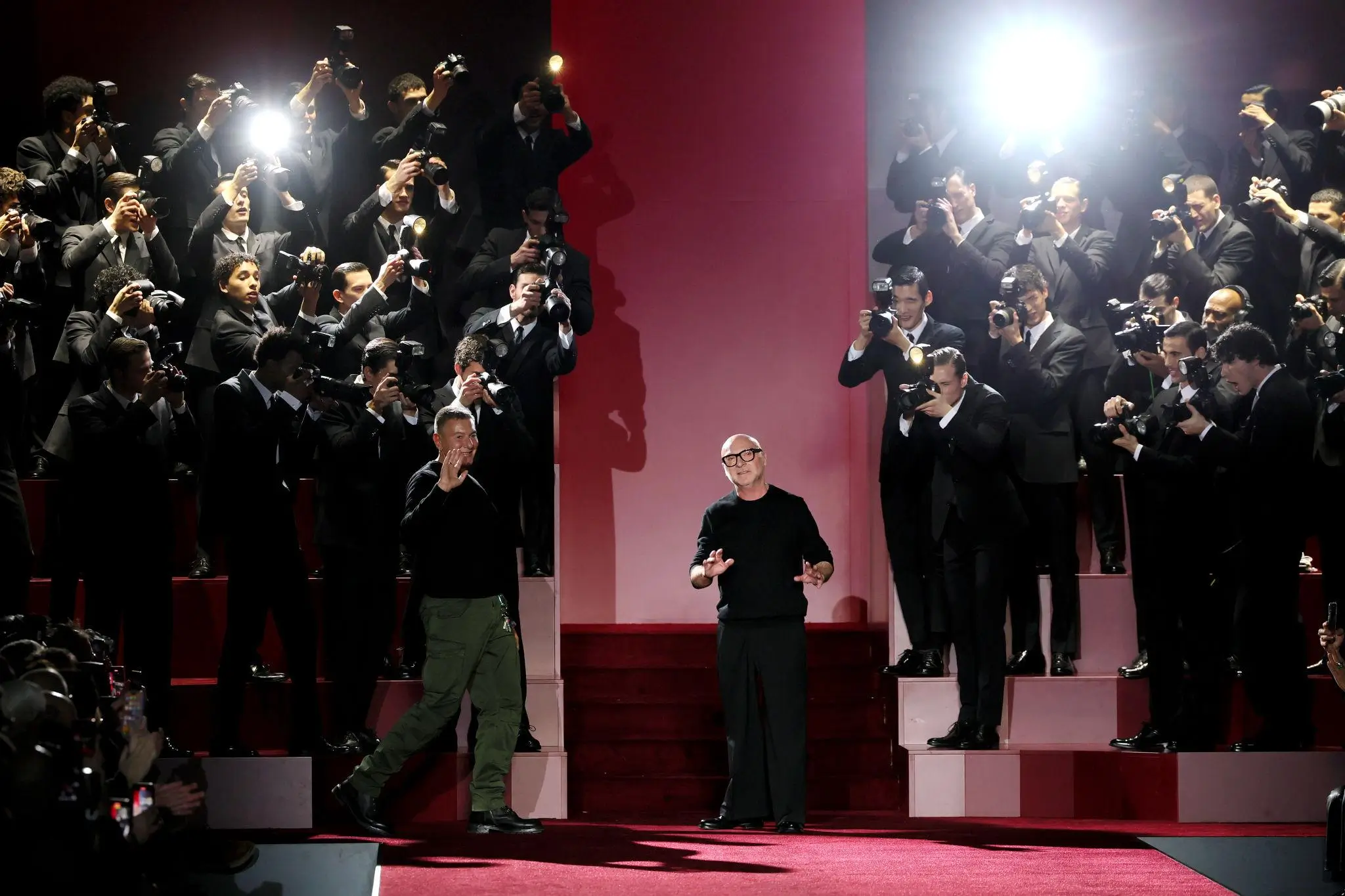
In the architecture of fashion power, titles often function as both signal and shield. The announcement that Stefano Gabbana has stepped down as chairman of Dolce & Gabbana initially registers as a rupture—an executive shift that implies distance, retreat, or even fracture. But within the internal logic of the house he built alongside Domenico Dolce, the move resists those immediate readings.
Because Dolce & Gabbana has never been structured like a conventional corporation. It has always been something closer to a dual authorship—two designers operating as a single narrative engine, where authorship, authorship credit, and authority collapse into a shared mythology. In that context, stepping down from the role of chairman is less a disappearance than a redistribution of visibility.
This is not a farewell. It is a recalibration.
stir
In conglomerate-owned houses—those absorbed into systems like LVMH or Kering—titles are often distributed across layers of management, insulating creative leadership from corporate oversight. But Dolce & Gabbana has long resisted this model.
It has remained fiercely independent, operating outside the gravitational pull of conglomerates. That independence has meant that titles such as chairman carry a more intimate weight. They are not merely administrative—they are extensions of authorship, control, and identity.
For Gabbana to step down from that role suggests a deliberate untangling of responsibilities. Not a relinquishing of influence, but a redefinition of how that influence is exercised.
The distinction matters. Because in fashion, power is rarely removed. It is rephrased.
flow
From the beginning, the dynamic between Dolce and Gabbana was never symmetrical in the way corporate hierarchies demand. Domenico Dolce has often been associated with the technical, the sartorial, the deeply rooted references to Sicilian heritage. Stefano Gabbana, by contrast, has embodied the external voice—the provocateur, the communicator, the figure more visibly entangled with the public and media.
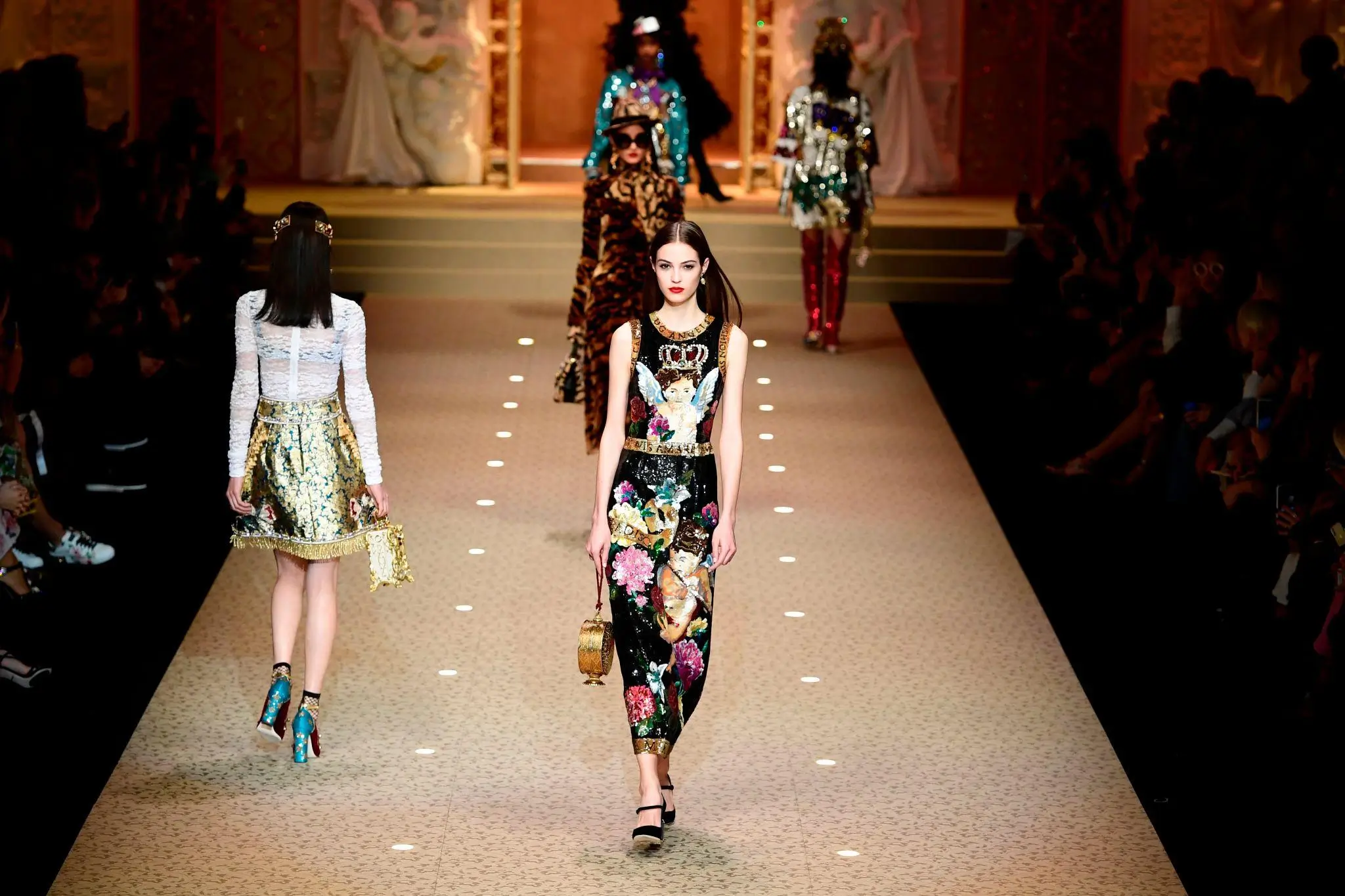
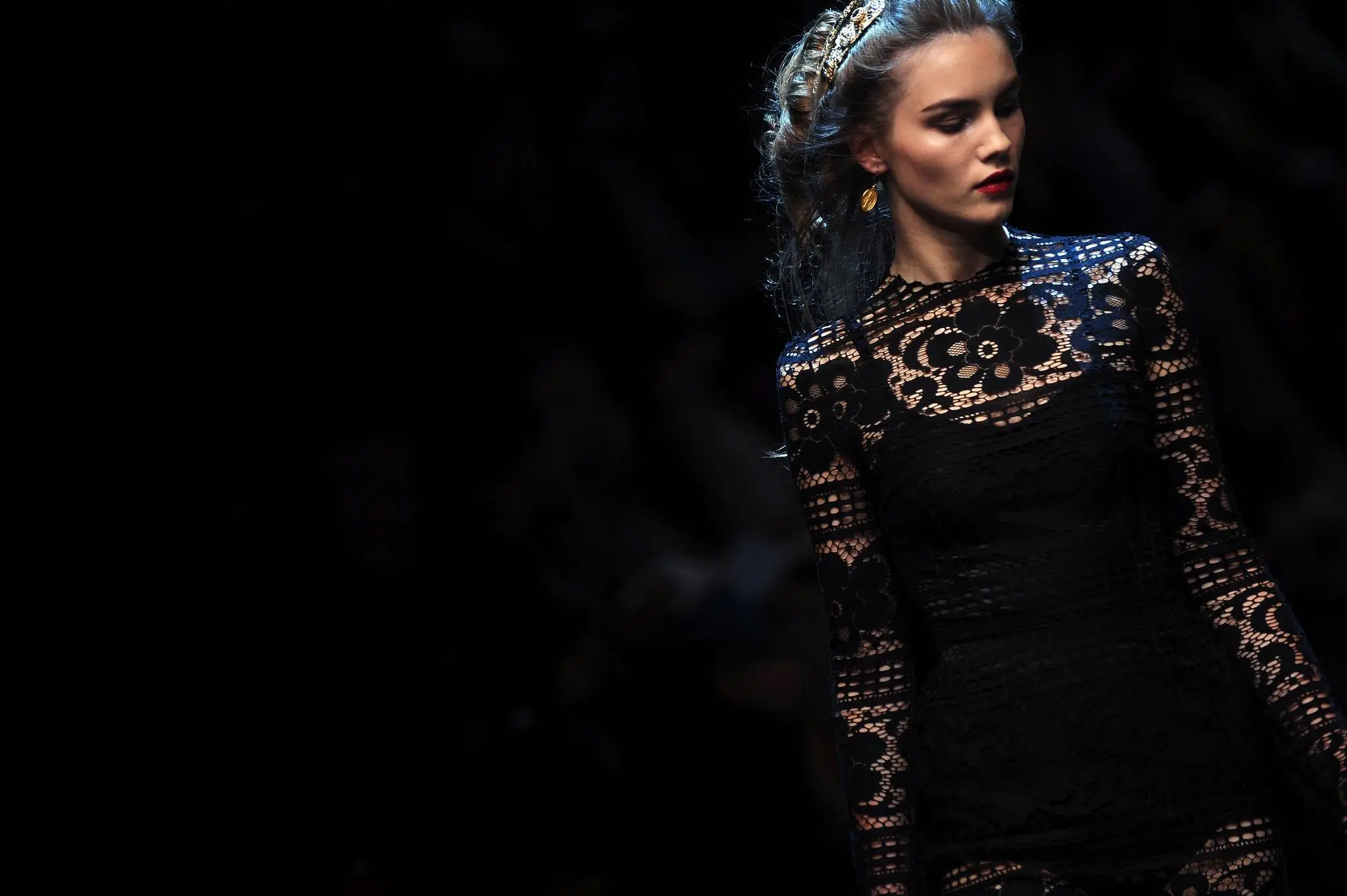
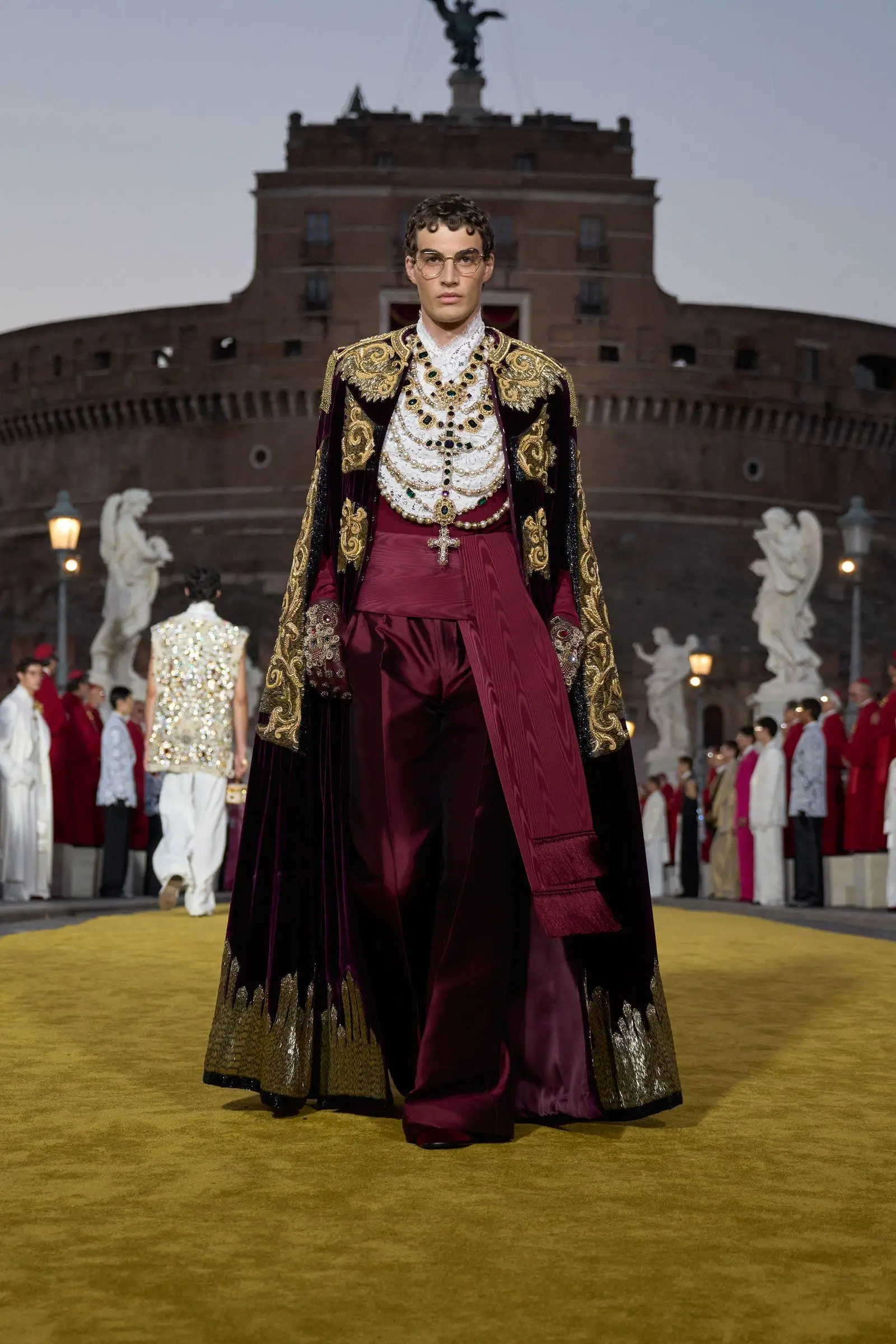
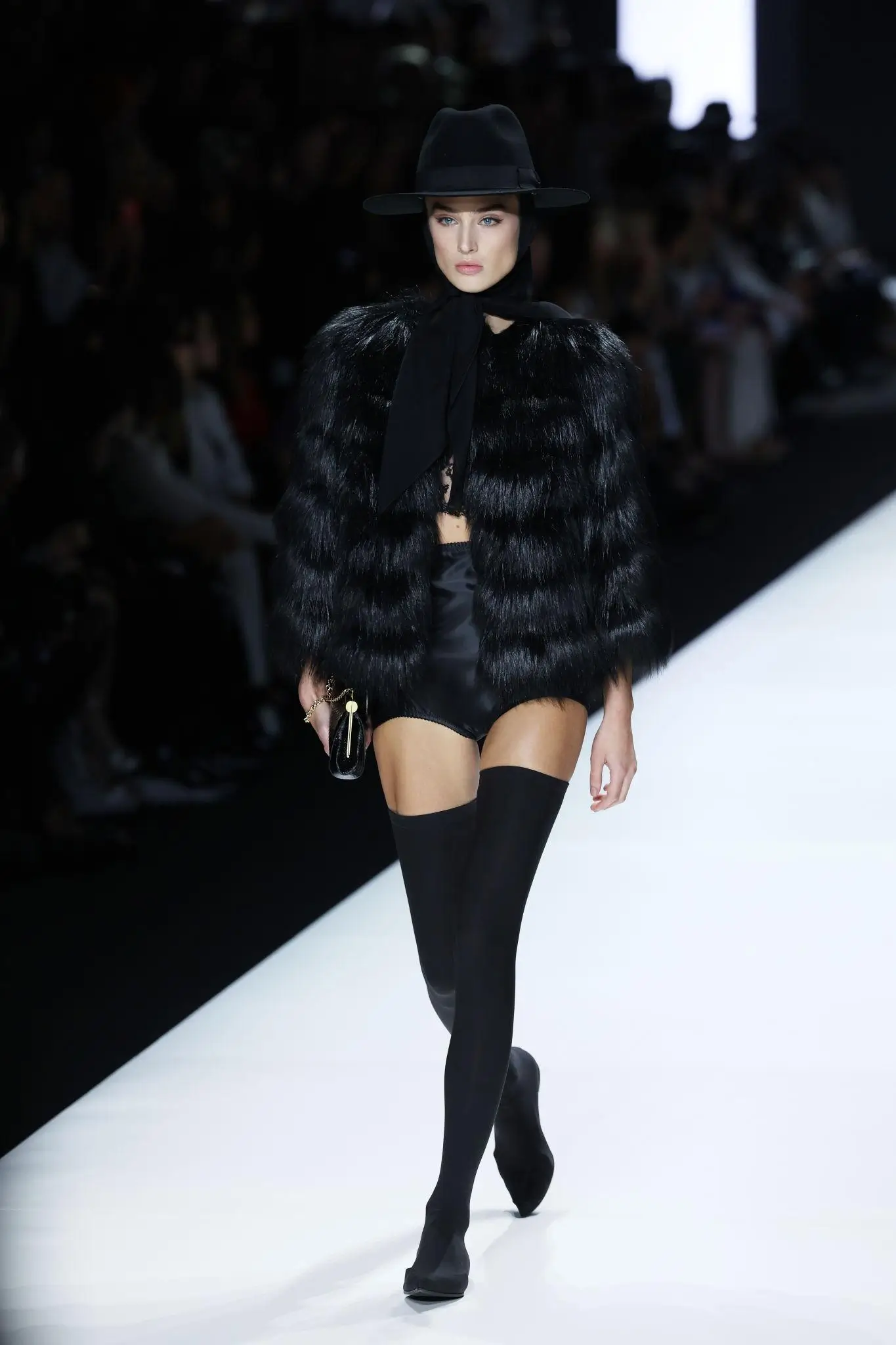
Together, they constructed not just a brand, but an ecosystem of imagery: Sicilian widowhood rendered in black lace, Catholic iconography refracted through baroque excess, Mediterranean sensuality amplified into a kind of operatic realism. Their work has always existed in excess—of emotion, of texture, of narrative.
This is important context. Because when one half of such a partnership alters his formal role, the question is not simply “who leads?” but “how does the narrative redistribute itself?”
Does the house become quieter? More controlled? Less reactive?
Or does it double down on the codes it has already written into fashion history?
show
Dolce & Gabbana has never operated within the safety of neutrality. The brand’s history is punctuated by moments of controversy—statements, campaigns, and cultural missteps that have sparked global backlash. In many of these instances, Gabbana’s voice has been central, particularly through social media, where immediacy often overrides institutional filtering.
To step away from the chairman role may also be read through this lens: as a strategic distancing of governance from volatility. Not a silencing, but a buffering.
Haute in 2026 operates under a different set of expectations than it did even a decade ago. Cultural accountability, global sensitivity, and digital scrutiny have reshaped how brands must behave. Independence no longer guarantees insulation.
In that context, restructuring leadership is not merely internal housekeeping—it is external signaling.
It suggests awareness. Adjustment. A recognition that the mechanisms of control must evolve alongside the culture they operate within.
indie
Remaining independent in the modern opulent landscape is both a strength and a constraint. It allows for creative autonomy, for decisions that are not filtered through shareholders or conglomerate boards. But it also requires a level of internal stability that conglomerates can outsource.
By stepping down as chairman, Gabbana may be enabling a more formalized structure—one that distributes operational responsibilities without diluting creative authorship.
This is not unprecedented. Many founder-led brands eventually reach a point where governance must separate from creation in order to sustain scale. The challenge is doing so without fracturing identity.
Dolce & Gabbana’s identity is particularly fragile in this regard, because it is so deeply tied to the personalities of its founders. Unlike houses that can rotate creative directors, this is a brand that has always been inseparable from its creators.
Which raises a critical question: can the house evolve structurally without altering its emotional core?
role
If Gabbana’s step back reconfigures the visible hierarchy, it inevitably sharpens the focus on Domenico Dolce. Not as a replacement, but as a stabilizing axis.
Dolce has historically operated with a quieter presence, one less entangled with public discourse and more anchored in craft. In moments of transition, that kind of presence becomes valuable. It offers continuity without escalation.
But continuity is not the same as stasis. The house will still need to navigate a rapidly shifting industry—one where digital culture, sustainability pressures, and generational shifts in taste are redefining luxury.
Dolce’s role, then, is not simply to maintain. It is to translate.
To carry forward the codes of the house while allowing them to be reinterpreted for a new context.
position
There is a temptation to read leadership changes as reactive—as responses to pressure or decline. But in many cases, they are preemptive. Strategic moves designed to position a brand for its next phase before external forces demand it.
Dolce & Gabbana has spent the past decade expanding beyond traditional fashion into areas such as Alta Moda experiences, home collections, and even early explorations into digital fashion and NFTs. The brand has shown a willingness to experiment, even when those experiments have been polarizing.
Stepping down from the chairman role may be part of a broader repositioning—one that prepares the house for a future where its founders are not the sole visible anchors.
Not absent. But less singular.