Everlast × Palm Angels: Conor Benn’s Fight Night Kit and the Discip

April 11, 2026
1 hour ago
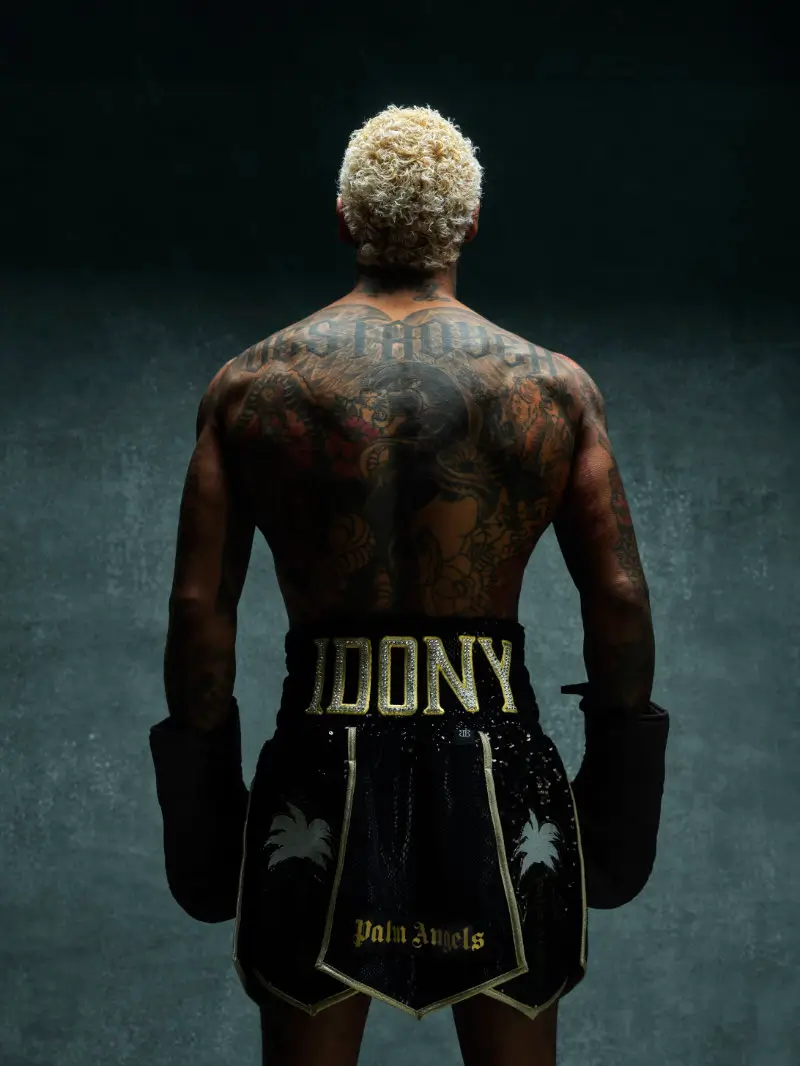
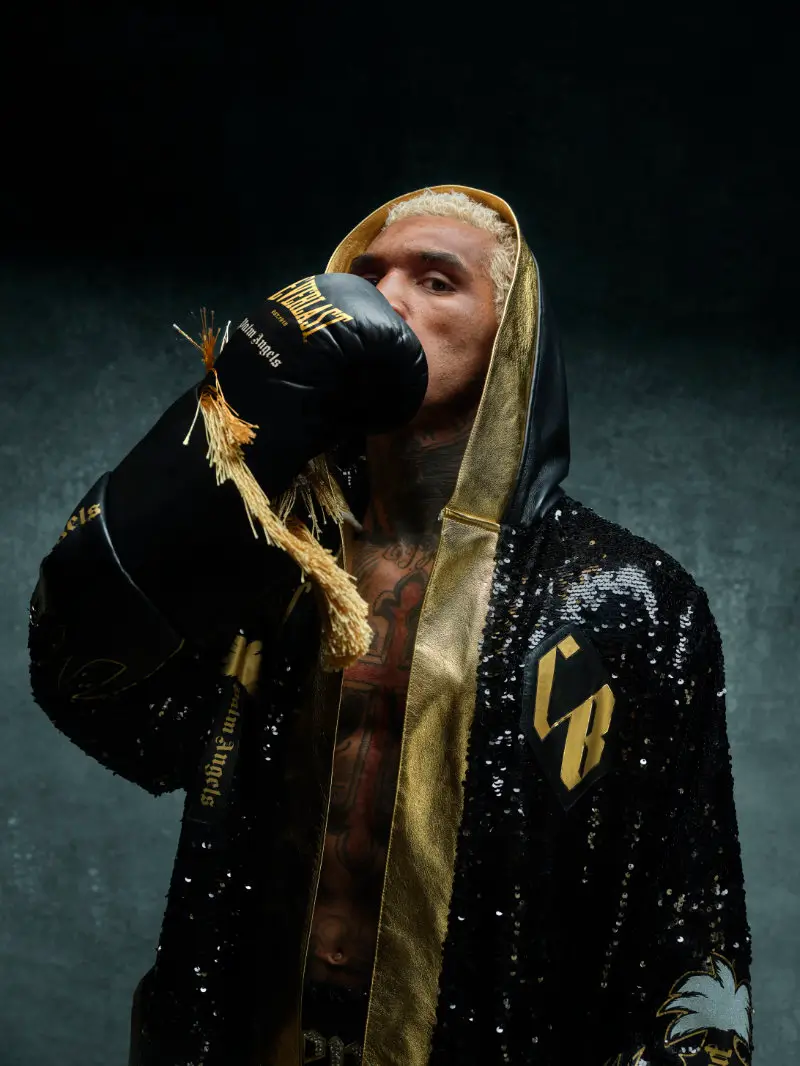
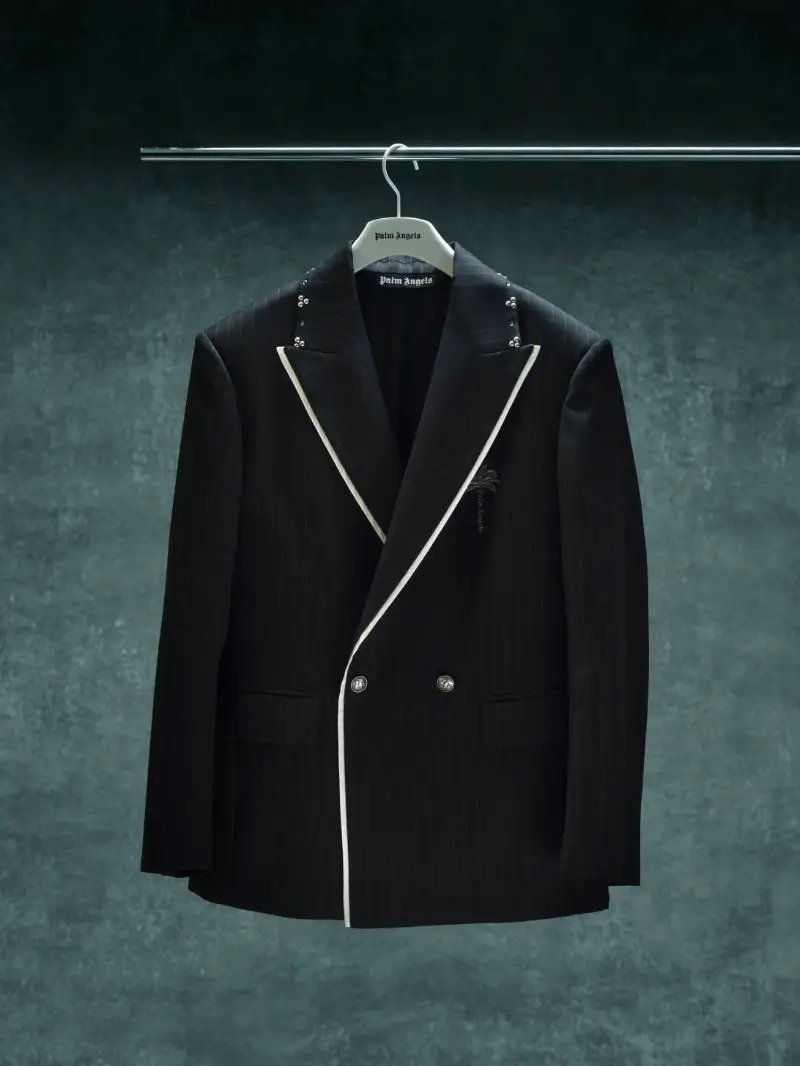
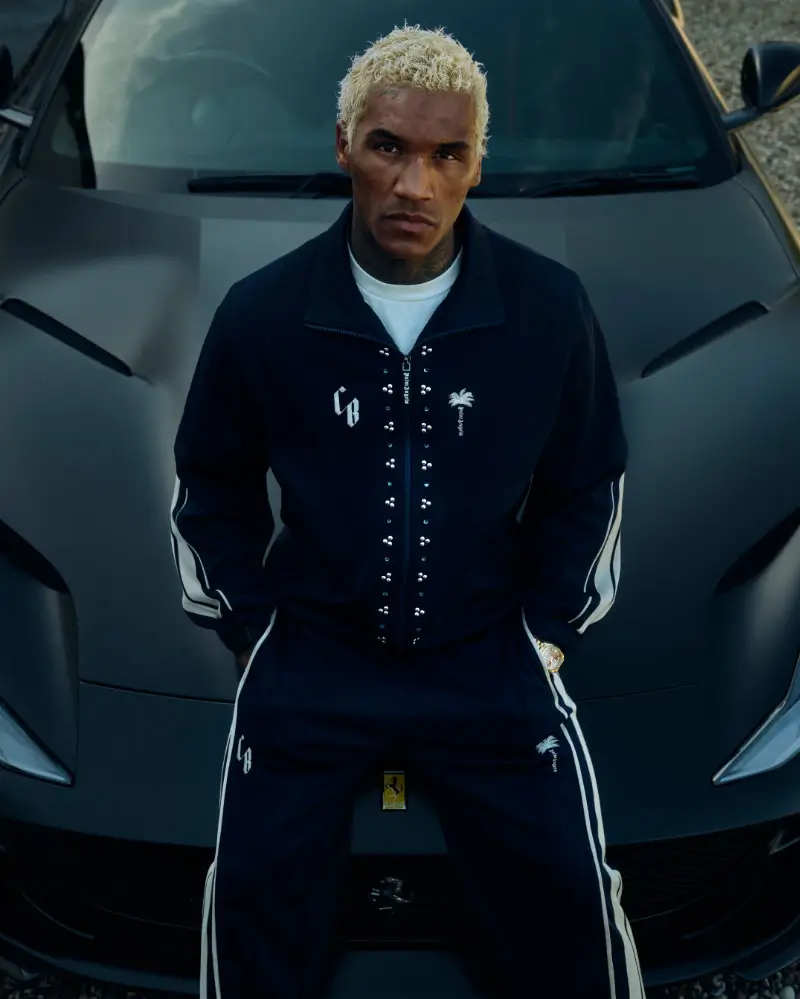
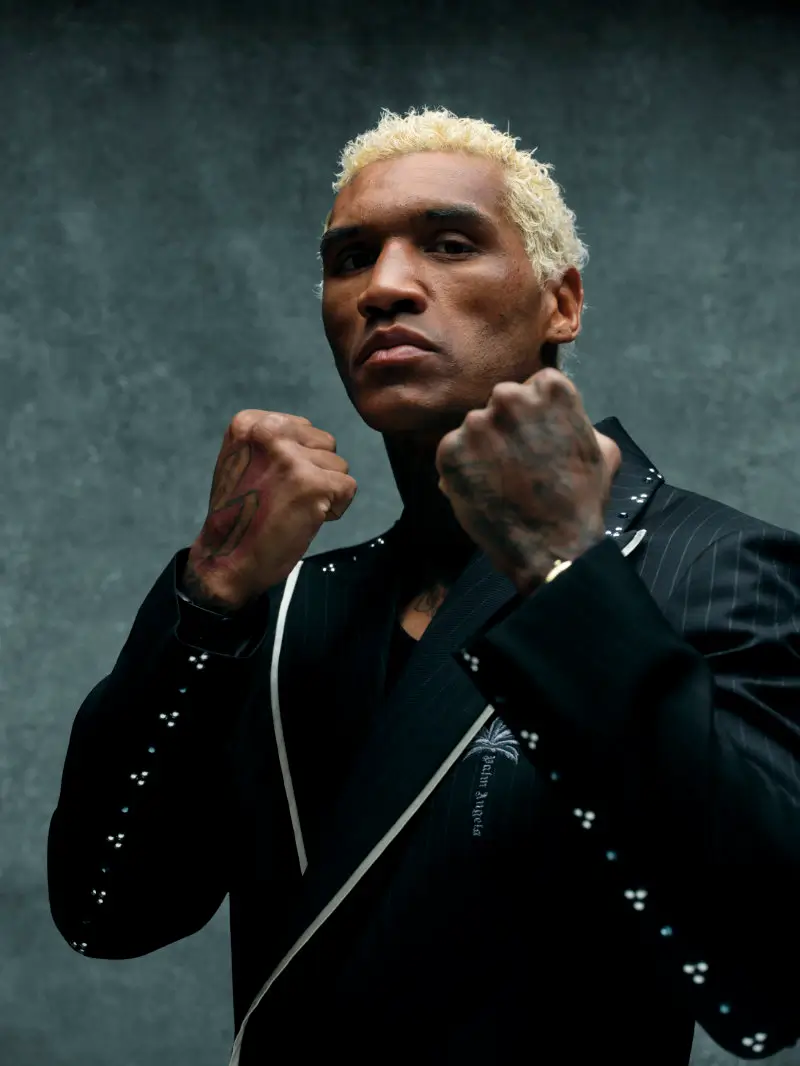
The ring doesn’t begin at the first punch. It begins in the corridor—lights low, shoulders set, fabric moving before the body does. That moment, suspended between preparation and collision, has always carried its own language. With Everlast and Palm Angels stepping into alignment for Conor Benn, that language is tightened, sharpened, made deliberate.
This is not a crossover in the casual sense. It is a recalibration of fight night itself—where garment, persona, and performance lock into a single system. Nothing here reads as accessory. Everything participates.
idea
Boxing has always understood clothing differently than most sports. A robe is not simply outerwear; it is distance, delay, presence. Gloves are not just equipment; they are the extension of intent. Trunks, often overlooked, become the field on which identity is projected—movement translating into silhouette with every step, every pivot.
The Everlast × Palm Angels kit doesn’t interrupt that structure. It intensifies it.
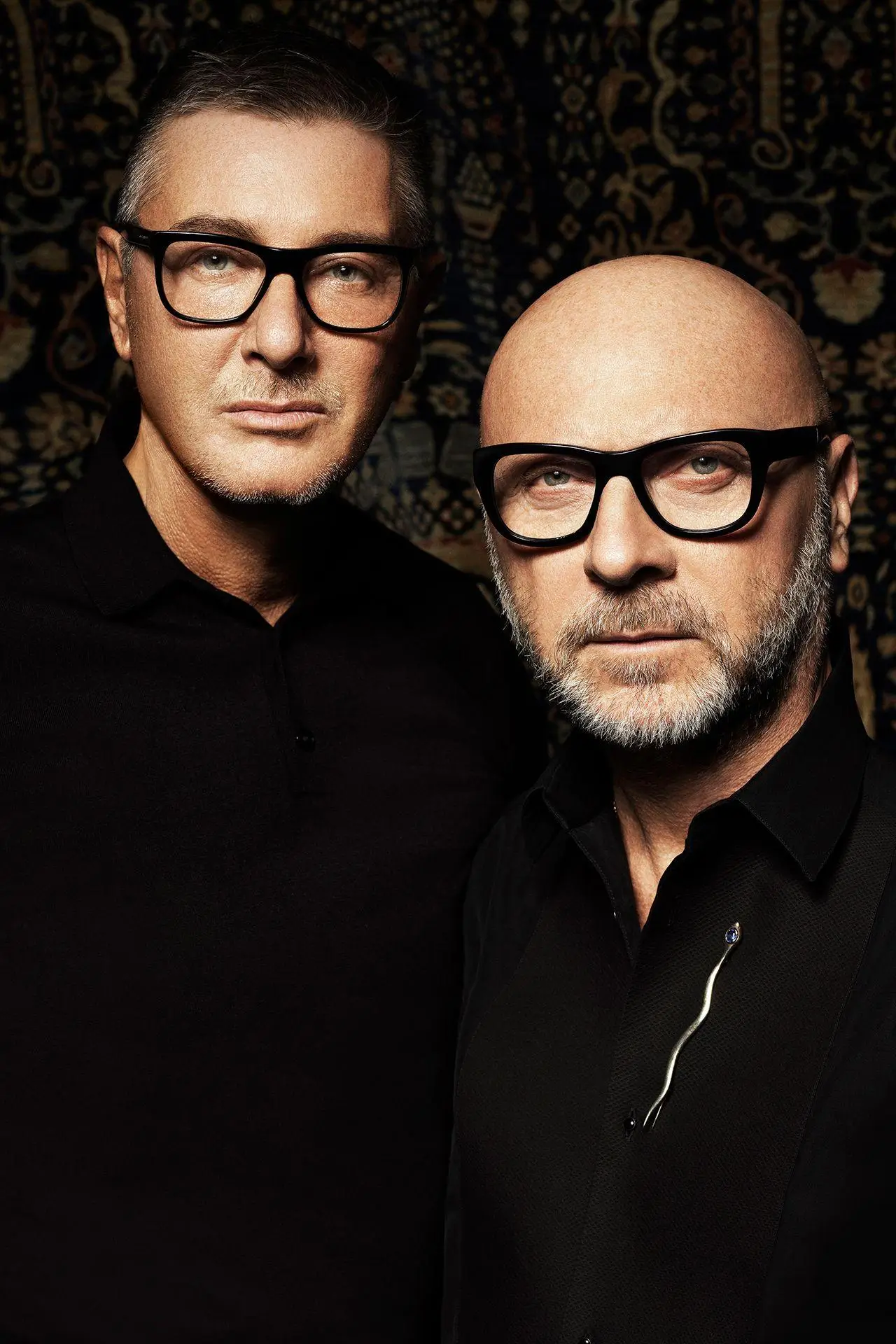
Palm Angels, under Francesco Ragazzi, has built its vocabulary on recontextualization—lifting symbols from subculture, sport, and Americana, then re-framing them with precision rather than excess. Everlast, by contrast, operates on authority. Its presence in boxing is not aesthetic—it is foundational, almost infrastructural.
The collision finds its tension here: one brand edits image, the other enforces function. The Benn kit becomes the meeting point.
View this post on Instagram
ctrl
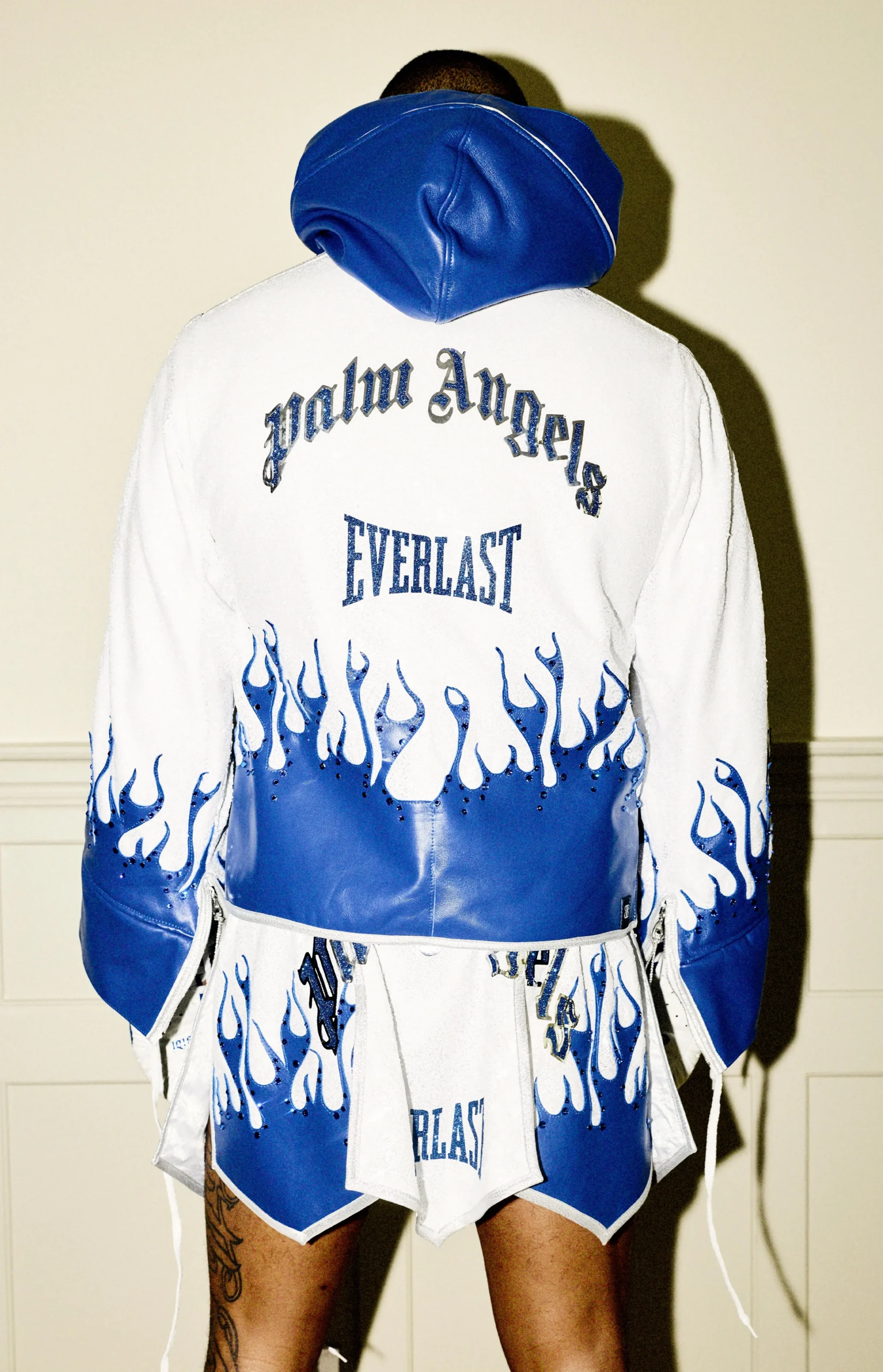
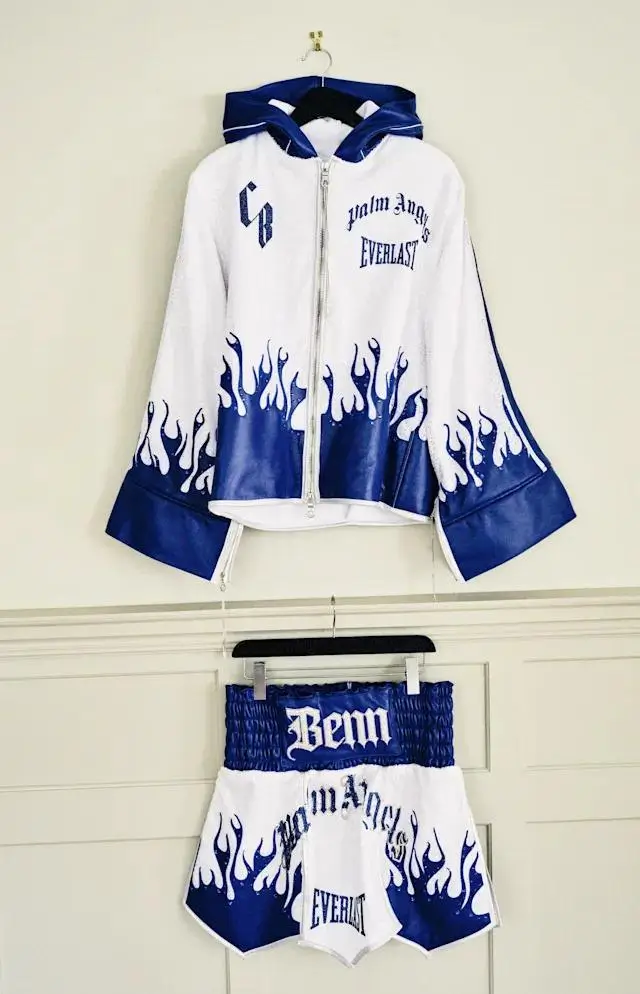
The robe holds the longest moment of view. It carries the walk, the pause, the stare-down before gloves touch. In this iteration, the robe does not overreach. It doesn’t inflate into spectacle. Instead, it sharpens its surface.
Cut with discipline, it moves with restraint—neither oversized nor restrictive. The fabric holds light differently, catching flashes without reflecting them outright. Branding is present, but contained. Everlast anchors the piece; Palm Angels reframes it.
The balance matters. Too much expression, and the robe becomes costume. Too little, and it dissolves into neutrality. Here, it sits in between—recognizable, but not predictable.
When Benn walks, the robe doesn’t trail behind him. It follows with intent.
extent
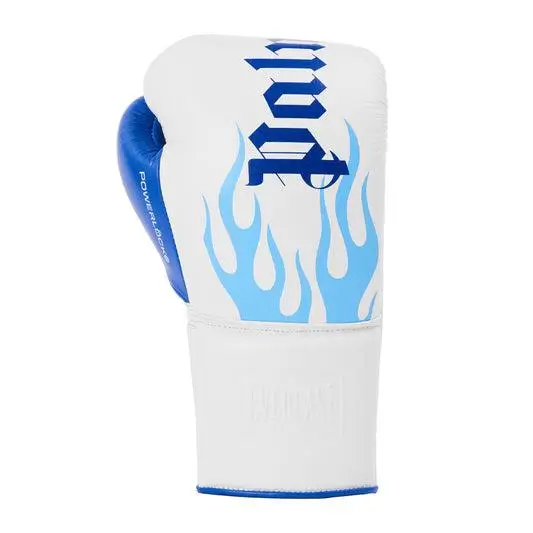
Gloves in this context resist reinterpretation more than any other element. Their function is absolute. Weight, balance, padding—these are not negotiable.
Palm Angels does not attempt to disrupt that. Instead, it works within the margins.
The surface becomes the site of intervention. Branding is re-scaled, repositioned, but never allowed to compromise grip or structure. The leather retains its density, its tension. The glove still reads first as Everlast—reliable, tested, built for impact.
What changes is how it registers saw. Under lights, under motion, it carries an additional layer of meaning—less about decoration, more about framing the strike itself.
A punch lands the same. It just looks different doing it.
view
If the robe defines the entrance, the trunks define the fight.
Palm Angels approaches this with an understanding of movement. Fabric shifts constantly in the ring—twisting, folding, catching air. Graphics placed incorrectly distort, collapse, lose clarity. Here, placement is controlled.
Logos sit where they can withstand motion. Patterns are scaled to remain legible even as the body accelerates. Fringe, if present, doesn’t exaggerate—it follows the rhythm of movement rather than leading it.
The silhouette stays close enough to tradition to avoid distraction. This is critical. A fighter cannot think about what they are wearing once the bell rings. The kit must disappear into performance.
And yet, it doesn’t fully disappear. It leaves a trace—a visual residue that lingers in how the fight is remembered.
View this post on Instagram
accessory
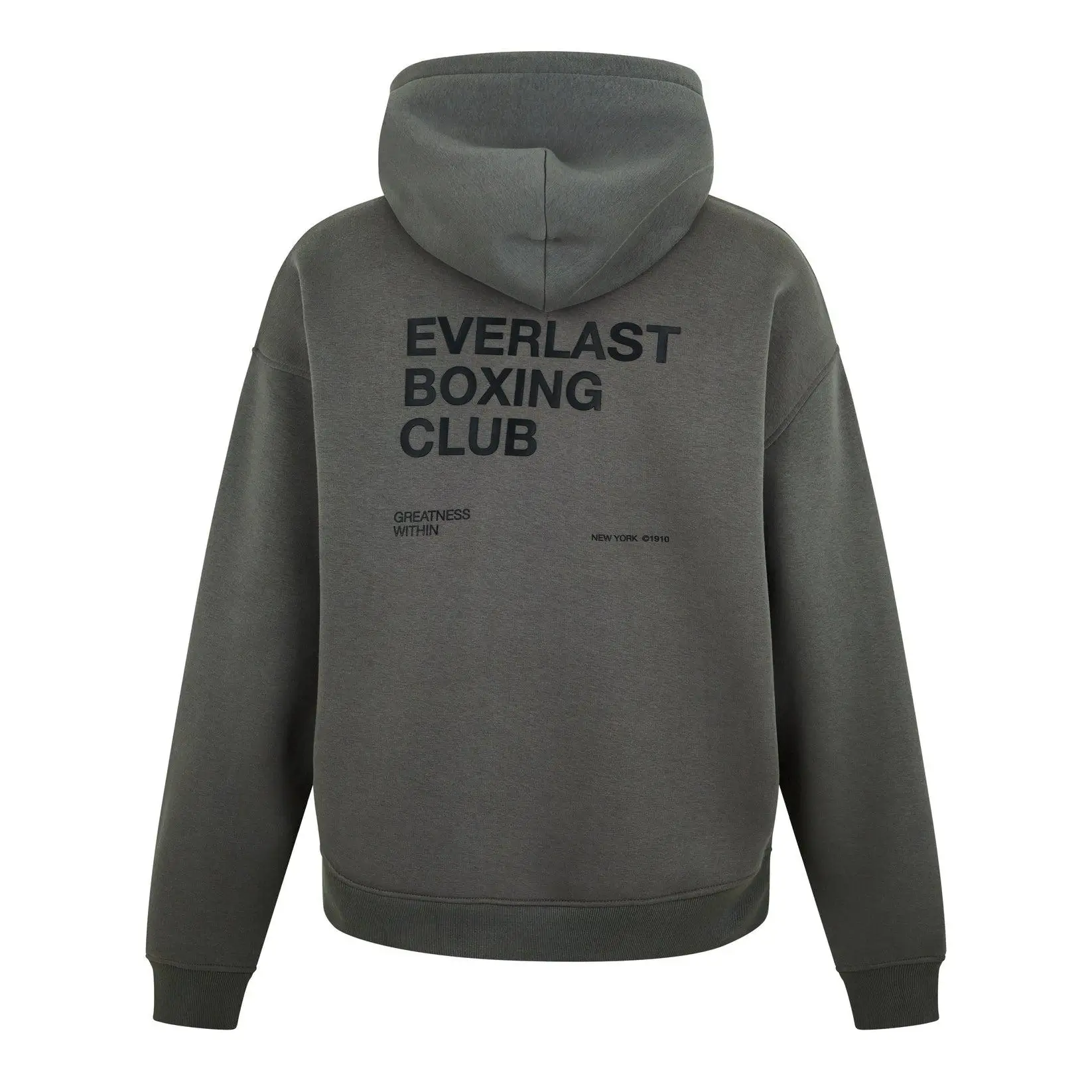
The collab extends beyond fight night into training—hoodies, warm-ups, pieces designed for repetition rather than spectacle.
This is where Palm Angels’ influence becomes more pronounced. The garments carry the same visual codes, but loosen slightly—allowing for wear beyond the gym without losing coherence.
Everlast ensures that function remains intact. Fabrics breathe where they need to. Cuts allow for range of motion. Nothing interferes with the routine.
The system holds. Whether in the ring or outside it, the language remains consistent.
leg
To understand the kit fully, it has to be read through Benn himself.
The weight of lineage is unavoidable—son of Nigel Benn, a name that carries its own mythology within British boxing. But this collaboration does not lean into nostalgia. It doesn’t attempt to recreate or reference directly.
Instead, it positions Conor Benn as a continuation that resists replication.
The kit reflects that stance. It acknowledges tradition—through Everlast, through the structure of boxing attire—but refuses to settle into it. Palm Angels introduces a slight disruption, enough to signal difference without severing connection.
Benn becomes the mediator. The kit becomes the expression.
theory
Fashion’s relationship with boxing has historically been external—photography, campaigns, editorial reinterpretations that orbit the sport rather than entering it.
This collaboration shifts that dynamic inward.
Palm Angels doesn’t stand outside the ring observing. It operates within the constraints of the sport itself—working through equipment, through garments that must perform under pressure.
This is a different kind of authorship. It requires restraint. It demands an understanding that not every idea can be realized if it interferes with function.
The success of the kit lies in that discipline. It knows where to stop.
shape
Fight night is condensed. Every element—lighting, sound, movement—operates under intensity. There is no space for excess. Anything unnecessary is stripped away by the pace of the event.
The Everlast × Palm Angels kit understands this economy.
It doesn’t attempt to compete with the spectacle of the fight itself. It supports it. It frames it. It sharpens its edges without overwhelming them.
This is why the collaboration works. It respects the hierarchy of the moment.
The fight remains central. The kit amplifies, but never replaces.
2025 capsule btw
straddle
At its core, the collision exists between two forces:
- Everlast as authority—unchanging, foundational, tied to the mechanics of boxing
- Palm Angels as interpretation—fluid, responsive, concerned with how meaning is constructed
The tension between these forces is not resolved. It is maintained.
That tension is what gives the kit its clarity. It doesn’t collapse into either side. It holds both, allowing each to inform the other without dominance.
remain
When the fight ends, the garments don’t carry the same weight. The robe is removed. The gloves come off. The trunks return to stillness.
But the image persists.
This is where the collaboration extends beyond the immediate moment. It enters the archive—not as a standalone fashion piece, not as a purely functional kit, but as something that sits in between.
A record of how boxing can be seen differently without being changed entirely.
fin
The most telling aspect of the Everlast × Palm Angels collaboration is not how it looks in isolation, but how it holds under pressure.
Does the robe move correctly under lights?
Do the gloves perform without compromise?
Do the trunks remain stable through motion?
If the answer to any of these were no, the entire system would collapse.
It doesn’t.
Instead, it holds. Quietly, precisely, without needing to announce itself.
And in that restraint, it finds its strength.