Fred Perry Tonal Barrel Bag L7260 From Court Utility to Everyday Object

March 24, 2026
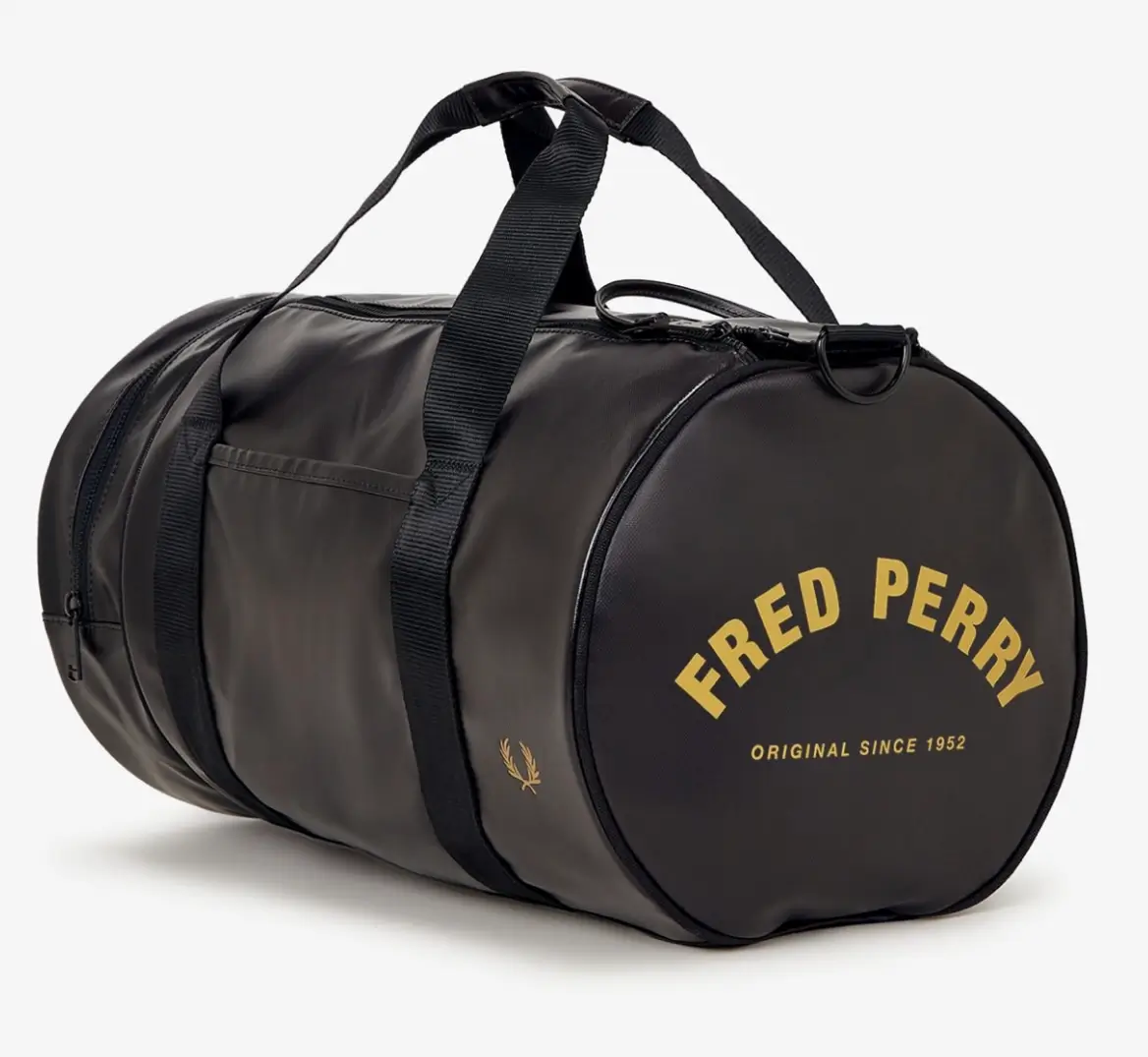
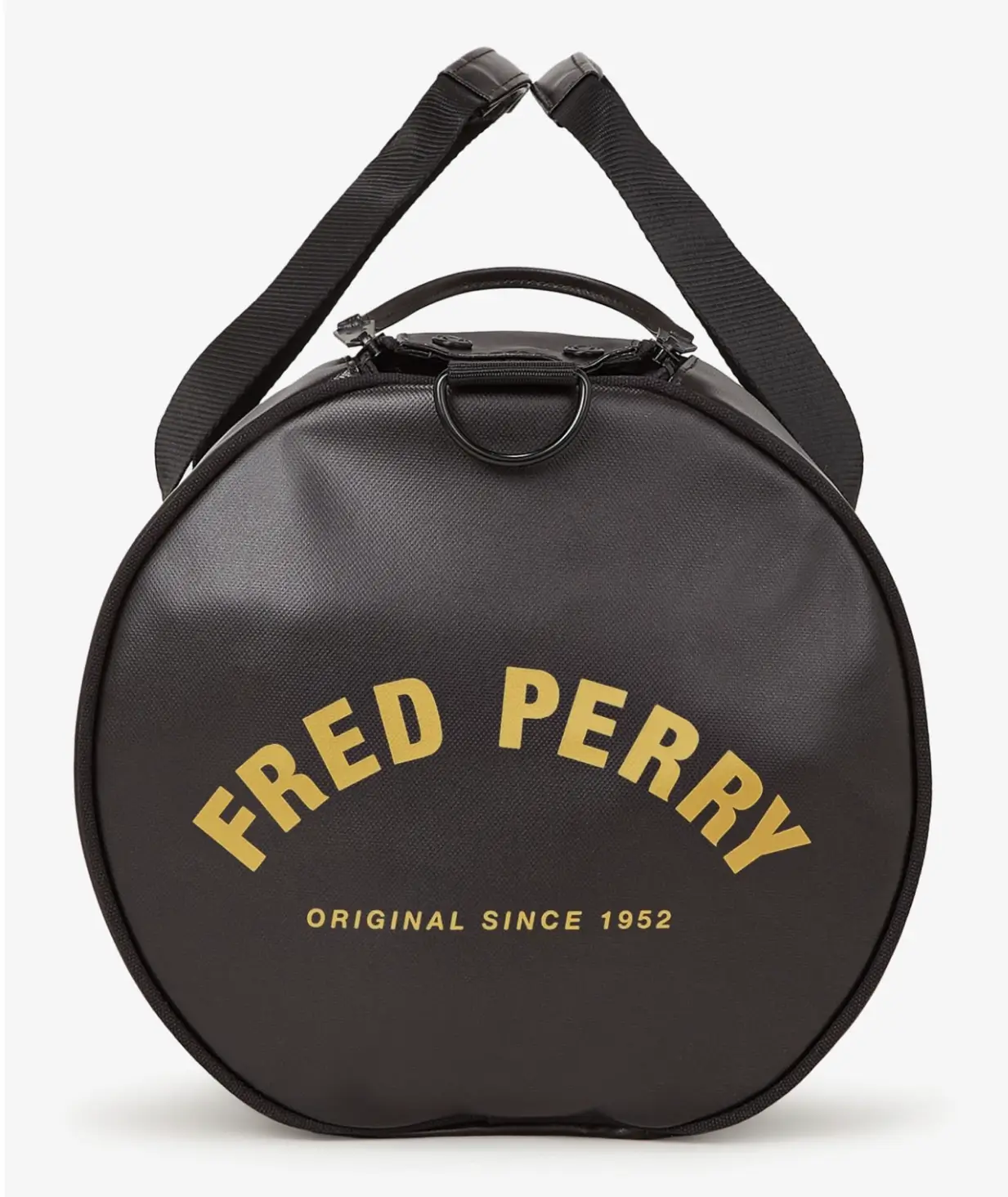
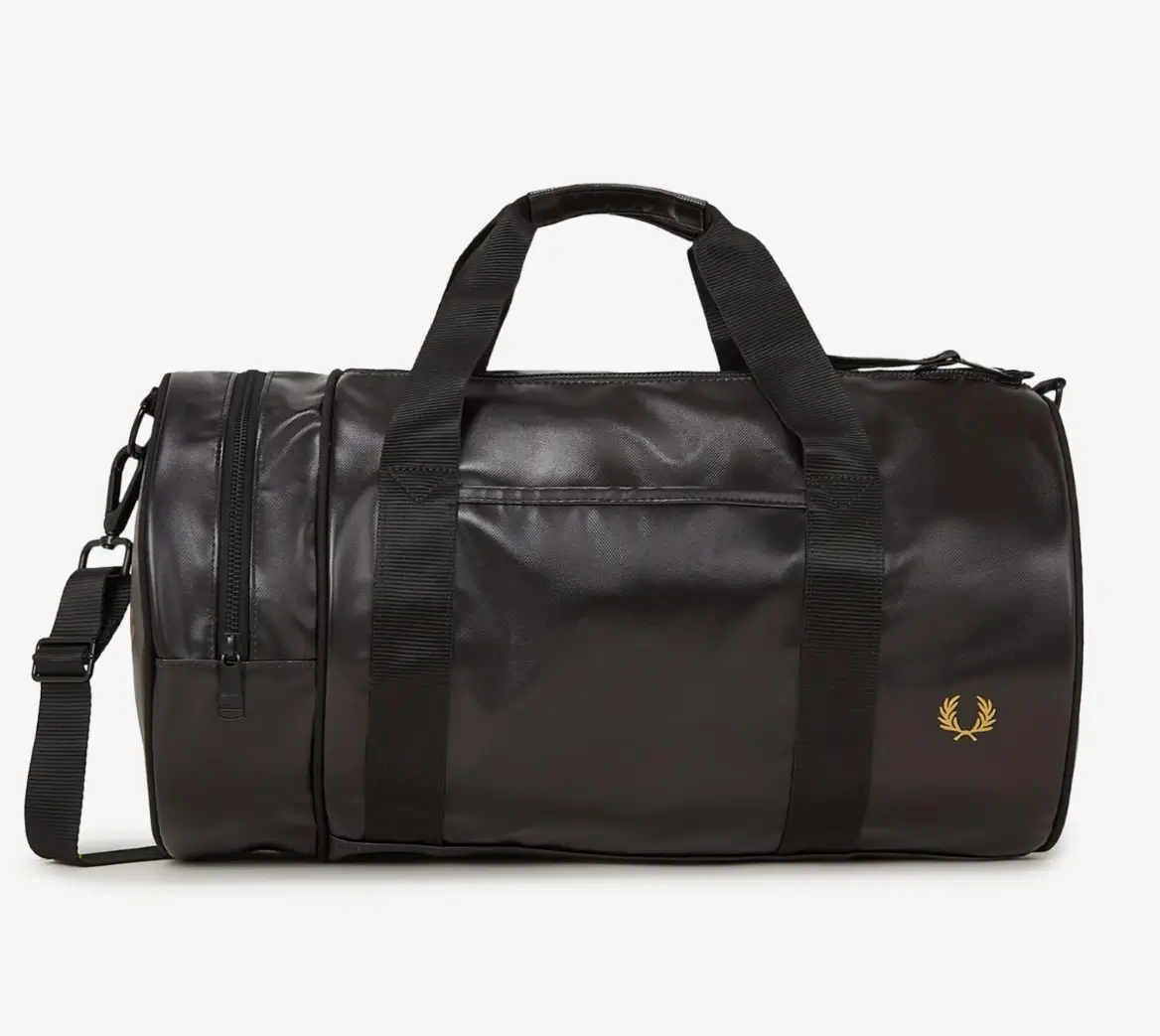
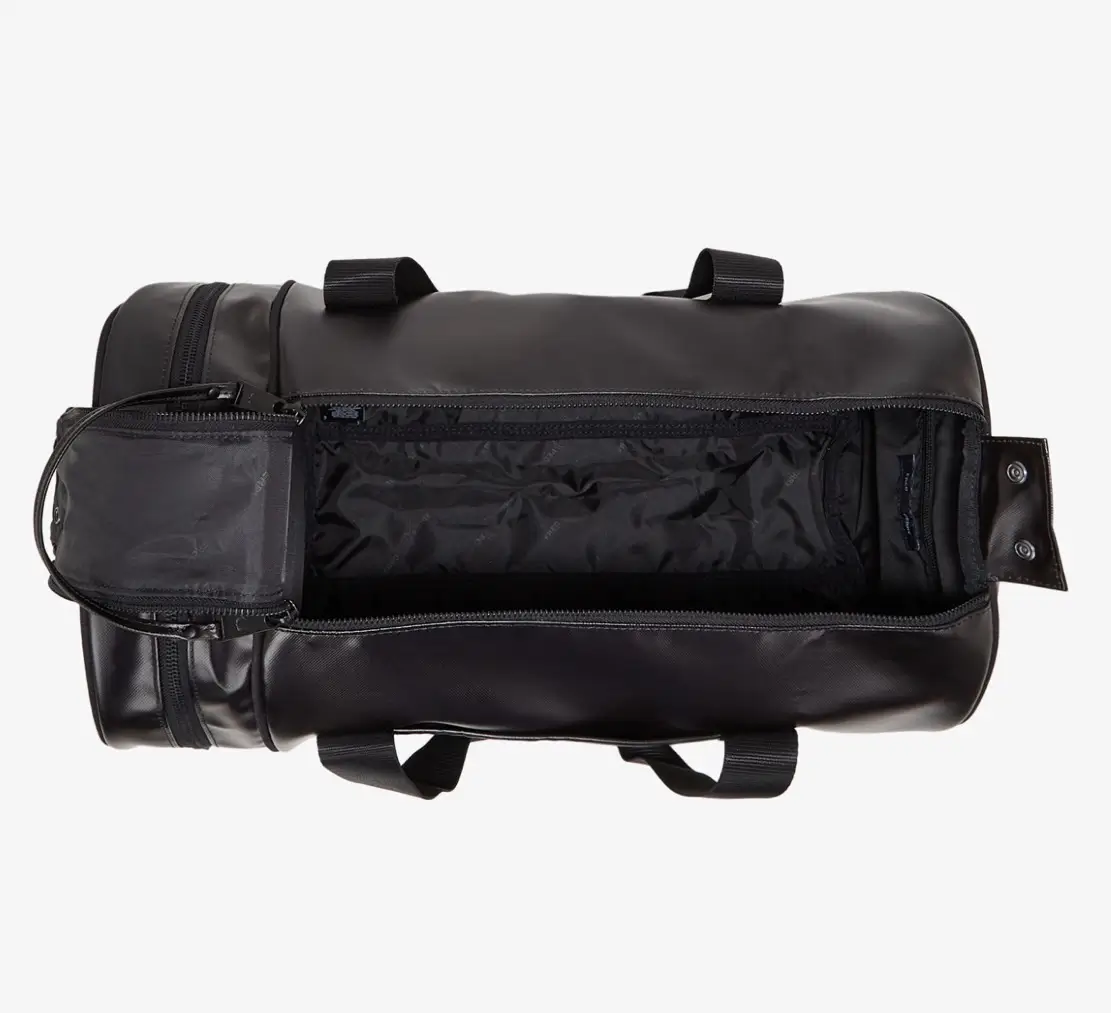
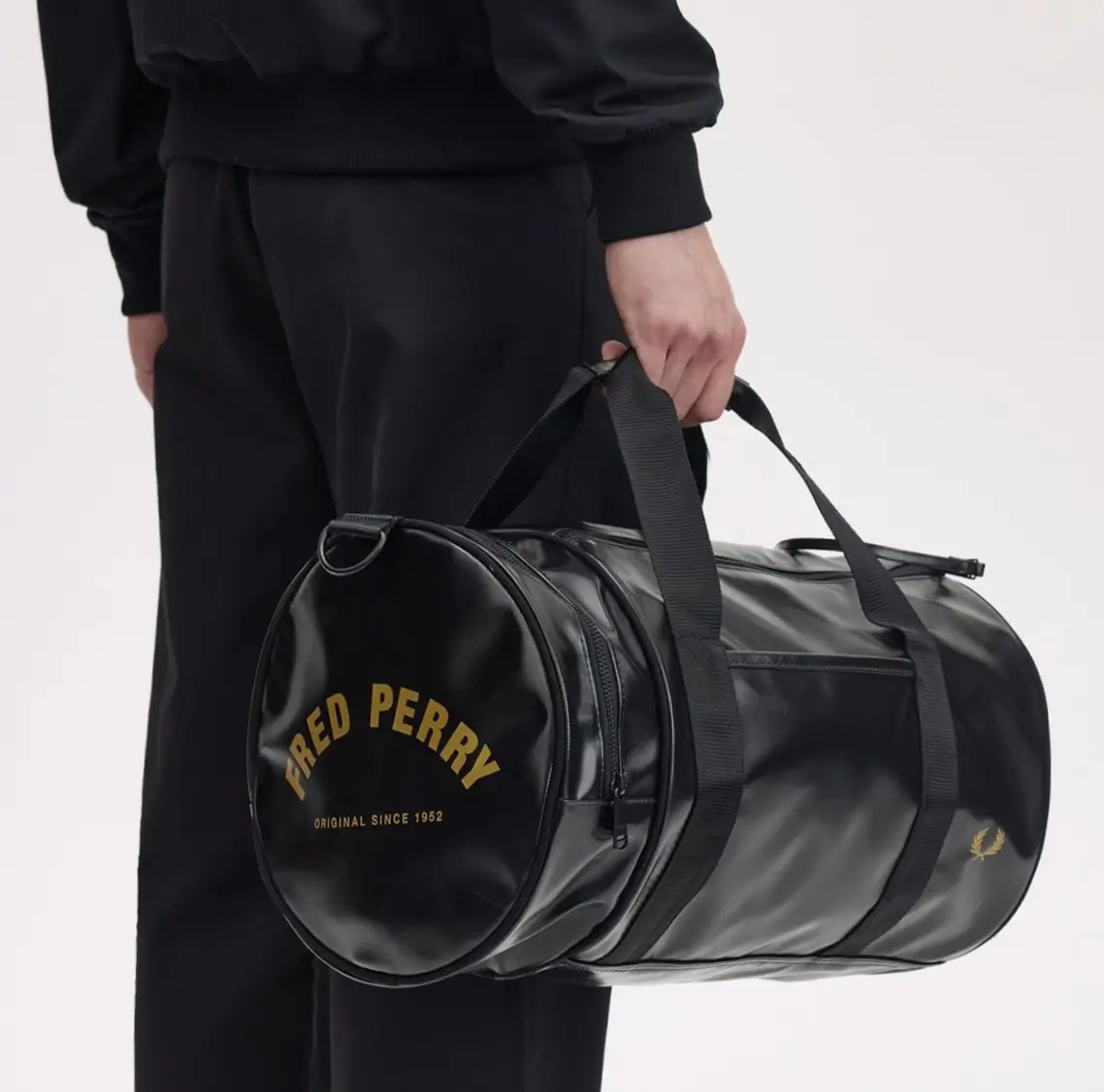
The barrel bag is one of those forms that rarely needs explanation. Its cylindrical structure has been in circulation for decades, most commonly associated with sport—carried to and from courts, gyms, and training grounds. It is practical by design, shaped by movement rather than display. In the case of the Tonal Barrel Bag L7260, that familiarity remains intact, but its presentation feels slightly more considered.
Within Fred Perry, the barrel bag is not a new proposition. It exists as part of a broader accessories lineage that draws directly from the brand’s sporting origins. What the L7260 seems to do is refine that lineage rather than reinterpret it entirely. The proportions feel balanced, the silhouette resolved, and the overall impression is one of continuity rather than disruption.
There’s no attempt to push the form into something unfamiliar. Instead, the bag leans into what already works, allowing small adjustments—particularly in tone and finish—to carry the sense of progression.
flow
One of the more noticeable aspects of the L7260 is its tonal approach. Rather than relying on contrast—something Fred Perry has historically used with precision—the bag keeps its palette tightly controlled. This has the effect of softening the overall read.
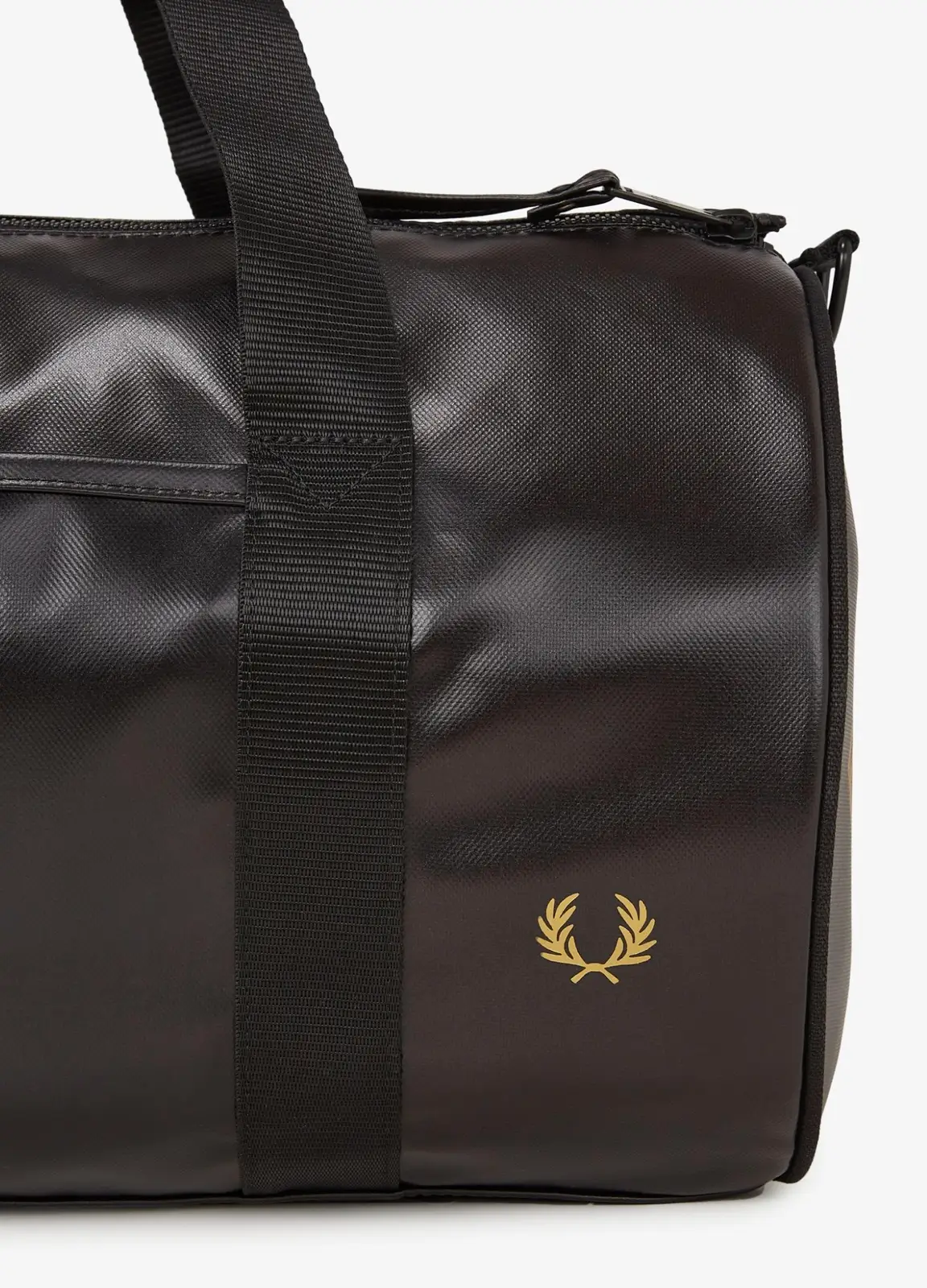
Without strong visual interruptions, the eye moves more gradually across the surface. Details that might otherwise go unnoticed begin to register: the curve of the body, the alignment of the seams, the way the handles integrate into the structure. None of these elements are exaggerated, but together they create a sense of cohesion.
The laurel wreath, a defining marker of the brand, is still present, though often rendered in a way that doesn’t immediately command attention. It may be embossed, debossed, or simply matched closely in tone. This doesn’t diminish its significance; if anything, it shifts how it’s perceived. Recognition becomes quieter, less immediate, and perhaps more intentional.
This tonal restraint feels aligned with a broader movement in contemporary design—one that values continuity and material expression over overt branding.
View this post on Instagram
day
The materials used in the L7260 appear to follow a practical logic. Whether executed in coated fabric or synthetic leather, the emphasis is on durability and ease of use. The surface tends to resist wear in a visible way, while still allowing for gradual softening over time.
There’s a balance here that feels deliberate. The bag maintains enough structure to hold its cylindrical shape, but it doesn’t feel rigid. It can accommodate the irregularities of daily use—being set down, packed unevenly, carried in motion—without losing its overall form.
Handles and straps are reinforced where needed, though this reinforcement is integrated rather than highlighted. The transitions between components are smooth, avoiding unnecessary segmentation. Again, the focus seems to be on continuity.
Over time, the material is likely to develop small variations—subtle creases, shifts in finish, areas of wear that correspond to how the bag is used. These changes don’t feel like flaws. They read more as a natural extension of the object’s life cycle.
struct
There’s a certain restraint in how the L7260 is put together. The construction is precise, but not something that calls attention to itself. Stitching is typically tonal, seams are placed with care, and the overall assembly avoids visual noise.
The cylindrical body appears to be formed with minimal paneling, which helps maintain a clean surface. Where seams are necessary, they follow the logic of the shape, aligning with its geometry rather than interrupting it.
The ends of the bag—often a point of tension in barrel designs—are resolved in a way that preserves the circular form without distortion. This suggests a level of attention that, while not immediately visible, contributes to the bag’s overall coherence.
Zippers and closures are similarly understated. They provide access without dominating the design, often integrated along the top line in a way that feels intuitive. The hardware, when present, is subdued—matte or tonal finishes that align with the rest of the bag.
stir
What’s interesting about the L7260 is how it moves between contexts. Its origins are clearly rooted in sport, yet it doesn’t feel limited to that space. The tonal execution allows it to sit comfortably within a broader wardrobe.
It can function as a gym bag, certainly, but it doesn’t look out of place in more everyday settings—commuting, short travel, or general use. This flexibility has long been part of Fred Perry’s appeal. The brand’s pieces often exist in a space where they can be read in multiple ways, depending on how they’re used.
The barrel bag, in this sense, becomes less about a specific activity and more about adaptability. Its form remains constant, but its meaning shifts slightly depending on context.
continue
To understand the L7260 more fully, it helps to consider the broader trajectory of Fred Perry. Since its founding by Fred Perry, the brand has maintained a relatively consistent design language.
Rather than pursuing constant reinvention, it has tended to revisit and refine existing forms. The tennis shirt, the track jacket, the polo—these are not radically reimagined each season. They are adjusted, recalibrated, and recontextualized.
The L7260 fits into this pattern. It doesn’t attempt to redefine what a barrel bag can be. Instead, it aligns with the brand’s preference for incremental change. The tonal shift, the subtle integration of branding, the refinement of materials—these are small moves, but they accumulate.
This approach has allowed Fred Perry to remain relevant without losing its identity. The bag, in this sense, is less a standalone statement and more a continuation of an established vocabulary.
View this post on Instagram
symb
Even in a tonal context, the laurel wreath carries weight. It is one of the more recognizable symbols in fashion, though its meaning has evolved over time. Initially tied to athletic achievement, it later became associated with various subcultures, each adopting it in different ways.
On the L7260, the logo is present but not emphasized. It sits within the design rather than on top of it. This placement feels consistent with the bag’s overall restraint.
For those familiar with the brand, the symbol remains legible. For others, it may simply register as a detail—one element among many. This dual readability allows the bag to function across different levels of recognition.
distance
One of the quieter strengths of the L7260 is how it accommodates use over time. It doesn’t feel overly precious. It’s designed to be handled, carried, and integrated into daily routines.
As it’s used, the bag is likely to change in small ways. The structure may soften slightly, the surface may develop variations, and certain areas may show signs of wear. These changes don’t undermine the design; they add to it.
In a tonal object, these shifts are less disruptive. Because the palette is already controlled, variations tend to blend rather than stand out. The bag evolves without losing its coherence.
This quality aligns with a broader appreciation for objects that age gradually, rather than those that aim to remain unchanged.
fwd
There’s a tendency in accessories to operate as focal points—to draw attention, to signal something immediately. The L7260 doesn’t seem particularly interested in that role.
Its presence is more understated. It complements rather than dominates, integrates rather than interrupts. This doesn’t make it invisible, but it does change how it’s perceived.
In many ways, it reflects a shift in how certain objects are valued. Instead of seeking immediate recognition, they offer something more gradual—an experience that unfolds over time.
sum
The Tonal Barrel Bag L7260 feels less like a departure and more like a continuation. It builds on a familiar form, adjusts it slightly, and presents it within a tonal framework that emphasizes cohesion.
Within the context of Fred Perry, this approach makes sense. The brand has long operated through refinement rather than reinvention, and the bag follows that pattern.
What emerges is an object that is easy to place but still worth considering. It doesn’t rely on novelty or excess to justify itself. Instead, it offers a measured balance of form, material, and function—one that becomes more apparent the longer it’s used.
If anything, the L7260 suggests that design doesn’t always need to be assertive to be effective. Sometimes, it’s enough for an object to be resolved, to fit within its context, and to leave room for the person using it to define how it’s experienced.