Fuseproject Reimagines the Montblanc Pen for the Digital Age

March 14, 2026
myth
For more than a century, the name Montblanc has been synonymous with the ritual of writing. The act of uncapping a Meisterstück fountain pen carries a weight that is both tactile and symbolic. Ink on paper remains one of the most enduring gestures of authorship—one that bridges literature, business, and personal memory.
Yet writing itself has changed.
Where once letters and manuscripts filled notebooks, today ideas often begin on tablets, phones, or cloud documents. The physical page has given way to the digital canvas, and the pen has increasingly become a stylus.
The challenge facing heritage brands like Montblanc is how to remain culturally relevant in a world where writing is no longer tied exclusively to paper.
Enter Fuseproject.
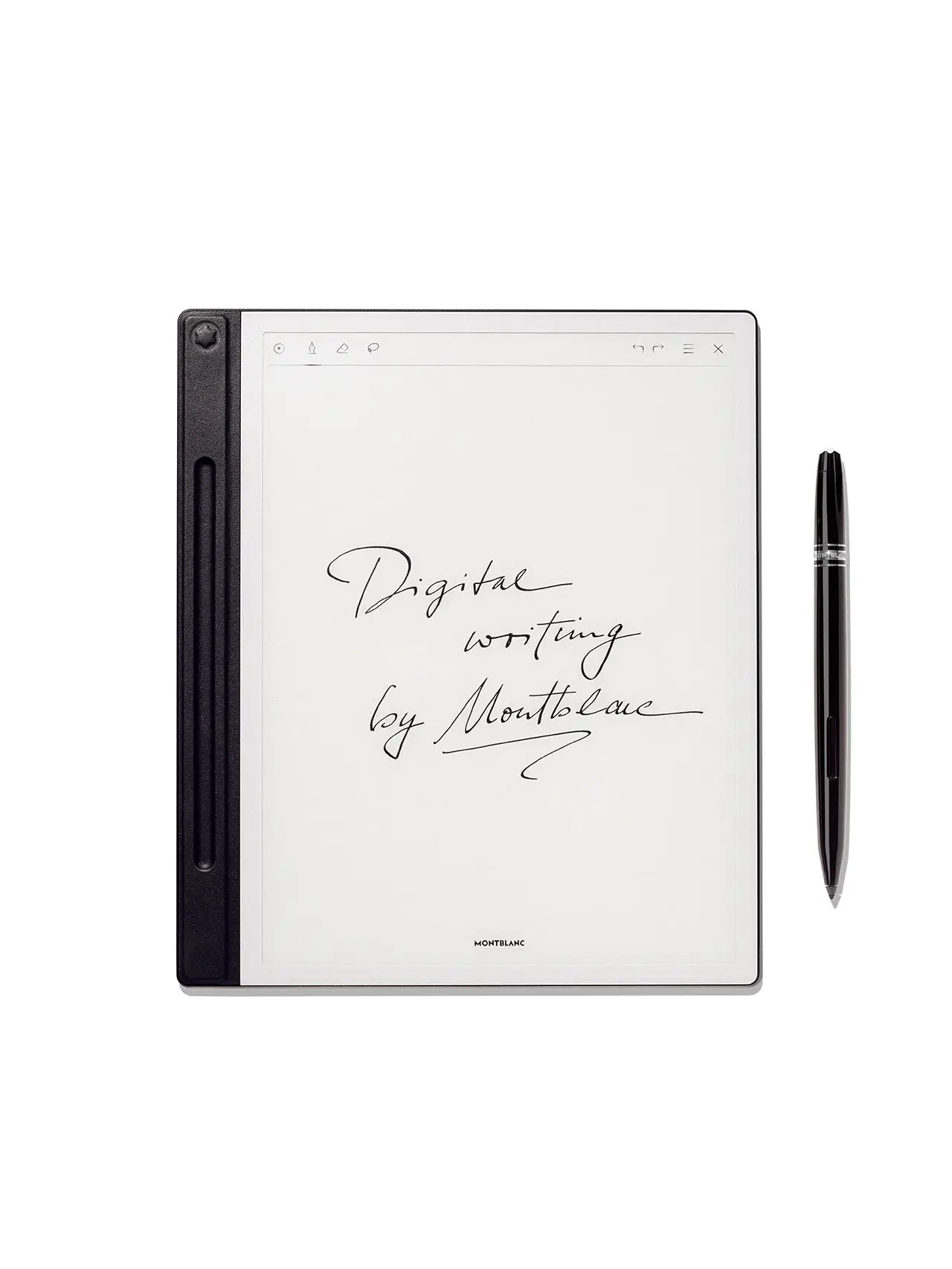
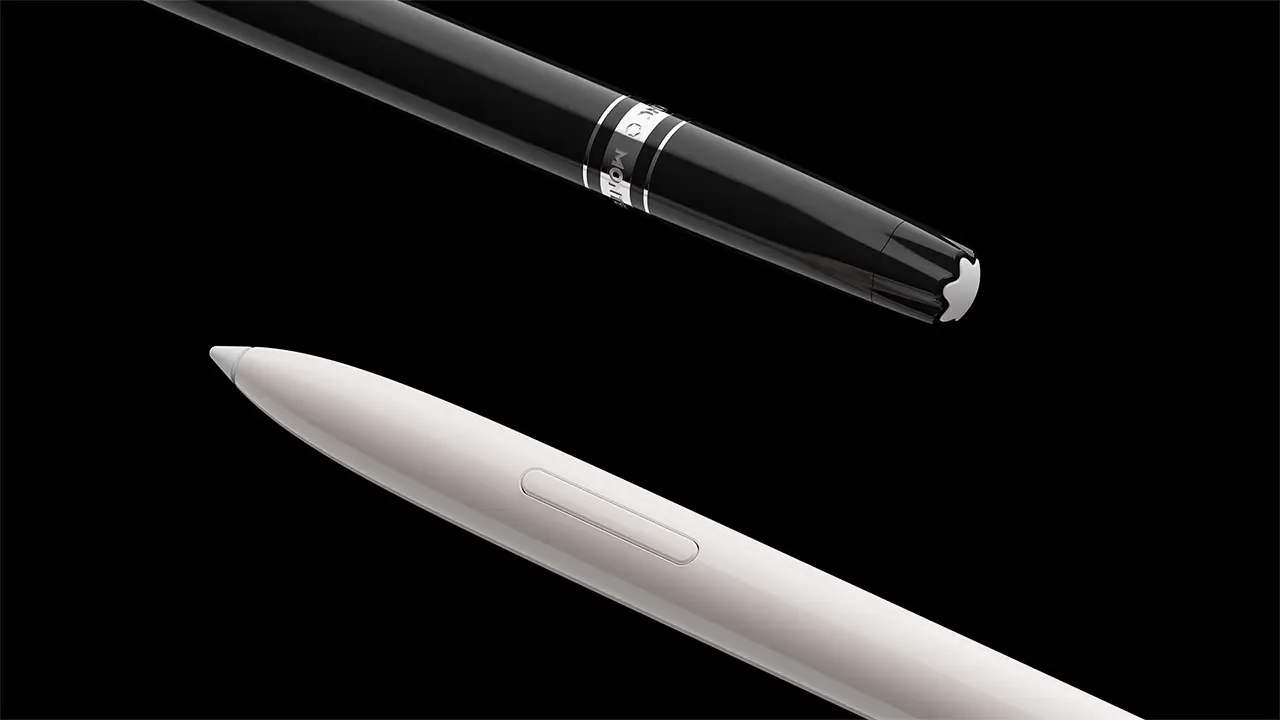
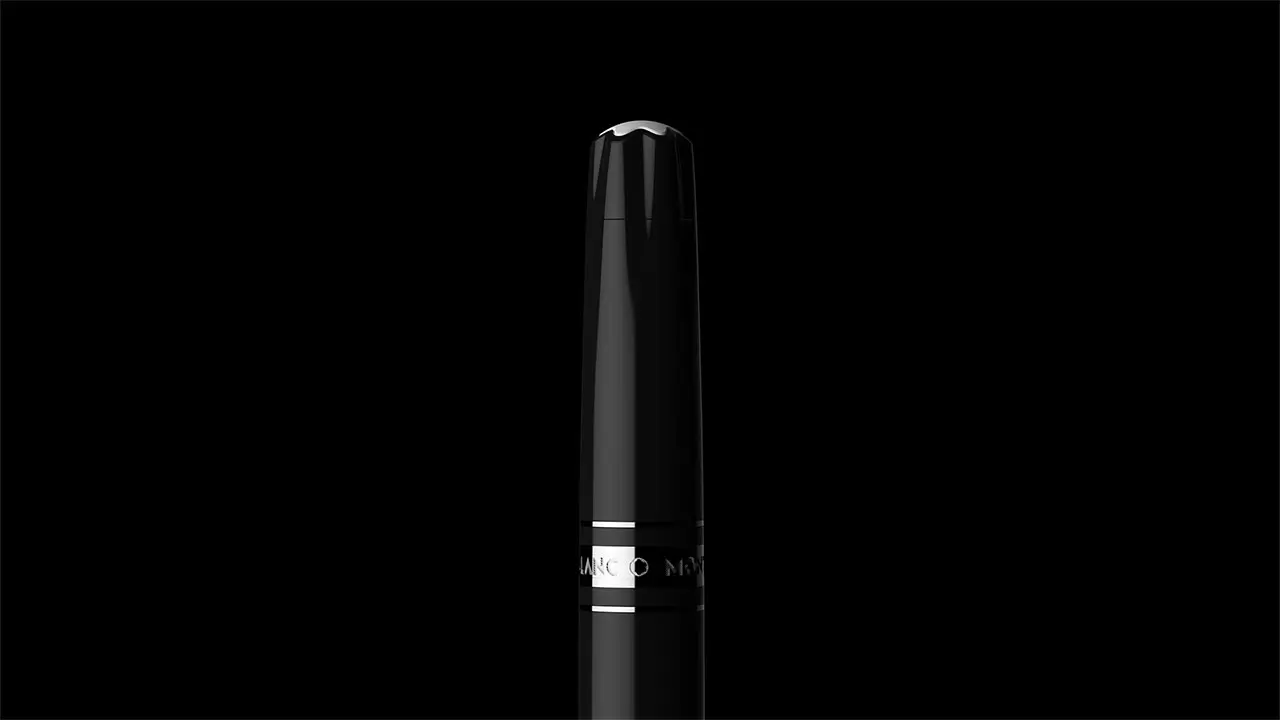
The San Francisco design studio—known for shaping some of the most iconic contemporary objects in technology—has imagined what Montblanc’s first fully digital pen could look like. The concept proposes a seamless fusion between analog tradition and digital functionality, preserving the romance of handwriting while embracing the possibilities of the screen.
The result is less a gadget than a philosophical proposal: a pen that belongs equally to the past and the future.
phil
Yves Béhar founded Fuseproject in 1999 with a mission that sits at the intersection of technology, sustainability, and human-centered design.
The studio’s work has spanned everything from headphones to furniture to wearable technology. What unites these projects is an emphasis on emotional resonance—the belief that objects should evoke connection, not just functionality.
In the case of the Montblanc digital pen concept, that philosophy becomes particularly relevant.
Luxury writing instruments have always been emotional objects. They commemorate milestones, accompany careers, and become heirlooms. A Montblanc pen is rarely purchased purely as a tool—it is acquired as a symbol.
Fuseproject’s challenge was therefore not simply to design a stylus. It was to create a digital writing instrument worthy of the Montblanc lineage.
That meant preserving three core elements:
• tactile ritual
• material craftsmanship
• visual identity
The studio’s concept carefully integrates each of these elements into a digital framework.
think
Most digital pens today are designed with pure efficiency in mind. Their forms are minimal, almost anonymous. They resemble technical tools rather than personal objects.
The Fuseproject concept approaches the stylus from the opposite direction.
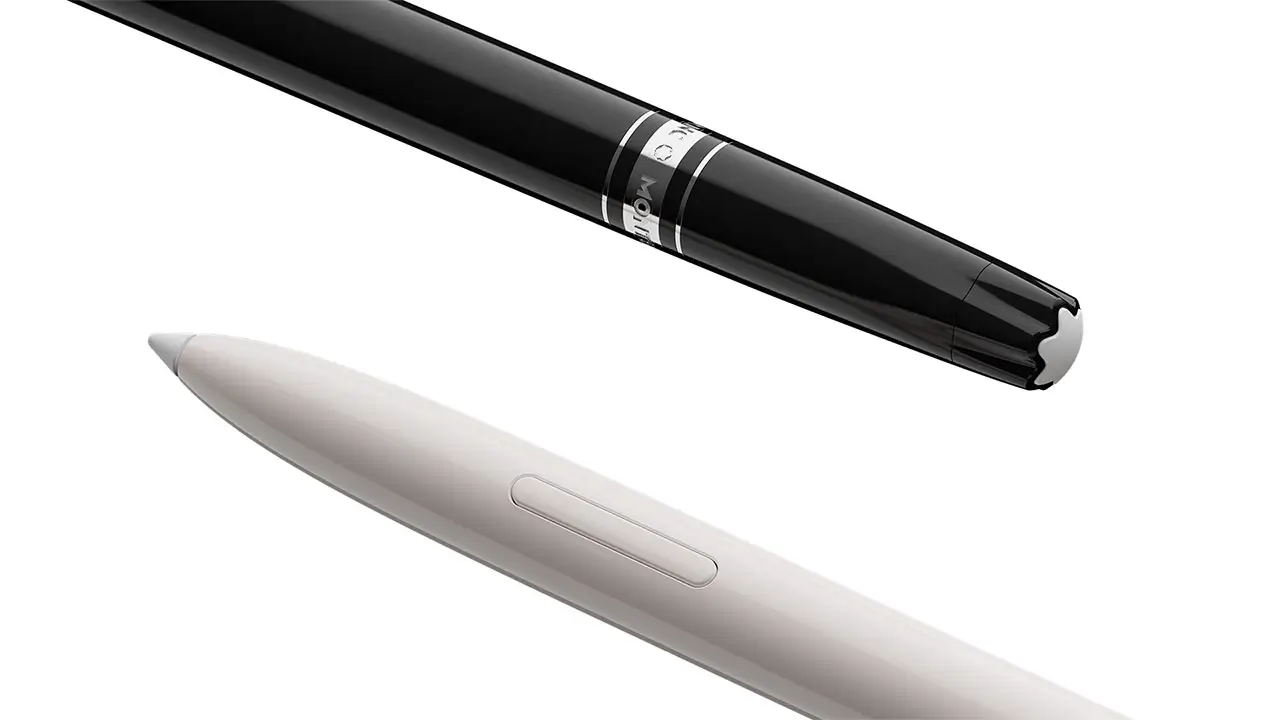
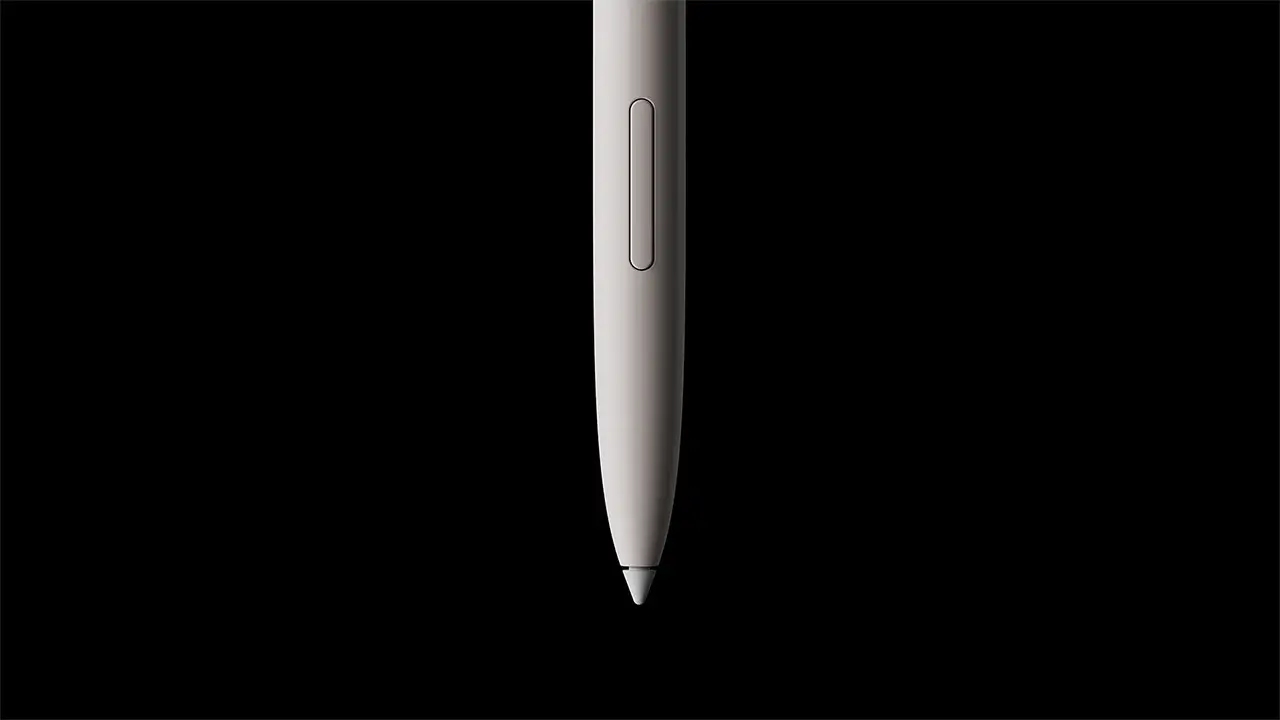
Rather than mimicking the look of a tablet accessory, the pen draws heavily from the classic proportions of Montblanc writing instruments. The silhouette feels familiar—slightly tapered, balanced, and elegant.
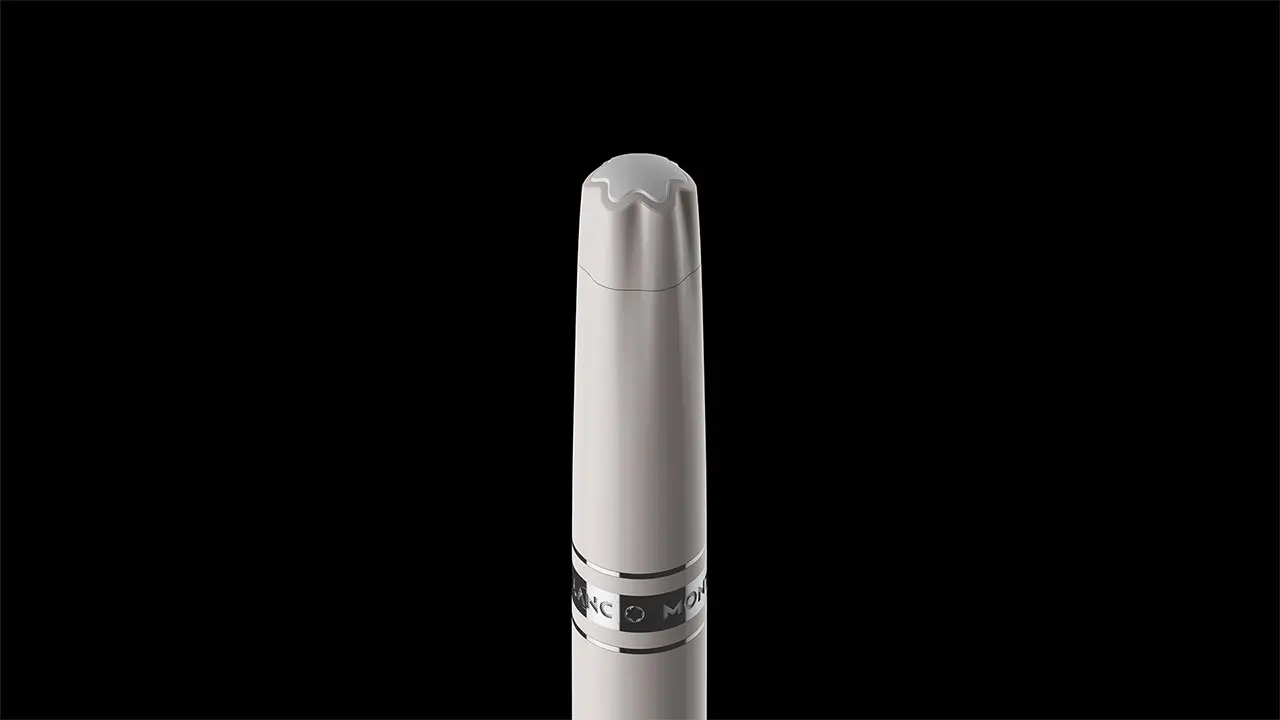
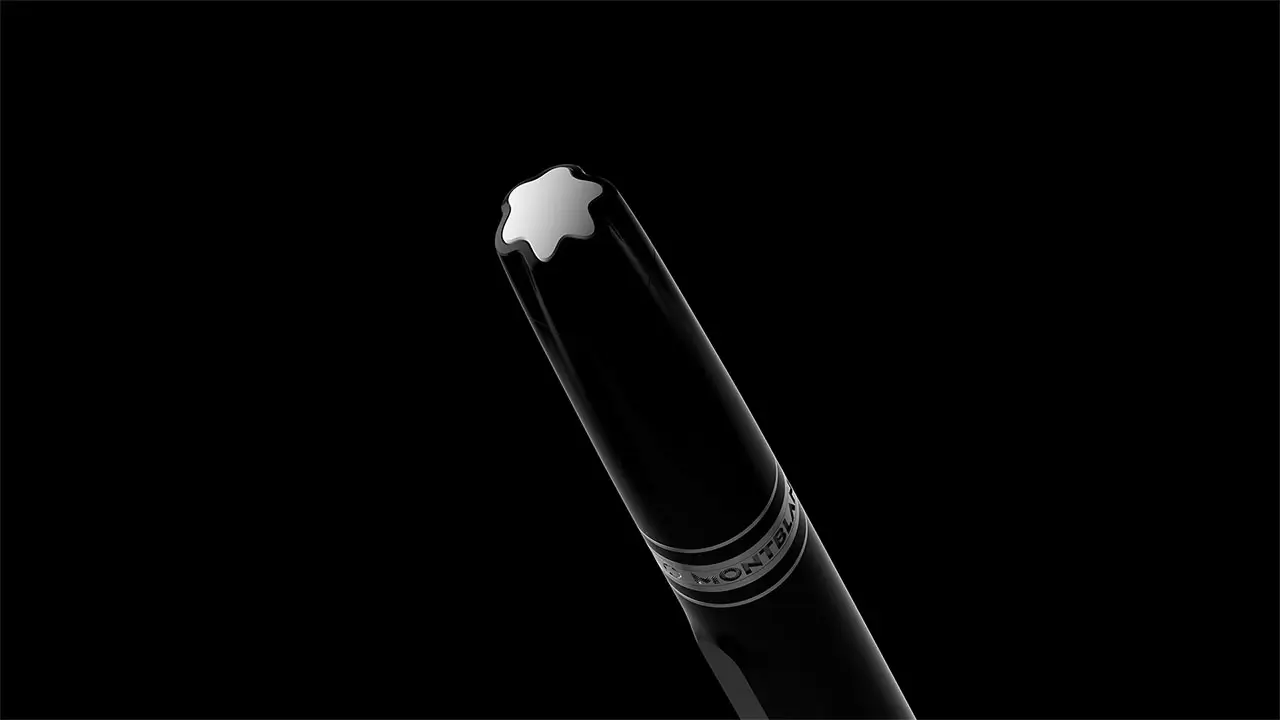
At the crown sits the unmistakable Montblanc star emblem.
This small detail carries enormous significance. The emblem represents the snow-covered summit of Mont Blanc, Europe’s highest peak, and has adorned Montblanc pens since the early twentieth century. It is a visual shorthand for craftsmanship and prestige.
By retaining this symbol, Fuseproject anchors the digital pen within the heritage of the brand.
The message is clear: this is not merely a stylus.
It is a Montblanc.
View this post on Instagram
mat
Haute design is often defined by materials. Metal weight, lacquer depth, and finishing techniques create a sensory experience that digital devices frequently lack.
Fuseproject addresses this by imagining the pen as a hybrid object combining classic craftsmanship with modern technology.
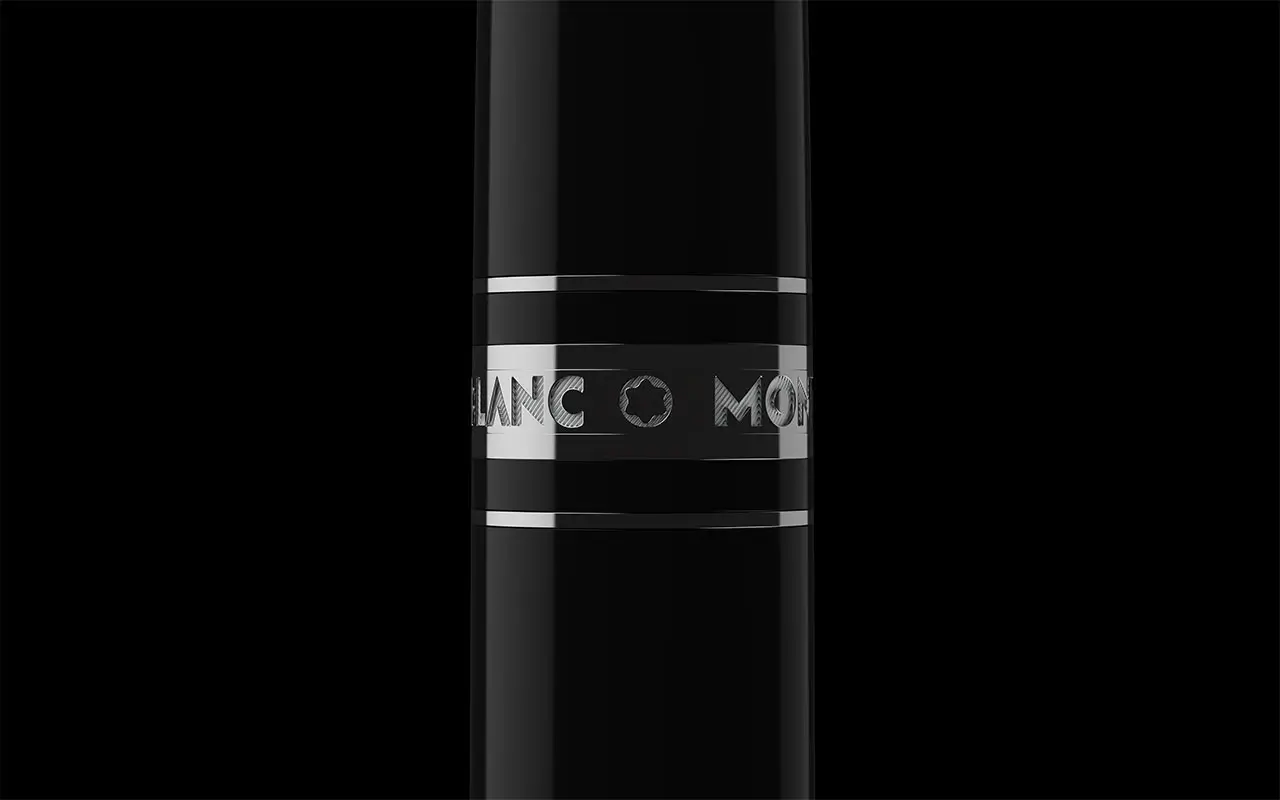
The body is envisioned in polished resin or matte black composite, echoing the materials used in Montblanc’s iconic Meisterstück collection. Metal accents provide balance and durability, while subtle textures enhance grip during writing.
Inside the pen, however, lies a completely modern architecture.
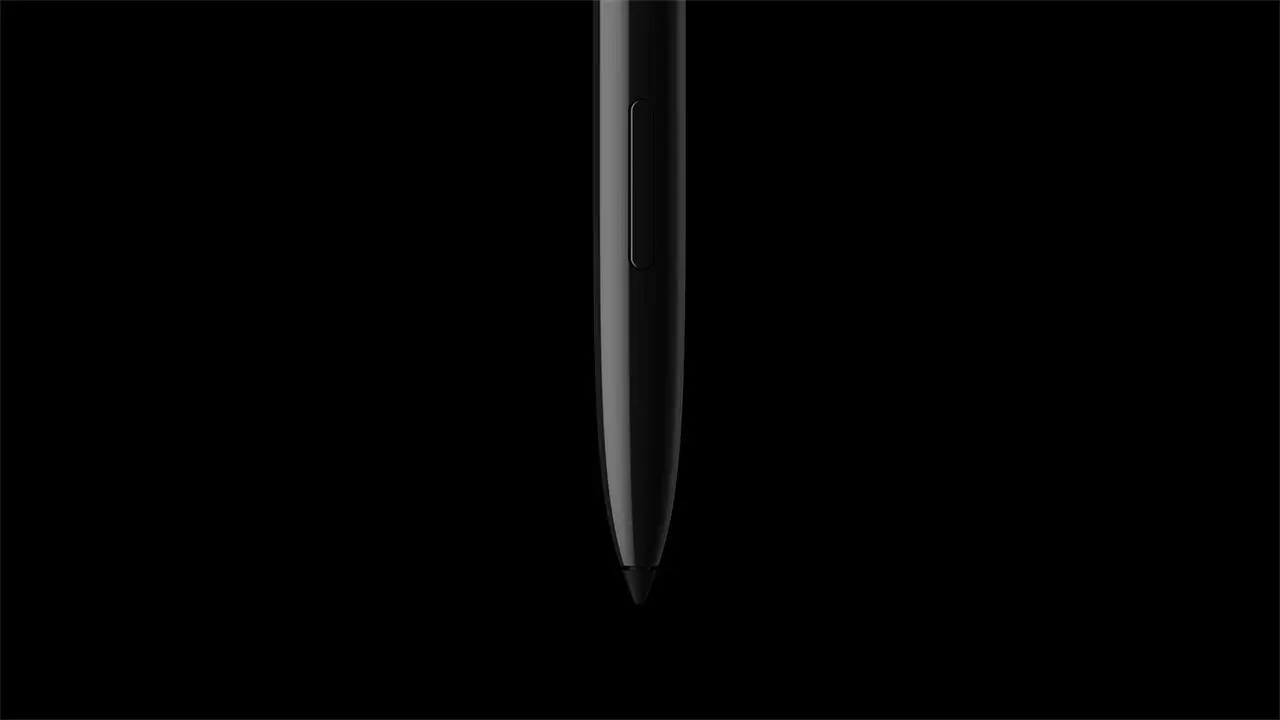
Pressure sensors, motion tracking, and wireless connectivity transform the pen into a sophisticated digital input device. These technologies allow the pen to capture handwriting with remarkable precision, translating each stroke into digital form.
The result is a writing experience that feels analog but behaves digitally.
This duality is the essence of the concept.
stir
One of the most compelling aspects of the digital pen concept is how it treats handwriting as a bridge between physical and digital worlds.
When writing with the pen, strokes would appear instantly on a paired device—whether a tablet, laptop, or smartphone. Notes could be stored, shared, or converted into typed text.
This approach reflects a broader cultural shift.
Handwriting has become increasingly rare in daily communication, yet studies repeatedly show that writing by hand enhances memory retention and creative thinking. The act engages the brain differently than typing.
A digital pen offers a way to preserve this cognitive benefit while integrating with modern workflows.
Imagine signing contracts digitally with the same pen used to draft ideas. Imagine sketching concepts during a meeting and instantly sharing them with collaborators across the globe.
In this sense, the Montblanc digital pen becomes a tool for contemporary creativity.
trad
What distinguishes a luxury pen from an ordinary one is not merely performance but ritual.
The click of a cap.
The glide of ink.
The weight in the hand.
Fuseproject’s concept emphasizes these rituals.
Rather than relying on a utilitarian plastic shell, the pen is imagined with a balanced weight that echoes traditional writing instruments. The tactile feedback during writing mimics the resistance of ink on paper.
Even charging the pen could become part of the ritual.
The concept envisions a sculptural docking base that doubles as a desk object. When the pen is placed inside, it recharges wirelessly while standing upright like a fountain pen in its holder.
The desk becomes a stage for the object.
In an era where most devices disappear into drawers or bags, this design encourages the pen to remain visible—an artifact of both craft and technology.
the leg
Founded in 1906 in Hamburg, the company originally specialized in high-quality fountain pens. Over time, its instruments became associated with writers, executives, and collectors.
The Meisterstück line, introduced in 1924, remains one of the most recognizable pens in the world. Its black resin body and white star emblem have become icons of luxury design.
Over the decades, Montblanc expanded into watches, leather goods, and accessories, yet writing instruments remain its core identity.
The idea of a digital pen therefore represents both continuity and transformation.
It acknowledges that writing has evolved while affirming the brand’s role in shaping how people record ideas.
tech
Fuseproject’s concept also reflects broader trends in industrial design.
As digital devices become more ubiquitous, designers increasingly explore ways to humanize them. Minimalism alone is no longer enough; objects must evoke emotional engagement.
The Montblanc digital pen concept sits squarely within this movement.
Rather than emphasizing technological complexity, the design foregrounds simplicity and elegance. The technology is invisible, allowing the experience of writing to remain central.
This philosophy mirrors some of the most successful products in modern technology—objects that feel intuitive precisely because their complexity is hidden beneath a calm exterior.
The pen becomes an interface between human expression and digital systems.
show
A fascinating question emerges from the concept: can digital tools be luxurious?
Haute has traditionally been associated with rarity, craftsmanship, and permanence. Digital devices, by contrast, are often defined by rapid obsolescence.
Fuseproject’s design attempts to reconcile these opposing qualities.
By focusing on timeless form and durable materials, the pen could transcend the lifecycle of typical electronics. Software updates and modular components might extend its usability over time.
In other words, the pen would behave less like a gadget and more like a collectible instrument.
This approach aligns with broader shifts in luxury culture, where consumers increasingly value objects that combine technology with enduring design.
mood
Beyond its technical features, the concept raises deeper questions about why people write at all.
Writing is not merely the transfer of information. It is a form of thinking.
The physical motion of a pen across a surface transforms abstract ideas into visible marks. Each stroke carries intention.
In a digital environment dominated by keyboards and touchscreens, that intimacy can sometimes be lost.
A digital pen restores it.
By allowing users to write naturally while preserving their words digitally, the tool becomes a bridge between emotion and efficiency.
This is perhaps the most compelling aspect of the Fuseproject concept: it recognizes that technology should enhance human expression rather than replace it.
fwd
Whether Montblanc ultimately produces a pen like this remains an open question. The concept itself functions as a speculative design exercise—a vision of what writing could look like in the decades ahead.
Yet the idea feels remarkably plausible.
As tablets and digital notebooks become more common in professional and creative environments, the demand for sophisticated styluses continues to grow. At the same time, luxury brands are exploring ways to integrate technology into their heritage categories.
A Montblanc digital pen sits at the intersection of these trends.
It represents a future where craftsmanship and connectivity coexist.
culture
Throughout history, the pen has been more than a tool.
It has signed treaties, drafted constitutions, written novels, and recorded personal diaries. The phrase “the pen is mightier than the sword” captures its symbolic power.
In the digital age, the instrument itself risks fading into abstraction. Words appear instantly on screens, detached from the objects that once produced them.
Fuseproject’s concept reminds us that tools matter.
The pen remains an extension of the writer’s identity. The weight, balance, and aesthetics of the instrument shape how ideas are formed and expressed.
A digital pen that honors this tradition could carry the same cultural significance as its analog predecessors.
sum
The world of writing is evolving.
Paper notebooks coexist with tablets. Fountain pens share desks with styluses. Ideas move seamlessly between analog sketches and digital documents.
Fuseproject’s vision for Montblanc suggests that the future of writing does not require abandoning tradition. Instead, it invites a conversation between heritage and innovation.
By blending craftsmanship with digital capability, the concept transforms the stylus into something more meaningful.
It becomes a writing instrument once again.
And in doing so, it reaffirms a simple truth: even in an age of screens and algorithms, the act of writing—slow, deliberate, and deeply human—remains one of the most powerful ways we shape the world.


No comments yet.