Grateful Dead: 2024 Kennedy Center Honorees Reflect on Legacy and the Power of Their Fans

December 18, 2024
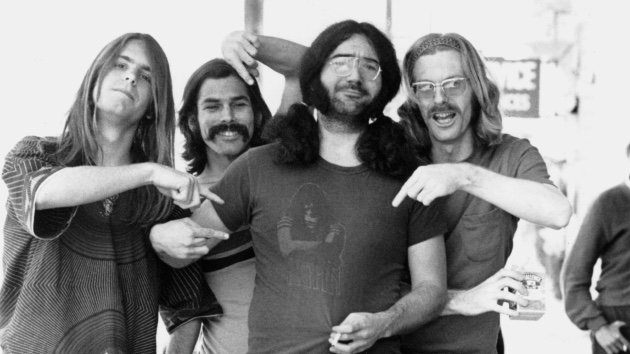
In 2024, the Grateful Dead received one of the most prestigious honors in the arts world: recognition as Kennedy Center Honorees. This accolade celebrates their monumental contributions to American music and culture, solidifying their place as one of the most influential bands in history. From their experimental beginnings in the San Francisco counterculture movement to becoming global icons of musical freedom, the Grateful Dead’s legacy continues to resonate with fans old and new.
The Grateful Dead: A Counterculture Phenomenon
Formed in 1965 in Palo Alto, California, the Grateful Dead emerged as pioneers of a new musical era. With Jerry Garcia at the helm, alongside Bob Weir, Phil Lesh, Ron “Pigpen” McKernan, Bill Kreutzmann, and later Mickey Hart, the Dead fused elements of rock, blues, country, and jazz into a sound that was uniquely their own. Their music, often categorized as “psychedelic rock,” transcended conventional boundaries, focusing on improvisation and live performances that transformed concerts into communal experiences.
Key Elements of Their Legacy:
Live Shows and the Taping Culture: The Grateful Dead revolutionized the concept of live music. Their concerts were immersive experiences, featuring extended improvisational jams and unpredictable setlists. They also embraced fan participation by allowing taping of their shows, fostering a deep connection between the band and their audience.
The Deadhead Movement: Fans, known as Deadheads, became an integral part of the band’s identity. Following the band from city to city, Deadheads created a vibrant community centered on the music and its ideals of freedom, peace, and exploration.
Endless Experimentation: The band’s willingness to push boundaries led to groundbreaking albums like American Beauty and Workingman’s Dead, which fused acoustic folk with electric innovation. Later works like Blues for Allah explored avant-garde and jazz influences.
The Kennedy Center Honors: Recognition of a Cultural Force
The Kennedy Center Honors celebrate artists who have made significant contributions to American culture. For the Grateful Dead, this recognition acknowledges not just their music but their role in shaping a generation’s values and creating a lasting cultural legacy.
Why the Grateful Dead Deserve the Honor:
•Musical Innovation: Their improvisational style has influenced countless artists and genres, from jam bands like Phish to elements of electronic music.
•Cultural Impact: As symbols of the counterculture movement, the Dead’s ethos of inclusion and experimentation has inspired everything from fashion to art to social activism.
•Longevity and Relevance: Decades after their formation, the Grateful Dead’s music continues to thrive through projects like Dead & Company, ensuring their legacy endures.
Band Reflections on Their Legacy
In interviews leading up to the Kennedy Center Honors, surviving band members expressed gratitude and humility for the recognition. Bob Weir, one of the band’s founding members, noted, “We never set out to create a legacy; we just wanted to play music we loved. It’s overwhelming to see how it’s touched so many lives.”
Phil Lesh, the band’s bassist, echoed this sentiment: “Our fans are as much a part of the Grateful Dead as we are. This honor is as much for them as it is for us.”
Jerry Garcia’s Influence:
While Jerry Garcia passed away in 1995, his presence looms large in the Grateful Dead’s history. Known for his virtuosic guitar playing and soulful voice, Garcia was the band’s spiritual leader. Band members often reflect on his ability to connect with audiences on a deeply emotional level, a quality that continues to define the band’s music.
The Power of the Deadhead Community
One of the most remarkable aspects of the Grateful Dead’s legacy is the enduring loyalty and passion of their fans. Deadheads are more than just listeners—they’re participants in a shared experience that transcends the music itself.
What Makes Deadheads Unique:
Dedication: Fans often traveled long distances to attend shows, sometimes following the band for entire tours.
Culture of Sharing: From trading concert tapes to creating fan art and merchandise, Deadheads have cultivated a vibrant subculture.
Inclusivity: The community’s ethos of acceptance and togetherness reflects the values expressed in the band’s music.
Deadheads have also played a significant role in keeping the band’s legacy alive. With the rise of the internet, fan communities have expanded globally, introducing new generations to the Grateful Dead’s music and philosophy.
The Grateful Dead’s Continued Relevance
Nearly six decades after their formation, the Grateful Dead’s influence shows no signs of waning. Here are some ways their legacy continues to thrive:
Dead & Company
The band’s spirit lives on through Dead & Company, a supergroup featuring original members Bob Weir, Bill Kreutzmann, and Mickey Hart, alongside John Mayer, Oteil Burbridge, and Jeff Chimenti. Their tours draw massive crowds, proving that the music still resonates with audiences.
Archive Releases
The Grateful Dead’s extensive archive of live recordings has become a treasure trove for fans. Releases like Europe ’72 and the Dick’s Picks series offer a glimpse into the band’s evolution over the years.
Cultural Tributes
From documentaries like Long Strange Trip to merchandise collaborations with brands like Levi’s and Nike, the Grateful Dead’s aesthetic and philosophy remain influential in popular culture.
Modern-Day Deadheads
A new generation of fans has embraced the band, drawn by the timeless themes of their music and the welcoming spirit of the Deadhead community. Social media platforms have become hubs for sharing stories, concert footage, and interpretations of the band’s music.
The Kennedy Center Honors Ceremony
The Kennedy Center Honors ceremony, held in December 2024, was a celebration befitting the Grateful Dead’s legacy. The event featured performances of their most beloved songs by contemporary artists, highlighting the band’s enduring relevance and cross-generational appeal.
Memorable Performances:
•“Ripple”: A heartfelt rendition by singer-songwriter Brandi Carlile, capturing the song’s reflective and spiritual essence.
•“Truckin’”: A rousing performance by Dead & Company, with John Mayer on lead vocals, bringing the crowd to its feet.
•“Sugar Magnolia”: A joyous tribute featuring an ensemble cast of musicians, celebrating the band’s ability to inspire happiness and connection.
Looking Ahead: The Grateful Dead’s Enduring Message
As the Grateful Dead reflect on their journey, one thing remains clear: their music is a testament to the power of creativity, community, and resilience. Their story is not just about a band—it’s about a movement that continues to inspire people to live authentically, explore fearlessly, and connect deeply.
In his remarks at the Kennedy Center Honors, Bob Weir summed it up best: “We’ve always believed in the power of music to bring people together. If our music has made someone’s life a little brighter, then we’ve done our job.”
A Legacy Worth Celebrating
The Grateful Dead’s recognition as Kennedy Center Honorees is a milestone not just for the band but for the millions of fans who have been part of their journey. From the psychedelic San Francisco scene to the global stage, the Grateful Dead’s influence is as vast as it is profound. Their music, community, and spirit remind us of the transformative power of art, making their legacy one worth celebrating for generations to come.