Gucci Osteria da Massimo Bottura — Spring as Language, Florence as Stage

March 22, 2026
florence
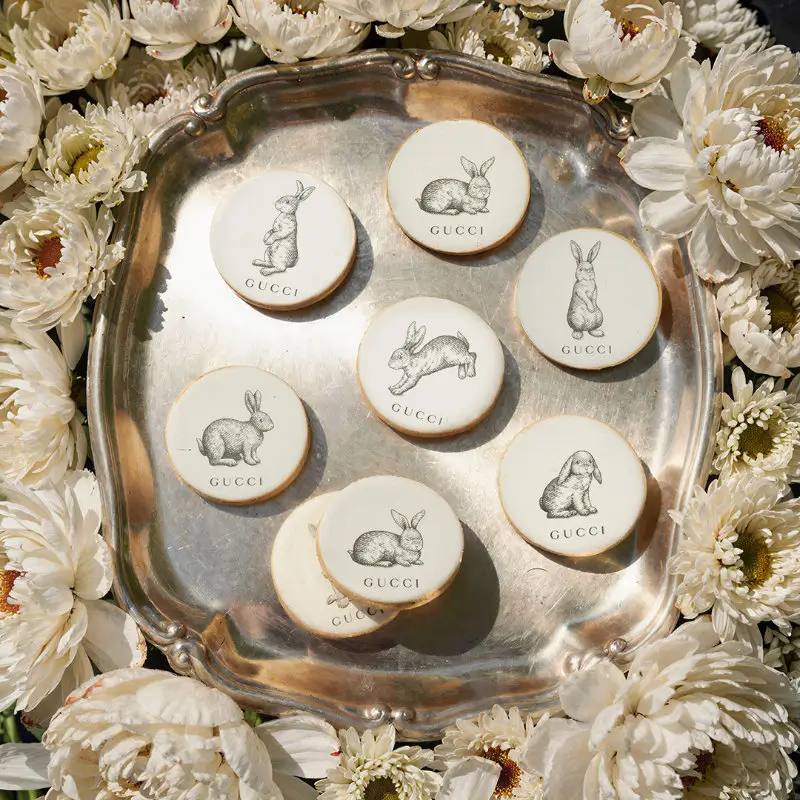
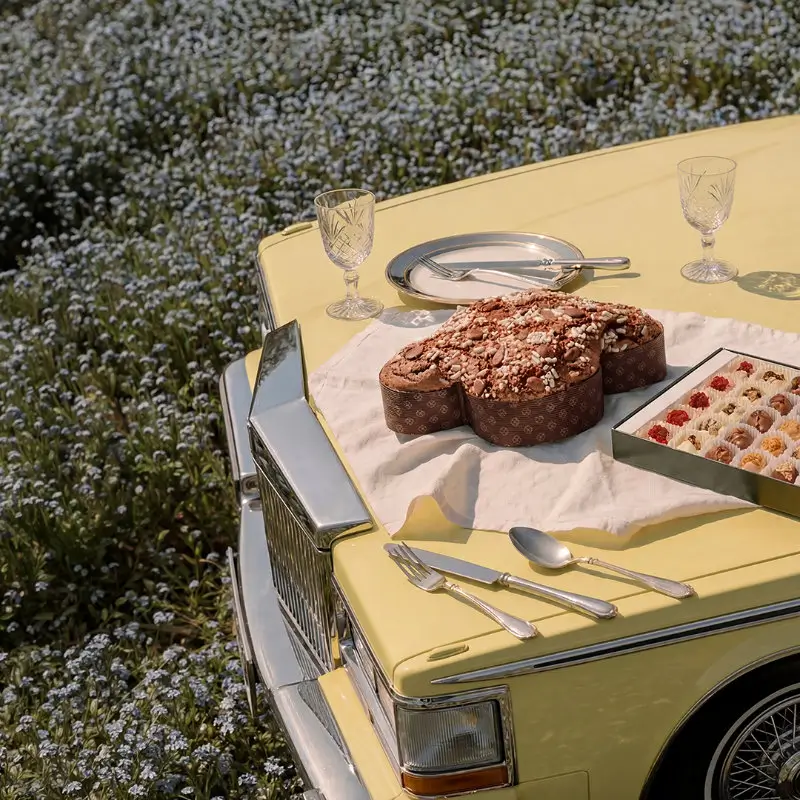
At the intersection of high fashion and haute cuisine, Gucci Osteria da Massimo Bottura returns with a spring selection that feels less like a menu and more like a cultural statement. Nestled within the Gucci Garden in Florence—a space conceived as a living archive of the brand’s imagination—the Osteria continues to redefine what haute dining can mean in 2026: not simply indulgence, but narrative, memory, and experimentation.
Helmed conceptually by Massimo Bottura—one of the most celebrated chefs in the world—and executed in Florence by Karime López, the restaurant carries a Michelin star and a reputation for blending Italian tradition with global influences.
Spring, in this context, is not merely a seasonal refresh. It is a recalibration of identity—lighter, more expressive, and deeply rooted in the philosophy that food, like fashion, should reflect the present moment.
View this post on Instagram
theatre
The experience begins before the first course arrives. Gucci Osteria is situated inside a multi-level cultural space dedicated to the house’s heritage, where art, fashion, and design converge. The restaurant itself is intimate—around 30 seats—designed with velvet textures, botanical motifs, and hand-painted details that echo Gucci’s maximalist aesthetic.
Every element is curated: Ginori porcelain plates painted with herbarium patterns, lighting that softens the Renaissance architecture outside, and a sense that dining here is as much performance as it is sustenance.
Spring amplifies this atmosphere. Florentine light filters through the windows, and the menu responds in kind—less weight, more brightness, and a renewed emphasis on freshness.
phil
At its core, Gucci Osteria’s spring offering is guided by Bottura’s long-standing philosophy: tradition must be respected, but never repeated without transformation. The dishes reference Italy’s culinary canon while simultaneously weaving in global influences—particularly Latin American notes brought by López.
Michelin inspectors have noted this multi-ethnic interplay, where Italian flavors meet Mexican and South American elements in a seamless dialogue.
Spring 2026 builds on that foundation with three defining principles:
- Seasonality as storytelling – ingredients sourced at peak freshness become narrative anchors
- Cultural hybridity – Italian techniques intersect with global flavor profiles
- Aesthetic precision – plating mirrors the visual language of Gucci collections
The result is a menu that feels both rooted and restless.
View this post on Instagram
sig
While menus shift fluidly, several dishes—reinterpreted for spring—anchor the experience.
tortellini with parmigiano reggiano cream
A Bottura signature, this dish returns lighter for the season. The richness of the cheese is balanced with subtle acidity and delicate aromatics, transforming what is traditionally a winter comfort into a springtime composition.
“risotto camouflaged as pizza”
Perhaps the Osteria’s most iconic plate, this dish blurs categories entirely. The risotto is designed to evoke the flavor profile of pizza—tomato, stracciatella, and caper—while maintaining the creamy texture of rice. Michelin descriptions have likened its presentation to an abstract painting.
insalata mare (seafood salad)
A quintessential spring expression: scallops, squid, and lobster arranged with floral precision. The dish feels almost botanical in its composition, echoing the herbarium motifs found throughout the space.
emilia burger (reinterpretation)
Though rooted in Bottura’s playful reinterpretation of American classics, the burger evolves seasonally. Spring iterations often emphasize lighter accompaniments—herbs, fresher greens—while maintaining its signature blend of Italian ingredients.
veg
One of the most significant shifts in the spring selection is the elevation of vegetables—not as sides, but as protagonists.
This reflects a broader movement within Bottura’s culinary philosophy: luxury is no longer defined solely by rare ingredients like caviar or truffles, but by the transformation of humble components into extraordinary experiences.
Expect dishes that foreground:
- tender spring peas with citrus infusions
- asparagus paired with unexpected textures
- foraged greens reinterpreted through global seasoning
This approach aligns with earlier iterations of Gucci Osteria menus that emphasized lighter, plant-forward compositions, particularly in international locations.
dessert
Dessert at Gucci Osteria is never an afterthought—it is a continuation of the story.
Spring selections often lean into:
- floral notes (rose, jasmine, citrus blossom)
- textural contrast (creams against crisp elements)
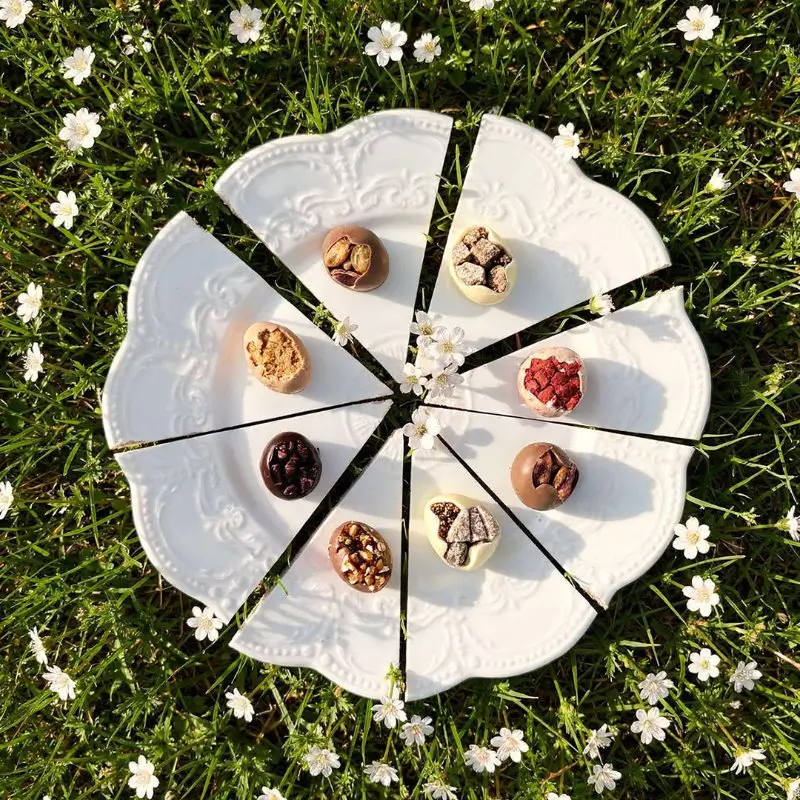
- visual drama (plating that resembles fine art installations)
A dish like “Charley Marley,” previously highlighted by Michelin, exemplifies this approach—balancing sweetness with complexity and visual intrigue.
Even classic desserts are reframed. Cheesecake, for instance, may be paired with cherries and licorice, transforming a familiar format into something unexpected.
curate
The spring selection is most fully realized through the tasting menu—a multi-course journey that unfolds like a runway show.
Menus typically include:
- an opening sequence of small bites (amuse-bouche)
- several savory courses progressing in intensity
- a transition into lighter, vegetal dishes
- a crescendo of desserts
Dining here is an investment—often averaging around $275 per person depending on location and pairing—but the experience is designed to be immersive rather than transactional.
Each course is timed, plated, and presented with a level of precision that mirrors haute fashion presentations.
View this post on Instagram
share
What distinguishes Gucci Osteria from other Michelin-starred restaurants is its explicit connection to fashion.
The merge between Gucci and Bottura is not superficial branding—it is a conceptual alignment. Both operate within systems of:
- craftsmanship
- heritage reinterpretation
- seasonal storytelling
Just as a Gucci collection might revisit archival silhouettes through a contemporary lens, the Osteria revisits Italian dishes with modern techniques and global influences.
Even the plating reflects this synergy—colors, textures, and compositions often echo Gucci’s visual identity.
idea
While Florence remains the flagship, Gucci Osteria has expanded to cities including Tokyo and Seoul, each adapting the concept to local contexts.
However, the spring selection in Florence retains a unique authenticity. It draws directly from Tuscan ingredients, local markets, and the cultural weight of its surroundings—Piazza della Signoria, one of the most historically significant sites in Italy.
This balance between global brand and local specificity is central to the Osteria’s success.
cept
Like any boundary-pushing concept, Gucci Osteria invites both admiration and critique.
Michelin recognition affirms its technical excellence and creativity.
At the same time, some diners question aspects such as portion size or the balance between presentation and substance.
This tension is perhaps inevitable. The Osteria operates in a space where expectations are heightened—not just for food, but for experience, narrative, and brand alignment.
Spring 2026 appears to lean toward refinement: lighter compositions, clearer flavors, and a renewed focus on ingredient quality.
fwd
Beyond individual dishes, the spring selection functions as a metaphor for renewal.
In a broader cultural context, luxury is shifting. Consumers are increasingly drawn to experiences that feel meaningful rather than merely opulent.
Gucci Osteria responds to this shift by:
- emphasizing sustainability and seasonality
- integrating cultural narratives into its menu
- redefining indulgence as intellectual and sensory engagement
Spring, then, becomes not just a season, but a statement.
sum
Gucci Osteria da Massimo Bottura’s spring selection encapsulates a larger evolution within both fashion and gastronomy.
It suggests that the future of luxury lies not in excess, but in:
- thoughtful design
- cross-disciplinary collaboration
- emotional resonance
In Florence, where history is omnipresent, the Osteria offers something distinctly contemporary—a dining experience that feels as curated as a fashion show, as intellectual as an art exhibition, and as sensory as the finest meal.
Spring 2026 does not simply refresh the menu. It reaffirms the idea that food, like fashion, is a language—one capable of telling stories that are as complex, layered, and beautiful as the culture that produces them.