Haus Labs by Lady Gaga: Reinventing Beauty Through Inclusivity

March 10, 2026
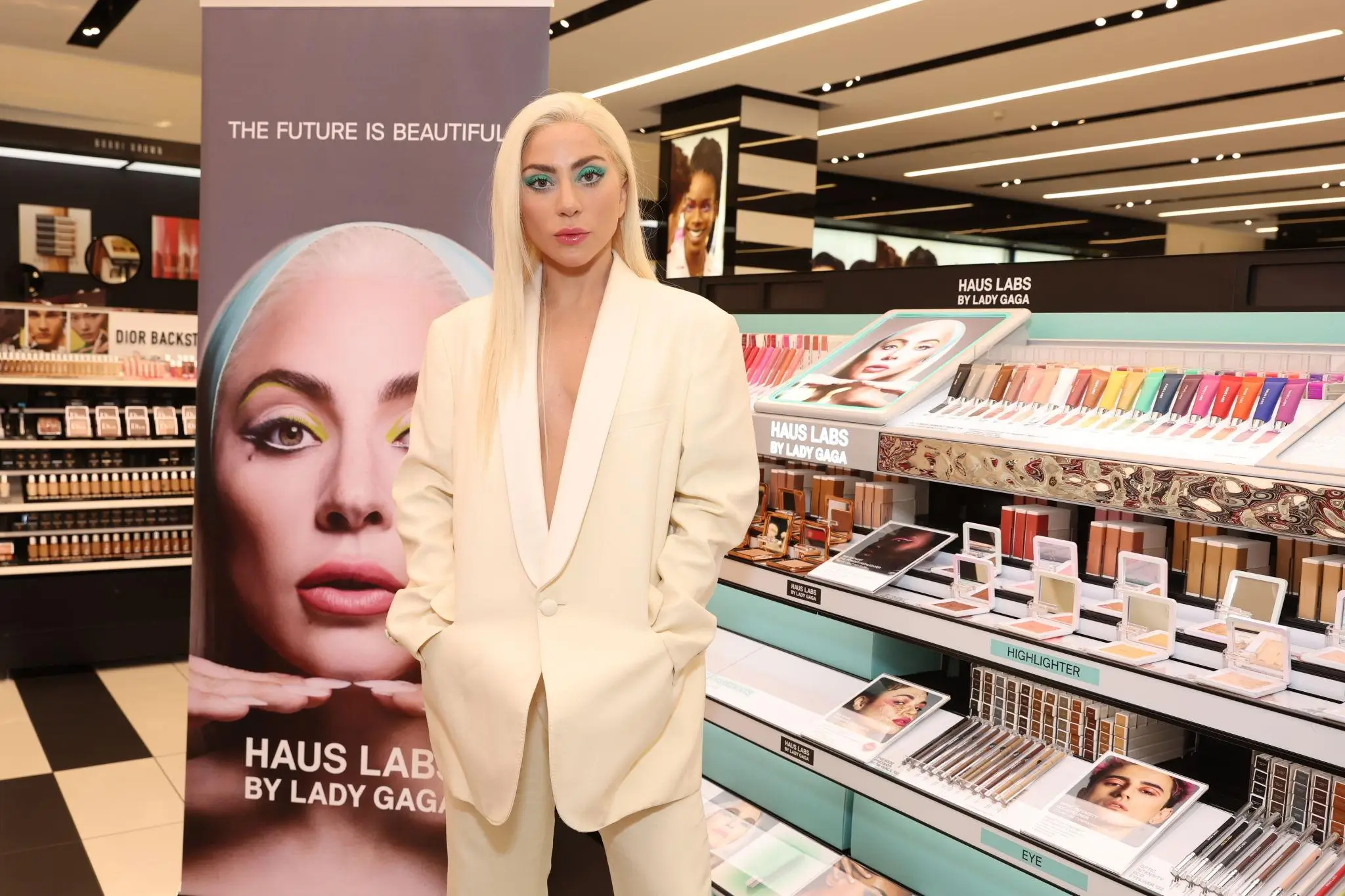
When Lady Gaga launched Haus Labs in 2019, the move initially looked like another entry in the celebrity beauty boom. Pop icons, influencers, and actors were all stepping into cosmetics, turning personal style into business ventures. Yet Gaga’s brand was designed to be something more than a makeup label. From its earliest days, Haus Labs positioned itself as a platform for self-expression, inclusivity, and philanthropy, reflecting the artist’s long-standing activism around identity, mental health, and youth empowerment.
The brand officially debuted on September 17, 2019, initially under the name Haus Laboratories. It launched as the first major cosmetics brand to debut exclusively through Amazon, an unconventional distribution strategy that immediately differentiated it from competitors dominating department stores and beauty retailers.
This bold debut reflected Gaga’s philosophy: makeup should be accessible, expressive, and rooted in individuality. In interviews around the launch, Gaga explained that she wanted a beauty brand that carried a message of self-acceptancerather than simply selling products.
But while bold pigments and theatrical packaging attracted attention, the true identity of Haus Labs was always tied to something bigger—social impact.
aesthetic
Haus Labs emerged from Gaga’s long history with experimental fashion and performance makeup. Long before launching the brand, the artist was already known for transforming cosmetics into visual storytelling. Whether appearing with lightning-bolt face paint during the Born This Way era or avant-garde looks on red carpets, Gaga treated makeup as art.
That ethos shaped the brand’s first product drops. The initial 2019 collection included kits inspired by 1980s ball culture, the underground LGBTQ+ scene that shaped much of modern pop and fashion aesthetics. Each kit featured a trio of products—lip gloss, liner, and shimmer pigment—encouraging users to build bold looks and experiment with color.
In many ways, the brand echoed the philosophy behind Gaga’s creative collective, the Haus of Gaga, which helped design her early stage looks. Haus Labs extended that creative laboratory into a commercial form—allowing fans and makeup enthusiasts to explore their own identities through color and design.
Inclusivity quickly became a defining principle. Campaigns featured models across gender identities, skin tones, and artistic backgrounds. The brand consistently emphasized the idea that beauty was not a rigid standard but an open, creative practice.
PLAY WITH PASSION.
Drop your best guess of what’s to come 👇😏 pic.twitter.com/Gb3PNE0fSn
— Haus Labs (@hauslabs) September 30, 2020
philanth
Unlike many celebrity beauty lines that focus primarily on product launches, Haus Labs integrated philanthropy into its business model from the start.
A central component is its ongoing partnership with the Born This Way Foundation, a nonprofit co-founded by Gaga and her mother in 2012. The organization promotes youth mental health, kindness, and empowerment initiatives worldwide.
Through Haus Labs, philanthropy is embedded directly into consumer purchases.
-
$1 from every purchase on the brand’s website is donated to the foundation.
-
Special product releases have also supported other causes, including arts education initiatives.
The Born This Way Foundation focuses on programs that encourage empathy, provide mental-health resources, and help young people build supportive communities. Its mission centers on creating “a kinder, braver world” where mental wellbeing is prioritized.
By tying beauty sales directly to this mission, Haus Labs established itself as a purpose-driven brand, aligning consumer identity with social change.
stir
Although Haus Labs launched with massive publicity in 2019, the brand experienced a turning point in 2022.
After several years operating primarily through Amazon, Gaga and CEO Ben Jones decided to relaunch the company with a new strategy. The brand was renamed Haus Labs by Lady Gaga and entered a global retail partnership with Sephora, one of the world’s most influential beauty retailers.
The relaunch introduced a new direction centered on:
-
clean beauty formulations
-
high-performance pigments
-
vegan and cruelty-free ingredients
-
sustainable packaging
The move also re-positioned the brand from a digitally native celebrity line to a serious competitor within the prestige cosmetics industry.
Among the most significant products to emerge from this era was the Triclone Skin Tech Foundation, which debuted with 51 shades, reflecting the brand’s commitment to inclusivity.
This shift proved successful. Analysts noted that the overhaul strengthened the brand’s identity and retail presence, transforming it into a more competitive player in the global beauty market.
flow
In the years following the relaunch, Haus Labs continued expanding its cultural footprint through campaigns that blended art, activism, and beauty.
One of the most notable initiatives arrived in 2025, when Sephora and Haus Labs launched the campaign “We Belong to Something Beautiful.” The program emphasized community, identity, and mental health awareness, aligning closely with Gaga’s activism.
During Pride Month, the campaign also introduced a philanthropic component:
-
For every Haus Labs product purchased at Sephora during June, $1 was donated to the Born This Way Foundation to support youth mental health and LGBTQ+ initiatives.
The campaign included global advertising, social media storytelling, and in-store experiences designed to celebrate inclusive beauty.
It was not simply a marketing push—it was a cultural statement reinforcing the brand’s message that beauty should be a space of belonging.
show
Another key factor behind Haus Labs’ continued momentum has been its strong presence in pop culture.
The brand frequently appears in Gaga’s own performances and public appearances. In early 2026, for example, Gaga wore Haus Labs products during a surprise appearance in a Super Bowl performance segment with Bad Bunny, demonstrating how the cosmetics line remains intertwined with her stage persona.
Celebrity makeup artists and actors have also embraced the products. Actress Lacey Chabert, for instance, used the Triclone foundation in a high-profile holiday campaign shoot, highlighting the product’s popularity beyond Gaga’s fanbase.
These appearances reinforce a key aspect of the brand’s identity: Haus Labs is not merely merchandise associated with a celebrity—it has developed industry credibility.
innov
Beyond philanthropy and cultural relevance, Haus Labs has also built a reputation around product innovation.
The brand emphasizes “clean artistry,” combining high-performance cosmetics with skin-care-inspired ingredients.
This approach responds to broader shifts in the beauty industry, where consumers increasingly prioritize:
-
vegan formulas
-
cruelty-free production
-
ingredient transparency
-
sustainability
Haus Labs products often incorporate botanical ingredients and dermatologically inspired formulas designed to support skin health while delivering intense pigmentation.
This fusion of makeup and skincare reflects a growing industry trend: beauty as wellness.
inclu
Another pillar of the Haus Labs philosophy is representation.
Campaign imagery often highlights:
-
LGBTQ+ creators
-
drag performers
-
artists from diverse cultural backgrounds
-
models across gender expressions and body types
The brand’s early marketing frequently featured members of the drag and ballroom communities that influenced Gaga’s career.
Research across the beauty sector shows that consumers are more likely to support brands that advocate inclusivity and social causes. Haus Labs leveraged this shift effectively, positioning itself at the intersection of beauty and activism.
fwd
Haus Labs operates within a highly competitive ecosystem of celebrity-founded brands, including Fenty Beauty by Rihanna and Rare Beauty by Selena Gomez.
What differentiates Haus Labs is the way it integrates artistic experimentation with philanthropic identity. While many celebrity brands emphasize personal glamour, Gaga’s label frames beauty as a tool for transformation and empowerment.
This difference reflects Gaga’s broader career narrative. Since emerging in the late 2000s, she has repeatedly used her platform to address issues like bullying, LGBTQ+ rights, and mental health awareness.
sum
For Gaga, makeup was never just about aesthetics—it was a tool for storytelling, identity, and transformation. Through Haus Labs, that philosophy has expanded into a global brand that blends bold cosmetics with a mission of empathy and mental health advocacy.
In a beauty industry often driven by trends, Haus Labs stands out by anchoring its identity in something more enduring: the belief that creativity and kindness belong in the same conversation.

No comments yet.