Hiking Patrol’s ARC LT Weight Shell Jacket 2.0 Redefines the Modern Shell

March 15, 2026
min
Technical outerwear has long occupied a curious space between the worlds of performance equipment and contemporary style. For decades, mountaineering brands defined the category, engineering garments capable of surviving alpine storms and remote expeditions. But in recent years, a new generation of outdoor-inspired labels has reframed technical apparel for broader use—designing pieces that feel equally at home on mountain trails, city streets, and transitional climates where the weather refuses to cooperate.
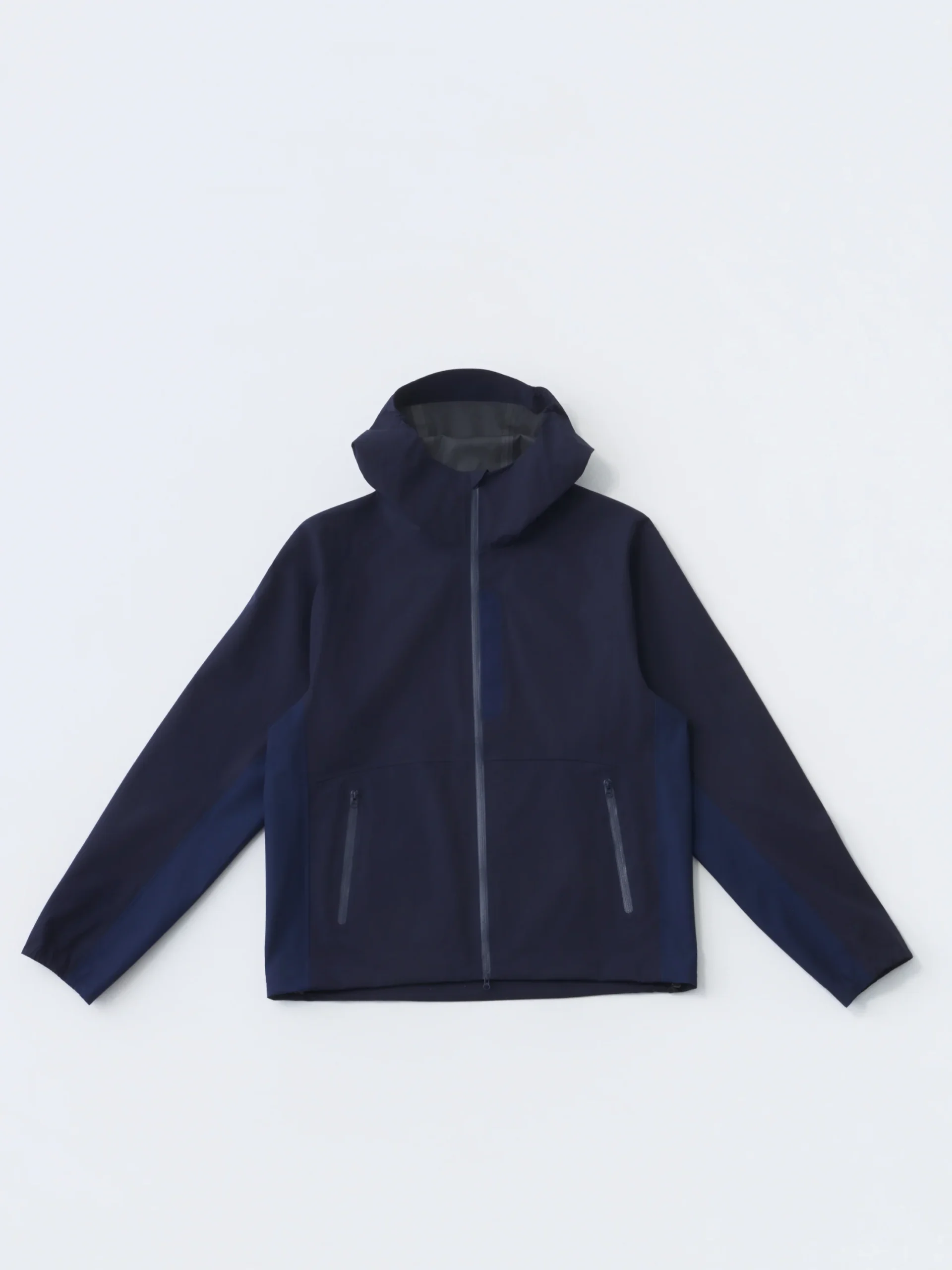
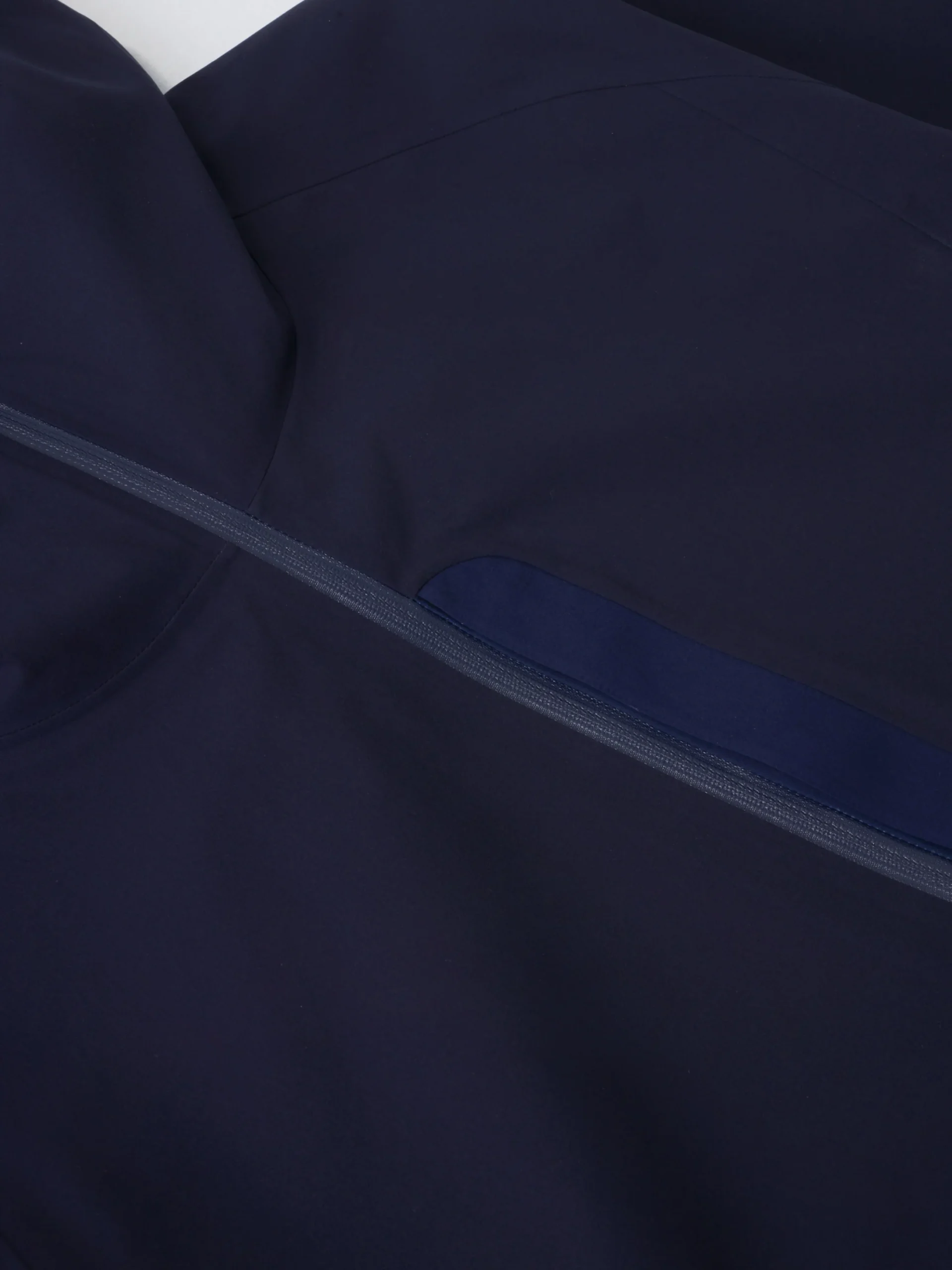
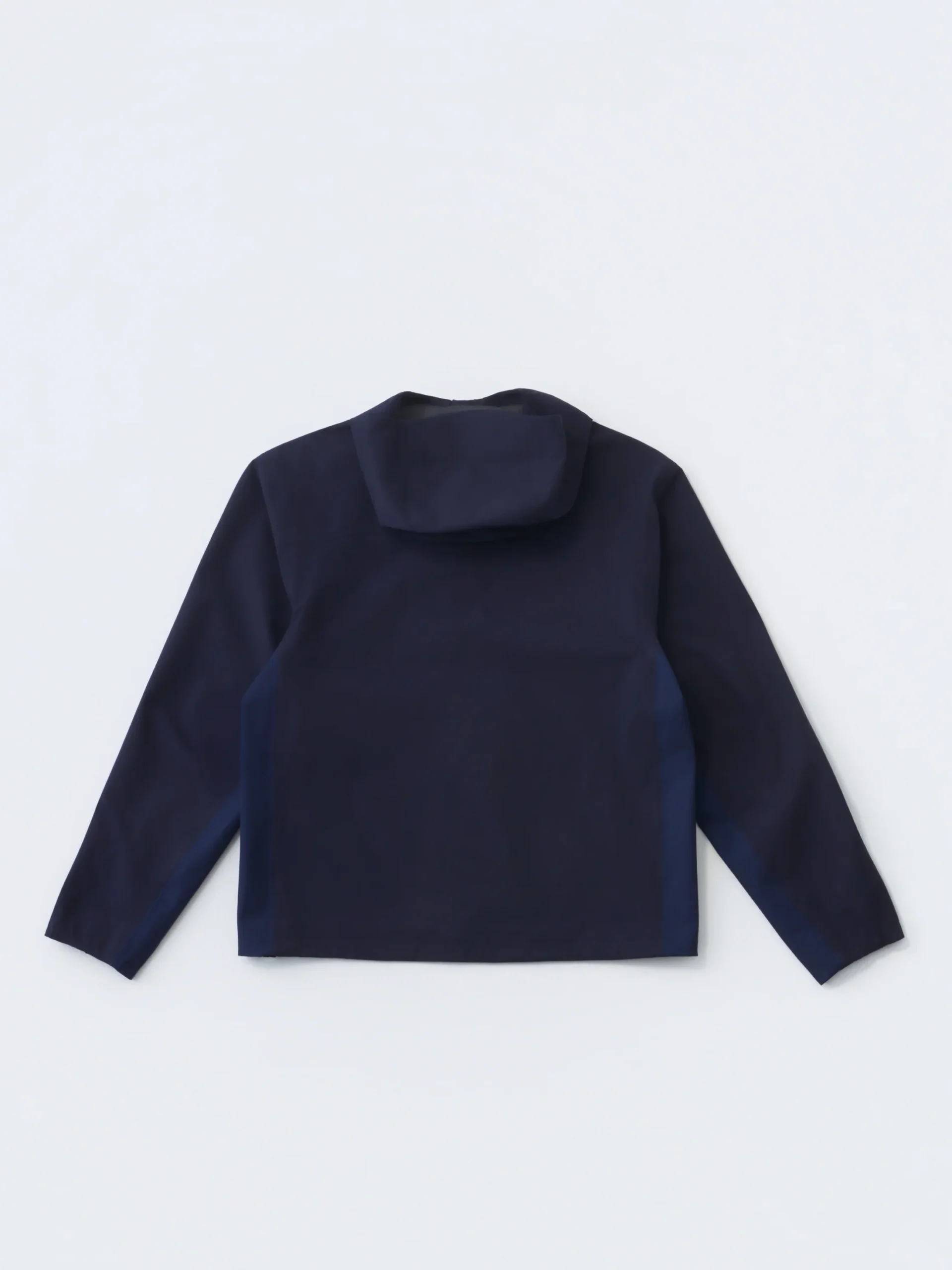
The ARC LT Weight Shell Jacket 2.0 from Hiking Patrol sits precisely in this space. Conceived as a lightweight protective shell, the jacket prioritizes versatility rather than single-environment specialization. It is engineered to perform during hikes, travel, and everyday movement through unpredictable weather while maintaining a restrained aesthetic that aligns with contemporary outdoor culture.
At its core, the ARC LT Weight Shell Jacket 2.0 reflects a philosophy increasingly central to modern outdoor gear: build less bulk, reduce excess complexity, and allow technical materials to do the work. The result is a streamlined outer layer designed to offer reliable waterproof protection, breathability, and mobility without sacrificing style or comfort.
phil
Before examining the jacket itself, it is important to understand the brand’s identity. Hiking Patrol emerged from Scandinavia, a region where outdoor life is deeply embedded in daily culture. The Nordic approach to design often emphasizes functionality, restraint, and durability—qualities that naturally translate into outdoor apparel.
Rather than competing directly with traditional alpine brands, Hiking Patrol operates in a hybrid space between technical performance and lifestyle design. Its collections frequently explore how outdoor garments can adapt to urban environments without losing their functional integrity.
This approach reflects a broader shift across contemporary fashion and equipment culture. Consumers increasingly expect their clothing to serve multiple purposes. A shell jacket might need to perform during a weekend hike, a bike commute, or international travel. Bulky expedition gear designed for extreme conditions can feel excessive for everyday use.
The ARC LT Weight Shell Jacket 2.0 therefore represents a deliberate response to this reality: a lightweight technical shell that can transition seamlessly between environments.
struct
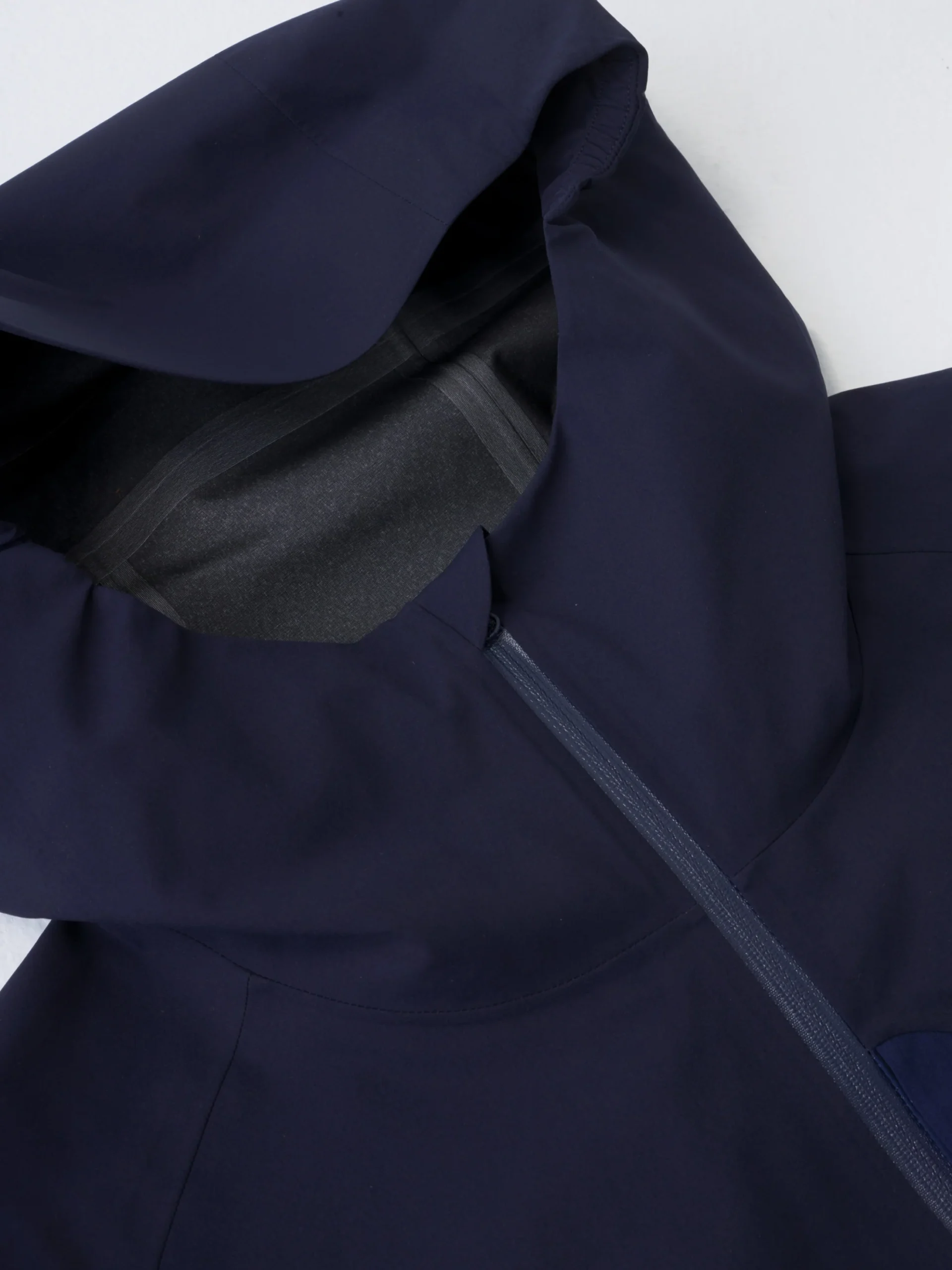
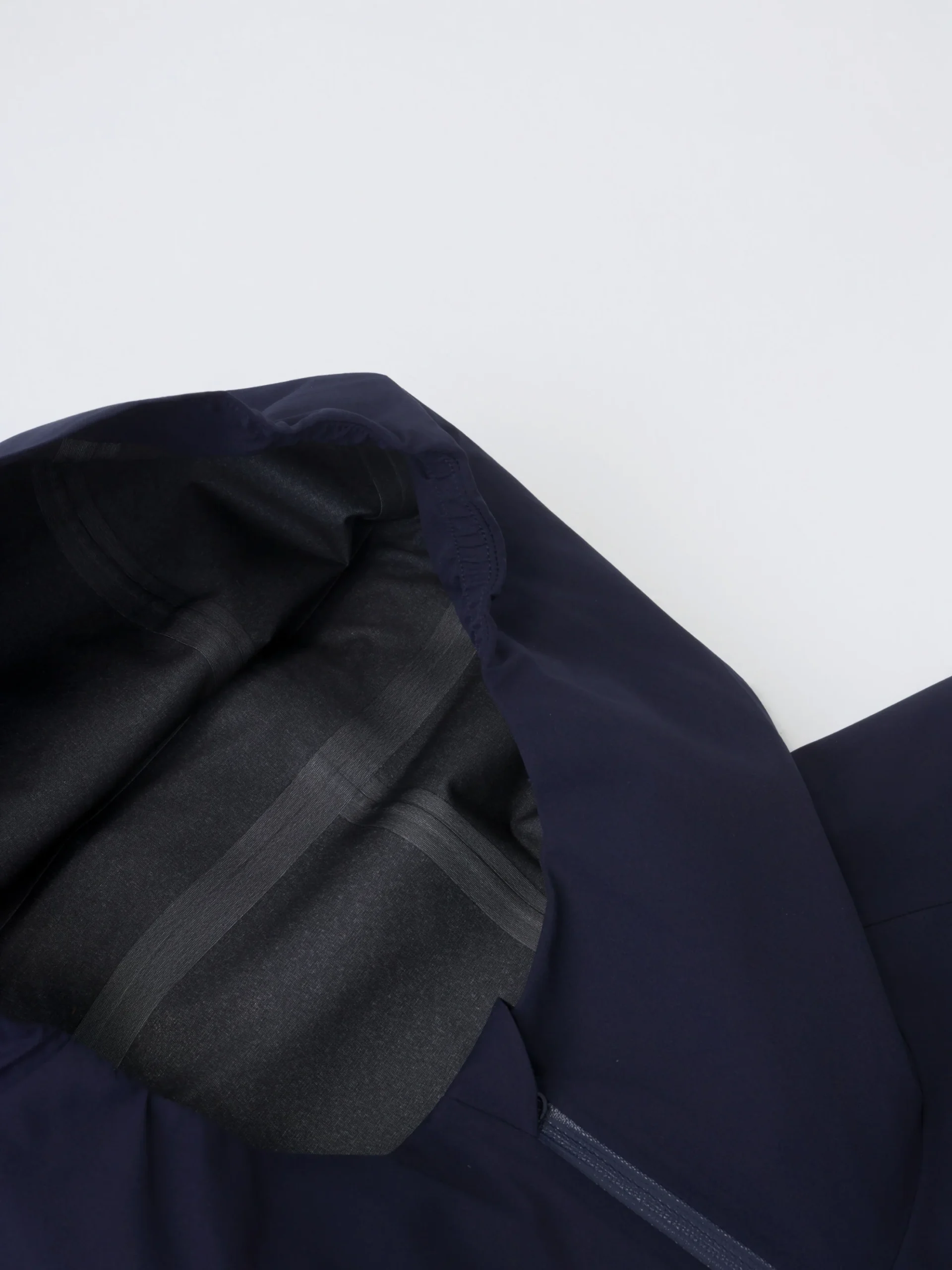
The technical backbone of the ARC LT Weight Shell Jacket 2.0 is its three-layer construction. In modern outerwear design, three-layer fabrics are widely regarded as the most durable and reliable waterproof systems available.
A typical three-layer configuration includes:
• an outer face fabric that protects against abrasion
• a waterproof and breathable membrane
• an interior backing that shields the membrane and improves comfort
By laminating these components together into a single material structure, designers create a fabric that offers superior weather resistance while remaining relatively lightweight.
In the ARC LT Weight Shell Jacket 2.0, this system allows the garment to repel rain and wind while maintaining airflow. Breathability is particularly important for active movement. During hiking or urban commuting, the body generates heat and moisture that can quickly build up inside poorly ventilated garments.
The breathable membrane allows water vapor to escape, helping regulate internal temperature and reducing the clammy feeling often associated with cheaper waterproof jackets.
stir
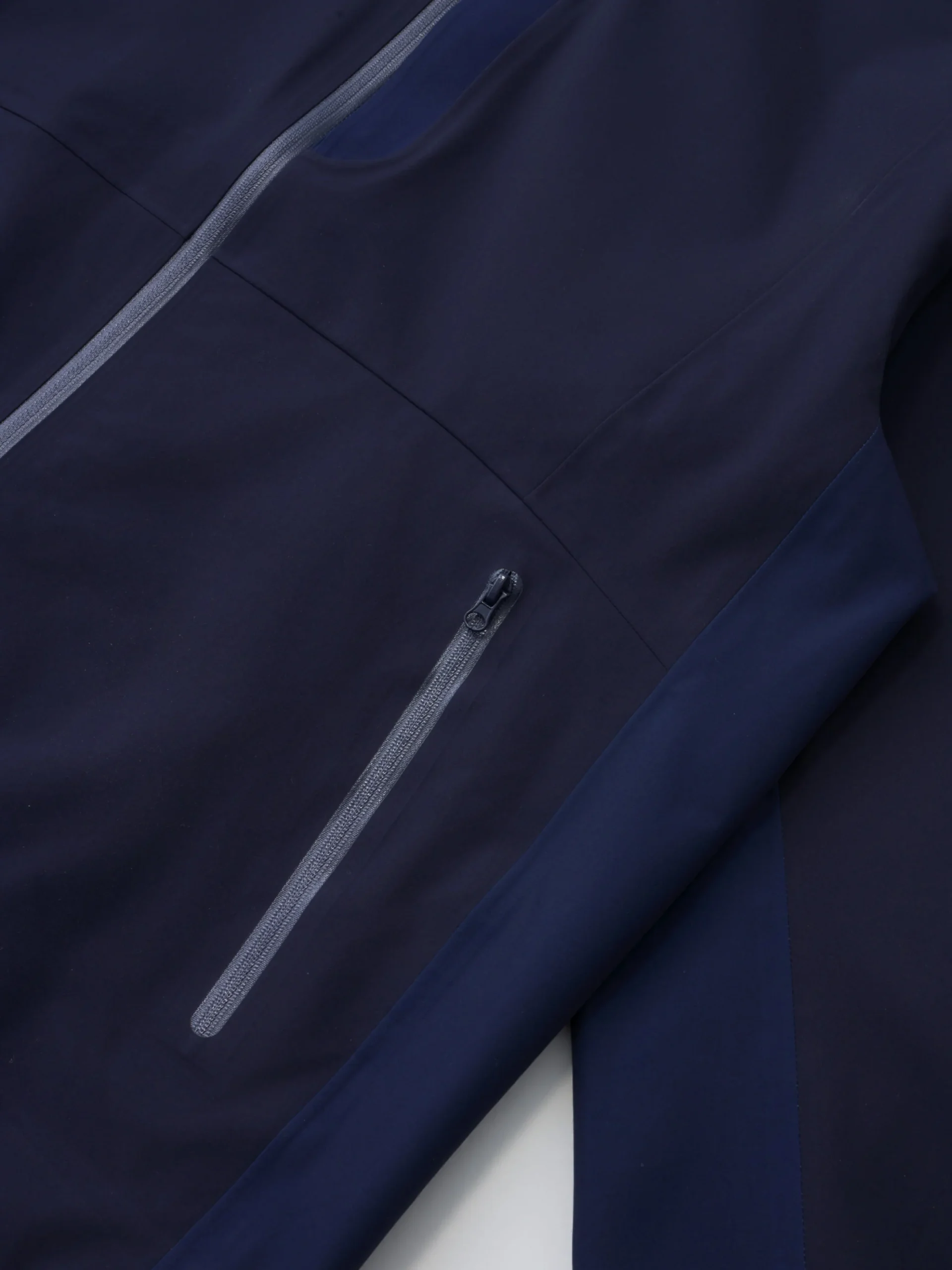
Many technical shells lean heavily into aggressive aesthetics: large pockets, exaggerated paneling, bright color blocking, and visible performance branding. The ARC LT Weight Shell Jacket 2.0 takes the opposite approach.
Its silhouette is intentionally minimal.
The jacket’s lines are clean and architectural, avoiding unnecessary visual clutter. Seams are placed strategically to maintain mobility and structural integrity without interrupting the garment’s overall flow. This restraint reflects Scandinavian design principles, where simplicity often serves as an expression of functionality.
The result is a jacket that does not immediately read as “expedition gear.” Instead, it occupies a neutral space between outdoor equipment and contemporary outerwear.
This makes it particularly adaptable to urban environments, where technical clothing has increasingly become part of everyday wardrobes.
View this post on Instagram
flow
The core purpose of any shell jacket is to protect the wearer from changing weather conditions. The ARC LT Weight Shell Jacket 2.0 is designed with precisely this scenario in mind.
Many regions—particularly coastal cities and mountainous areas—experience rapid weather fluctuations. A sunny morning can quickly transform into wind, rain, or sudden temperature drops.
In these environments, heavy insulated jackets often feel impractical. They provide warmth but can become uncomfortable during physical activity or milder temperatures.
Lightweight shells address this problem by focusing on protection rather than insulation. The ARC LT Weight Shell Jacket 2.0 acts as a barrier against wind and rain while allowing the wearer to regulate warmth through layering.
For example, during colder conditions the jacket can be worn over fleece or mid-layer insulation. In warmer weather, it functions as a breathable rain shell over lightweight clothing.
This modular approach to dressing—often referred to as a layering system—is fundamental to modern outdoor gear design.
move
While waterproofing receives most of the attention in technical outerwear, breathability is equally important.
A jacket that traps moisture inside can become uncomfortable very quickly, especially during activities such as hiking, cycling, or extended walking.
The ARC LT Weight Shell Jacket 2.0 addresses this through a breathable membrane integrated into its three-layer fabric structure. As body heat increases, the membrane allows water vapor from perspiration to escape while preventing rain from entering.
This balance between protection and ventilation helps maintain a stable microclimate inside the jacket.
The lightweight construction also contributes to comfort. Heavy outerwear can restrict movement and cause fatigue during long periods of activity. By minimizing bulk, the ARC LT Weight Shell Jacket 2.0 allows the wearer to move freely, whether navigating a trail or commuting across the city.
engineer
Outdoor garments must accommodate dynamic movement. Hiking involves climbing, reaching, bending, and navigating uneven terrain, all of which place demands on clothing.
The ARC LT Weight Shell Jacket 2.0 addresses mobility through thoughtful pattern construction. Articulated sleeves and ergonomic seam placement allow the arms and shoulders to move naturally without pulling the fabric across the back or torso.
This detail may seem subtle, but it significantly improves comfort during prolonged activity. Jackets lacking proper articulation often ride up or restrict arm movement, forcing wearers to constantly adjust them.
The streamlined fit of the ARC LT Weight Shell Jacket 2.0 balances performance and everyday wearability. It is designed to allow layering underneath while maintaining a clean profile.
evolve
The “2.0” designation suggests refinement rather than reinvention. In technical apparel, second-generation versions typically focus on improving materials, fit, and durability.
While the overall concept remains consistent—a lightweight protective shell—the updated iteration likely incorporates subtle upgrades such as improved seam construction, refined fabric lamination, or adjustments to the garment’s pattern.
These incremental improvements are common in high-quality outdoor equipment. Rather than dramatically redesigning products each season, brands gradually refine them through real-world testing and feedback.
The ARC LT Weight Shell Jacket 2.0 therefore represents an evolution informed by user experience.
tech
The popularity of lightweight shells like this one reflects broader cultural changes in how people dress and move through cities.
Outdoor aesthetics have steadily migrated into urban fashion over the past decade. Technical jackets, trail shoes, and performance fabrics are now common on city streets.
Several factors have contributed to this shift.
First, climate unpredictability has increased interest in weather-ready clothing. Second, the rise of outdoor recreation—especially hiking and trail exploration—has expanded the audience for functional gear.
Third, the blending of streetwear and outdoor design has created new stylistic possibilities.
Brands such as Hiking Patrol operate directly within this intersection, producing garments that function as equipment but also resonate within contemporary style culture.
sustainable
Another key consideration in technical outerwear is durability.
Lightweight fabrics must strike a careful balance between weight reduction and structural integrity. A jacket intended for outdoor use must resist abrasion from backpacks, rocks, and general wear.
Three-layer construction improves durability because the membrane is protected by both the outer face fabric and the interior backing. This layered architecture helps prevent damage and extends the garment’s lifespan.
Longevity is particularly important in outdoor equipment, where sustainability concerns increasingly influence consumer decisions. A durable shell that lasts many seasons ultimately reduces waste compared to disposable fast-fashion outerwear.
style
Perhaps the most compelling quality of the ARC LT Weight Shell Jacket 2.0 is its versatility.
It is not designed solely for mountaineering or extreme expeditions. Instead, it targets a wide range of everyday scenarios:
• day hikes and trail walks
• travel in unpredictable weather
• bike commuting
• urban exploration
• transitional seasons like spring and autumn
Because the jacket prioritizes lightweight protection rather than insulation, it adapts easily to different climates and layering systems.
This flexibility makes it an appealing choice for individuals who want a single reliable outer layer rather than multiple specialized jackets.
show
The jacket’s visual identity reflects a broader movement toward minimalism in outdoor apparel.
In contrast to earlier generations of technical gear—often defined by bright colors and oversized logos—many contemporary designs emphasize subtlety.
Neutral color palettes, clean construction, and understated branding allow garments to integrate seamlessly into everyday wardrobes.
The ARC LT Weight Shell Jacket 2.0 embodies this aesthetic shift. Its streamlined silhouette communicates performance through structure rather than decoration.
For many consumers, this restraint is precisely what makes the jacket appealing. It offers the reliability of technical gear without the visual noise often associated with traditional outdoor equipment.
fwd
Looking ahead, lightweight shell jackets are likely to remain central to outdoor apparel design.
Advancements in membrane technology, fabric engineering, and sustainable materials continue to improve the balance between waterproofing, breathability, and weight.
Brands are also exploring environmentally responsible alternatives such as recycled fabrics and PFAS-free water repellency treatments.
As urban lifestyles increasingly intersect with outdoor recreation, garments like the ARC LT Weight Shell Jacket 2.0 represent a new category of hybrid equipment—clothing designed not for a single environment but for the fluid movement between many.
sum
The ARC LT Weight Shell Jacket 2.0 illustrates how modern outdoor apparel has evolved beyond specialized expedition gear. By combining lightweight three-layer construction, breathable waterproof performance, and a minimalist design language, the jacket delivers reliable protection in changing weather while remaining adaptable to everyday life.
Its streamlined silhouette reflects a contemporary understanding of how people actually use technical clothing today: moving between trails, cities, travel, and daily routines without changing wardrobes.
In a world where weather patterns are unpredictable and lifestyles increasingly fluid, garments like the ARC LT Weight Shell Jacket 2.0 demonstrate that the future of outdoor apparel may lie not in specialization, but in thoughtful adaptability.
No comments yet.