Hotel Milù Milano: A Soft-Structure Stay in a City Built on Precision

April 11, 2026
12 hours ago
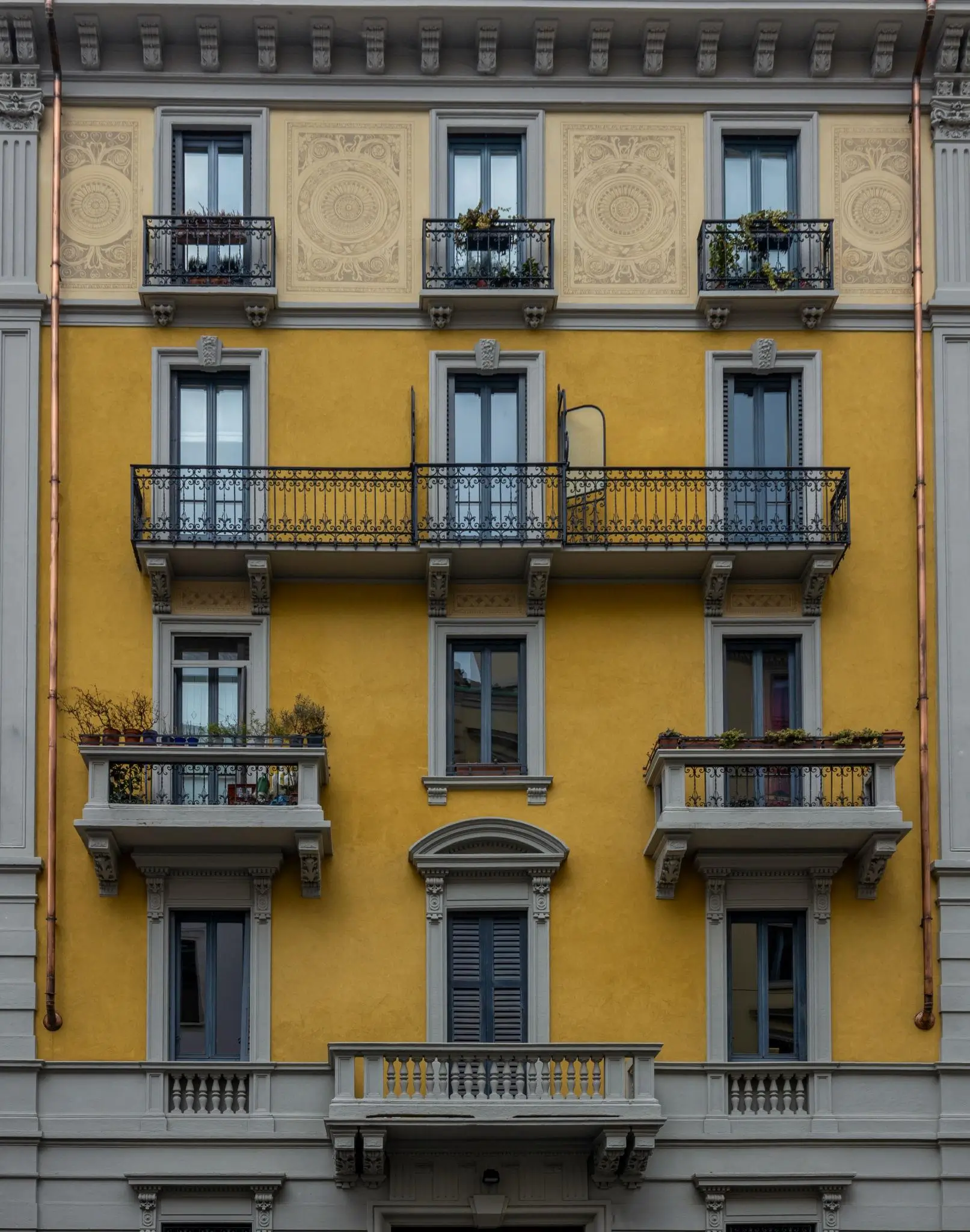
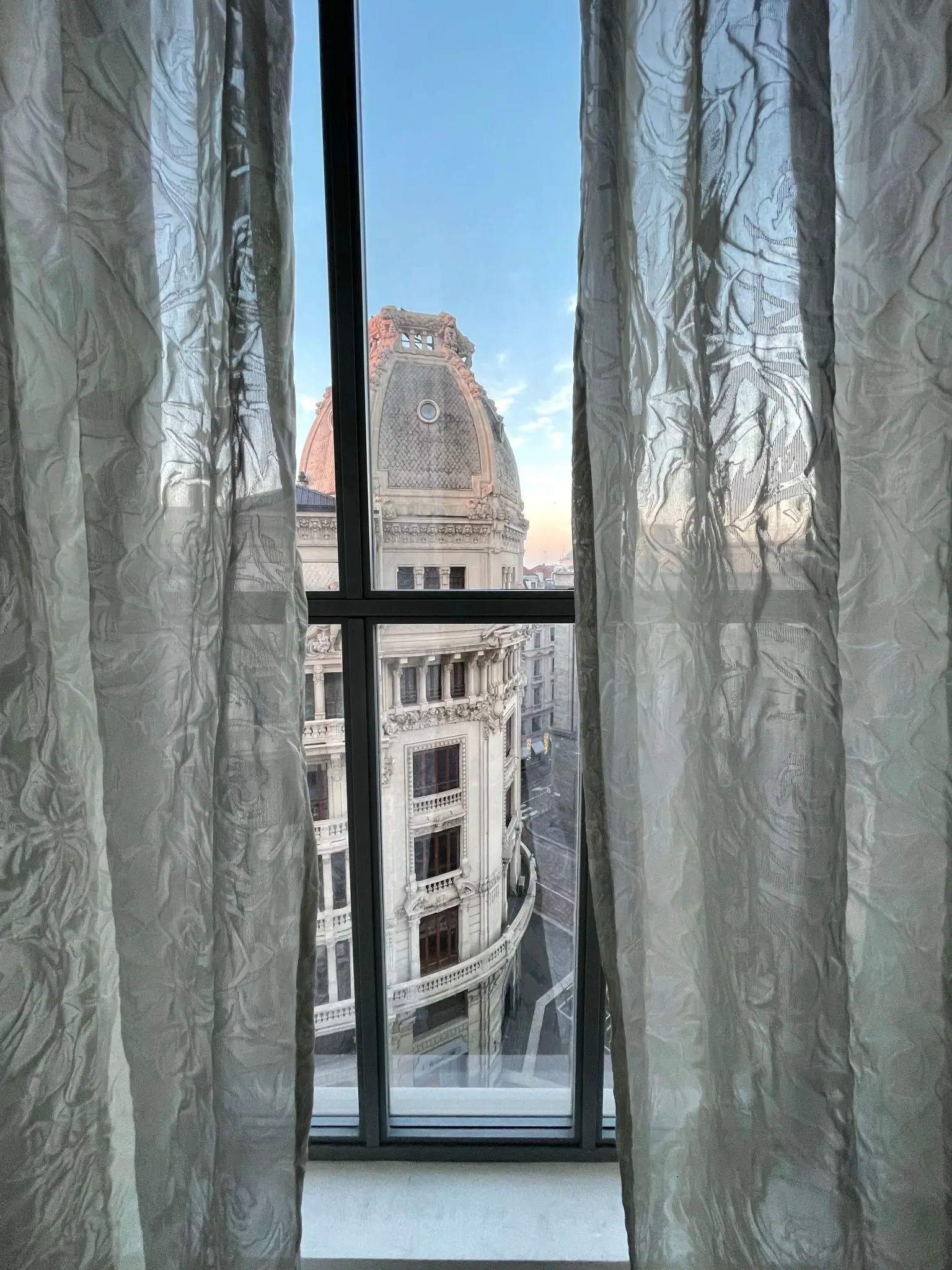
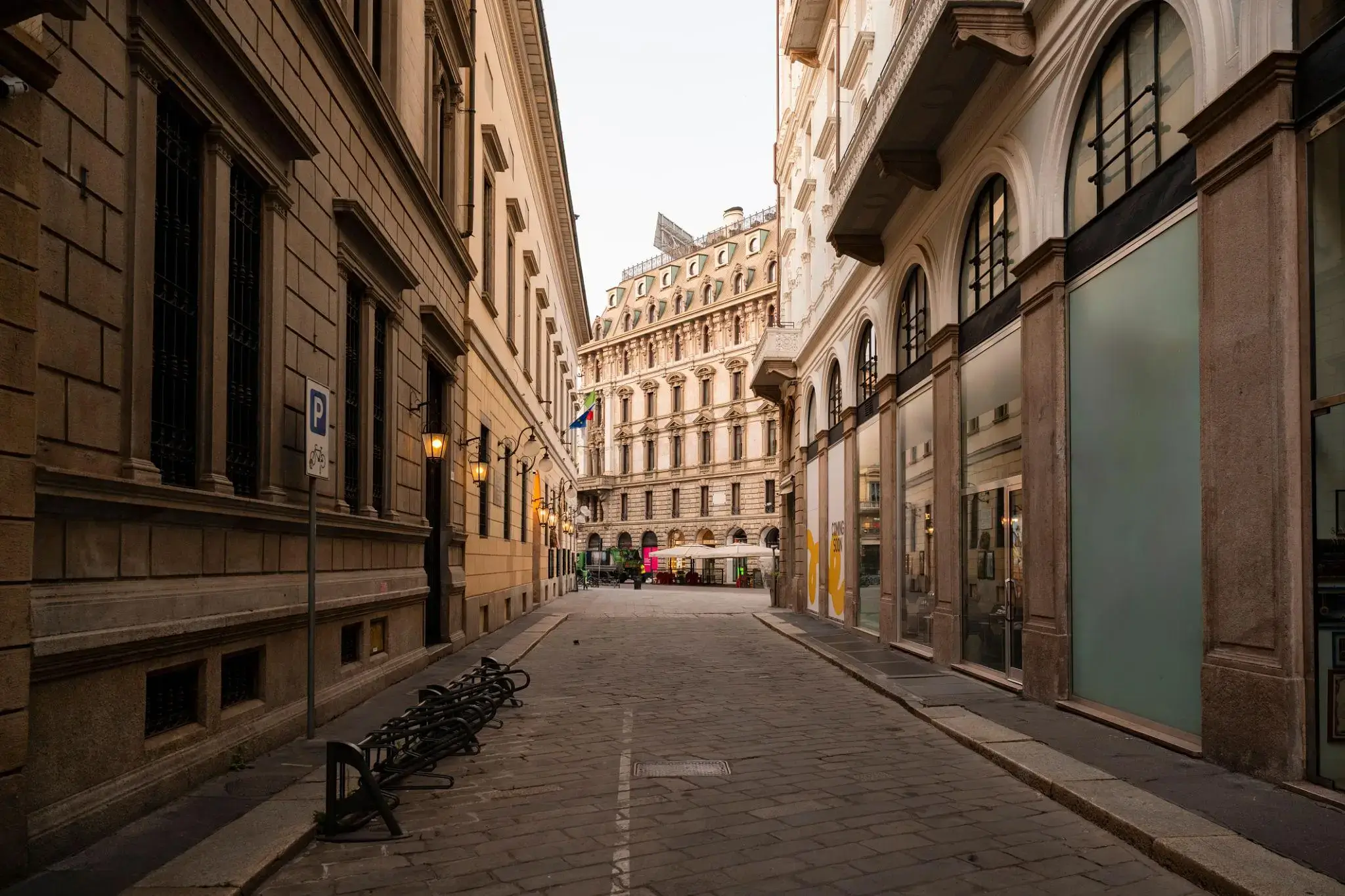

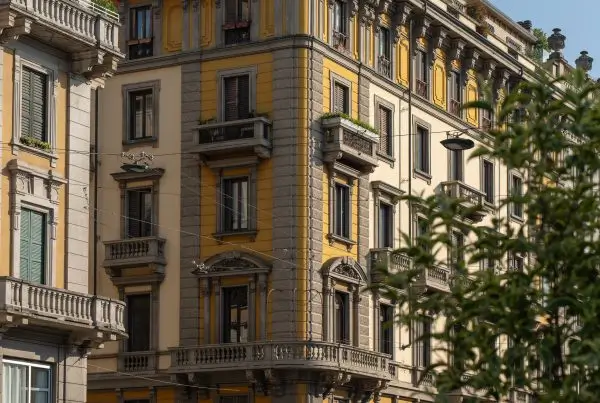
Milan rarely announces itself in the way other European capitals do. There is no overwhelming spectacle upon arrival, no immediate theatricality designed to impress. Instead, the city reveals itself through a slower, more deliberate rhythm—one built on precision, proportion, and a deeply ingrained cultural confidence. It is a place where fashion, architecture, and daily life coexist seamlessly, each reinforcing the other without competing for attention.
This restraint is what gives Milan its distinct character. The grandeur of the Duomo di Milano, for instance, does not overshadow the city’s quieter corners. Narrow streets lined with understated façades, local cafés that prioritize consistency over trend, and residential buildings that balance historical integrity with subtle modern updates all contribute to a layered urban experience. Milan is not about excess; it is about calibration.
For travelers who appreciate cities with both edge and depth, this creates a unique appeal. The experience is not immediate—it unfolds. And within that unfolding, the role of where you stay becomes crucial. A hotel in Milan is not just accommodation; it is an extension of the city’s design logic.
stir
Hotel Milù Milano positions itself within this framework with notable clarity. Rather than attempting to reinterpret Milan through exaggerated design gestures, the hotel aligns itself with the city’s inherent sensibility—measured, refined, and quietly confident.
What distinguishes Hotel Milù Milano is not an abundance of features or an overtly curated aesthetic, but a sense of cohesion. From the moment you enter, there is a noticeable absence of visual noise. The interiors are not sparse, but they are controlled. Every material, every line, and every spatial decision feels considered, contributing to an environment that is both calming and intellectually engaging.
This is boutique hospitality without affectation. The hotel does not attempt to perform “design” in a way that feels self-conscious. Instead, it allows design to emerge naturally through the relationship between materials, light, and space.
flow
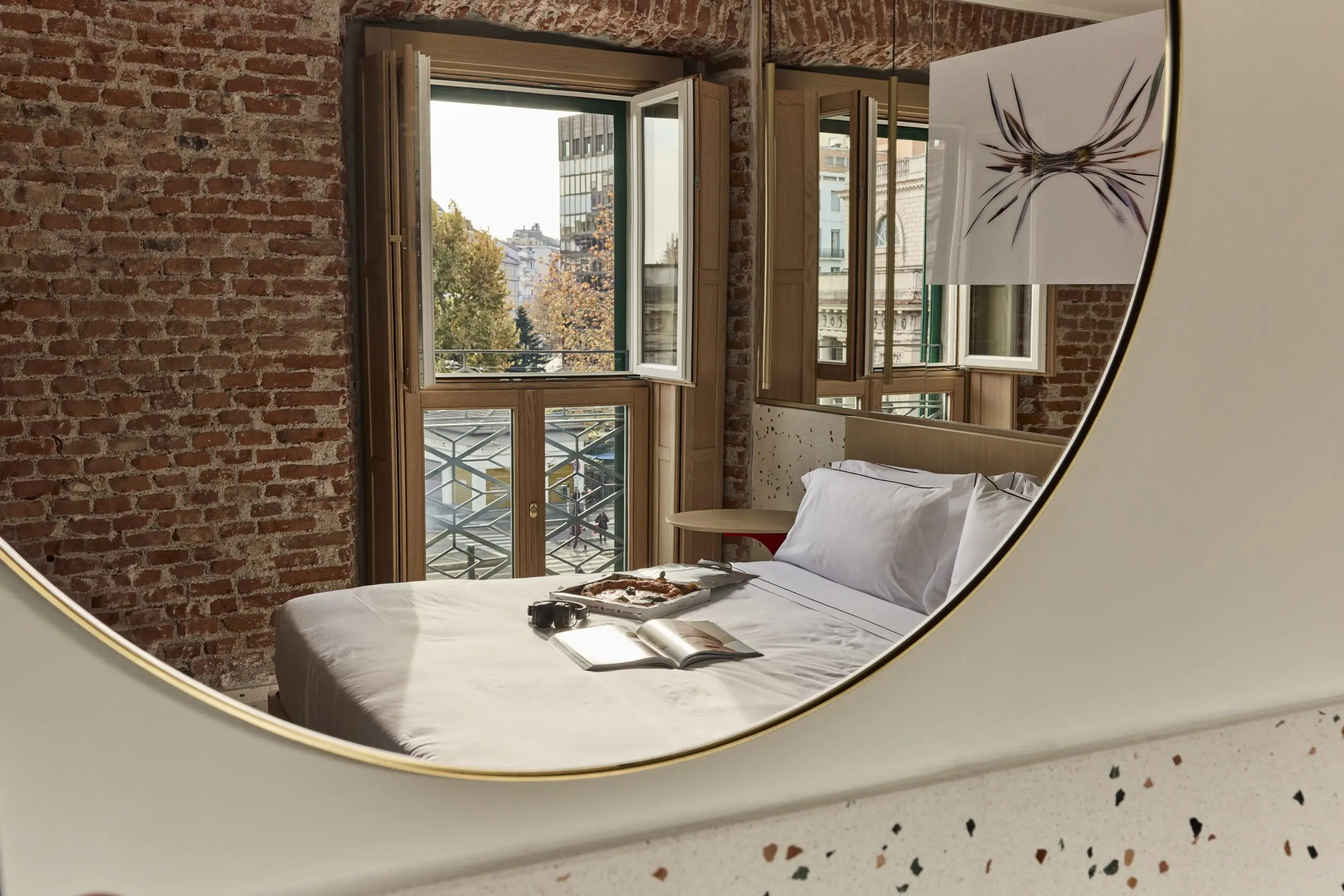
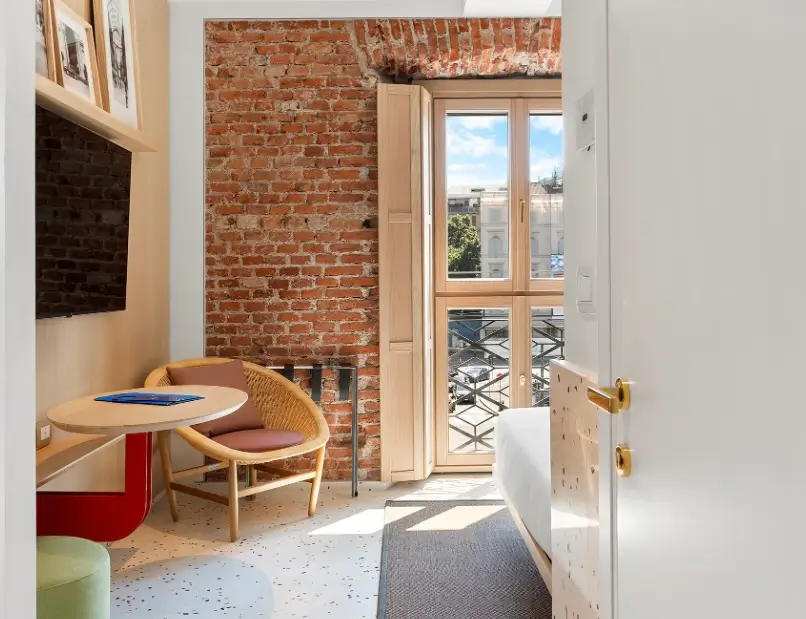
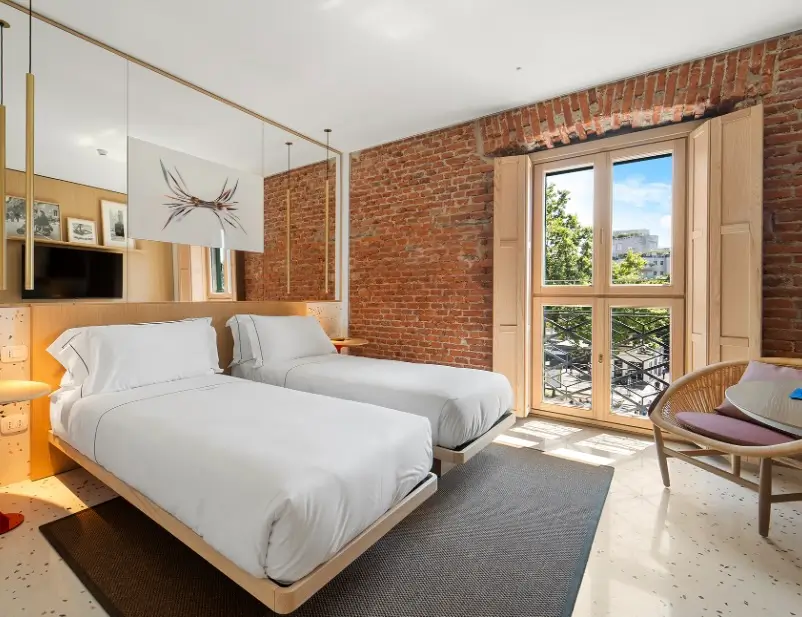
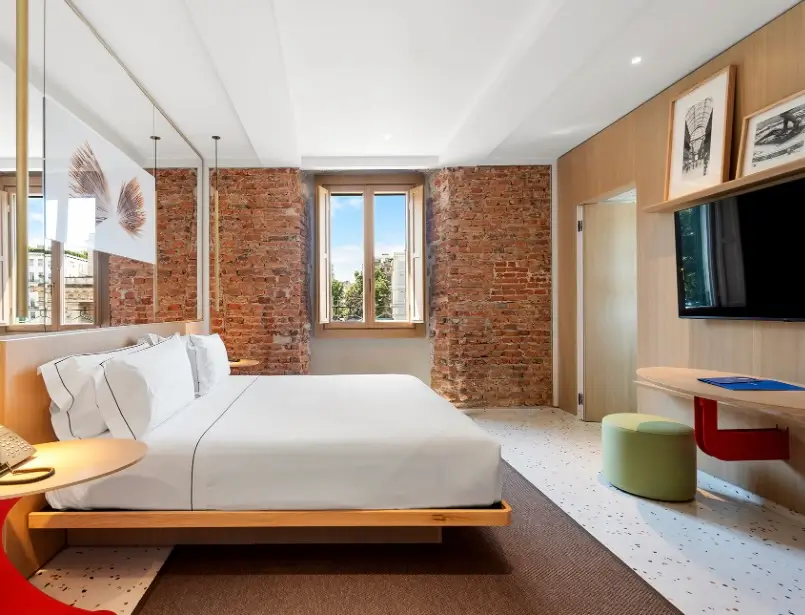
One of the most compelling aspects of Hotel Milù Milano is its architectural integrity. The building retains elements of its original structure, most notably through exposed brick walls that anchor the interiors in a tangible sense of history. These surfaces are not treated as decorative features, but as integral components of the space.
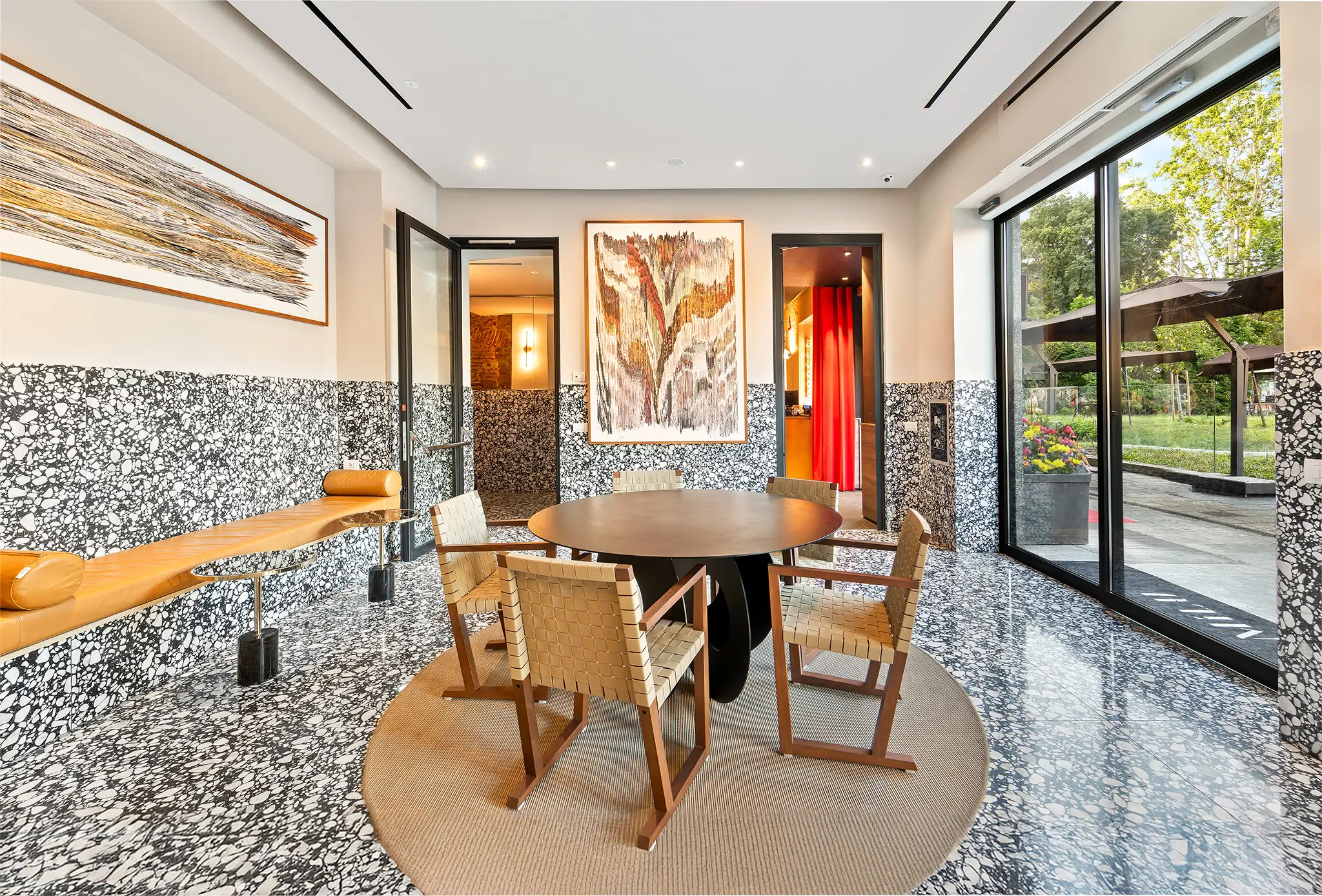
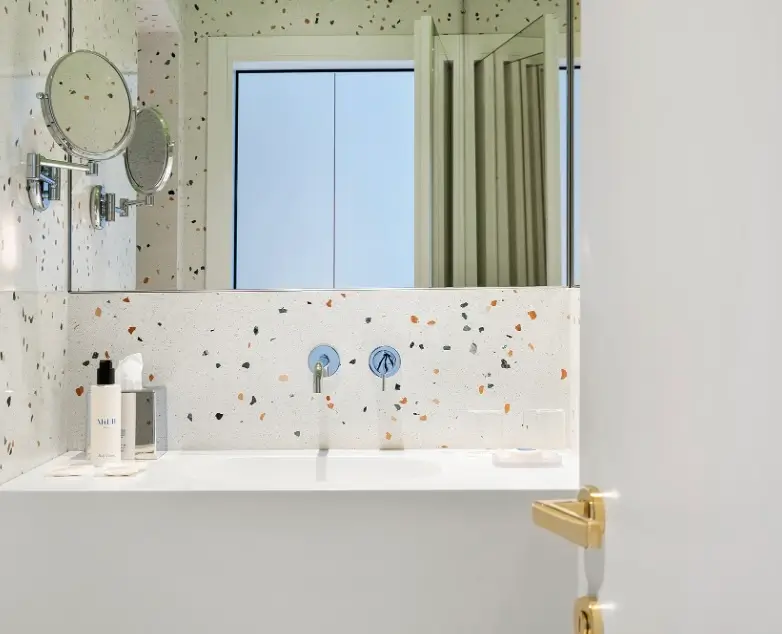
This approach creates a dialogue between past and present. The rawness of the brick contrasts with the precision of contemporary finishes, such as smooth terrazzo surfaces and clean-lined wooden frames. Rather than feeling disjointed, this contrast reinforces the overall composition, adding depth without disrupting cohesion.
Large windows framed in natural wood further enhance this connection. They allow natural light to enter generously, while also framing the surrounding city in a way that feels intentional. The view is never overwhelming; it is always contextual, offering glimpses of Milan that feel personal rather than panoramic.
idea
The rooms at Hotel Milù Milano reflect a careful balance between functionality and design clarity. Beds are low-profile and simply dressed, emphasizing comfort without unnecessary layering. The absence of excessive decoration allows the quality of materials and the proportions of the space to take precedence.
Furniture is deliberately minimal, but not sparse. Each piece serves a clear purpose, contributing to the overall usability of the room while maintaining visual harmony. A small table near the window, for example, becomes both a functional workspace and a transitional element between interior and exterior.
What makes these rooms particularly effective is their ability to adapt to different rhythms of use. During the day, natural light defines the space, creating a sense of openness. In the evening, softer lighting shifts the atmosphere, making the room feel more intimate. This adaptability ensures that the experience remains dynamic without requiring any physical changes to the layout.
debut
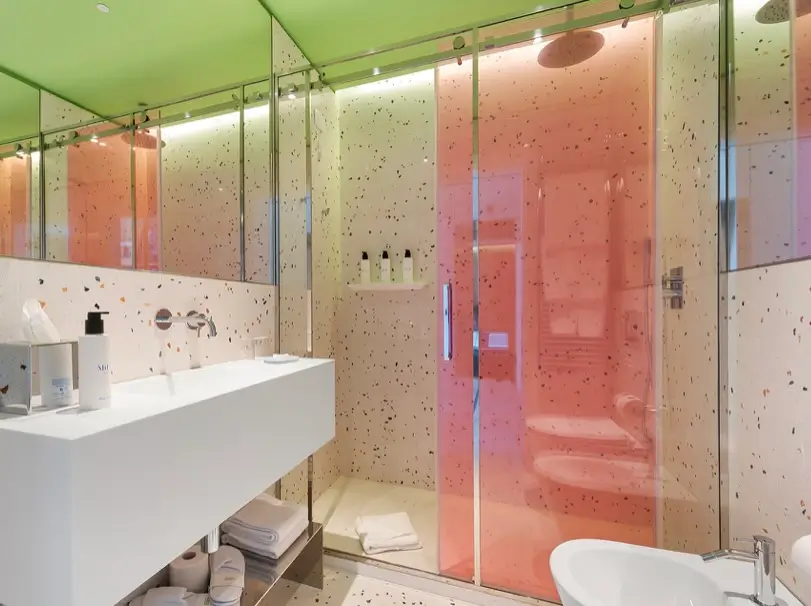
Bathrooms at Hotel Milù Milano introduce a subtle yet effective contrast to the rest of the space. While maintaining the material continuity established in the rooms, they incorporate elements that shift the sensory experience.
Terrazzo surfaces continue here, but their interaction with light changes. Colored glass panels—often in soft pink or warm tones—filter light in a way that alters perception without overwhelming the space. This creates a gentle layering effect, adding depth while maintaining clarity.
Fixtures are streamlined and integrated into the architecture, reinforcing the overall sense of cohesion. Mirrors extend beyond simple functionality, contributing to the spatial perception by reflecting light and expanding the visual field.
The result is a bathroom that feels distinct yet connected—a continuation of the room’s design language with a slightly more experimental edge.
View this post on Instagram
intent
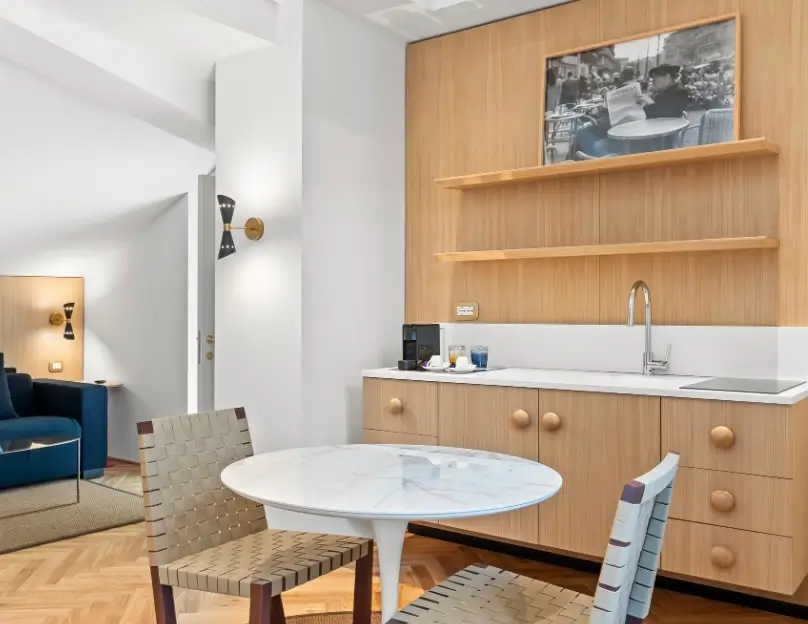
One of the challenges of boutique hospitality in a city like Milan is working within spatial constraints. Hotel Milù Milano addresses this not by attempting to expand space artificially, but by using it more intelligently.
Compact areas such as dining nooks and transitional spaces are designed with precision. A round table, a carefully positioned chair, and a well-placed light source can transform a small corner into a functional and inviting area. These spaces do not feel like compromises; they feel intentional.
This approach reflects a broader understanding of how space is used in urban environments. Rather than prioritizing size, the hotel prioritizes usability and proportion, ensuring that every area contributes meaningfully to the overall experience.
show
Light conjures a center role in shaping the atmosphere of Hotel Milù Milano. Natural light is prioritized wherever possible, with large windows and reflective surfaces used to maximize its impact.
Throughout the day, the quality of light changes, subtly altering the perception of materials and space. Morning light highlights textures, midday light flattens contrasts, and evening light introduces warmth. Artificial lighting is used sparingly, designed to complement rather than replace natural light.
This dynamic quality ensures that the space never feels static. Instead, it evolves over time, offering a slightly different experience depending on when you occupy it.
region
The location of Hotel Milù Milano reinforces its appeal. Situated within the broader fabric of Milan, it provides easy access to key cultural and commercial areas without placing guests directly in the most congested zones.
This balance allows for a more nuanced experience of the city. You can engage with Milan’s energy when desired, then return to a space that feels calm and grounded. The transition is seamless, reflecting the hotel’s overall philosophy of integration rather than separation.
shh
Hotel Milù Milano succeeds because it understands its context. It does not attempt to redefine Milan or impose a separate identity. Instead, it reflects the city’s core qualities—precision, restraint, and depth—within a more intimate scale.
For travelers, this creates a sense of continuity. The experience of the hotel does not feel separate from the experience of the city; it feels like an extension of it. This alignment enhances the overall stay, making it more cohesive and memorable.
clue
Hotel Milù Milano is not a destination that relies on immediate impact. Its appeal lies in its consistency, its attention to detail, and its ability to create an environment that feels both considered and effortless.
In a city like Milan, where substance often outweighs spectacle, this approach feels not only appropriate but essential. It is a hotel that understands its role—not as a statement, but as a setting.
And in doing so, it offers something increasingly rare: a place that feels complete without needing to prove it.