Hyundai MobED: A Mobile Eccentric Droid for the Architecture of Movement

March 25, 2026
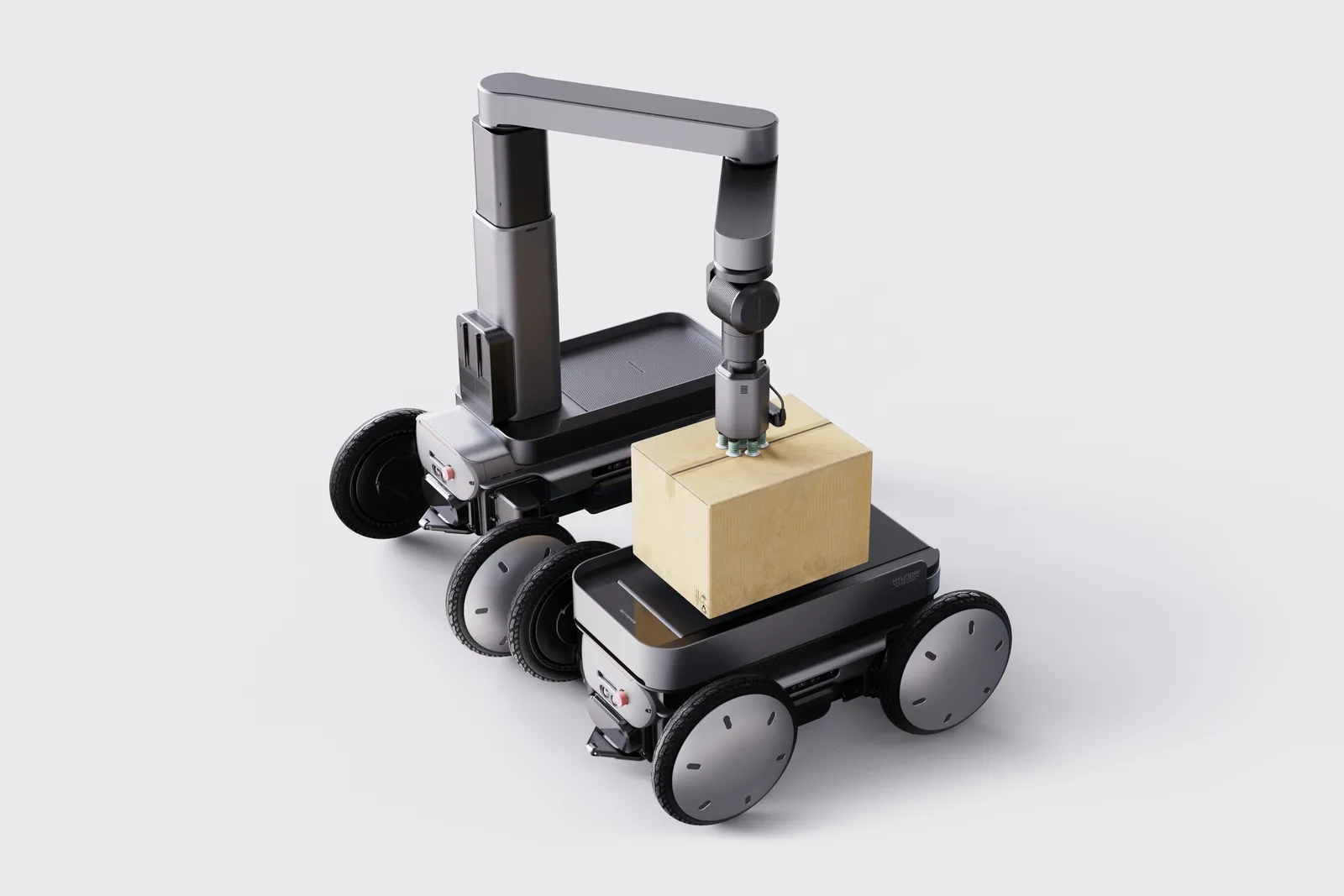
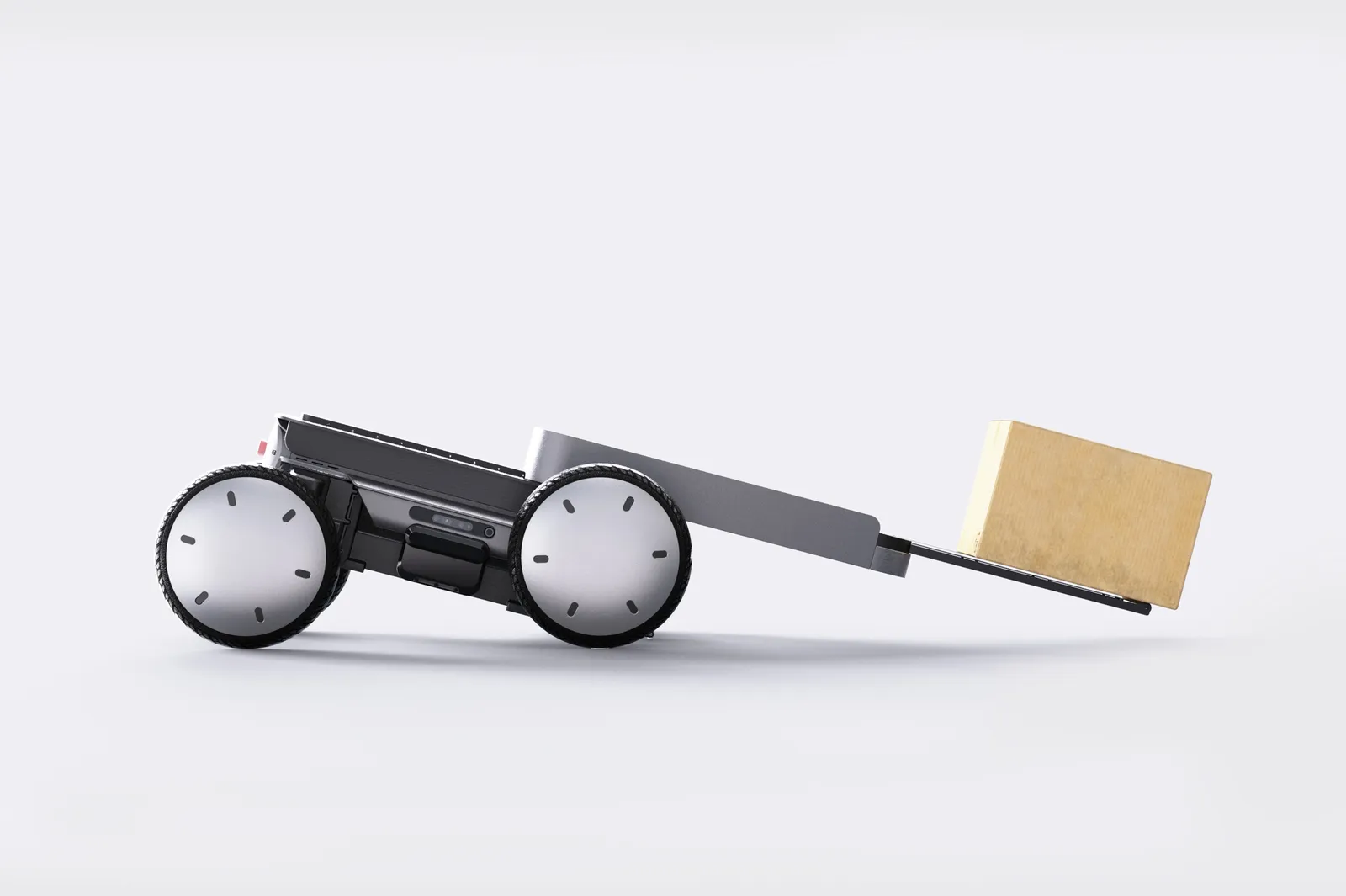
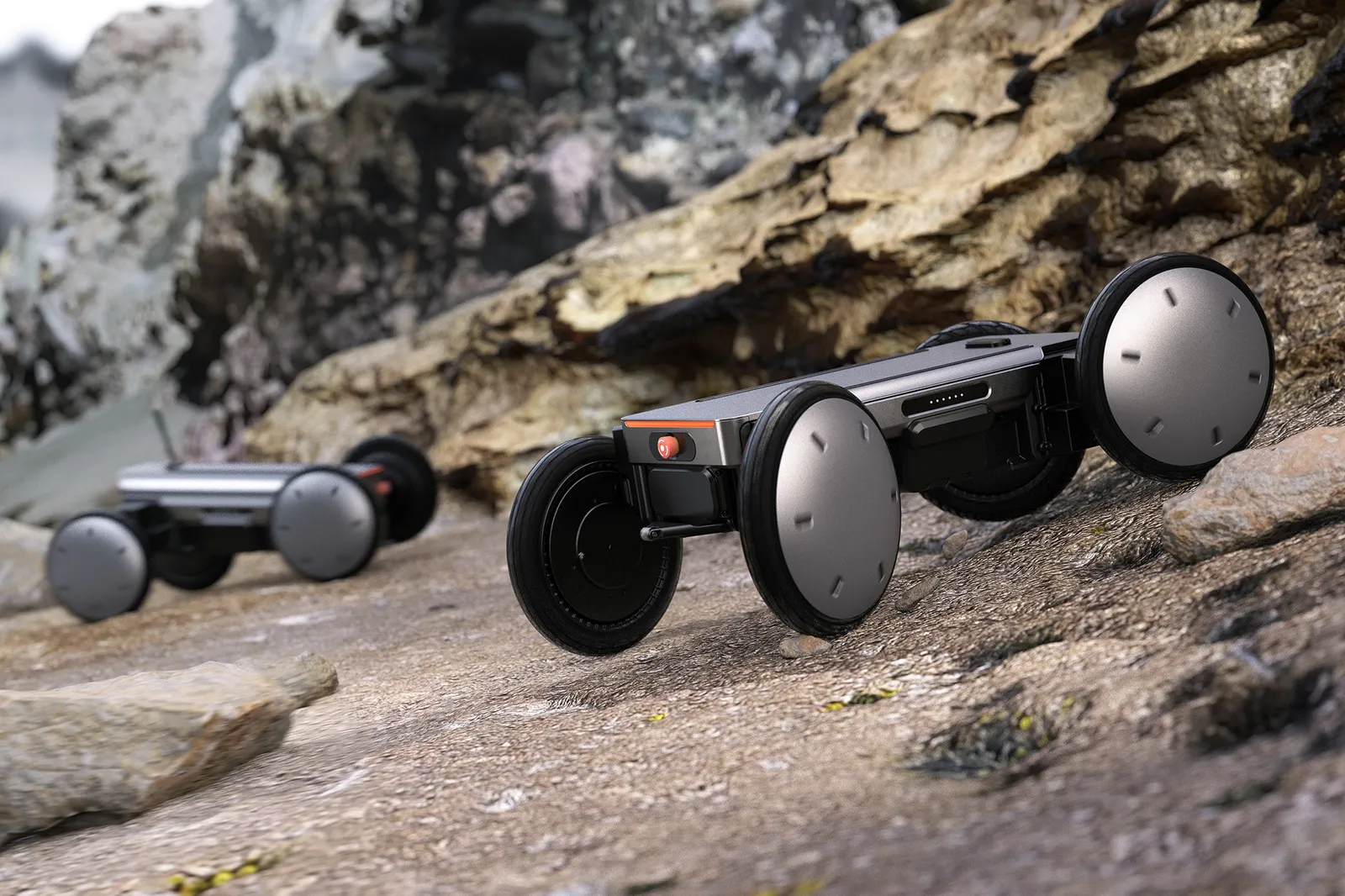
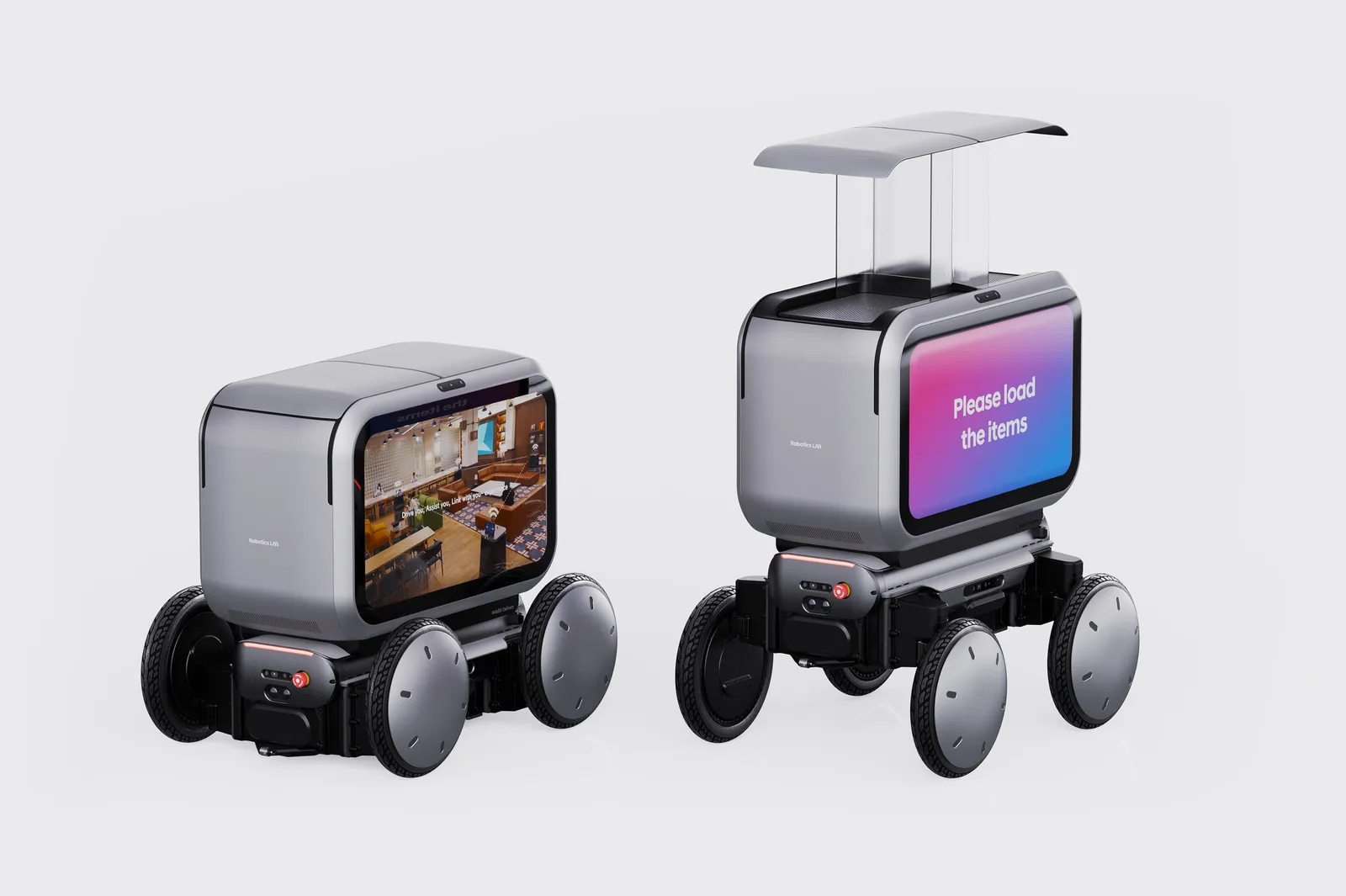
The language of mobility is quietly shifting. Where the automobile once stood as the definitive object of movement—enclosed, human-centered, linear—today’s most experimental platforms are dissolving those boundaries. Into this evolving space arrives the MobED, short for Mobile Eccentric Droid, a robotics platform developed by Hyundai Motor Company through its advanced Robotics LAB.
First revealed as a concept, the MobED has since matured into something more indicative of Hyundai’s long-term thinking: a modular, wheel-based robotic system designed not to transport people, but to move objects, environments, and potentially entire micro-architectures across complex terrain. By 2026, the MobED reads less like a novelty and more like a foundational unit in Hyundai’s broader robotics ecosystem—one that extends beyond cars into logistics, automation, and adaptive infrastructure.
frame
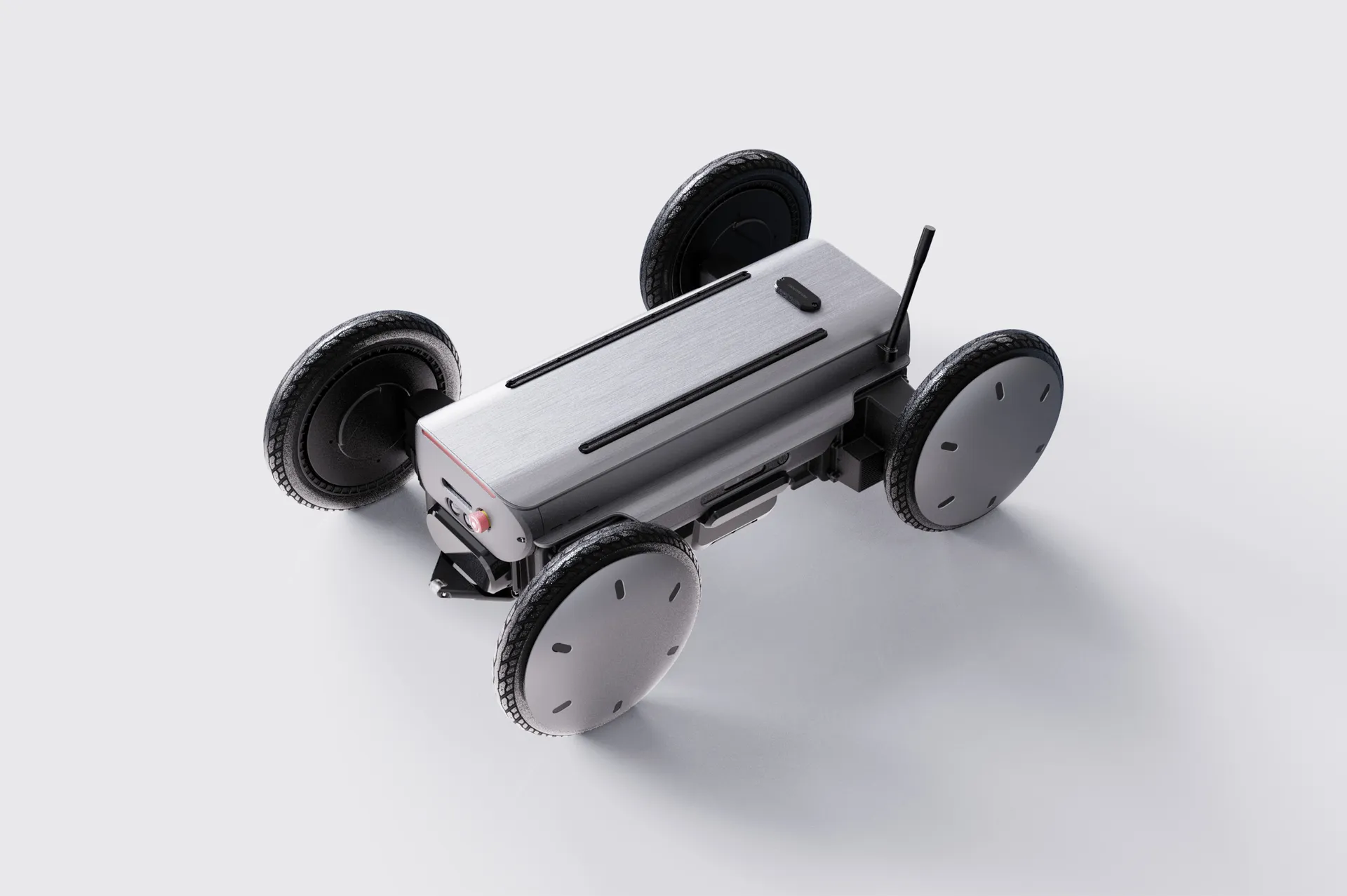
The MobED challenges the very premise of what a “vehicle” is. It has no cabin, no driver interface, no defined front or rear. Instead, it is a flat, rectangular platform mounted on four highly articulated wheels, each capable of independent steering, suspension adjustment, and power delivery.
This configuration allows the MobED to maintain stability across uneven surfaces while keeping whatever it carries level—a crucial distinction. Where traditional wheeled systems react to terrain, the MobED actively compensates for it.
The underlying concept is deceptively simple: separate the act of movement from the structure of what is being moved. In doing so, Hyundai creates a system where the payload—whether a delivery container, a camera rig, or an industrial module—can remain stable, while the mobility unit adapts dynamically beneath it.
This inversion of priorities signals a broader shift in robotics: mobility as infrastructure, not object.
Hyundai Motor Group unveils MobED, its first mass-produced mobility robot platform — built for adaptive, autonomous and multi-purpose use.
— Hyundai Motor Group (@HMGnewsroom) December 3, 2025
stir
At the core of the MobED’s capability is its eccentric wheel mechanism. Each of the four wheels operates on an independent suspension system that allows for vertical travel, tilt adjustment, and rotational steering beyond the constraints of traditional axles.
This means the platform can:
Maintain a level top surface while traversing slopes or obstacles
Adjust its wheelbase dynamically for stability or maneuverability
Rotate in place or move laterally, similar to omnidirectional robots
The term “eccentric” is not merely stylistic—it refers to the offset rotational axis that enables these movements. By decoupling the wheel’s rotational center from its structural mount, Hyundai creates a system capable of absorbing shocks and adapting to terrain in real time.
In practical terms, the MobED can carry fragile payloads—glass, electronics, medical equipment—across environments that would typically require far more complex stabilization systems.
idea
While compact in appearance, the MobED is engineered for meaningful load-bearing applications. It supports payloads in the range of approximately 50 kilograms, with a top speed around 30 km/h under optimal conditions.
Battery architecture is designed for modularity, allowing for quick swaps or extended operation depending on deployment context. The platform’s dimensions—roughly the footprint of a small coffee table—make it adaptable to both indoor and outdoor environments.
What distinguishes the MobED is not raw power, but consistency. It is designed to maintain performance across varied surfaces: gravel, inclines, steps, and uneven industrial flooring.
This reliability positions it less as a specialized robot and more as a general-purpose mobility unit.
flow
Hyundai positions the MobED within two primary domains: last-mile delivery and industrial logistics. Both sectors share a common challenge—moving goods efficiently across environments that are not fully standardized.
In last-mile delivery, the MobED could function as a final-stage courier within dense urban areas or campuses. Its ability to navigate sidewalks, ramps, and mixed terrain gives it an advantage over traditional wheeled robots, which often struggle with curbs or irregular surfaces.
In industrial settings, the MobED becomes something closer to a mobile workstation. It can transport components across factory floors, serve as a base for robotic arms, or even act as a dynamic platform for inspection systems.
There is also a more speculative dimension. Hyundai has demonstrated use cases where the MobED carries camera rigs for film production, maintaining perfectly stabilized shots while moving across challenging terrain. In this context, it becomes a tool for creative industries—a robotic dolly that redefines how motion is captured.
min
Visually, the MobED adheres to a stripped-back industrial design language. Its rectangular platform, exposed mechanical components, and compact proportions emphasize function over form.
Yet there is a quiet intentionality to its appearance. The symmetry of the four-wheel configuration, the precision of its joints, and the understated color palette position it within Hyundai’s broader design ethos—one that increasingly bridges automotive, robotics, and architectural thinking.
It is not designed to be anthropomorphic. There are no gestures toward human likeness, no attempts at familiarity. Instead, the MobED embraces its identity as a machine—transparent in purpose, direct in execution.
hum
The MobED is not an isolated experiment. It sits within a larger strategic pivot by Hyundai Motor Company toward robotics and advanced mobility solutions.
Following its acquisition of Boston Dynamics, Hyundai has increasingly positioned itself as a robotics company as much as an automaker. The MobED complements humanoid robots like Atlas and quadrupeds like Spot by addressing a different layer of the mobility stack: ground-level transport.
Where Boston Dynamics focuses on mobility in complex environments through legged systems, the MobED explores what wheeled platforms can achieve when freed from conventional constraints.
Together, these systems suggest a future where mobility is not monolithic, but distributed—different forms optimized for different tasks, all operating within a connected ecosystem.
now
By 2026, the MobED has evolved beyond its initial concept phase. The focus has shifted toward integration—how the platform interfaces with sensors, AI systems, and broader logistical networks.
Advancements include:
Improved stabilization algorithms for smoother payload handling
Enhanced autonomy through sensor connect (LiDAR, cameras, ultrasonic systems)
Integration with fleet management software for coordinated multi-unit operation
These developments position the MobED not just as a standalone robot, but as part of a larger system—one that can be deployed in fleets, coordinated through centralized control, and adapted to specific operational contexts.
This shift mirrors broader trends in robotics, where value increasingly lies in systems rather than individual units.
scale
One of the most compelling aspects of the MobED is its scalability. The platform’s modular design suggests it could be adapted into larger or smaller variants, depending on use case.
A scaled-up version could function as a mobile platform for construction materials or even micro-architecture—temporary structures that move and adapt to changing needs. A smaller variant could operate within homes or hospitals, transporting items with minimal human intervention.
This scalability aligns with Hyundai’s vision of “Mobility of Things” (MoT), where movement is embedded into objects and environments, rather than confined to vehicles.
challenge
Despite its promise, the MobED faces practical challenges. Regulatory frameworks for autonomous delivery robots remain inconsistent across regions, particularly in urban environments. Infrastructure—sidewalks, buildings, industrial layouts—may require adaptation to fully accommodate such systems.
There is also the question of cost. While Hyundai has not publicly detailed pricing, the complexity of the MobED’s engineering suggests it will initially be positioned within enterprise and industrial markets rather than consumer applications.
Battery life, maintenance requirements, and long-term durability in varied conditions will also determine its viability at scale.
These constraints do not diminish the MobED’s significance, but they frame its trajectory: gradual integration rather than immediate ubiquity.
theme
What the MobED ultimately represents is a rethinking of movement itself. It is not a car, nor a robot in the traditional sense. It is a platform—one that separates mobility from form, function from structure.
In doing so, it opens up new possibilities. Objects that move themselves. Environments that adapt dynamically. Systems where mobility is not centralized, but distributed across countless small units working in coordination.
For Hyundai Motor Company, the MobED is a signal of intent. The company is no longer solely concerned with how people move from place to place, but with how movement can be embedded into the fabric of everyday life.
fin
The MobED does not seek to replace the automobile. Instead, it operates alongside it, addressing forms of movement that cars were never designed to handle.
It is quiet, utilitarian, and deliberately unassuming. Yet within its compact frame lies a set of ideas that feel expansive: mobility as infrastructure, robotics as extension, design as system.
In the context of 2026, the MobED stands as one of the clearest expressions of Hyundai’s evolving identity—not just as a manufacturer of vehicles, but as an architect of movement in its most elemental form.