Review: J. Cole’s “Old Dog” Finds Its Gritty Stage in an Auto Garage

March 9, 2026
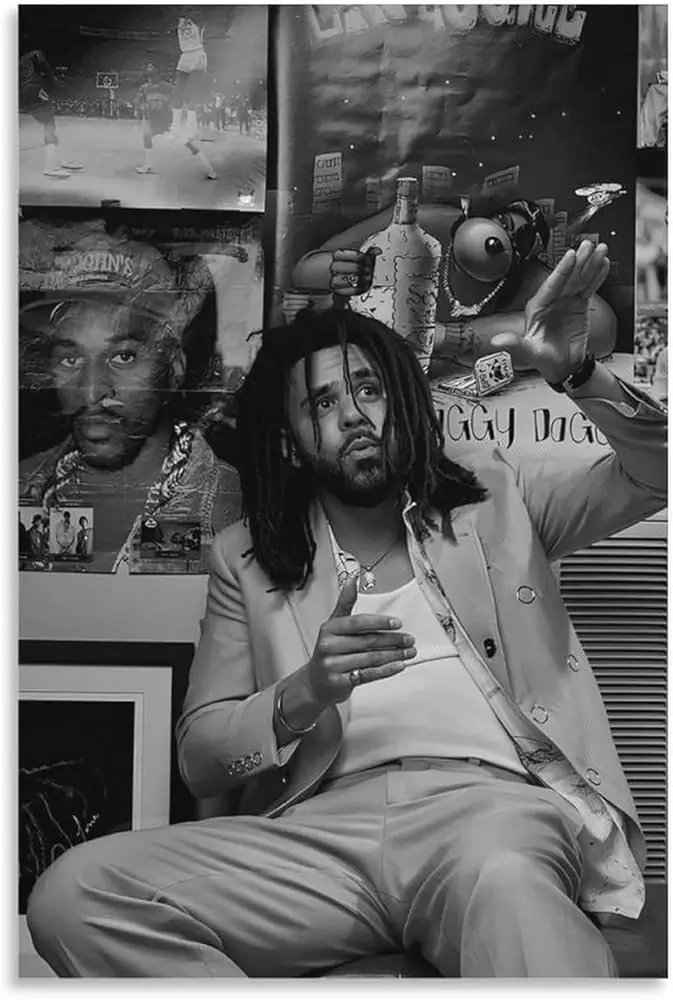
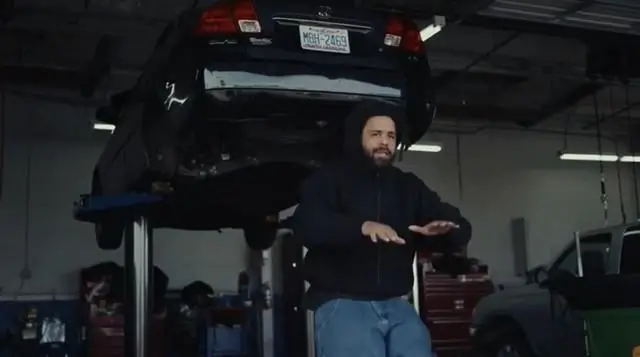
J. Cole filming a music video in an auto repair shop might sound like a scene lifted from a screenplay, but for fans in the moment it felt like one of those spontaneous cultural snapshots that defines hip-hop’s connection to everyday life. The rapper—known as much for his introspective storytelling as his understated public persona—recently turned an inconvenient car breakdown into the setting for the visual treatment of his song “Old Dog.” What began as a stalled ride reportedly became an impromptu stage, with the gritty realism of a repair garage providing the perfect visual metaphor for the track’s themes of endurance, reflection, and maturity.
stir
The story began with a mechanical hiccup. While traveling in a modest Honda Civic, a vehicle long associated with practical reliability rather than celebrity extravagance, Cole’s car reportedly broke down near a local auto repair shop. For most drivers, such a moment would signal frustration and delay. For an artist like Cole—whose career has been defined by turning ordinary life into narrative material—it became a spark of inspiration.
Instead of waiting quietly for repairs, the rapper and his team began filming scenes for the music video to “Old Dog” directly inside the shop. The setting—grease-stained floors, hydraulic lifts, and tool-lined walls—offered an authentic backdrop that aligned with the reflective tone of the track. Mechanics reportedly continued working while cameras rolled, creating an unfiltered environment rarely replicated on a traditional set.
Moments like this highlight one of the defining characteristics of Cole’s creative process: adaptability. Rather than staging elaborate productions, he often favors environments that mirror the lived experiences explored in his lyrics.
grow
“Old Dog,” the track at the center of the video, carries the thematic weight listeners have come to expect from Cole. Across his catalog—from early mixtapes to critically acclaimed studio albums—his music frequently explores the tension between youthful ambition and adult introspection.
The phrase “old dog” evokes the familiar idiom about learning new tricks, but within the context of Cole’s songwriting it becomes something more layered. The term can suggest resilience, longevity, and the wisdom earned through years navigating both fame and personal evolution.
The repair shop setting inadvertently reinforces those ideas. Just as mechanics restore vehicles worn down by time and miles, the song reflects on maintaining purpose and direction despite the wear of experience. The imagery of tools, engines, and labor parallels the internal work artists must do as their careers mature.
For Cole, who emerged in the late 2000s as one of hip-hop’s most thoughtful voices, that theme resonates strongly. His trajectory—from underground mixtape favorite to one of rap’s most respected lyricists—has always balanced success with self-examination.
a view
Music videos often rely on polished sets and stylized aesthetics. Cole, however, has long leaned toward a documentary-like visual style. By filming inside an actual repair shop rather than recreating one on a soundstage, the “Old Dog” video continues that tradition.
The aesthetic echoes earlier visuals from his catalog, where everyday environments—basketball courts, suburban streets, modest homes—serve as narrative anchors. These spaces ground his storytelling in authenticity, reflecting the social realities that shaped his upbringing in Fayetteville, North Carolina.
In the case of “Old Dog,” the garage becomes more than a backdrop. It symbolizes a crossroads between motion and pause. Cars represent movement, progress, and travel, yet a breakdown forces reflection. That duality mirrors the song’s meditation on the passage of time.
symbol
The presence of a Honda Civic in the story may seem like a minor detail, but culturally it carries weight. Unlike luxury vehicles frequently showcased in hip-hop imagery, the Civic is associated with everyday drivers—students, commuters, families.
Cole’s decision to drive such a car aligns with the grounded persona he has cultivated throughout his career. While many artists emphasize excess and opulence, Cole’s public identity often emphasizes relatability. Fans have long embraced this contrast, viewing him as someone who never fully detached from ordinary life despite global fame.
By incorporating the car’s breakdown into the music video narrative, the story subtly reinforces that identity. The situation is familiar to almost anyone who has owned a vehicle long enough: an unexpected stall, a roadside stop, a mechanic diagnosing the issue.
That universality becomes part of the video’s storytelling.
flow
Cole’s impromptu filming moment also speaks to a broader tradition within hip-hop culture: improvisation. From the earliest block parties in the Bronx to modern viral music videos, the genre has always thrived on spontaneity.
Artists frequently transform whatever environment is available into a stage. Street corners become performance spaces. Neighborhood murals become visual backdrops. In this lineage, an auto repair shop becomes simply another canvas.
Such improvisational creativity often produces visuals that feel more authentic than meticulously planned productions. The unscripted energy can capture genuine interactions between artists, crew members, and bystanders.
anticip
News of the unusual filming location quickly circulated among fans online. Social media posts and short clips captured glimpses of Cole moving through the garage, interacting with mechanics and crew members while cameras rolled.
For many followers, the moment reinforced what they admire about him: an artist who remains comfortable in unglamorous environments and capable of transforming ordinary circumstances into creative output.
In an era when music videos can involve million-dollar budgets and elaborate digital effects, the idea of filming spontaneously in a repair shop felt refreshingly human.
broad
The “Old Dog” video’s origin story reflects a larger pattern in contemporary music culture. Audiences increasingly gravitate toward authenticity—moments that feel unscripted and real rather than overly manufactured.
Cole has consistently leaned into that sensibility. His music rarely relies on spectacle; instead, it centers on storytelling, introspection, and lived experience. Even his live performances often emphasize emotional connection over theatrical production.
The auto shop video shoot fits seamlessly within that ethos. It turns an inconvenience into a narrative opportunity and underscores the idea that creativity can emerge anywhere.
turn
At its core, the story of the “Old Dog” video is about transformation. A mechanical breakdown could have halted the day’s plans entirely. Instead, it became part of the artistic process.
That mindset—viewing obstacles as raw material rather than setbacks—has long been central to hip-hop’s creative DNA. For Cole, it also mirrors the themes that have defined his career: perseverance, reflection, and growth through adversity.
Whether the Honda Civic ultimately required a simple repair or something more extensive almost feels beside the point. What remains memorable is how the moment was repurposed into art.
sum
In many ways, the repair shop setting feels like an accidental metaphor for Cole himself. Just as mechanics keep aging engines running, he has spent years refining his craft, adjusting to changing musical landscapes while maintaining the core principles that first defined his work.
“Old Dog,” both as a song and as a video concept, seems to acknowledge that passage of time. Experience leaves marks—scratches, dents, wear—but it also brings resilience and knowledge.
Filming inside a working garage simply makes that metaphor visible.
For fans watching the finished video, the scene of a rapper delivering reflective verses among toolboxes and engines may appear deliberate, even poetic. Few might guess that the setting began as an inconvenient breakdown on an ordinary drive.
But sometimes the most compelling creative moments start exactly that way: an unexpected stop, a change of plans, and the decision to keep moving forward anyway.

No comments yet.