Jason Day Asked to Cover Logo at the Farmers Insurance Open: A Clash of Tradition and Modern Branding

January 27, 2025
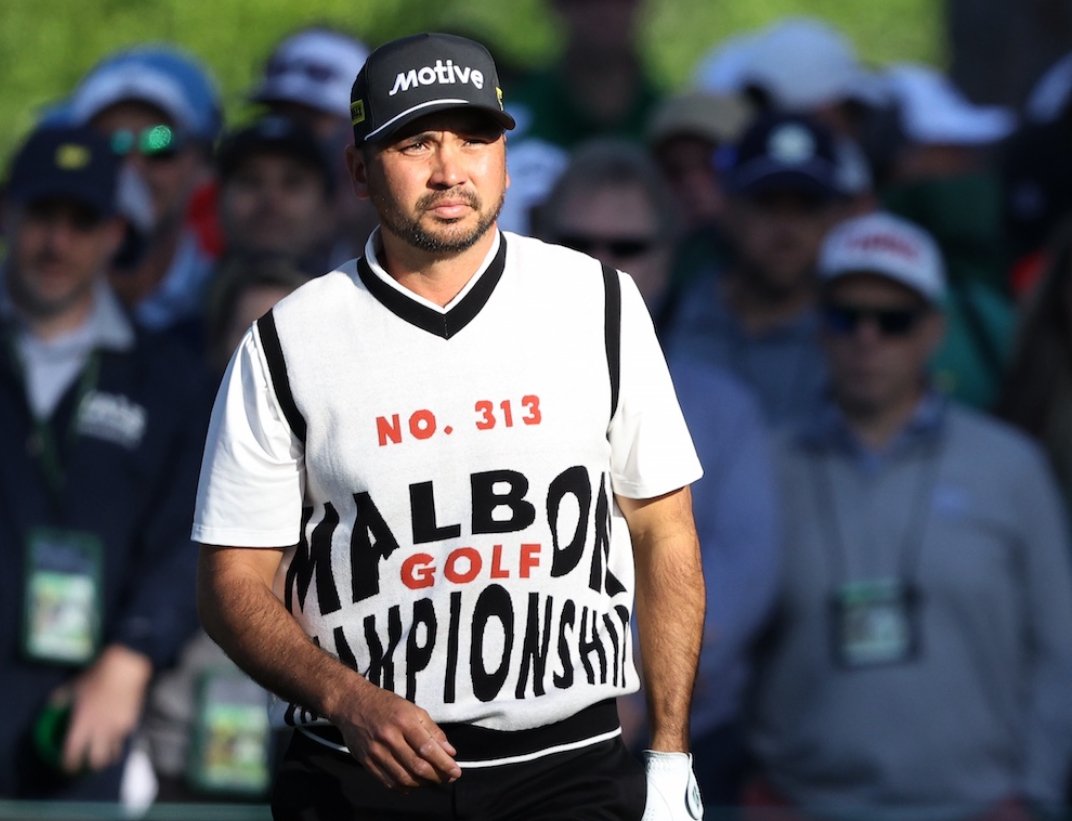
The 2025 Farmers Insurance Open at Torrey Pines took an unexpected turn when professional golfer Jason Day was asked to cover or remove his Malbon Golf jacket before the start of the third round. The incident, which sparked widespread conversation across the golf world, highlights the ongoing tension between traditional golf attire and the evolving, fashion-forward approach that younger brands like Malbon Golf are bringing to the sport.
This situation reflects a broader shift in golf’s culture, where contemporary branding and fashion trends challenge the sport’s long-standing traditions and sponsorship agreements. As golf continues to modernize, instances like this underscore the complexities surrounding player endorsements, tournament sponsorships, and official regulations.
The Incident: Jason Day and the Malbon Golf Controversy
Jason Day, known for his meticulous approach to the game and his stylish on-course appearance, entered the Farmers Insurance Open wearing a Malbon Golf jacket, featuring a bold logo prominently displayed across the chest. Malbon Golf, a relatively new but highly influential brand in the golf fashion world, blends traditional golf aesthetics with contemporary streetwear elements—appealing to a younger, style-conscious audience.
Before the start of the third round, officials reportedly asked Day to remove the jacket or cover the logo, citing concerns related to sponsorship conflicts and tournament branding guidelines. PGA Tour regulations dictate strict rules about branding visibility, especially when it comes to apparel featuring logos of non-sponsoring brands. As the Farmers Insurance Open is heavily associated with its title sponsor, Farmers Insurance, any competing or non-official sponsor logos could potentially violate the tournament’s contractual agreements.
Day complied with the request, removing his Malbon Golf jacket before teeing off, but the situation quickly gained traction on social media and within the golfing community. Fans and industry insiders debated whether the enforcement of these apparel regulations was justified or if golf’s traditionalist mindset was at odds with its growing cultural evolution.
Malbon Golf: A Disruptor in Golf Fashion
Founded in 2017 by Stephen and Erica Malbon, Malbon Golf has rapidly grown into a leading force in modern golf fashion. The brand’s philosophy revolves around blending classic golf styles with urban influences, streetwear sensibilities, and youthful energy. With bold designs, oversized logos, and unconventional color palettes, Malbon Golf has attracted a dedicated following among younger players and lifestyle-conscious golfers.
Jason Day’s partnership with Malbon Golf, announced in early 2024, positioned him as one of the leading ambassadors of the brand. His association with Malbon introduced a new era of visibility for both the golfer and the brand, bringing a fresh perspective to the often-conservative landscape of professional golf attire.
Malbon’s expansion into the professional golf scene, however, has not been without controversy. Many traditionalists in the sport argue that the brand’s aesthetic strays too far from golf’s classic sartorial values. The Farmers Insurance Open incident with Jason Day serves as a clear example of the ongoing tension between these competing perspectives.
The PGA Tour’s Apparel Rules and Sponsorship Conflicts
The PGA Tour has long enforced strict apparel guidelines to maintain the integrity of tournament sponsorships and broadcast partnerships. According to PGA regulations:
Sponsorship Exclusivity: Title sponsors such as Farmers Insurance expect a level of exclusivity in branding throughout the tournament, including what players wear.
Logo Size Restrictions: The Tour sets limits on the size and placement of logos that appear on clothing to prevent over-commercialization during televised broadcasts.
Player Endorsements: While players are allowed personal sponsors, they must comply with tournament-specific guidelines to avoid conflicts with event sponsors.
In Jason Day’s case, Malbon Golf is not an official sponsor of the Farmers Insurance Open, which likely led to the request for him to remove the jacket. Officials may have been concerned that the prominent Malbon branding could detract from the visibility of official sponsors.
Day’s removal of the jacket aligned with the Tour’s policies, but it raised questions about how apparel restrictions might evolve as golf embraces a more fashion-forward image.
The Reaction: Fans, Players, and Industry Opinions
The golf community had mixed reactions to the controversy surrounding Jason Day’s jacket. On social media, fans debated whether golf’s strict dress codes were becoming too rigid, especially in an era when other sports embrace more lenient apparel policies.
Supporters of Traditional Rules:
Many fans and traditionalists argued that the PGA Tour has the right to enforce sponsorship agreements to protect the financial interests of tournament organizers. They believe that maintaining a professional, uniform aesthetic is crucial for the sport’s image and corporate partnerships.
Advocates for Change:
On the other hand, younger audiences and style-focused players voiced their support for Jason Day and Malbon Golf, emphasizing the need for golf to modernize and embrace diverse styles that could attract new demographics. They argue that fashion-forward brands like Malbon make the sport more relatable and accessible to younger generations.
Notably, other professional golfers such as Rickie Fowler and Tommy Fleetwood, known for their progressive approach to golf fashion, expressed their thoughts on the matter, highlighting the delicate balance between style innovation and traditional golf etiquette.
The Future of Golf Fashion: A Balance Between Tradition and Innovation
Jason Day’s situation is just one example of how golf is evolving to incorporate modern fashion influences while still adhering to its traditional roots. As younger generations take up the sport, brands like Malbon Golf and others are pushing for a more relaxed approach to attire, one that blends performance with lifestyle aesthetics.
Looking ahead, the PGA Tour may face increasing pressure to revisit and update its apparel policies to strike a balance between respecting the sport’s heritage and embracing new trends that can expand its global appeal.
Potential areas for change include:
Reevaluating Sponsorship Policies: Allowing for more flexible branding opportunities that do not conflict with title sponsors but still provide players with personal endorsement freedom.
Updated Apparel Guidelines: Considering a modernized dress code that allows for more creative expression while maintaining professionalism.
Strategic Partnerships: Encouraging collaborations between legacy golf brands and contemporary labels to bridge the gap between tradition and modernity.
Lessons from Other Sports
Golf isn’t the only sport facing challenges related to evolving fashion trends. The NBA, NFL, and even tennis have all adapted their dress codes over the years to reflect changing cultural attitudes toward athlete fashion.
In basketball, Jordan Brand has revolutionized athlete endorsements and sneaker culture, with the NBA relaxing its footwear regulations to allow players to express themselves. Similarly, in tennis, athletes such as Serena Williams and Roger Federer have worked with fashion houses like Nike and Uniqlo to push the boundaries of traditional tennis attire.
Golf, a sport deeply rooted in tradition, can take inspiration from these examples to find ways to modernize while maintaining its integrity.
A Turning Point for Golf’s Style Evolution
Jason Day’s Malbon Golf jacket controversy at the Farmers Insurance Open serves as a reminder of the evolving landscape of golf fashion. While rules and regulations remain crucial for maintaining the integrity of sponsorships, the sport must also adapt to new influences that can attract broader and younger audiences.
As brands like Malbon Golf continue to challenge the status quo, golf organizations will need to navigate these changes thoughtfully—finding ways to honor tradition while embracing the future of golf style.
The incident has sparked a broader conversation about the role of personal branding, sponsorship conflicts, and the intersection of sports and fashion. Whether or not the PGA Tour loosens its rules, one thing is clear—golf’s sartorial evolution is just beginning.